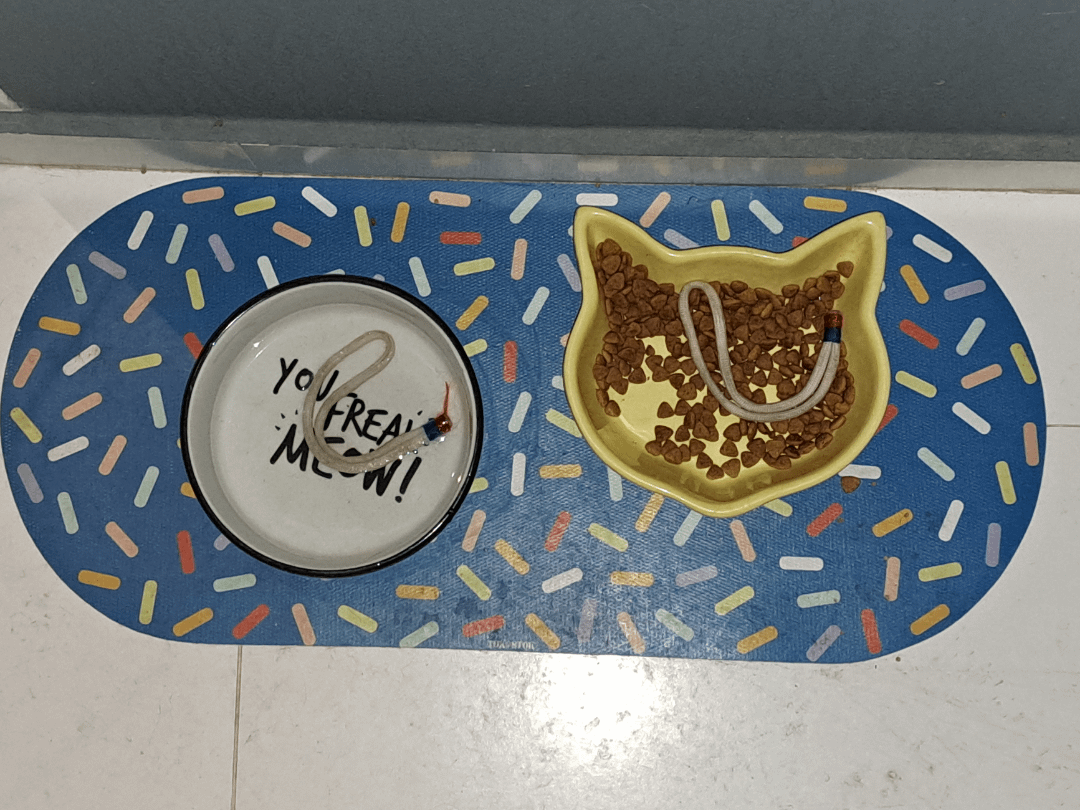
Have you ever caught your cat dropping toys into their water bowl and wondered why? It might seem strange or even confusing at first.
But understanding this curious behavior can help you connect with your furry friend on a deeper level. You’ll discover the surprising reasons behind why your cat puts toys in water. Keep reading—you’ll learn what this means for your cat’s instincts and how you can respond to keep them happy and healthy.

Credit: arcrocker.medium.com
Cat Toy Habits
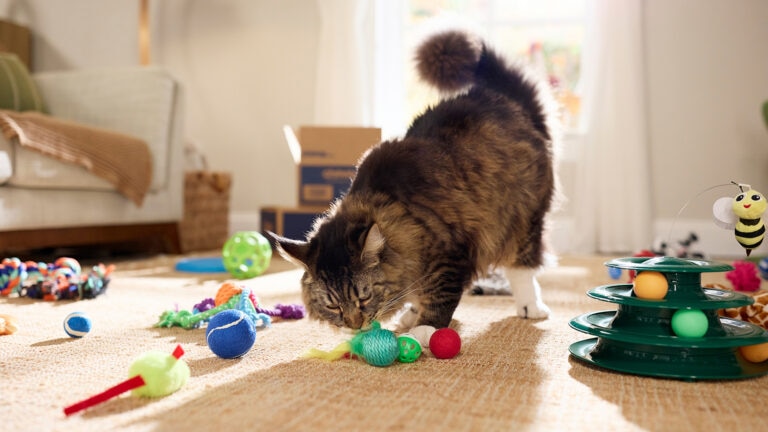
Cats have interesting ways of playing with their toys. Their toy habits show their personality and mood. Some cats like to chase, others like to hide or carry toys. Understanding these habits helps you enjoy playtime more with your cat.
Common Play Patterns
Cats often follow certain play routines. They might:
- Bat toys around with their paws
- Carry toys in their mouth
- Chase moving toys across the floor
- Hide toys in secret spots
- Drop toys into water bowls or sinks
These patterns show their hunting instincts and curiosity. Dropping toys in water can be a way to explore texture and sound. It also adds a new twist to their usual play.
Unique Toy Preferences
Cats choose toys that fit their unique taste. Some like soft toys, others prefer hard or noisy ones. Water-loving cats might be drawn to toys that float or splash. This makes water play extra fun.
Each cat’s toy choice reflects their mood and energy. Paying attention to these preferences helps keep playtime exciting and fresh. It also strengthens the bond between you and your pet.
Credit: www.chewy.com
Water And Cat Behavior
Cats show many curious behaviors involving water. Some cats love water, while others avoid it. Understanding how water affects cat behavior helps explain why some cats put toys in water.
Cats’ Relationship With Water
Cats are unique about water. Many cats dislike getting wet. Their fur takes a long time to dry. This makes them cautious around water sources.
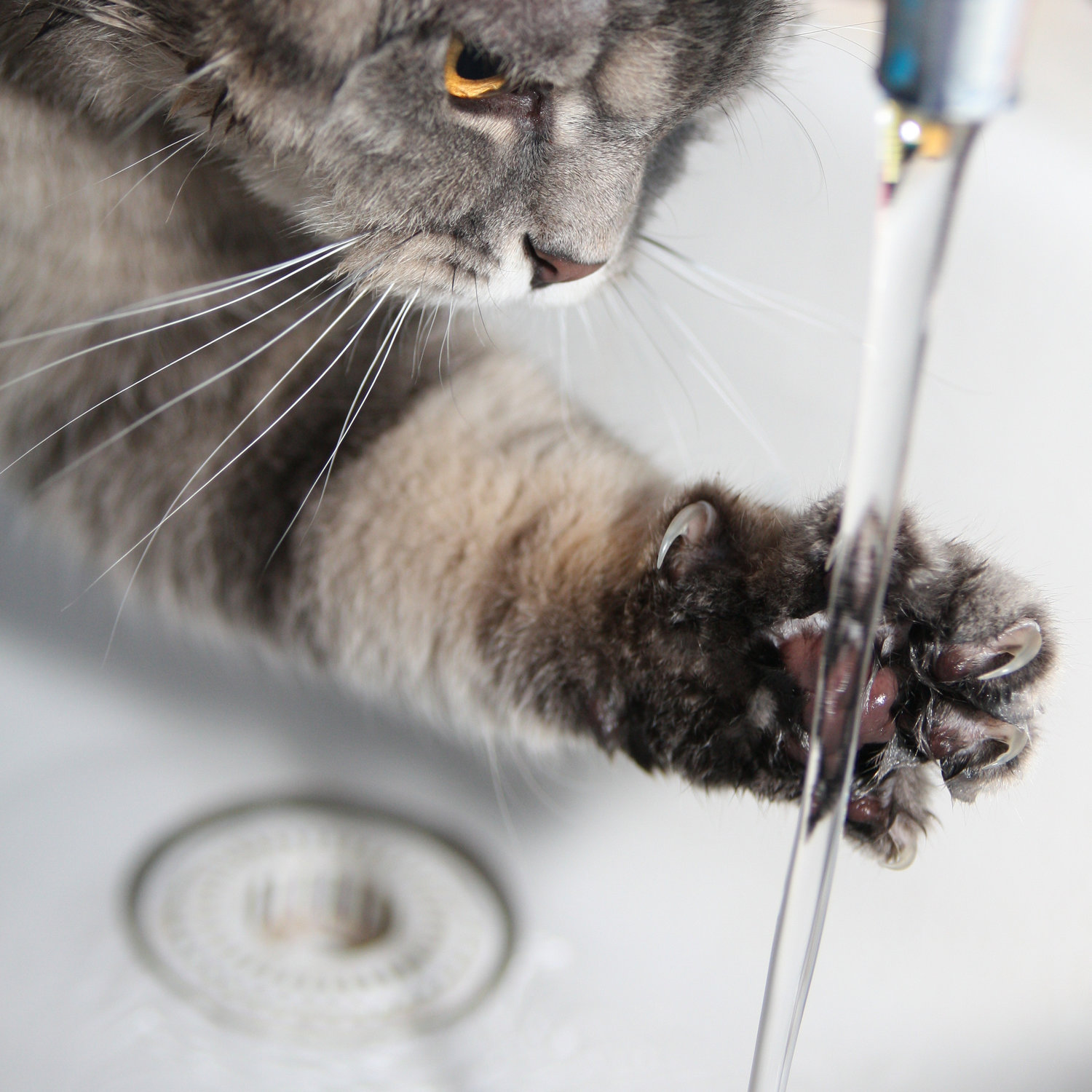
Some cats enjoy playing with water. They may dip paws or chase water droplets. This shows their natural curiosity and hunting instincts.
How Water Affects Play
Water adds a new element to cat play. Toys in water move differently and catch cats’ attention. The reflection and ripples excite their senses.
Playing with water can also cool cats down. It gives them a refreshing break from heat. This may explain why some cats dunk toys in water.
Reasons For Soaking Toys
Cats often soak their toys in water to explore new textures and scents. This behavior can also mimic hunting instincts or provide comfort and play variety. Sometimes, wet toys feel cooler and more interesting to their paws.
Understanding why your cat puts his toys in water can be a puzzling yet fascinating journey into feline behavior. This seemingly quirky habit is more than just a random act; it reveals much about your cat’s instincts and needs. Let’s explore the reasons behind this behavior.Instinctual Hunting Practice
Cats are natural hunters. By placing toys in water, your cat might be mimicking the act of catching prey. Water adds an element of challenge, similar to hunting in the wild. Think about it: when your cat sees a toy floating, it might remind them of small animals moving in water. It’s a playful way for them to keep their hunting skills sharp.Scent Marking And Toy Ownership
Cats use scent to mark their territory. By dipping toys in water, they may be trying to wash away other scents and imprint their own. This behavior is a way for your cat to claim ownership. When you observe your cat doing this, it’s their way of saying, “This belongs to me!”Seeking Sensory Stimulation
Water can provide a unique sensory experience for cats. The texture and movement of water are intriguing and can stimulate their senses. If your cat is bored, adding water into their play routine can make playtime more exciting. Have you noticed your cat watching dripping faucets with fascination? It’s the same curiosity at work here. Understanding these behaviors helps you connect with your cat on a deeper level. Are there ways you can enrich their environment with more playful challenges? Engaging with your cat’s natural instincts can lead to a happier, healthier companion.Psychological Factors
Cats often show unusual behaviors that puzzle their owners. One such behavior is placing toys in water. This act can reveal a lot about a cat’s mind and emotions. Psychological factors play a key role in why cats do this. Understanding these reasons helps owners respond better to their pets’ needs.
Stress And Comfort
Cats use toys to manage their stress. Placing toys in water may soothe them. Water has a calming effect on many cats. The coolness and sound of water can provide comfort. This action might help cats feel safe and relaxed. It serves as a way to control their environment.
Attention-seeking Actions
Cats learn how to get attention from their owners. Putting toys in water can be a signal. They know this behavior draws a reaction. Owners often respond quickly to such acts. Cats use this to connect and communicate their needs. It can be a playful way to ask for interaction or care.
How To Respond
Noticing your cat putting toys in water can be puzzling, but your response can shape how this behavior evolves. You want to respect your cat’s curiosity while keeping playtime safe and enjoyable. Responding thoughtfully helps maintain a happy environment for both you and your furry friend.
Managing Toy Placement
Keep your cat’s toys in areas away from water sources like sinks or water bowls. Create a designated play zone with soft mats or rugs where your cat can safely enjoy toys without risking a splash. If your cat insists on carrying toys near water, gently redirect them to the play area each time.
Sometimes, offering toys that aren’t affected by water, such as rubber or plastic balls, can reduce the temptation to dunk them. Have you noticed if your cat prefers specific toys near water? Observing these preferences helps you decide which toys to keep accessible.
Encouraging Positive Play
Reward your cat when they play with toys away from water to reinforce good behavior. Use treats or gentle praise to encourage interactive play sessions that don’t involve water. You can also introduce new toys that engage your cat’s hunting instincts, like feather wands or laser pointers.
Try to match playtimes with your cat’s natural activity peaks, usually early morning or evening. This keeps their energy focused on interaction rather than experimenting with water. What new toy could become your cat’s favorite distraction from the water bowl?
Keeping Water Clean
If your cat insists on putting toys in water, clean the water frequently to prevent bacteria buildup. Use a separate bowl for drinking and another for play if possible, making sure the drinking water stays fresh. Regular cleaning helps avoid any health risks for your cat.
Consider using a pet water fountain, which circulates water and can be less tempting for toy-dunking. Have you tried changing your cat’s water setup to see if it reduces this behavior? Small adjustments can make a big difference in keeping water clean and appealing.
Credit: www.spacecatacademy.com
Frequently Asked Questions
Why Does My Cat Put Toys In Water?
Cats may put toys in water as a playful or hunting instinct. Water adds a new sensory experience, making playtime more interesting and engaging.
Is It Normal For Cats To Wet Their Toys?
Yes, it is normal. Cats explore textures and smells by dipping toys in water. It mimics hunting behavior and satisfies curiosity.
Does Putting Toys In Water Mean My Cat Is Stressed?
Not necessarily. This behavior often indicates curiosity or playfulness, not stress. Observe other signs to assess your cat’s emotional state.
Can Wet Toys Harm My Cat’s Health?
Wet toys can breed bacteria if left damp. Regularly clean and dry toys to keep them safe and hygienic for your cat.
Conclusion
Cats often explore their world in unique ways. Putting toys in water is one of these curious acts. It helps them learn and play at the same time. This behavior shows their natural instincts and creativity. Observing your cat can deepen your bond and bring joy.
Embrace these little quirks—they make your pet special. Understanding these habits makes caring for your cat easier and fun. Keep watching, learning, and enjoying your cat’s playful moments.




Leave a Reply