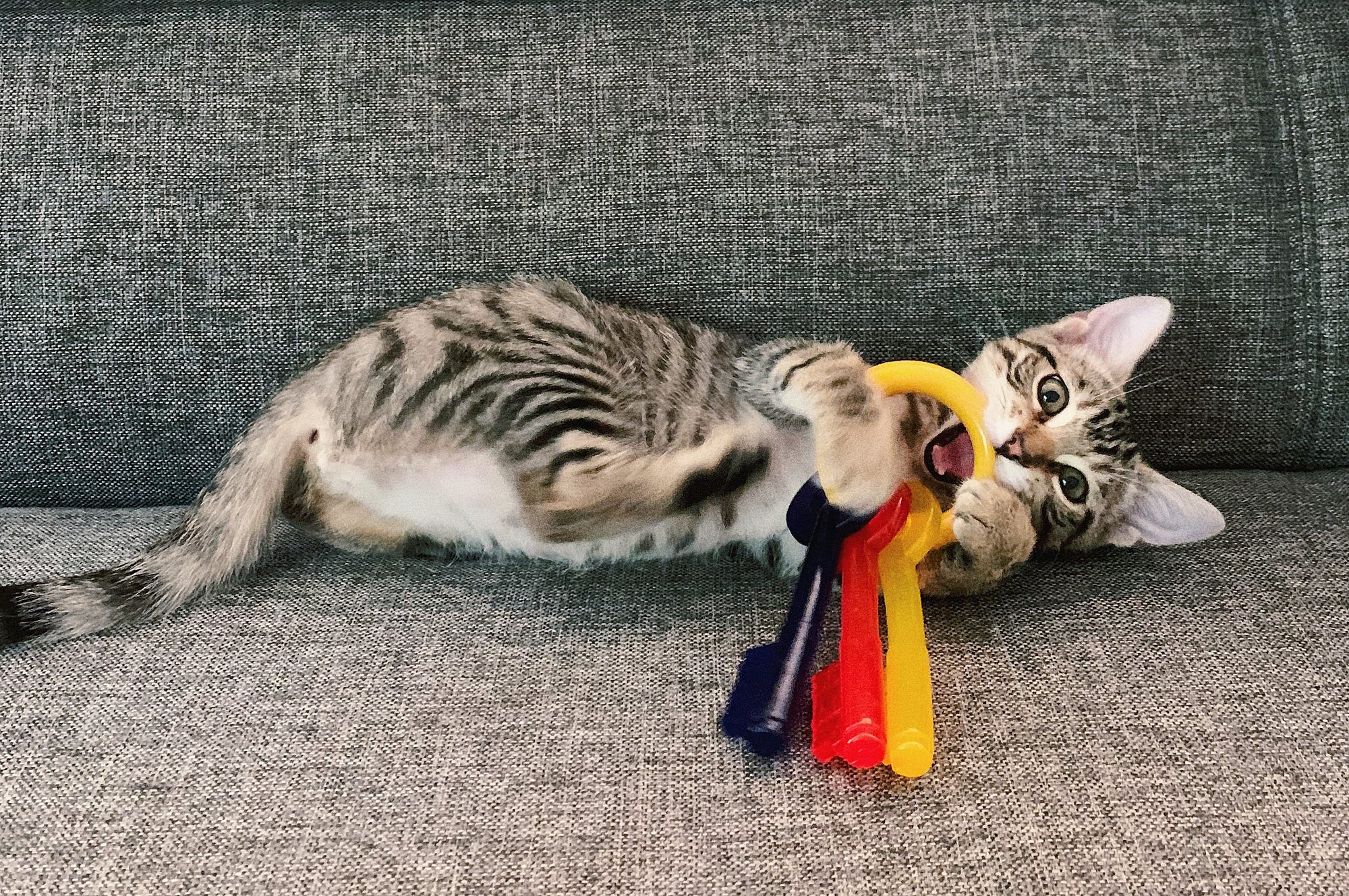
If you’ve ever watched your dog happily chase a squeaky toy, you might wonder—can your cat join in on the fun too? Getting a cat to play with a dog toy might sound tricky, but it’s easier than you think.
Imagine your furry friend excitedly batting, pouncing, and chasing a new toy designed for dogs. Not only will it keep your cat active, but it can also bring a lot of joy and strengthen the bond between you and your pet.
You’ll discover simple, effective tips to turn that dog toy into your cat’s new favorite plaything. Ready to see your cat’s playful side come alive? Let’s dive in!

Credit: www.amazon.com
Choosing The Right Dog Toy
Choosing the right dog toy can help your cat enjoy playtime too. Not all dog toys are safe or interesting for cats. Picking the right toy improves the chance your cat will want to play with it. Focus on materials, size, texture, and features to attract your cat’s attention. A well-chosen toy can bridge the play styles of cats and dogs.
Safe Materials For Cats
Choose toys made from non-toxic materials. Avoid toys with small parts that cats can swallow. Look for soft rubber, plush, or natural fibers. These materials are gentle on a cat’s teeth and claws. Ensure no harmful chemicals or dyes are used in the toy. Safety is the top priority for any pet toy.
Toy Size And Texture
Select toys small enough for cats to carry or bat around. Toys too big or heavy may discourage play. Soft or slightly textured surfaces attract cats more than smooth ones. Cats like toys they can grip and claw easily. A good texture mimics prey and invites natural hunting behavior.
Interactive Features To Attract Cats
Look for toys that move or make noise to catch a cat’s eye. Toys with bells, feathers, or crinkly parts spark curiosity. Some dog toys have built-in squeakers or wobble when pushed. These features encourage cats to chase and pounce. Interactive toys keep cats engaged longer and make play more fun.

Credit: www.amazon.com
Introducing The Toy To Your Cat
Introducing a dog toy to your cat can feel like a challenge, but it’s all about patience and understanding your cat’s unique personality. Cats are curious creatures but also cautious. If you want your cat to play with a dog toy, the first moments of introduction are crucial in setting the stage for positive interaction.
Creating A Comfortable Environment
Start by making sure your cat feels safe and relaxed. Choose a quiet room where your cat usually enjoys spending time. Avoid loud noises or sudden movements that might startle them.
Place the dog toy near your cat’s favorite resting spots. Sometimes just having the toy around, without pressure to interact, helps them get used to its presence. Have you noticed how your cat explores new items at their own pace? Let them set the speed here too.
Using Scent To Spark Interest
Cats rely heavily on smell, so adding familiar scents to the dog toy can make it more appealing. Rub the toy with a bit of your cat’s bedding or your own hands to transfer comforting smells.
You can also lightly dab a bit of catnip or silvervine on the toy if your cat responds to these herbs. This can trigger playful behavior and curiosity. Does your cat have a favorite scent or treat? Try incorporating it near the toy to increase attraction.
Timing Play Sessions
Choose moments when your cat is naturally more energetic, like after a nap or meal. Trying to introduce the toy when your cat is sleepy or stressed lowers your chances of success.
Keep play sessions short and positive. A few minutes of engagement can be enough to spark interest without overwhelming your cat. How does your cat usually prefer to play? Tailoring the timing to their mood will make a big difference.
Encouraging Play Behavior
Getting your cat to play with a dog toy can be a fun challenge. Cats are naturally curious but often need a little nudge to try something new. Encouraging play behavior involves understanding your cat’s instincts and using tactics that catch their attention while making the experience rewarding.
Movement Techniques To Engage
Movement is key to grabbing your cat’s interest. Try dragging the dog toy slowly across the floor to mimic the movement of small prey. Sudden stops and quick twitches can spark your cat’s hunting instincts and make the toy irresistible.
Switch between fast and slow motions to keep your cat guessing. You might notice your cat prefers chasing over pouncing, so adjust your movements accordingly. Have you ever seen your cat’s eyes lock onto a moving object? Use that focus to your advantage.
Using Treats As Incentives
Treats can turn a new toy into a favorite one. Place a few small treats around or on the dog toy to encourage your cat to investigate. When your cat shows interest, reward them immediately to create a positive association.
You can also try hiding treats inside parts of the toy if possible. This adds a fun challenge and keeps your cat engaged longer. What treats does your cat love most? Use those to make the playtime more enticing.
Mimicking Prey Actions
Cats love toys that act like prey, so mimic those behaviors with the dog toy. Shake the toy lightly or make it “jump” to simulate a struggling animal. This triggers your cat’s natural hunting reflexes, making playtime more exciting.
Try tossing the toy gently so it lands unpredictably, encouraging your cat to chase and pounce. This kind of interaction can turn a simple dog toy into a thrilling game. Have you noticed which movements make your cat pounce more eagerly?
Preventing Common Issues
Introducing a cat to a dog toy can bring fun and bonding, but some issues may arise. Preventing common problems helps both pets enjoy playtime safely. Understanding your cat’s feelings and needs is key.
Managing Fear Or Distrust
Cats may feel scared or unsure about new toys, especially dog toys. Start by letting the cat sniff the toy from a distance. Use calm, soft voices to comfort your cat. Place the toy near their favorite resting spots. Avoid forcing the cat to play. Give time for trust to build. Observe your cat’s body language for signs of stress.
Avoiding Overstimulation
Too much excitement can stress a cat and cause aggressive behavior. Watch for signs like tail flicking, growling, or biting. Limit play sessions to short, gentle periods. Use slow, steady movements with the toy. Allow breaks to let your cat calm down. Stop play if your cat seems overwhelmed. This keeps playtime fun and safe for both pets.
Keeping The Toy Clean And Safe
Dog toys can carry dirt and germs that harm cats. Clean the toy regularly with pet-safe disinfectants. Check for broken parts or sharp edges before play. Remove any loose pieces that could be swallowed. Choose toys made of safe, non-toxic materials. Store toys in a clean, dry place. Keeping toys clean protects your cat’s health and encourages play.
Benefits Of Cross-species Play
Playing with a dog toy can help cats stay active and curious. Sharing toys encourages bonding and gentle interaction between pets of different species. Cross-species play brings fun and mental stimulation to both cats and dogs.
Cross-species play, such as encouraging your cat to play with a dog toy, can offer numerous benefits. It challenges pets to think outside their usual play patterns and can lead to unexpected moments of joy. While it might seem unconventional at first, this type of play can be both enriching and rewarding for your furry friends.Mental Stimulation For Cats
Cats are naturally curious creatures, and introducing them to new toys can spark their interest. A dog toy, with its different textures and sounds, can provide the mental stimulation your cat craves. Imagine your cat’s surprise when it encounters a toy that behaves differently from its usual ones—this novelty can keep them engaged longer.Physical Exercise Advantages
Physical activity is crucial for your cat’s health, and dog toys often require more movement. These toys might roll further or bounce in unpredictable ways, encouraging your cat to chase and pounce. Regular, varied exercise helps maintain a healthy weight and reduce the risk of obesity-related illnesses.Strengthening Owner-pet Bond
Engaging your cat with a dog toy isn’t just about the pet’s benefit; it’s also about enhancing your relationship. When you introduce a new toy, you’re sharing a new experience with your pet. Watching your cat explore and play can be a joyful experience for you, creating shared memories and a deeper connection. Have you ever tried introducing a dog toy to your cat? Consider the potential for laughter and bonding. Cross-species play isn’t just a novelty—it’s a gateway to a richer, more engaging life for your pets.
Credit: thekindpet.com
Frequently Asked Questions
How Can I Introduce A Dog Toy To My Cat?
Start by letting your cat sniff the dog toy. Use treats to create positive associations. Play gently and observe your cat’s reactions.
What Type Of Dog Toy Is Safe For Cats?
Choose soft, small, and non-toxic dog toys. Avoid toys with small parts that can be swallowed or cause choking hazards.
How Do I Encourage My Cat To Play With Dog Toys?
Use interactive play techniques like moving the toy like prey. Reward your cat with treats and praise to encourage play.
Can Dog Toys Help Reduce My Cat’s Boredom?
Yes, dog toys can stimulate your cat’s mind and body. They provide new textures and movements to keep your cat entertained.
Conclusion
Getting a cat to play with a dog toy can be fun and easy. Start with patience and gentle encouragement. Let the cat explore the toy at its own pace. Use treats or praise to build interest. Remember, every cat is different and may take time to join in.
Enjoy watching your pets discover new ways to play together. This simple step can bring joy and strengthen their bond. Keep trying, and soon your cat might love the toy just as much as your dog does.




Leave a Reply