Have you ever noticed your cat looking a bit messy or unkempt? You might wonder, “Why do some cats not groom themselves like they should?”
Grooming is a natural habit for cats, but when your furry friend skips this important routine, it can signal something is wrong. Understanding why your cat isn’t cleaning itself can help you spot health issues early and keep your pet happy and comfortable.
Keep reading to discover the surprising reasons behind this behavior and what you can do to help your cat feel their best.
Normal Grooming Habits
Understanding your cat’s normal grooming habits can help you spot when something’s off. Cats spend a good part of their day cleaning themselves, and this behavior is more than just about looking good. It’s a vital part of their health and well-being.
How Cats Groom Themselves
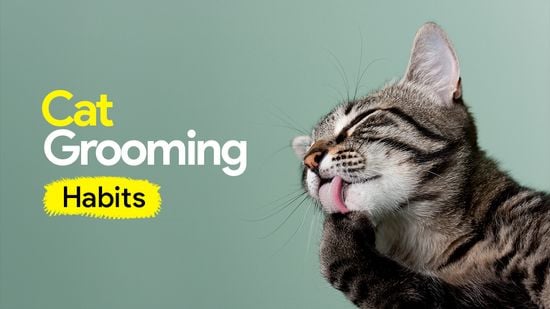
Cats use their tongues to groom, which are covered in tiny, hook-like structures. These hooks act like a comb, removing loose fur and dirt. You might notice your cat licking their fur, paws, and even their face in a very deliberate way.
They also use their teeth to nibble at tough spots, especially if they have knots or debris. Grooming often follows a specific order, starting with the head and moving down to the tail. Have you ever watched your cat pause and clean one paw intensely before moving on? That’s part of their careful routine.
Importance Of Grooming
Grooming is essential for keeping a cat’s coat healthy and free of parasites. It helps regulate their body temperature by spreading natural oils evenly across their fur. Without regular grooming, their fur can mat and trap dirt.
Besides hygiene, grooming also reduces stress. Cats often groom themselves after waking up or during quiet moments, which calms them down. If your cat stops grooming, it might be a sign they are feeling unwell or stressed.
Have you noticed that your cat grooms more when they’re anxious or after a vet visit? That’s because grooming is a coping mechanism for them. Watching your cat’s grooming habits closely can give you clues about their health and mood.
Health Issues Affecting Grooming
Cats may stop grooming due to pain from arthritis or dental problems. Skin infections and obesity can also make self-cleaning difficult. These health issues often reduce a cat’s ability or desire to groom itself properly.
Cats are known for their meticulous grooming habits. Grooming helps them maintain hygiene and comfort. Yet, some cats may stop grooming due to health issues. These issues can disrupt their natural grooming routine. Understanding these conditions can help improve their well-being.Skin Conditions
Skin problems can make grooming painful for cats. Conditions like allergies, infections, or parasites cause irritation. This discomfort leads them to avoid grooming. Redness, bumps, or patches may indicate skin issues. Regular vet checks can identify and treat these problems.Arthritis And Mobility Problems
Older cats often suffer from arthritis. Joint pain and stiffness make movement difficult. Grooming requires flexibility and reaching various body parts. Cats with arthritis may find it challenging to clean themselves. Pain relief and joint supplements can help improve their mobility.Dental Pain
Oral health plays a vital role in grooming. Cats with dental pain might stop grooming. Toothache or gum disease makes it hard to groom with their tongue. Signs include bad breath, drooling, or pawing at the mouth. Regular dental check-ups can prevent these issues.Obesity And Grooming Challenges
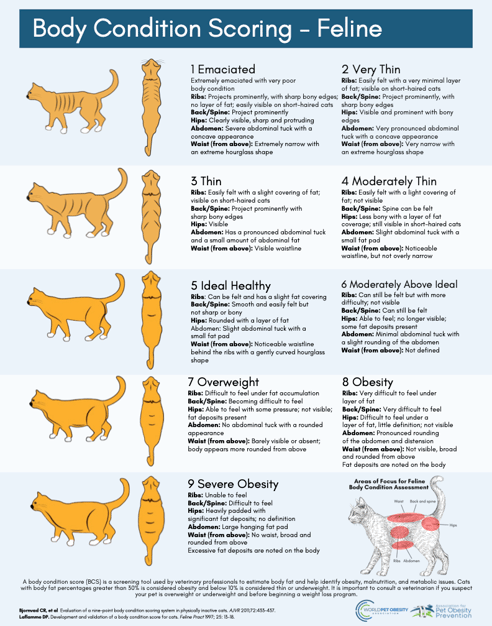
Obesity affects a cat’s ability to groom effectively. Extra weight limits their range of motion. They struggle to reach certain areas of their body. This can lead to matted fur and skin problems. A balanced diet and exercise can help manage their weight.Behavioral Causes
When cats stop grooming themselves, the reasons can often be rooted in behavior rather than physical health. Behavioral causes affect how your cat feels and reacts to its surroundings, directly influencing its grooming habits. Understanding these causes can help you identify what might be troubling your feline friend and how you can support them.
Stress And Anxiety
Stress can make cats withdraw and neglect grooming. If your cat feels threatened or uneasy, it might stop cleaning itself as a way to cope. Have you noticed your cat avoiding its usual spots or hiding more often? These signs often accompany stress and anxiety, which interfere with normal grooming routines.
Stress triggers release of hormones that can disrupt your cat’s behavior. You might see other signs like excessive scratching or vocalizing. Try creating a calm environment with familiar toys or quiet spaces to help your cat feel secure again.
Depression In Cats
Depression is a real issue in cats and can lead to a lack of self-care, including grooming. Cats that seem listless or uninterested in their surroundings might be experiencing depression. Has your cat lost interest in playtime or meals? These can be signs that depression is affecting their grooming habits.
Changes in behavior often go unnoticed because cats are naturally subtle. Engaging your cat with gentle interaction and maintaining a regular routine can encourage them to groom again. Sometimes, a visit to the vet for behavioral advice is necessary to help your cat recover.
Changes In Environment
Moving to a new home, adding a pet, or rearranging furniture can disrupt your cat’s comfort zone. Such changes might cause your cat to stop grooming as it adjusts. Have you recently introduced anything new to your home that could stress your cat?
Even small environmental changes can feel overwhelming to cats. Providing safe spaces and keeping feeding and play schedules consistent can ease the transition. Observing how your cat reacts to these changes helps you support its grooming behavior effectively.
Credit: www.livescience.com
Age-related Factors
Age plays a big role in a cat’s grooming habits. Older cats may stop cleaning themselves as often. This change happens because of physical and mental shifts. Understanding these age-related factors helps pet owners care better for senior cats.
Grooming In Senior Cats
Senior cats often face joint pain and stiffness. These issues make it hard to reach certain body parts. As a result, their fur may become dirty or matted. Older cats also have less energy, so they groom less frequently. Their slower movements affect their usual cleaning routine.
Cognitive Decline Impact
Cognitive decline affects a cat’s brain function as it ages. This condition can cause confusion and forgetfulness. Cats with cognitive issues might forget to groom themselves. They may also lose interest in cleaning due to mental changes. This decline affects their daily habits and self-care.
External Influences
Cats usually groom themselves to stay clean and healthy. Sometimes, outside factors stop them from grooming. These external influences can affect a cat’s behavior and health. Understanding these helps in giving better care to cats that stop grooming.
Parasites And Allergies
Parasites like fleas or ticks cause itching and discomfort. Cats may avoid grooming because of the irritation. Allergies to food or environment also make skin itchy and sore. This can make grooming painful or unpleasant for cats. The constant itch can distract cats from cleaning themselves.
Injuries And Pain
Injuries or pain can stop a cat from grooming. A sore paw, broken bone, or arthritis can limit movement. Cats avoid touching painful spots, so grooming stops there. Pain makes grooming tiring and stressful. This can cause fur to become dirty and matted over time.
Lack Of Social Grooming
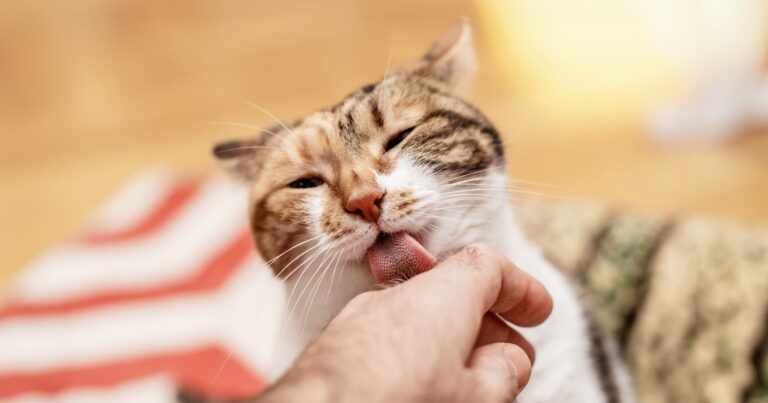
Social grooming is common in cats living with others. Cats clean each other, which helps with hard-to-reach spots. A cat living alone may miss this support. Without social grooming, some cats groom less often or less well. This can lead to poor coat condition and skin problems.
Credit: www.diamondpet.com
When To Seek Veterinary Help
Not grooming can signal health issues in cats. Knowing when to seek veterinary help is important. Early action can prevent serious problems. Observe your cat’s behavior closely. Look for changes that seem unusual or sudden. Timely veterinary visits ensure proper care and comfort for your pet.
Signs Of Serious Problems
- Matting or excessive dirt on fur
- Foul odor from the skin or coat
- Visible wounds or skin infections
- Swelling or redness on the body
- Sudden weight loss or gain
- Changes in appetite or drinking habits
- Lethargy or unusual hiding
- Excessive scratching or biting
- Difficulty moving or pain signs
Treatment Options
The vet will first diagnose the cause of poor grooming. This may include blood tests or skin exams.
Treatment varies by the underlying problem. It may involve:
- Medications for infections or parasites
- Pain relief for arthritis or injury
- Diet changes to improve nutrition
- Behavioral therapy for stress or anxiety
- Regular grooming assistance if needed
Follow the vet’s advice closely. Proper care helps your cat feel better fast.
Tips To Encourage Grooming
Encouraging your cat to groom themselves can improve their health and happiness. Sometimes, cats stop grooming due to health issues, stress, or discomfort. You can help your cat feel more comfortable and motivated to groom by making a few simple changes to their daily routine and environment.
Regular Brushing
Brushing your cat regularly helps remove loose fur and prevents matting. It also stimulates their skin and spreads natural oils, which keeps their coat shiny and healthy.
Try different brushes to see which your cat enjoys most. Some cats prefer soft bristles, while others like a firmer brush. Brushing can become a bonding moment, making your cat more likely to groom themselves afterward.
Creating A Stress-free Environment
Stress can cause cats to stop grooming. Loud noises, changes in the household, or new pets can make them anxious. Can you identify any recent changes that might be affecting your cat?
Provide quiet spaces where your cat can relax and feel safe. Use calming aids like pheromone diffusers or soft music to reduce anxiety. A calm cat is more likely to take care of their grooming needs.
Diet And Hydration
Your cat’s diet directly affects the condition of their skin and fur. Poor nutrition can lead to dry skin or discomfort, making grooming less appealing.
Make sure your cat has access to fresh water at all times. Feeding high-quality food rich in omega fatty acids can improve coat health. Have you noticed any changes in your cat’s eating or drinking habits that might explain grooming issues?
Credit: www.preventivevet.com
Frequently Asked Questions
Why Do Some Cats Stop Grooming Themselves?
Cats may stop grooming due to illness, pain, or stress. Conditions like arthritis or dental issues can make grooming painful. Stressful environments or changes can also affect their grooming habits. If a cat stops grooming, a vet visit is essential to identify and treat underlying problems.
Can Health Problems Cause Cats Not To Groom?
Yes, health issues like skin infections, obesity, or arthritis often cause grooming difficulties. These conditions make self-cleaning uncomfortable or painful. Identifying and treating these health problems promptly helps restore normal grooming behavior and keeps the cat comfortable and healthy.
How Does Stress Affect A Cat’s Grooming?
Stress can disrupt a cat’s grooming routine. Anxious or stressed cats may groom less or excessively. Changes in environment, loud noises, or new pets can trigger stress. Providing a calm, stable environment helps cats maintain regular grooming habits and overall well-being.
When Should I See A Vet About Grooming Issues?
If your cat suddenly stops grooming or shows patchy fur, consult a vet. Persistent grooming problems may indicate medical or psychological issues needing professional care. Early intervention prevents complications and ensures your cat stays healthy and comfortable.
Conclusion
Cats may stop grooming due to health or emotional issues. It signals they might need help. Watch for changes in behavior or appearance. Regular vet visits keep cats healthy and clean. Helping your cat stay groomed improves their comfort and happiness.
Remember, grooming is a key part of a cat’s well-being. Taking action early can prevent bigger problems. Caring for your cat shows love and keeps them safe. Keep an eye on their habits and act if needed.



Leave a Reply