
Have you noticed your cat isn’t grooming itself like usual? It can be worrying when your furry friend stops cleaning their fur.
Grooming is a natural habit for cats, so when it changes, something might be wrong. You might wonder if it’s just a phase or a sign of a bigger problem. You’ll discover the common reasons why your cat may not be grooming and what you can do to help.
Keep reading to understand your cat’s behavior better and ensure they stay healthy and happy.
Common Grooming Habits
Understanding your cat’s common grooming habits can help you spot when something is off. Cats are usually meticulous groomers, spending a good part of their day cleaning themselves. When your cat suddenly stops or reduces this behavior, it might signal an underlying issue that needs your attention.
Normal Grooming Behavior
Cats use grooming to keep their fur clean, remove loose hair, and regulate body temperature. You might notice your cat licking its paws, rubbing its face, or carefully cleaning its belly. This behavior also helps reduce stress—so if your cat isn’t grooming, ask yourself if anything in the environment has changed.
Frequency And Patterns
Most cats groom themselves several times a day, usually in short bursts. Some cats spend up to 50% of their waking hours grooming, but this varies by age, breed, and personality. If your cat suddenly skips grooming sessions or seems uninterested, it could be due to pain, illness, or even depression.
)
Credit: www.northroadvet.com.au
Health Issues Affecting Grooming
When your cat stops grooming itself, it can signal underlying health problems. Grooming is more than just keeping clean—it reflects your cat’s overall well-being. If your feline friend isn’t licking and cleaning like before, health issues might be interfering with this natural habit.
Skin Conditions
Skin problems can make grooming painful or uncomfortable for your cat. Issues like allergies, fleas, or infections cause itching and irritation, which may discourage your cat from licking certain areas.
You might notice bald patches, redness, or scabs on your cat’s fur. These signs often point to a skin condition that needs veterinary attention. Have you seen your cat scratching more than usual or biting at its fur?
Pain And Mobility Problems
Pain from arthritis or injuries can limit your cat’s ability to reach certain body parts. Older cats often struggle with grooming because stiff joints make movement difficult.
When grooming becomes physically painful, your cat might give up on it altogether. Watch if your cat avoids stretching or seems reluctant to move—it could mean pain is stopping it from grooming properly.
Dental Issues
Dental pain can also reduce grooming behavior. If your cat has sore gums or broken teeth, licking its fur might hurt.
Notice if your cat is eating less or drooling more than usual. These can be signs of dental problems affecting grooming habits. Could your cat’s mouth discomfort be the reason it looks less tidy?
Emotional And Environmental Factors
Stress, fear, or changes in a cat’s environment can stop it from grooming. A quiet, safe space helps cats feel calm and care for themselves.
Cats are typically fastidious creatures, known for their meticulous grooming habits. However, if your cat has stopped grooming itself, emotional and environmental factors might be at play. Understanding these factors is crucial in helping your feline friend return to its normal, self-caring routine.Stress And Anxiety
Stress can significantly impact a cat’s behavior, including its grooming habits. Have you recently introduced a new pet or had guests over? Such changes can trigger anxiety in your cat, leading to a decrease in grooming. Pay attention to your cat’s body language. Signs like excessive hiding or vocalizations can indicate stress. Create a peaceful environment to help your cat feel safe and relaxed.Changes In Environment
A sudden shift in your cat’s environment can upset its routine. Have you moved houses or rearranged furniture? Even small changes, like a new rug, can be unsettling. Provide familiar items like their favorite blanket or toy to comfort your cat. Gradual introductions to new environments can also ease the transition.Social Dynamics
Cats are social creatures with complex social structures. If you have multiple pets, social dynamics can affect grooming habits. Is there a new cat in the neighborhood, or is there a change in your household pets? Observe interactions between your pets. Ensure each cat has its own space to retreat to, reducing territorial tension and encouraging self-care.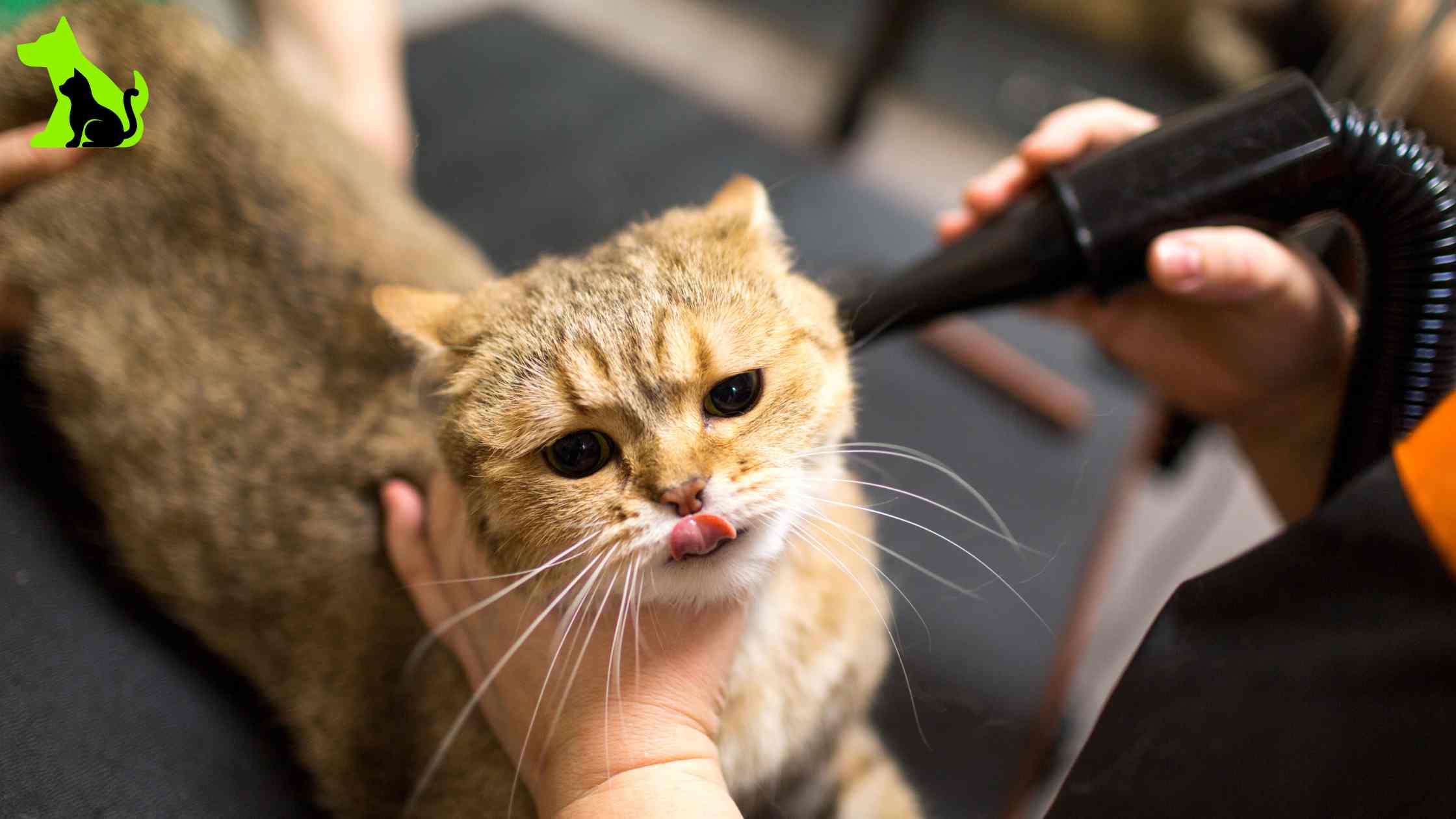
Credit: hellopetsinc.com
Age And Grooming
Age plays a key role in a cat’s grooming habits. Younger cats usually groom themselves often and thoroughly. Older cats may struggle to keep up with their usual cleaning routine. Changes in energy and health can affect their desire and ability to groom.
Grooming In Senior Cats
Senior cats often groom less than younger cats. Their fur might look messy or oily. They may miss spots or avoid certain areas. Less grooming can cause matting and skin problems. Older cats may need help from their owners to stay clean and comfortable.
Impact Of Age-related Diseases
Diseases common in older cats can reduce grooming. Arthritis can make bending and reaching painful. Dental problems may cause mouth pain, reducing grooming. Kidney or thyroid issues can lower energy levels. These health problems make grooming harder and less frequent.
Detecting Grooming Problems
Detecting grooming problems in cats helps catch health issues early. Cats usually keep themselves clean and neat. Changes in their grooming habits often signal discomfort or illness. Observing your cat’s coat and behavior reveals important clues. Act promptly to prevent worsening conditions.
Signs Of Poor Grooming
- Dull or matted fur that feels greasy or dirty
- Strong odor from the coat
- Excessive shedding or bald patches
- Visible skin irritation or sores
- Clumps of fur stuck together
- Unusual licking or scratching habits
- Cat appears lethargic or less active than usual
When To See A Vet
Seek veterinary care if grooming problems persist more than a few days. Visit the vet if your cat shows signs of pain or swelling. Sudden hair loss or skin wounds require immediate attention. If your cat stops eating or acts withdrawn, see a vet quickly. Early diagnosis improves treatment success and comfort.
Improving Grooming Habits
Improving your cat’s grooming habits is important for their health and happiness. Cats that do not groom themselves may feel uncomfortable or face health problems. Helping your cat with grooming can reduce mats, dirt, and skin issues. It also strengthens the bond between you and your pet. Use gentle and consistent care to encourage better grooming behavior.
Regular Brushing Techniques
Brushing your cat daily helps remove loose fur and dirt. Use a soft brush designed for cats. Start with short sessions to make your cat comfortable. Brush in the direction of the fur growth. Focus on areas your cat cannot reach easily, like the back and neck. Watch your cat’s reactions and stop if they seem stressed. Regular brushing prevents mats and spreads natural oils on the fur.
Creating A Comfortable Environment
A calm and quiet space helps your cat feel safe. Choose a warm spot with soft bedding for grooming. Avoid loud noises and sudden movements during brushing. Let your cat explore grooming tools before using them. Offer treats to create a positive experience. Keep the grooming area clean and free from distractions. Comfort encourages your cat to relax and groom more often.
Addressing Medical Needs
Poor grooming can signal health problems. Check your cat for wounds, skin irritations, or parasites. Visit a vet if you notice bald patches or excessive scratching. Some cats stop grooming due to pain or illness. Conditions like arthritis or dental pain affect grooming ability. Proper treatment can restore your cat’s grooming habits. Regular health checks keep your cat in good shape and comfortable.
Preventive Care Tips
Preventive care plays a key role in keeping your cat healthy and clean. Regular care helps avoid problems that stop cats from grooming themselves. Small daily habits can protect your cat from illness and discomfort.
Routine Health Checks
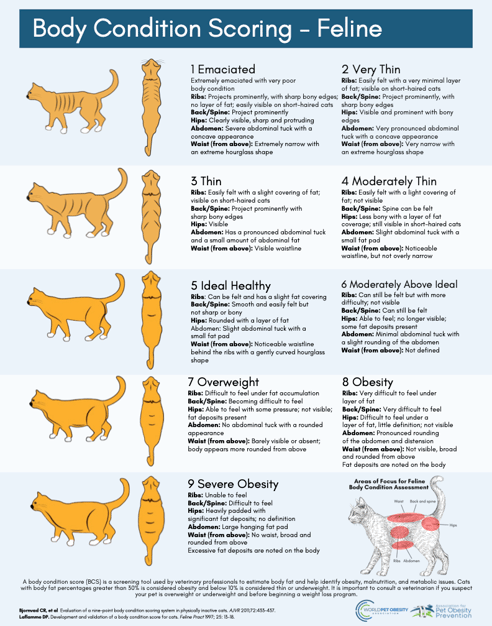
Check your cat’s fur and skin often. Look for cuts, lumps, or bald spots. Visit the vet regularly for a full health exam. Early detection of issues like infections or arthritis helps keep grooming habits normal. Vets can recommend treatments to ease pain or discomfort.
Diet And Hydration
Feed your cat a balanced diet with all needed nutrients. Good food supports healthy skin and fur. Fresh water must be available all day. Proper hydration prevents dry skin and keeps the coat shiny. Avoid sudden diet changes that may upset your cat’s health.
Stress Reduction Strategies
Stress can stop cats from grooming. Create a calm, safe home environment. Provide quiet places where your cat can relax alone. Use gentle play and affection to build trust. Avoid loud noises and sudden changes in routine. A stress-free cat grooms more regularly and stays healthier.
Credit: www.preventivevet.com
Frequently Asked Questions
Why Is My Cat Suddenly Not Grooming Itself?
A sudden stop in grooming can signal stress, illness, or pain. Cats groom to stay clean and healthy. If grooming stops, check for health issues or emotional distress. Consult a vet to rule out infections, arthritis, or skin problems affecting grooming habits.
Can Health Problems Cause Cats To Stop Grooming?
Yes, health problems like dental pain, arthritis, or skin infections can prevent grooming. Cats avoid grooming when they feel pain or discomfort. Regular vet checks help identify issues early. Treating underlying conditions often restores normal grooming behavior quickly.
How Does Stress Affect My Cat’s Grooming Habits?
Stress can reduce grooming because cats feel anxious or insecure. Changes in environment, new pets, or loud noises trigger stress. Lack of grooming leads to a messy coat and skin problems. Providing a calm space and routine helps reduce stress and restore grooming.
What Should I Do If My Cat Stops Grooming?
First, observe your cat’s behavior and look for signs of illness. Schedule a vet visit for a thorough health check. Maintain a clean, comfortable environment to reduce stress. Offer gentle grooming assistance until your cat recovers its grooming habit.
Conclusion
A cat not grooming itself can signal health or stress issues. Watch for changes in behavior or appearance. Regular check-ups with a vet help catch problems early. You can support your cat by keeping its environment calm. Clean and brush your cat gently if it struggles.
Early attention keeps your pet happy and healthy. Don’t ignore signs of discomfort or illness. Your cat depends on you for care and comfort. Stay patient and observant to keep your furry friend well.



Leave a Reply