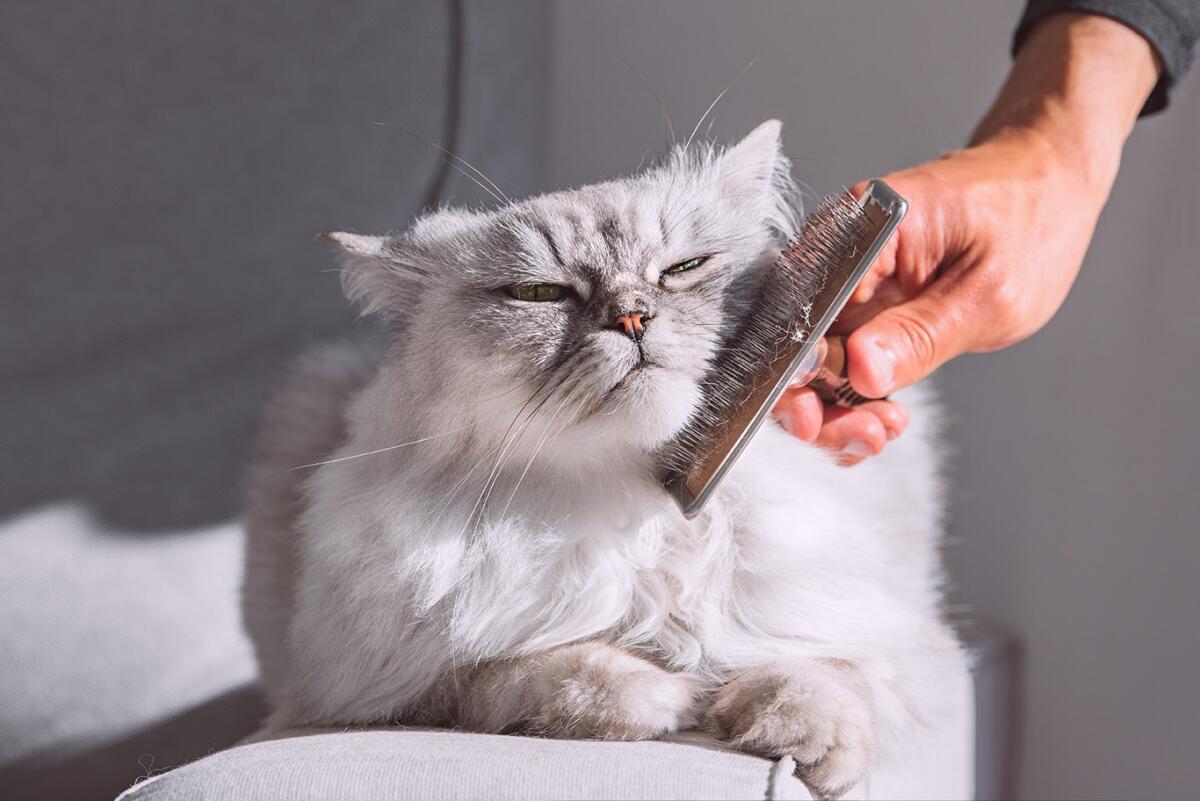
Have you ever wondered why your cat seems so interested in your hair? It might feel strange when your furry friend starts licking or nibbling on your strands, but there’s more to this behavior than just curiosity.
Your cat’s grooming of your hair is actually a special way they show affection, build trust, and even communicate with you. Keep reading to discover the surprising reasons behind this unique bond and what it really means when your cat chooses your hair as their favorite spot.
You’ll never look at your kitty’s grooming habits the same way again!
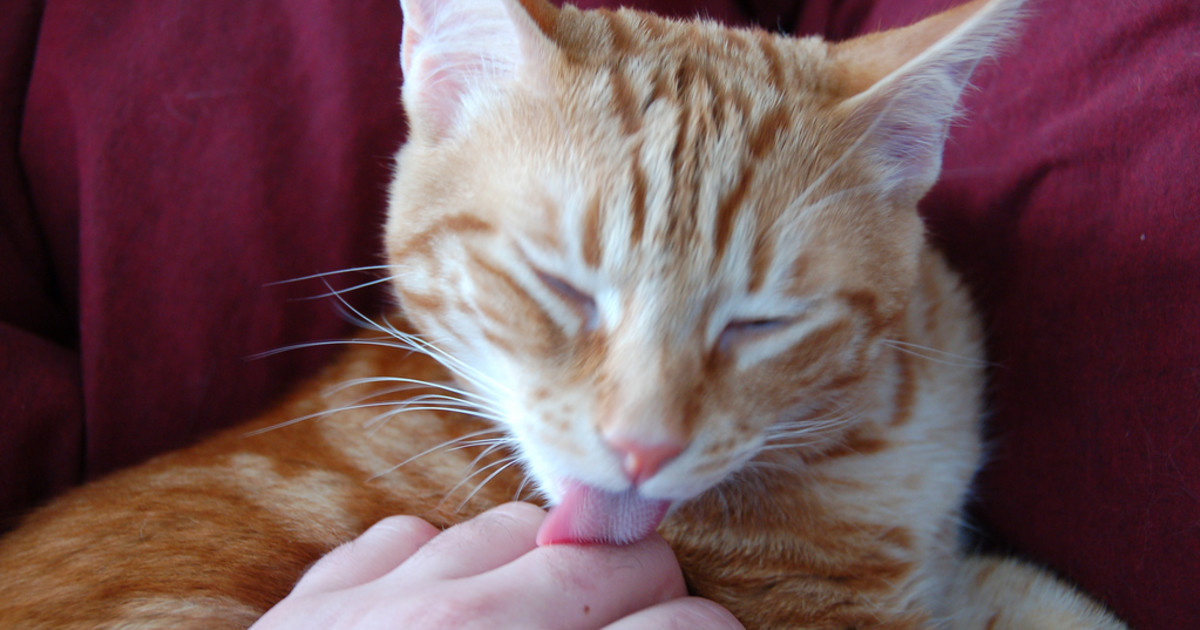
Credit: pethelpful.com
Cats And Grooming Behavior
Cats have a unique way of showing affection and care, often through grooming behavior. When your cat grooms your hair, it’s not just a random act; it ties deeply into their natural instincts and social habits. Understanding why they do this helps you connect better with your feline friend and appreciate their quirky ways.
Grooming Instincts In Cats
Grooming is a vital part of a cat’s daily routine. They spend a significant portion of their day licking their fur to keep clean and regulate body temperature. This instinct is strong and deeply rooted in their survival skills.
When your cat licks your hair, they are extending this grooming behavior to you. It’s their way of including you in their world, treating you like part of their family. Have you noticed how calm and focused your cat becomes during this act? It’s a sign of trust and comfort.
Social Grooming Among Cats
Social grooming, or allogrooming, is common among cats living together. They lick each other’s fur to strengthen bonds and reduce tension. This behavior is a form of communication and friendship.
By grooming your hair, your cat is showing you social affection. They see you as part of their group and want to maintain a close relationship. Next time your cat starts licking your hair, think about the social message they’re sending—it’s their way of saying, “You belong with me.”
Why Cats Groom Human Hair
Cats grooming your hair might seem odd at first, but it’s a behavior packed with meaning. This action goes beyond simple curiosity—it reveals how your cat connects with you in ways that are both instinctual and emotional. Understanding why cats groom human hair helps you appreciate their unique ways of communication and affection.
Transferring Scent And Marking Territory
When your cat licks your hair, they are actually mixing their scent with yours. Cats have scent glands on their faces and paws, and grooming helps them spread their personal scent on things they consider part of their territory.
This behavior is a clear sign they see you as part of their family group. Have you noticed your cat rubbing their head against you before grooming? It’s their way of saying, “You belong to me.”
Showing Affection And Bonding
Grooming is a social activity among cats, and your pet extends this to you as a way of showing love. It’s similar to how they clean their feline friends to strengthen bonds.
When your cat grooms your hair, they are including you in their close circle. Think about the last time your cat gently licked your hair—did it make you feel special or connected? That’s exactly the message they want to send.
Seeking Comfort And Security
Grooming your hair can also be a way for your cat to feel safe and calm. The repetitive motion is soothing for them, much like how humans find comfort in certain habits.
By licking your hair, your cat finds a familiar and secure space in your presence. Next time your cat starts this behavior, consider it a sign they trust you deeply and feel relaxed around you.
Hair Texture And Sensory Appeal
Cats find human hair intriguing for many reasons. One key reason is the texture and sensory appeal of hair. The texture of human hair feels familiar and comforting to cats, resembling their own fur. This similarity can lead them to groom our hair as they would their own or another cat’s fur. Sensory exploration through touch is vital for cats. Your hair provides a unique experience for their curious paws and whiskers.
Why Hair Feels Like Fur To Cats
Human hair shares a similar texture to cat fur. This resemblance can make hair feel familiar and comforting. Cats naturally groom themselves and others as a bonding activity. When your cat grooms your hair, it often mimics grooming another cat. This act strengthens the bond between you and your feline friend.
The Role Of Cat Whiskers In Grooming
Whiskers are essential sensory tools for cats. They help cats navigate and explore their environment. When grooming your hair, whiskers play a significant role. They detect textures and movements, guiding the grooming process. Cats use whiskers to sense the length and texture of your hair. This helps them determine how to groom effectively.
:strip_icc()/GettyImages-620792796-ffb9c34b20944b6280de351fcc237c2d.jpg)
Credit: www.thesprucepets.com
Health And Hygiene Factors
Cats grooming your hair is more than just a cute habit; it’s deeply connected to health and hygiene. This behavior often serves practical purposes for both your cat and you. Understanding these reasons can help you appreciate why your feline friend chooses to groom you as part of their routine.
Cats Helping With Parasite Control
Have you noticed your cat licking or nibbling your hair? This action can help remove tiny pests like fleas or ticks that might be hiding in your hair. Cats have sharp senses and grooming skills that can identify and reduce these unwanted guests.
By grooming your hair, your cat is essentially acting as a natural parasite control agent. This behavior benefits their health by reducing the risk of parasites spreading between you and them. It’s a simple way your cat helps keep your environment cleaner and healthier.
Mutual Grooming Benefits
Mutual grooming, or allogrooming, is common among cats and extends to their human companions. When your cat grooms your hair, they’re engaging in a bonding activity that also promotes hygiene. It’s a two-way street—your cat gets the comfort of social connection while helping clean your scalp.
Think about how cats lick each other to remove dirt and loose fur; they apply the same behavior to you. This not only strengthens your bond but also supports your skin’s cleanliness and health. Next time your cat licks your hair, you’re experiencing a moment of shared care and hygiene.
How To Respond To Hair Grooming
Understanding how to respond when your cat starts grooming your hair can enhance your bond and keep both of you comfortable. Cats use grooming as a way to show affection and mark you as part of their family. But sometimes, this behavior might feel a bit too much or inconvenient, so knowing how to handle it is key.
Encouraging Positive Behavior
If you enjoy your cat grooming your hair, reward them with gentle pets or soft praise. This tells your cat that their actions make you happy and encourages them to continue. You can also offer a cozy spot nearby where they can groom themselves, helping them feel relaxed and connected without needing to use your hair all the time.
Try redirecting their grooming energy by giving them a favorite brush or toy. This helps them focus on appropriate items while still satisfying their natural instincts. Have you noticed how your cat reacts when you offer an alternative? Often, they’ll happily switch and still feel close to you.
Setting Boundaries When Needed
If your cat’s grooming becomes uncomfortable or disruptive, it’s okay to set limits. Gently move your cat away or use a calm voice to say “no” when they start grooming your hair too much. Consistency matters—if you let it happen sometimes but stop it other times, your cat might get confused.
Consider offering other ways to show affection, like cuddling or playing, so your cat doesn’t feel ignored. You can also create a specific time for grooming sessions with a brush, turning it into a bonding ritual. Have you tried creating these moments to keep your cat happy without letting them groom your hair excessively?
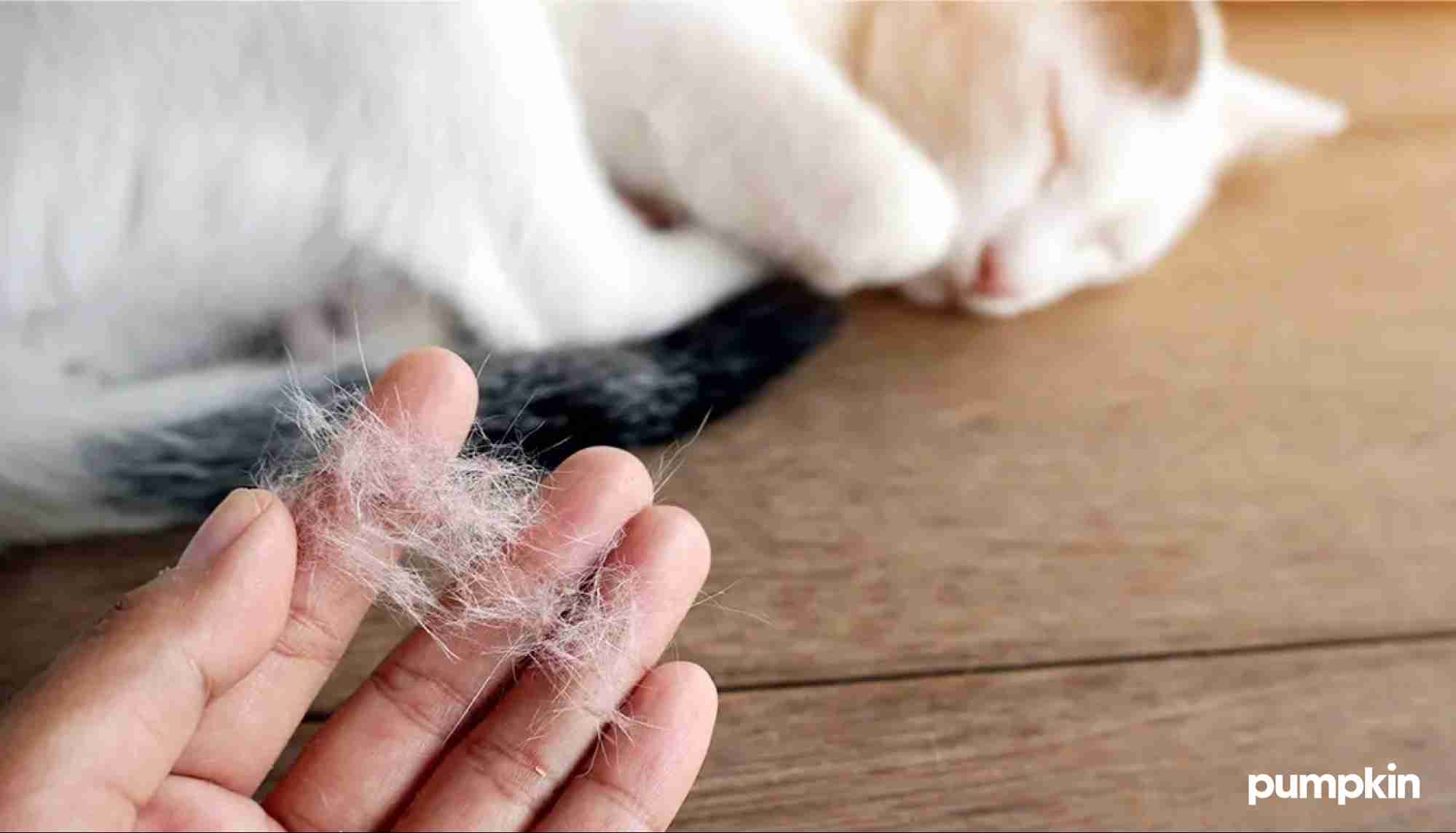
Credit: www.pumpkin.care
When Hair Grooming Becomes Excessive
Cats grooming your hair can be sweet and comforting. It shows affection and trust. But sometimes, this behavior can go too far. Excessive grooming may signal that your cat feels uneasy or stressed. It can even affect your cat’s health and mood. Understanding when hair grooming crosses the line helps protect your pet and your bond.
Signs Of Stress Or Anxiety
Excessive grooming often means your cat is anxious. Watch for these signs:
- Repeated licking or nibbling on your hair
- Overly focused grooming sessions
- Restlessness or pacing before grooming
- Changes in eating or sleeping habits
- Hiding or avoiding contact after grooming
Stress can come from changes in the home or loud noises. Grooming helps your cat calm down but too much is a red flag.
When To Consult A Veterinarian
If grooming becomes frequent and intense, seek professional advice. Your vet can:
- Check for skin problems or allergies
- Assess your cat’s overall health
- Recommend behavioral therapy or calming aids
- Suggest changes to reduce stress
Early veterinary care prevents serious problems. It also ensures your cat stays happy and healthy.
Frequently Asked Questions
Why Do Cats Groom Human Hair?
Cats groom human hair to show affection and bond with their owners. They also transfer their scent, marking you as part of their family.
Is Hair Grooming A Sign Of Cat Affection?
Yes, cats groom your hair as a sign of love and trust. It helps strengthen their emotional connection with you.
Can Cats Groom Hair Due To Stress?
Yes, some cats groom hair to self-soothe or relieve anxiety. It provides comfort and helps reduce their stress levels.
Does Grooming Hair Mimic Cat’s Natural Behavior?
Absolutely. Grooming hair mimics a cat’s natural grooming habits seen with other cats or themselves.
Conclusion
Cats groom your hair to show love and trust. They enjoy your scent and feel close to you. Grooming also helps them relax and bond. This simple act means they see you as family. Next time your cat licks your hair, remember it’s a sign of affection.
Enjoy these moments; they make your connection stronger. Cats express care in their own unique way. Understanding this helps you appreciate your pet more.



Leave a Reply