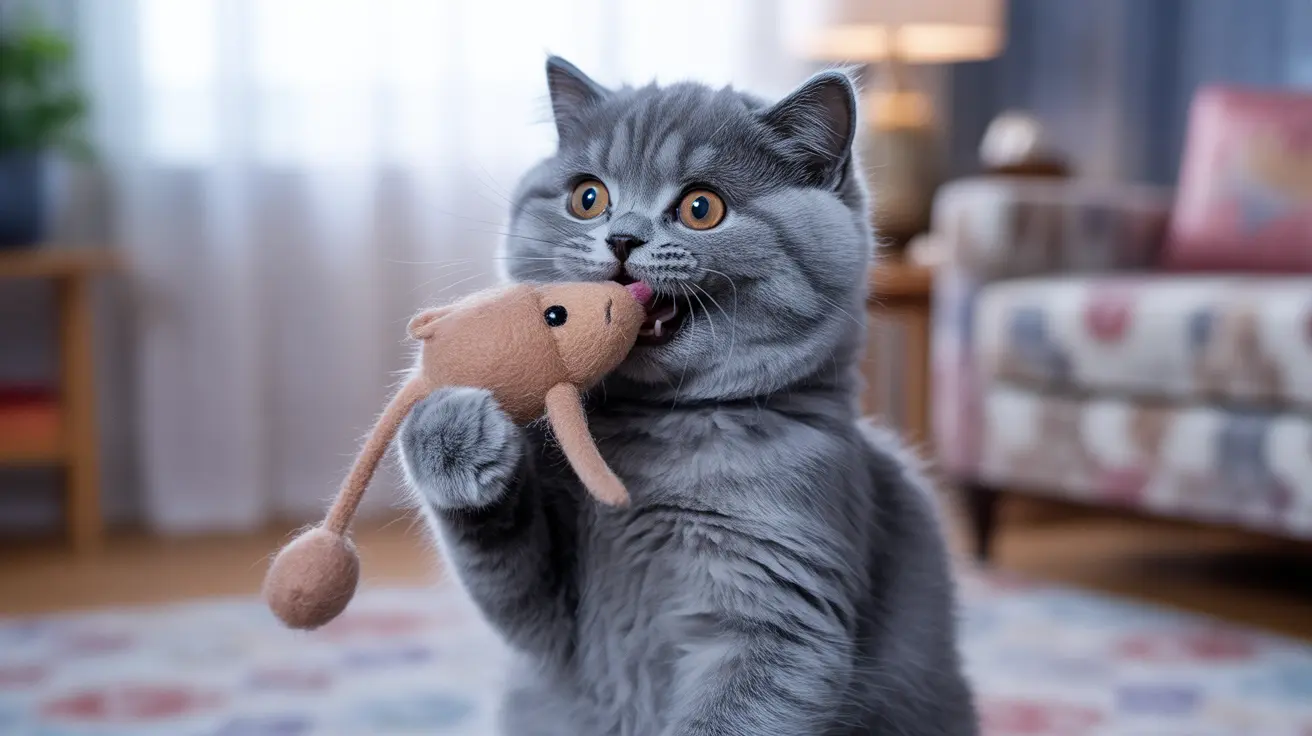
Have you ever heard your cat yelling at their toys and wondered why they do it? It might seem strange or even funny when your furry friend suddenly starts making loud noises at a simple plaything.
But there’s more to this behavior than just random meows. Understanding why your cat yells at their toys can help you connect better with them and make playtime more enjoyable for both of you. Keep reading to uncover the surprising reasons behind this curious behavior and learn how you can respond to your cat’s unique way of communicating.

Credit: www.kittyhelpdesk.com
Cats And Vocal Play
Cats use their voices in many surprising ways, especially during play. When your cat yells at their toys, they’re not just making noise—they’re communicating something important. Understanding how cats use vocal play helps you connect better with your furry friend and respond to their needs more effectively.
How Cats Use Yelling
Your cat’s yelling during play is often a form of communication and expression. It can signal excitement, frustration, or even a way to mimic hunting behavior. When I saw my cat loudly “yell” at her feather toy, it was clear she was fully engaged in the chase, almost like she was calling out to her prey.
Sometimes, the yelling helps your cat release built-up energy or stress. It also serves to grab your attention, especially if they want you to join their game or notice their hunting skills. Have you noticed if your cat’s yelling increases when they want you to play with them?
Types Of Cat Vocalizations
- Yowling:A loud, drawn-out yell often used to express frustration or excitement during play.
- Chirping and Chattering:Short bursts of sound, usually when a cat is intensely focused on their toy or potential prey.
- Meowing:Cats may meow differently at toys than at people, signaling different emotions or intentions.
- Growling or Hissing:Sometimes, cats vocalize aggressively during play to simulate hunting or to show dominance over their toy.
Recognizing these vocalizations can help you understand what your cat feels while playing. Next time your cat yells at their toy, listen carefully—what story are they trying to tell you?
Hunting Instincts And Toys
Cats have strong hunting instincts that guide their behavior. Toys often become the target of these instincts. They see toys as prey and act accordingly. This natural drive makes their playtime lively and vocal. Understanding this helps explain why cats sometimes yell at their toys.
Simulating Prey Behavior
Toys mimic the movements of small animals. Cats chase and pounce on them like real prey. This simulation triggers their hunting reflexes. It makes the play feel more exciting and real. Cats respond with sounds and actions they use in the wild. Yelling is part of this intense play act.
Yelling As A Hunting Signal
Cats use vocal sounds to communicate during hunts. Yelling can signal excitement or success. It may also intimidate prey or alert the cat’s owner. This vocalization is natural and linked to their wild ancestors. When cats yell at toys, they express their hunting emotions. It shows their deep connection to natural instincts.
Attention Seeking Behavior
Cats often yell at their toys not just out of playfulness but as a way to grab your attention. This attention-seeking behavior can tell you a lot about how your feline friend wants to interact with you. Understanding this can improve your bond and make playtime more rewarding for both of you.
Getting Your Focus
When your cat yells at a toy, it’s often trying to get your eyes on the action. Imagine your cat sees you distracted by your phone or busy with chores. The loud meow or yowl is their way of saying, “Hey, look at me!”
Have you noticed how your cat’s vocalizations increase when you’re not paying attention? They want to be part of the fun, and yelling is their tool to pull you in. This isn’t just random noise; it’s a deliberate call for connection.
Interaction Through Noise
Noise is a powerful way cats communicate. When they yell at their toys, it’s not just about the toy—it’s about engaging with you. They want you to respond, to join the play, or at least acknowledge their excitement.
Try responding to your cat’s vocalizations during playtime. Mimic their sounds, talk back, or move closer. This can encourage more interaction and make your cat feel understood and loved.
Have you ever tried turning your cat’s yelling into a two-way conversation? It can turn ordinary play into a special bonding moment.
Frustration And Excitement
Cats often yell at their toys because of mixed feelings of frustration and excitement. These emotions come from their natural hunting instincts and playful energy. The sounds help cats express what they feel inside during playtime.
Expressing Overstimulation
Sometimes, cats get overwhelmed by too much excitement. Their senses become very sharp, and they may yell to release tension. This yelling shows they are overstimulated but still engaged in the game. It is their way to communicate strong emotions without aggression.
Energy Release Through Yelling
Cats have lots of energy to burn, especially young ones. Yelling helps them release this energy quickly while they chase or pounce on toys. It acts like a pressure valve, letting out excitement and keeping them active. This vocalization keeps their play lively and fun.
Communication With Owners
Cats may yell at their toys as a way to express excitement or frustration. This behavior can mimic hunting instincts, showcasing their playful nature. Understanding these feline actions can enhance communication with owners, strengthening bonds.
Cats are fascinating creatures, often leaving us puzzled with their quirky behaviors. One such behavior is when they yell at their toys. This isn’t just random noise—it’s a form of communication aimed at you, their beloved owner. Understanding this communication can strengthen your bond with your feline friend and enhance your interactions.Inviting Playtime
When your cat yells at its toy, it might be extending an invitation for you to join in the fun. Cats, like humans, can get bored, and a yelling cat could be saying, “Hey, let’s play!” Have you ever noticed how your cat’s eyes light up when you pick up a toy and start playing? This is your cat’s way of engaging with you and turning a solo game into a shared experience. By responding to their vocal cues, you enrich their environment and fulfill their need for companionship.Expressing Needs And Feelings
Cats are expressive, and their vocalizations can convey a range of emotions. Yelling at a toy might express frustration, excitement, or even a request for attention. Perhaps your cat is feeling a bit neglected and uses this behavior to draw you in. Consider how you react when your cat makes these sounds. Are you attentive, or do you miss these cues? By tuning into these vocal expressions, you can better understand your cat’s emotional state, ensuring they feel heard and loved. Recognizing these behaviors as a form of communication offers you a chance to respond appropriately, enhancing the trust and connection you share with your pet.Health And Stress Factors
Cats use vocal sounds to communicate their feelings. Yelling at toys may show more than just play excitement. Health and stress often affect how cats behave during play. Understanding these factors helps to care for your cat better.
When Yelling Signals Discomfort
Sometimes, a cat’s loud meow at a toy is a sign of pain. Joint problems or dental issues can cause discomfort. The cat may react strongly during play because of physical pain.
Watch for other signs like limping or avoiding movement. These clues indicate the cat might be feeling unwell. A vet visit is important if yelling seems linked to pain.
Managing Stress-induced Vocalization
Stress can make cats yell at toys louder than usual. Changes in environment or routine often cause stress in cats. Toys might become outlets for their anxiety or frustration.
- Provide a quiet, safe space for your cat to relax.
- Keep play sessions calm and predictable.
- Use familiar toys to reduce anxiety.
- Spend quality time to build trust and comfort.
Reducing stress helps lower excessive yelling during play. A calm cat enjoys toys without loud vocal outbursts.
Encouraging Positive Play
Encouraging positive play helps your cat enjoy their toys safely. Playtime boosts their mood and keeps them healthy. Understanding how to guide play makes it more fun for both of you. It also helps reduce stress and unwanted behaviors.
Choosing The Right Toys
Select toys that match your cat’s hunting style and energy level. Soft, lightweight toys work well for gentle play. Toys with feathers or small bells attract their attention. Durable toys last longer and prevent choking hazards. Avoid small parts your cat can swallow. Rotate toys regularly to keep your cat interested.
Responding To Your Cat’s Yells
Yells often show excitement or frustration during play. Stay calm and watch their body language closely. Praise your cat when they play gently. Use a calm voice to redirect rough play to appropriate toys. Avoid punishing your cat, as it may increase stress. Offer breaks if your cat seems overwhelmed or tired.
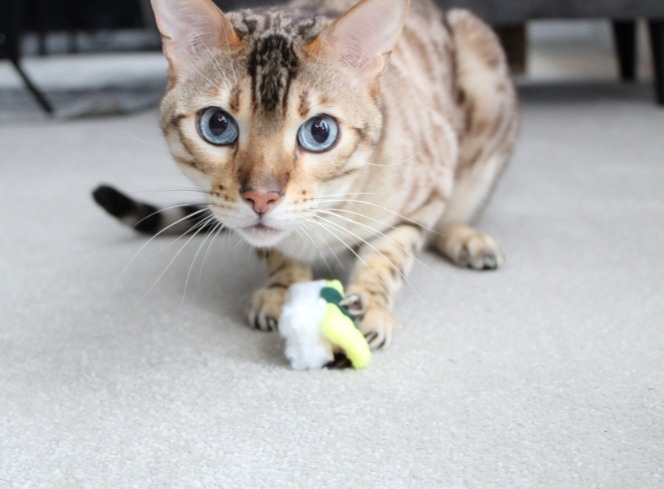
Credit: www.lordsandlabradors.co.uk

Credit: moderncat.com
Frequently Asked Questions
Why Do Cats Yell At Toys Sometimes?
Cats yell at toys to express excitement or frustration. It mimics their natural hunting behavior and shows engagement. Yelling can also be a way to communicate dominance or claim ownership over the toy.
Do Cats Yell At Toys Due To Boredom?
Yes, cats may yell at toys when bored. It helps them release pent-up energy and stimulates their mind. Providing interactive toys can reduce boredom and minimize yelling behavior.
Can Yelling At Toys Indicate Stress In Cats?
Sometimes, yelling at toys can signal stress or anxiety. Cats might vocalize to cope with discomfort or changes in their environment. Observing other behaviors helps determine if stress is the cause.
Is Yelling A Sign Of Play Aggression In Cats?
Yelling often accompanies play aggression, where cats mimic hunting instincts. They use vocal sounds to simulate catching prey. This behavior is normal but should be monitored to avoid real aggression.
Conclusion
Cats yell at their toys to show excitement and playfulness. This behavior helps them practice hunting skills and release energy. Yelling also grabs your attention, inviting you to join the fun. Understanding why cats act this way builds a stronger bond.
Enjoy watching your cat’s unique and lively play moments. Keep toys interesting to keep your cat happy and active. Playtime is a great way to keep your cat healthy and entertained.




Leave a Reply