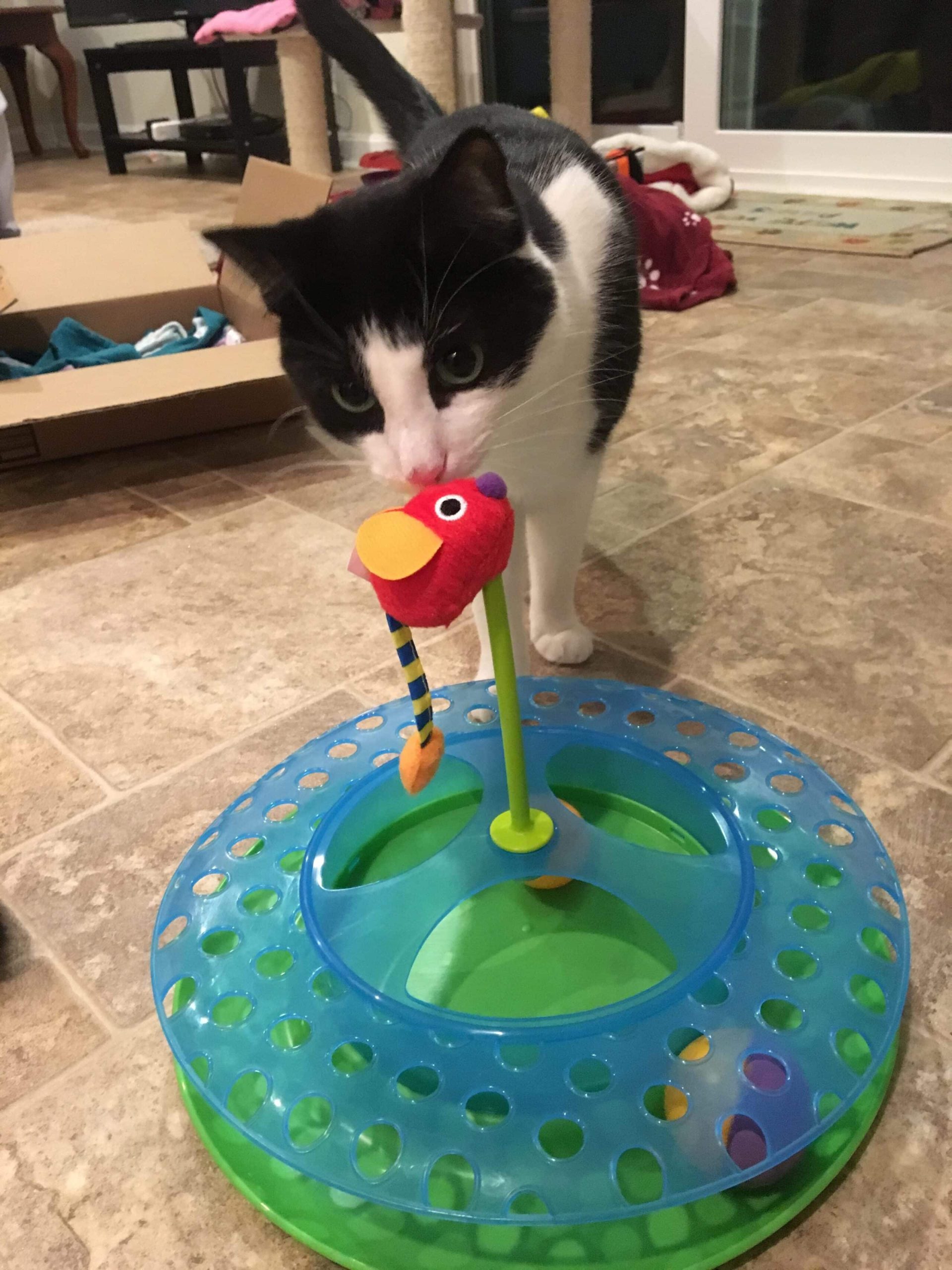
Do you want your cat to spend more time playing and less time ignoring their toys? You’re not alone.
Many cat owners struggle with getting their furry friends excited about toys. But what if you could easily attract your cat to their toys and watch them light up with joy? You’ll discover simple, proven tricks to make your cat fall in love with playtime.
Keep reading, and you’ll unlock the secret to turning any toy into your cat’s new favorite!

Credit: justcatsclinic.com
Choosing The Right Toys
Choosing the right toys is key to attracting cats and keeping them engaged. Cats have unique tastes and need toys that spark their natural instincts. Picking toys that match their play style makes all the difference. Focus on types, materials, size, and texture to find the best options.
Types Cats Love
Cats enjoy toys that mimic hunting. Toys that move or make noise catch their attention. Popular types include:
- Feather wands for chasing
- Laser pointers for quick movements
- Catnip-filled mice for scent stimulation
- Ball toys for batting and chasing
- Interactive puzzles for mental challenge
Variety helps keep cats interested. Rotate toys to avoid boredom.
Materials And Safety
Choose safe, non-toxic materials. Cats often chew and bite toys. Avoid small parts that can be swallowed. Look for durable fabrics like cotton or felt. Hard plastics should be smooth and sturdy. Natural materials like sisal are great for scratching toys. Regularly check toys for wear and tear to prevent accidents.
Size And Texture
Size matters for safety and play. Toys should be large enough to avoid swallowing risks. Small enough to carry and bat around. Texture adds to the fun. Soft toys are great for cuddling. Rougher textures help with scratching instincts. Mixing textures keeps cats curious and active.
Using Scents To Attract Cats
Using scents is a powerful way to lure your cat toward their toys. Cats rely heavily on their sense of smell, so adding appealing aromas can turn an ordinary toy into an irresistible plaything. You might be surprised how a simple scent tweak can make playtime much more exciting for your feline friend.
Catnip And Alternatives
Catnip is the classic choice for attracting cats to toys. Most cats react to catnip with playful excitement, rolling, and purring. However, not all cats respond to catnip—about 30% show little to no interest.
If your cat isn’t a fan, try alternatives like silvervine or valerian root. These plants offer similar stimulating effects and might be exactly what your cat prefers. You can sprinkle dried leaves on toys or buy pre-infused catnip toys to save time.
Essential Oils And Sprays
Some essential oils and sprays can attract cats, but you must choose carefully. Oils like lavender, chamomile, or cedarwood are generally safe in small amounts and can add a fresh scent to your cat’s playthings.
Never use toxic oils like tea tree or eucalyptus. Instead, opt for pet-safe sprays designed for cat toys. Lightly misting toys can renew your cat’s interest without overwhelming their sensitive noses.
Refreshing Toy Scents
Over time, toys lose their scent and your cat may lose interest. Refreshing toy scents regularly keeps playtime engaging. You can do this by rubbing a few drops of catnip oil or using a clean cloth with a mild, cat-safe scent on the toy.
Try rotating toys with different scents to see which your cat prefers. Have you noticed how your cat reacts differently to certain smells? Use that observation to keep their play area exciting and inviting.
Interactive Play Techniques
Interactive play is a fantastic way to keep your cat engaged and excited about their toys. It’s not just about giving them something to chase; it’s about creating moments where your cat’s natural instincts come alive. You’ll notice your cat becomes more alert, playful, and connected to you during these sessions.
Wand And Feather Toys
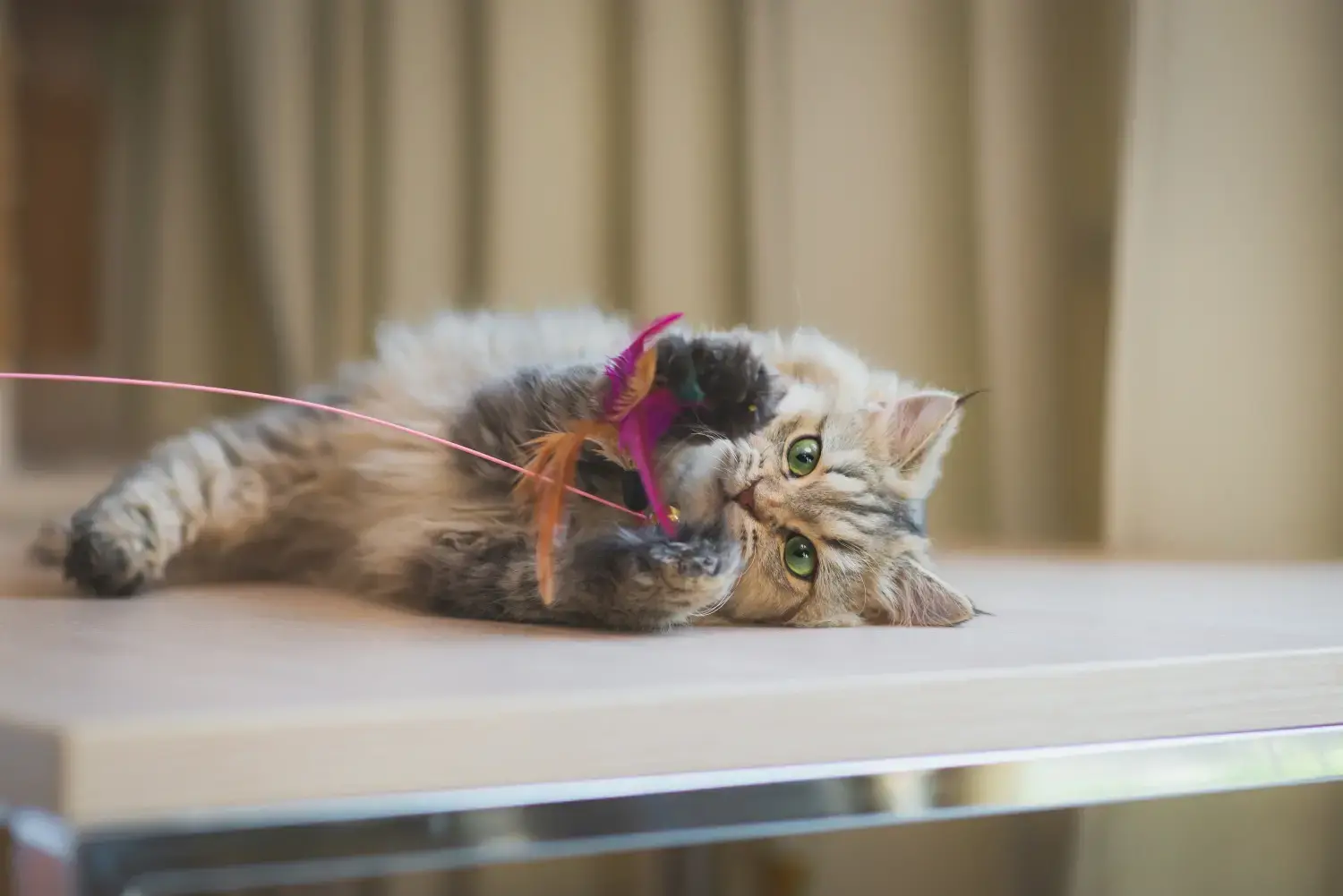
Wand toys with feathers are irresistible to many cats because they mimic the fluttering movements of birds. Move the wand in unpredictable patterns—zigzags, quick darts, or slow twitches—to capture your cat’s attention. You might be surprised how quickly your cat learns to anticipate and pounce on the feathers.
If your cat seems uninterested, try switching up the speed or height of the movements. Sometimes, a simple change in rhythm reignites their curiosity. Have you noticed your cat’s favorite way to chase? Adjust your play style to match it.
Laser Pointers
Laser pointers can turn any dull moment into a playful chase. The small, quick red dot triggers your cat’s hunting instincts, encouraging fast and agile movement. However, it’s important to end the game with a tangible toy so your cat doesn’t get frustrated by never catching the “prey.”
Try using the laser pointer in different rooms or corners to keep the game fresh. Watch for signs of overstimulation, like frantic chasing or biting; if that happens, slow down the pace. What new paths can you create with the laser to make your cat think and react?
Puzzle Toys
Puzzle toys challenge your cat’s mind and body by making them work for treats or rewards. These toys can be as simple as a ball with holes or a more complex feeder that releases food after solving a problem. Cats love the sense of achievement and the extra mental stimulation.
Start with easier puzzles and increase the difficulty as your cat gets better. Keep an eye on what type of puzzle your cat enjoys—some prefer pushing objects, others like pulling or batting. Could adding a puzzle toy to your cat’s routine reduce their boredom and promote healthy activity?
Creating An Engaging Play Environment
Creating an engaging play environment is key to catching your cat’s attention and keeping them entertained. Cats thrive in spaces that feel safe and stimulating. The right setup invites curiosity and encourages active play, which benefits their health and happiness.
Designated Play Areas
Set aside a specific spot in your home just for play. This helps your cat associate that area with fun and excitement.
Choose a quiet corner or a sunny spot where your cat feels comfortable. Keep toys, scratching posts, and cushions there to create a dedicated play zone.
Have you noticed how your cat returns to the same place when they want to play? That’s because familiar environments boost their confidence.
Incorporating Vertical Spaces
Cats love to climb and explore heights. Adding shelves, cat trees, or window perches gives them new perspectives and challenges.
Vertical spaces make playtime more dynamic and physically engaging. Try placing toys at different levels to encourage jumping and stretching.
Think about your cat’s natural instincts—how often do you see them stalking from above? Offering vertical options taps into those behaviors and keeps them interested.
Minimizing Distractions
Too much noise or activity can pull your cat’s attention away from toys. Keep the play area calm and free from loud sounds or busy foot traffic.
Turn off the TV, close doors to noisy rooms, and avoid sudden movements nearby. This helps your cat focus on play without stress.
Have you tried playing with your cat in a peaceful environment? You might see more enthusiasm and longer play sessions when distractions are minimized.
Encouraging Play With Treats
Treats can spark a cat’s interest in toys by linking playtime to tasty rewards. Hiding small treats inside toys encourages curiosity and active play. This simple trick makes toys more exciting and fun for cats.
Encouraging cats to play with toys can be challenging. One effective way is to use treats. Treats not only motivate cats but also make playtime more enjoyable. This approach combines the pleasure of eating with the fun of playing, creating a win-win situation for both you and your feline friend.Using Treats As Rewards
Use treats as rewards during play sessions. After your cat interacts with a toy, offer a treat. This positive reinforcement encourages your cat to keep playing. Over time, your cat will associate toys with treats. This association makes playtime more appealing.Hide-and-seek Treat Games
Hide treats around toys to spark curiosity. Your cat will sniff around, looking for the hidden treasures. This game stimulates their hunting instincts. It also keeps them engaged longer. Change hiding spots regularly to keep your cat interested.Timing Treat Distribution
Distribute treats at the right moments. Give a treat immediately after your cat plays with a toy. This timing strengthens the link between play and reward. Use small treats to avoid overfeeding. Keep play sessions short and fun. This keeps your cat eager for the next round.
Credit: www.amazon.com
Maintaining Toy Appeal
Keeping cat toys interesting is key to your cat’s playtime joy. Toys lose their charm if they get dirty or damaged. Cats also love variety and new smells. Simple care steps keep toys fresh and fun. This encourages your cat to stay active and engaged.
Regular Cleaning
Clean toys often to remove dirt and fur. Use mild soap and warm water for most toys. Avoid harsh chemicals that can harm your cat. Let toys dry completely before giving them back. Clean toys smell better and feel nicer to touch. This helps keep your cat interested.
Rotating Toys
Give your cat a few toys at a time. Store the rest out of sight. Switch toys every few days or weeks. This creates a sense of newness and surprise. Rotating toys stops boredom and keeps playtime exciting. Your cat will look forward to each play session.
Repairing Damaged Toys
Check toys for loose parts or tears. Small damages can be fixed quickly with glue or stitching. Remove any broken or unsafe pieces. Safe toys protect your cat from injury. Well-maintained toys last longer and stay fun. Repairing shows care and keeps your cat happy.
Credit: blog.homesalive.ca
Frequently Asked Questions
What Types Of Toys Do Cats Prefer Most?
Cats prefer toys that mimic prey, like feathers, laser pointers, and small balls. Interactive toys also engage their hunting instincts effectively.
How Can I Make Toys More Appealing To Cats?
Use catnip or silvervine on toys to attract cats. Move toys unpredictably to stimulate their natural curiosity and play drive.
Why Do Some Cats Ignore Toys Completely?
Cats may ignore toys if they feel stressed or bored. Trying different toy types and interactive play can help spark interest.
How Often Should I Introduce New Toys To My Cat?
Introduce new toys every few weeks to maintain your cat’s interest. Rotate toys regularly to keep playtime fresh and exciting.
Conclusion
Cats love toys that move, smell, or make noise. Choosing the right toy keeps your cat happy and active. Try different shapes and textures to see what excites them. Playtime strengthens your bond and helps your cat stay healthy. Keep toys clean and safe for long-lasting fun.
Watch your cat’s reactions to learn their preferences. Enjoy these moments together and make playtime a daily habit. Your cat will thank you with purrs and playful jumps. Simple steps can turn any toy into a favorite.




Leave a Reply