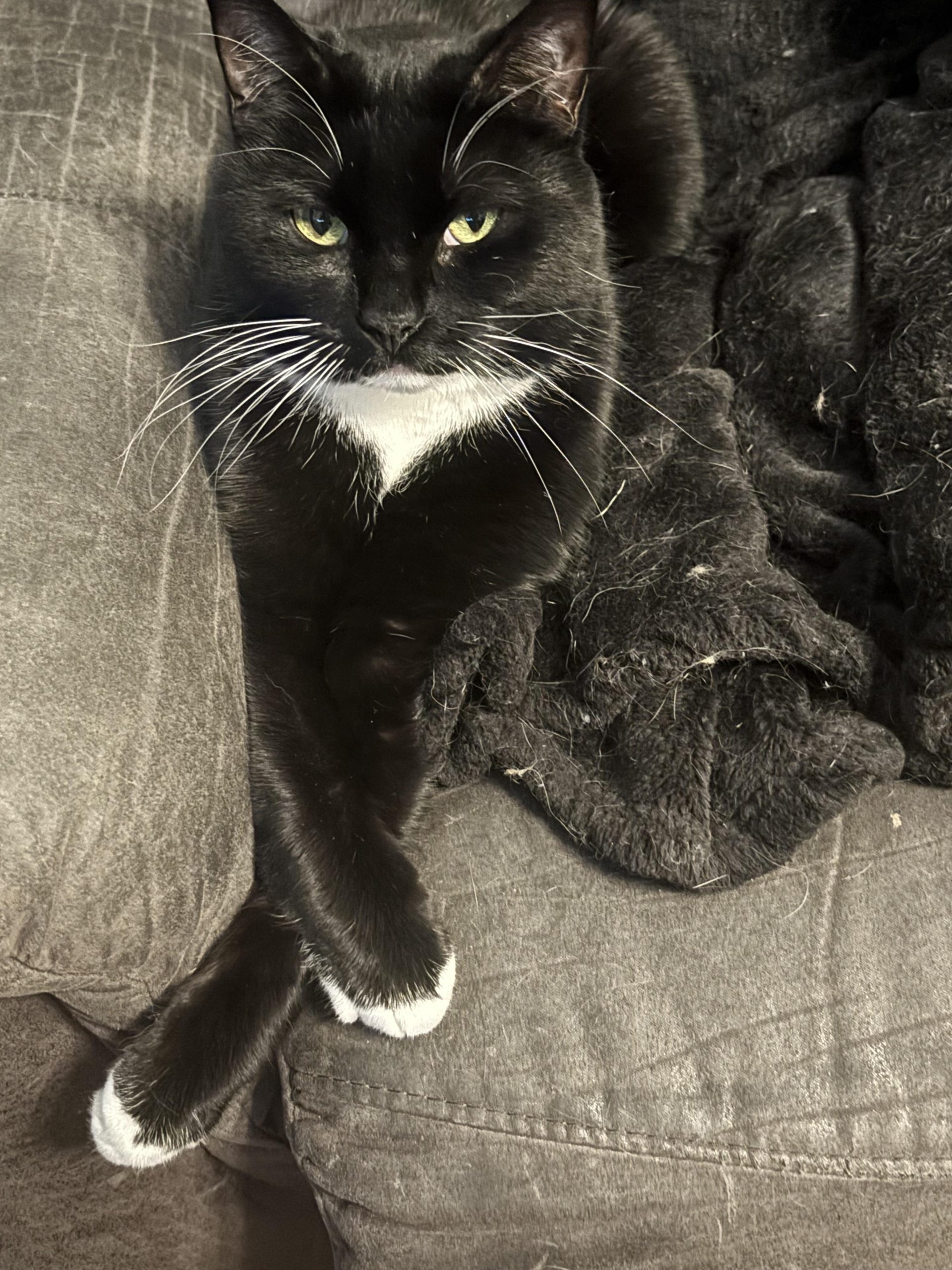
Have you ever noticed your cat start grooming herself right after you pet her? It might seem a bit puzzling at first.
You wonder, “Did I do something wrong? ” or “Is she upset with me? ” Understanding why your cat cleans herself after your touch can help you connect better with her feelings and behavior. You’ll discover the surprising reasons behind this common feline habit—and learn how it can actually bring you closer to your furry friend.
Keep reading to unlock the secret language of your cat’s grooming.

Credit: www.reddit.com
Cat Grooming Behavior
Cat grooming behavior is more than just a way for your feline friend to stay clean. It reflects deep-rooted instincts and a well-established routine that helps cats manage their health and emotions. Understanding why your cat grooms herself after you touch her can give you a better insight into her world.
Natural Instincts
Cats have evolved to keep themselves spotless in the wild, which helps them avoid predators and stay comfortable. Grooming removes dirt, loose fur, and even scents that might reveal their presence. When you touch your cat, she might instinctively clean herself to reset her natural scent or to feel secure again.
Have you noticed how your cat sometimes pauses after petting, then starts licking her fur? This is her way of maintaining control over her environment and herself. It’s a subtle but important behavior rooted in survival.
Self-cleaning Routine
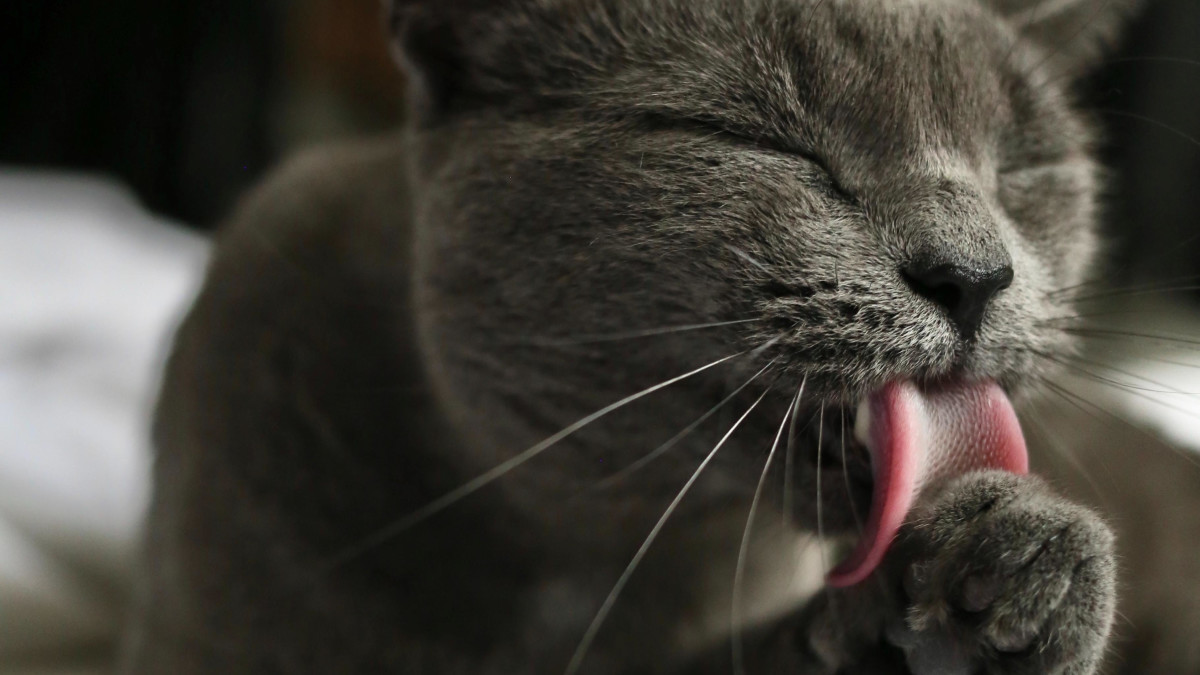
Grooming is also part of a daily self-care routine that cats rarely skip. They spend hours each day licking their fur to regulate body temperature and stimulate blood flow. After you touch her, your cat may feel the need to smooth out her fur and remove any unfamiliar smells.
Your cat’s grooming routine helps her stay relaxed and comfortable. If you watch closely, you’ll see she focuses on areas you’ve touched, almost as if she’s wiping away the evidence of contact. This is completely normal and shows how sensitive cats are to changes on their bodies.

Credit: medium.com
Scent Marking
Cats rely heavily on scent to communicate and feel secure in their environment. When your cat grooms herself after you touch her, she is often engaging in a behavior called scent marking. This action helps her maintain her personal scent or blend it with yours, creating a familiar and comforting mix.
Maintaining Personal Scent
Your cat’s scent is like her identity card. Grooming helps her refresh this personal scent by spreading natural oils and saliva across her fur. After you touch her, she might feel the need to re-establish her unique smell to stay comfortable and confident.
Think about it this way: if you suddenly smelled something unfamiliar on your clothes, wouldn’t you want to wash it off? Your cat does the same with her fur. This behavior helps her feel in control of her surroundings.
Mixing Your Scent
Sometimes, your cat isn’t just wiping away your scent but blending it with her own. When she grooms after contact, she’s mixing scents to strengthen the bond between you. This shared scent marks her territory and signals trust and affection.
Have you noticed your cat rubbing her head against you before grooming? That’s another way she’s mixing scents. It’s her way of saying, “You belong here with me.”
Stress And Comfort
When your cat starts grooming herself right after you touch her, it often links to her need for stress relief and comfort. Grooming acts as a way for cats to manage their feelings and regain a sense of calm. Understanding why your cat does this can help you respond better to her emotional needs.
Calming Mechanism
Grooming helps cats calm down by releasing endorphins, which are natural stress relievers. If your touch surprises or unsettles her, she might lick herself to soothe the sudden nervous energy. This behavior is similar to how some people might fidget or bite their nails when anxious.
Have you noticed your cat licking her paws after you pet her too hard or too long? This is her way of resetting her emotional state, helping her feel safe and relaxed again. You can use this insight to adjust how you interact with her, ensuring she stays comfortable.
Reaction To Overstimulation
Cats can easily become overstimulated, especially if touched in sensitive spots or for too long. Grooming right after contact might be a sign she’s feeling overwhelmed and needs a break. This behavior signals that your cat is asking for some space to decompress.
Recognizing these signs early can prevent unwanted scratching or biting. Try to watch her body language closely—tail flicks, ear twitches, or sudden grooming spells are clues. By respecting these signals, you help build trust and keep your pet happy.
Health Indicators
Cats grooming themselves after being touched can signal their health status. Grooming helps cats manage their skin and coat condition. It also protects them from discomfort caused by irritations or allergens. Paying attention to this behavior can reveal hidden health issues early.
Detecting Skin Irritations
Grooming often targets areas that feel uncomfortable. Cats may lick or scratch spots with redness or bumps. This can indicate skin irritations caused by insect bites or dry skin. Frequent grooming in one area might mean a problem under the fur. Watch for hair loss or scabs as signs of irritation.
Response To Allergens
Allergens on your skin or clothes can trigger your cat’s grooming. Dust, pollen, or perfumes may cause mild allergic reactions. Cats try to remove these irritants by licking themselves. This grooming helps soothe itchiness and clear away allergens. Observing this can help identify environmental triggers affecting your cat’s health.
Social Bonding
Cats are fascinating creatures with unique ways of expressing themselves. One intriguing behavior is grooming after being touched. This behavior isn’t just about cleanliness. It’s a way of strengthening social bonds with their humans. Understanding this can deepen the bond with your feline friend.
Showing Affection
Cats groom themselves as a sign of affection. After you touch your cat, it often mirrors the touch by grooming. This action shows it feels safe and loved. It’s a sweet gesture saying, “I care about you too.” Your touch is a form of communication, and grooming is a response.
Establishing Trust
Trust is essential in any relationship, including with pets. When a cat grooms itself after your touch, it signals trust. It’s comfortable and relaxed in your presence. This grooming act says, “I trust you enough to let my guard down.” Building trust with your cat leads to a stronger bond.

Credit: www.reddit.com
When To Worry
Noticing your cat grooming herself right after you touch her can be normal, but sometimes it signals a deeper issue. Understanding when this behavior shifts from typical to concerning is essential for your pet’s well-being. Paying attention to changes in grooming patterns helps you decide if it’s time to act.
Excessive Grooming Signs
Excessive grooming means your cat spends much more time licking or biting her fur than usual. You might see bald patches, redness, or sores on her skin. If she seems restless, keeps scratching, or grooms to the point of injury, these are clear warning signs.
Ask yourself: Has your cat’s grooming increased suddenly? Is she focusing on specific spots? Unusual intensity or frequency often points to discomfort or stress.
Seeking Veterinary Advice
If you spot these signs, don’t wait to consult your vet. They can check for allergies, skin infections, parasites, or anxiety issues behind the behavior. Early intervention can prevent more serious problems.
Remember, your vet’s expertise helps identify hidden causes you might miss. When your cat’s grooming feels more like self-soothing or self-harm, professional advice is the safest choice.
Frequently Asked Questions
Why Does My Cat Groom After I Pet Her?
Cats groom after being touched to clean their fur and remove scents. This helps them feel comfortable and reassures their scent territory. Grooming also reduces stress and signals contentment after petting.
Is Grooming A Sign Of Stress Or Comfort?
Grooming after petting usually shows comfort and relaxation. However, excessive grooming might indicate stress or anxiety. Observe your cat’s behavior to understand if grooming is healthy or a stress response.
Can Touching Cause My Cat To Feel Anxious?
Yes, some cats may feel anxious when touched unexpectedly. Grooming afterward helps them calm down and self-soothe. Gentle and slow petting reduces anxiety and promotes trust.
Does Grooming After Petting Strengthen The Cat-owner Bond?
Yes, grooming after petting indicates your cat feels safe and trusts you. It shows a strong bond and mutual affection between you and your cat.
Conclusion
Cats groom themselves after you touch them to feel clean and calm. This behavior helps them stay comfortable and reduce stress. It also shows they trust you but want to keep their scent. Understanding this habit can make your bond stronger.
Pay attention to your cat’s reactions and respect their space. This way, you keep your furry friend happy and healthy. Trust and care go a long way in any pet relationship. Keep enjoying those special moments with your cat.

Leave a Reply