
Have you noticed your cat suddenly avoiding their litter box? It can be frustrating and confusing when your furry friend starts making messes outside their usual spot.
You might wonder, “Why is this happening? ” Understanding the reasons behind this behavior is key to fixing the problem and keeping your home clean. You’ll discover the common causes that make cats stop using their litter box—and how you can help your cat feel comfortable and happy again.
Keep reading to find simple solutions that work for both you and your pet.
Credit: vetic.in
Common Causes
When your cat suddenly stops using their litter box, it’s frustrating and confusing. Understanding the common causes can help you find the right solution quickly. Let’s look at the main reasons why this behavior happens and what you can do about each.
Health Issues
Sometimes, a litter box refusal signals a health problem. Urinary tract infections, bladder stones, or kidney issues can make your cat associate pain with the litter box.
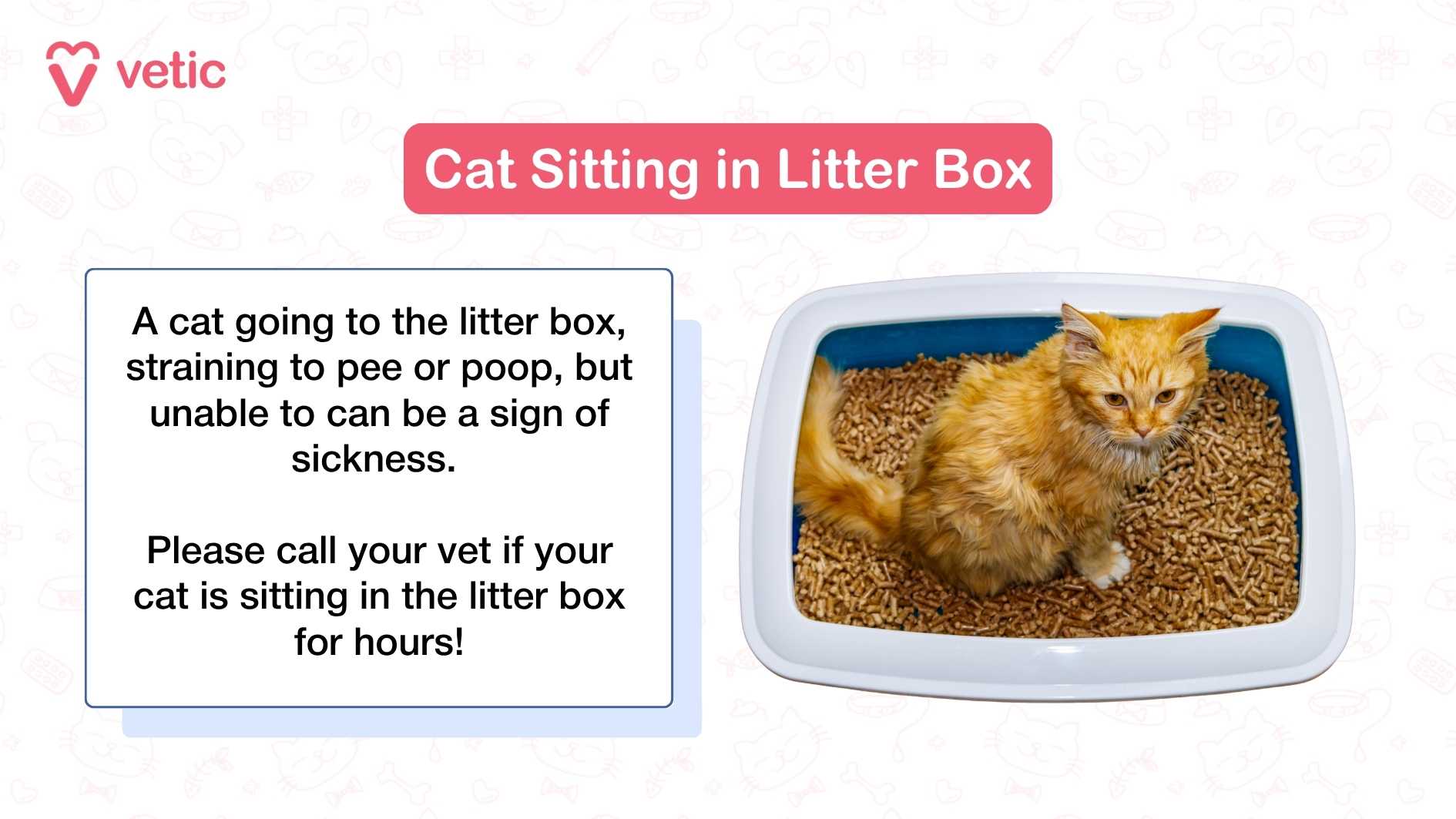
If your cat starts peeing outside the box, check for signs like frequent trips to the box or straining. A quick vet visit can rule out medical causes and save your cat from discomfort.
Litter Box Problems
Your cat might be avoiding the box because of something simple like cleanliness or location. Cats prefer a clean, quiet place without too much foot traffic.
Try scooping the box daily and changing the litter regularly. Also, consider the type of litter—some cats dislike scented or clumping varieties. Have you checked if the box is big enough or if the entry is easy for your cat?
Stress And Anxiety
Stress can trigger litter box avoidance. Changes in your household, loud noises, or new pets can unsettle your cat.
Notice if your cat’s accidents happen after stressful events. Giving your cat safe spaces and maintaining a calm environment can help reduce anxiety.
Changes In Environment
Moving to a new home or rearranging furniture might confuse your cat. They rely on routine and familiar surroundings.
When you move or change the litter box location, give your cat time to adjust. Keep the box in a consistent spot and avoid sudden changes to minimize disruption.
Credit: vetic.in
Health-related Factors
When your cat suddenly stops using the litter box, health problems often play a big role. Cats can’t tell you when something hurts or feels off, so their behavior changes become important clues. Understanding the health-related reasons behind this can help you respond quickly and keep your feline friend comfortable.
Urinary Tract Infections
Urinary tract infections (UTIs) are a common reason cats avoid their litter box. The infection causes pain and burning during urination, making your cat associate the litter box with discomfort.
You might notice your cat going to the box frequently but producing little urine. Sometimes, they urinate outside the box to avoid the pain. If you see blood in the urine or your cat seems restless, a vet visit is urgent.
Digestive Disorders
Digestive problems like constipation or diarrhea can also make litter box use stressful. If your cat experiences sudden digestive issues, it may avoid the box out of fear or discomfort.
Changes in diet, allergies, or stress can trigger these problems. Watch for signs like straining, unusual stool, or frequent trips outside the box. Helping your cat get back to normal digestion often restores their litter box habits.
Pain And Mobility Issues
Older cats or those with injuries might find it physically hard to access or use the litter box. Arthritis or joint pain can make jumping into a high-sided box painful.
You might notice your cat hesitating or choosing softer surfaces over the box. Lowering the sides or switching to an accessible box can make a big difference. Have you checked if your cat’s mobility could be affecting their litter habits?
Litter Box Concerns
Have you ever wondered why your cat might suddenly abandon its litter box? This puzzling behavior can often be traced back to issues surrounding the litter box itself. Addressing these concerns can lead to a happier cat and a cleaner home. Let’s dive into some common litter box concerns that might be causing your feline friend to go rogue.
Dirty Litter Boxes
Cats are known for their cleanliness. If their litter box isn’t up to their standards, they might decide it’s unusable. Ensure you’re scooping the box daily and fully cleaning it at least once a week.
Your cat’s sense of smell is much stronger than yours. What might seem like a slight odor to you can be overwhelming to them. Regular maintenance is key to keeping your cat content.
Type Of Litter Used
Have you recently switched brands or types of litter? Cats can be surprisingly picky about their litter. They may dislike the texture, scent, or even the dust it creates.
Stick to unscented, clumping litter that mimics the feel of natural dirt. If you’re considering a change, mix the new and old litter gradually to ease the transition.
Box Size And Location
Is the litter box too small for your cat? A cramped box can be uncomfortable, especially for larger breeds. Make sure there’s enough room for them to move around and dig without feeling restricted.
Location matters too. Place the box in a quiet, low-traffic area where your cat can feel safe. Avoid placing it near loud appliances or in busy areas of your home.
Think about your cat’s perspective. Would you want to use a bathroom that feels noisy or unsafe?
By addressing these litter box concerns, you can help ensure your cat feels comfortable and confident using their designated spot. A happy cat is a clean cat, after all!
Emotional And Behavioral Triggers
Understanding why your cat suddenly stops using the litter box often means looking beyond physical health. Emotional and behavioral triggers play a huge role in this change. Cats are sensitive creatures, and their bathroom habits can shift dramatically due to feelings or changes in their environment.
Stressful Events
Have you noticed your cat avoiding the litter box after a move or a new family member arrives? Stressful events like these can make your cat anxious and lead to litter box refusal. Even small changes like new furniture or loud noises might upset your cat.
To help your cat, try to keep their routine stable. Provide a quiet, safe place where they can retreat. Adding calming pheromone diffusers or spending extra time playing might reduce their stress and encourage proper litter box use.
Territorial Marking
Cats use urine to mark their territory, especially when they feel their space is threatened. If your cat starts peeing outside the box, it might be a way to claim ownership or respond to another cat’s presence.
Have you checked for neighborhood cats lurking nearby? Even a cat seen through a window can trigger this behavior. Try adding more litter boxes and cleaning marked areas thoroughly to discourage repeat marking.
Social Dynamics With Other Pets
Introducing a new pet or changes in the household’s animal social structure can confuse your cat. Competition or fear of another pet might cause your cat to avoid the litter box.
Observe how your pets interact—are they tense or aggressive? Giving each pet their own space and separate litter boxes can reduce conflicts. Sometimes, slow and supervised introductions help your cat regain confidence and normal bathroom habits.
Environmental Changes
Environmental changes can deeply unsettle your cat and lead to sudden litter box avoidance. Cats thrive on stability, so any shift in their surroundings can trigger stress and confusion. Understanding these environmental factors helps you address the root cause and restore your cat’s comfort.
New Home Or Remodel
Moving to a new home or undergoing a remodel can confuse your cat. The unfamiliar smells and altered spaces make them feel insecure.
I once moved to a new apartment, and my cat stopped using the litter box for days. Giving her extra time and placing familiar items near the box helped her adjust faster.
Have you noticed your cat avoiding the box after a big change at home? Try keeping the litter area consistent in location and scent during transitions.
New Pets Or Family Members
Introducing a new pet or family member can disrupt your cat’s sense of safety. They may feel threatened or less dominant, leading to litter box issues.
When I adopted a second cat, the older one started avoiding the box. Creating separate litter stations for each cat eased the tension and restored good habits.
If your cat is acting out after someone new arrives, consider giving them their own quiet space and litter box to reduce stress.
Changes In Routine
Sudden changes in daily routine can confuse your cat. Even small shifts, like altered feeding times or your work schedule, might impact their litter box behavior.
When my schedule changed, my cat seemed unsettled and stopped using the box properly. Returning to a predictable routine helped her feel secure again.
Are you juggling a new routine? Maintaining consistent feeding and playtimes can reassure your cat and encourage proper litter use.
Solutions And Tips
When your cat stops using the litter box, it can feel frustrating and confusing. Luckily, there are practical solutions that can help you address this behavior and encourage your feline friend to get back on track. Let’s look at some effective tips that focus on health, environment, and habits.
Veterinary Care
First, rule out any medical issues. Cats often avoid the litter box if they experience pain or discomfort, such as urinary tract infections or arthritis.
A quick visit to the vet can uncover hidden problems. Early detection of health issues not only helps your cat feel better but can also prevent long-term complications.
Improving Litter Box Setup
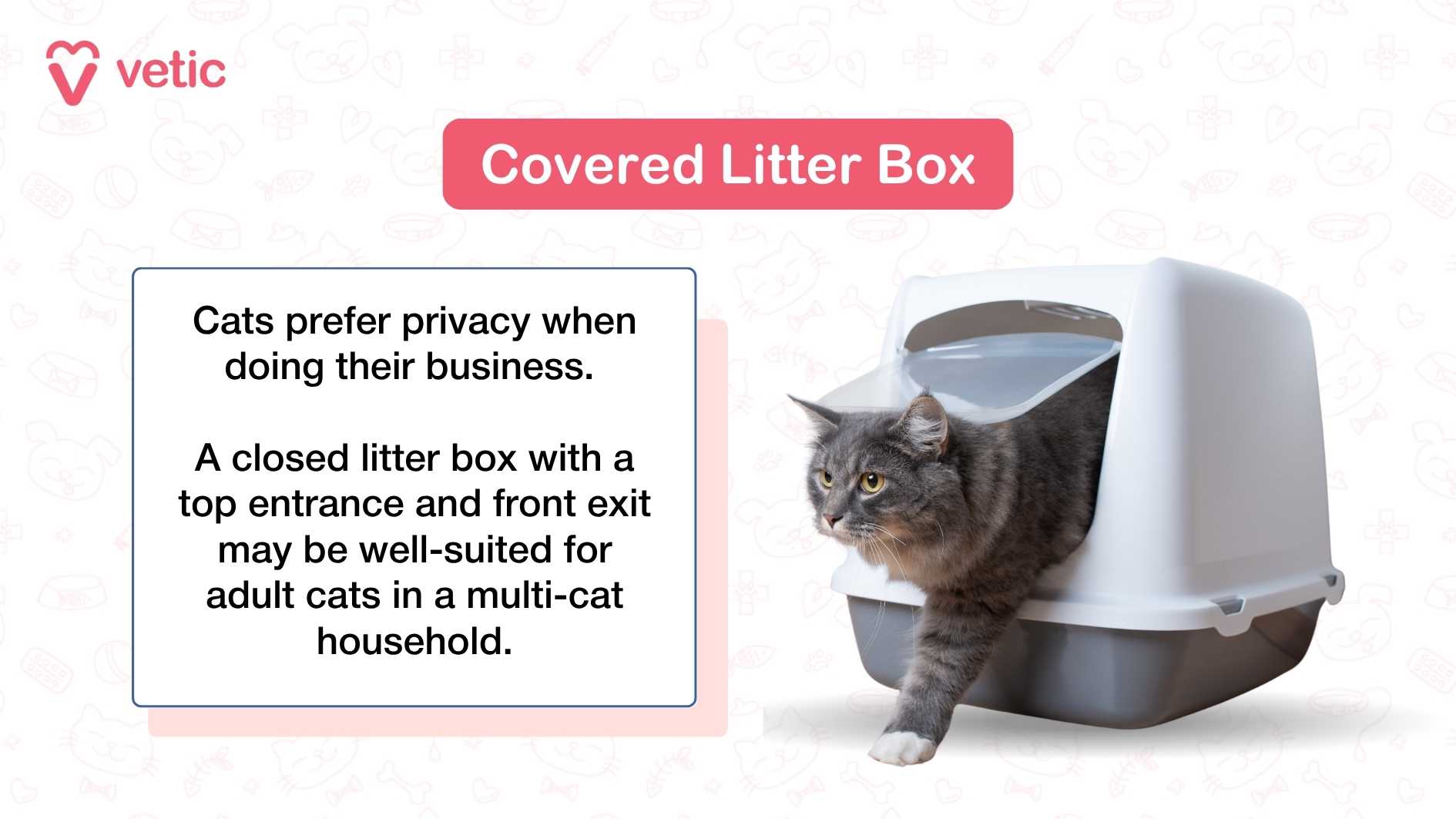
Think about your cat’s preferences. Some cats dislike covered boxes or certain types of litter.
- Try different litter textures like clumping, non-clumping, or natural materials.
- Place the box in a quiet, low-traffic area away from food and water bowls.
- Ensure the litter box is cleaned daily to keep it fresh and inviting.
Have you noticed your cat avoiding a specific box or location? Changing the setup might make a big difference.
Reducing Stress
Stress can cause sudden changes in behavior, including litter box avoidance. Cats are sensitive to changes in their environment, such as new pets, guests, or moving furniture.
Help your cat feel safe by maintaining a consistent daily routine. Consider adding calming products like pheromone diffusers or providing quiet hiding spots.
Re-establishing Good Habits
If your cat has developed bad habits, patience and positive reinforcement are key. Gently guide your cat back to the litter box by rewarding them with treats and praise when they use it correctly.
Clean any soiled areas thoroughly with enzymatic cleaners to remove odors that might attract repeat accidents. You might also try temporarily restricting your cat’s access to problematic areas until habits improve.
Credit: vetic.in
Frequently Asked Questions
Why Do Cats Suddenly Stop Using The Litter Box?
Cats may stop using the litter box due to stress, illness, or changes in their environment. Medical issues like urinary tract infections can cause avoidance. Behavioral problems or a dirty litter box can also lead to this change. Identifying the cause is key to resolving the issue.
How Can I Prevent My Cat From Avoiding The Litter Box?
Keep the litter box clean and in a quiet, accessible place. Use unscented, clumping litter and scoop daily. Provide multiple boxes if you have several cats. Regular vet check-ups help catch health problems early. Reducing stress and maintaining routine also supports good litter habits.
Can Stress Cause Cats To Stop Using Their Litter Box?
Yes, stress from new pets, moving, or loud noises can cause litter box avoidance. Cats are sensitive to changes in their environment. Reducing stressors and providing safe, quiet spaces can encourage litter box use. Behavioral support may be necessary for persistent issues.
What Medical Problems Make Cats Avoid The Litter Box?
Urinary tract infections, bladder stones, arthritis, and kidney disease can cause litter box avoidance. Pain or discomfort during urination leads cats to associate the box with pain. Prompt veterinary diagnosis and treatment are essential to resolve medical causes.
Conclusion
Cats stop using their litter box for many reasons. Stress, health problems, or a dirty box can cause this behavior. Watch your cat closely to spot any changes. Keep the litter box clean and in a quiet place. Visit a vet if your cat seems sick or acts strange.
Patience and care help your cat feel safe again. Understanding your cat’s needs improves your bond. Small changes can make a big difference. Don’t give up—your cat can return to good habits.



Leave a Reply