
Have you ever found a puddle of cat pee somewhere unexpected and wondered, “Why did my cat pee outside the litter box?” It’s frustrating, confusing, and sometimes even upsetting.
You might feel like you’re doing everything right, but your cat still refuses to use their litter box. The truth is, there are many reasons behind this behavior, and understanding them can help you solve the problem quickly. Keep reading, because uncovering the real cause will not only save your home from unwanted messes but also bring peace back to you and your furry friend.
Common Reasons Cats Avoid Litter Boxes
Understanding why your cat is avoiding the litter box can be frustrating. Cats are creatures of habit, so when they suddenly change their bathroom behavior, it often signals a problem you can fix. Let’s look at some common reasons why your cat might be peeing outside the litter box and how you can address them.
Medical Issues
Health problems are a top reason cats avoid their litter boxes. Urinary tract infections, bladder stones, or kidney issues can cause pain or urgency, making your cat associate the box with discomfort.
If your cat suddenly starts peeing outside, schedule a vet visit. Catching medical issues early can save your pet from prolonged discomfort and prevent accidents.
Stress And Anxiety
Cats are sensitive to changes in their environment. Moving to a new home, adding a pet, or even loud noises can stress them out and cause litter box avoidance.
Think about recent changes in your home. Could your cat be reacting to something stressful? Providing a calm, safe space can help your cat feel secure again.
Litter Box Cleanliness
Would you want to use a dirty bathroom? Neither does your cat. Cats are very particular about cleanliness and may refuse a litter box that isn’t scooped daily.
Make it a habit to clean the box frequently. Sometimes, adding an extra litter box around the house can also make a big difference.
Territorial Marking
Unneutered male cats often mark their territory by spraying urine. This behavior can extend to other cats or pets in the home, causing litter box avoidance.
Neutering your cat can reduce this urge. Also, cleaning marked spots thoroughly with enzyme cleaners prevents your cat from returning there.
Litter Type Preferences
Not all litters are created equal. Your cat might dislike the texture or smell of the current litter, leading to avoidance.
Try different types of litter, such as clumping, non-clumping, scented, or unscented. Watch how your cat reacts to find their favorite.
Location Of The Litter Box
Where you place the litter box matters. If it’s in a noisy, busy, or hard-to-reach spot, your cat might avoid it.
Choose a quiet, private area with easy access. Avoid placing the box near food or water bowls to encourage use.
Health Problems To Rule Out
When your cat suddenly starts peeing outside the litter box, it’s crucial to consider if health problems are causing this change. Cats often hide their pain, so unusual behavior like this can be a silent call for help. Before blaming bad habits or laziness, check if your cat is suffering from any medical issues that require attention.
Urinary Tract Infections
Urinary tract infections (UTIs) are a common reason cats avoid the litter box. The pain and burning sensation during urination make your cat associate the litter box with discomfort. You might notice frequent trips to the box with little urine produced or even blood in the urine.
Have you ever seen your cat meow or strain while peeing? These signs could indicate a UTI. A quick vet visit can confirm the infection and provide treatment that brings relief fast.
Bladder Stones
Bladder stones can irritate your cat’s bladder lining, causing pain and inflammation. This discomfort often leads to urinating outside the litter box as your cat tries to avoid the pain. You might also spot signs like licking the genital area excessively or signs of distress when trying to urinate.
Bladder stones can block urine flow, which is a serious emergency. If your cat suddenly stops peeing or seems very uncomfortable, seek veterinary care immediately.
Kidney Disease
Kidney disease affects how your cat processes fluids, often causing increased thirst and urination. This can lead to accidents outside the litter box, especially if your cat can’t make it in time or the box isn’t clean enough. You might notice your cat drinking more water or losing weight without any clear reason.
Does your cat seem more tired or less interested in food? These subtle signs alongside litter box issues could signal kidney problems that need veterinary evaluation.
Diabetes
Diabetes in cats causes excessive thirst and frequent urination, which can overwhelm your cat’s ability to use the litter box properly. This might result in peeing in unusual places around your home. Weight loss and increased appetite despite frequent urination are red flags to watch for.
Could your cat’s sudden litter box avoidance be linked to diabetes? Getting a simple blood test can confirm this and allow you to manage your cat’s health better.
Behavioral Causes
Stress or anxiety often causes cats to avoid their litter box. Changes at home or conflicts with other pets can trigger this behavior. Cats may also mark territory due to feeling insecure or threatened.
Behavioral Causes Cats are complex creatures with unique behaviors. Sometimes, they may pee outside the litter box due to behavioral issues. Understanding these causes can help address and prevent future incidents.Changes In Environment
Cats are sensitive to their surroundings. A new home, furniture, or even a change in routine can unsettle them. Stress from these changes often leads to inappropriate urination. Ensure your cat feels secure and comfortable in its environment.Conflict With Other Pets
Tension between pets can cause stress. Cats may mark territory by peeing outside the box. Observe interactions among your pets for signs of conflict. Provide separate spaces to help ease tensions.Inadequate Litter Box Setup
The litter box setup can deter a cat from using it. Ensure the box is clean and accessible. The size and type of litter also matter. Experiment with different options to find what your cat prefers.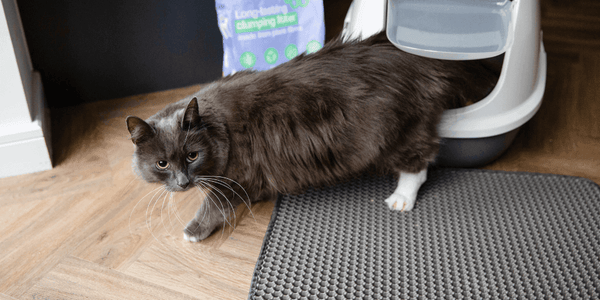
Credit: www.tippaws.com
Effective Solutions To Stop Outside Peeing
Stopping your cat from peeing outside the litter box needs simple, clear actions. These solutions focus on making the litter box more inviting and removing smells that cause repeat accidents. Follow these easy steps to keep your home fresh and your cat happy.
Regular Cleaning Routines
Clean the litter box every day. Remove waste to keep it fresh. Wash the box with mild soap weekly. Avoid strong-smelling cleaners that can scare cats. A clean box encourages your cat to use it every time.
Choosing The Right Litter
Pick a litter your cat likes. Some cats prefer fine, clumping litter. Others like unscented or natural options. Test small amounts to find the best choice. A comfy litter makes your cat feel safe and clean.
Adjusting Litter Box Placement
Place the box in a quiet, low-traffic spot. Avoid noisy or busy areas. Keep it away from food and water bowls. Cats want privacy when they go. A good spot helps your cat feel secure.
Using Enzymatic Cleaners
Use enzymatic cleaners on spots outside the box. These cleaners break down urine smells completely. Regular cleaners may not remove all odors. Removing smells stops your cat from peeing there again.
Providing Multiple Litter Boxes
Offer more than one litter box in your home. Place boxes in different rooms or floors. This helps if you have multiple cats or a large home. More boxes mean easier access and fewer accidents.
When To Seek Veterinary Help
Noticing your cat peeing outside the litter box can be frustrating and confusing. Sometimes, this behavior points to a simple issue you can fix at home. Other times, it signals a deeper problem that needs professional attention. Knowing when to seek veterinary help can save your cat from discomfort and prevent further issues.
Persistent Problems
If your cat continues to urinate outside the litter box despite cleaning and trying different litter types, it’s time to get a vet involved. Persistent accidents can mean underlying health issues like urinary tract infections or kidney problems. Don’t wait for the problem to escalate—early vet visits often lead to quicker, easier treatments.
Signs Of Pain Or Discomfort
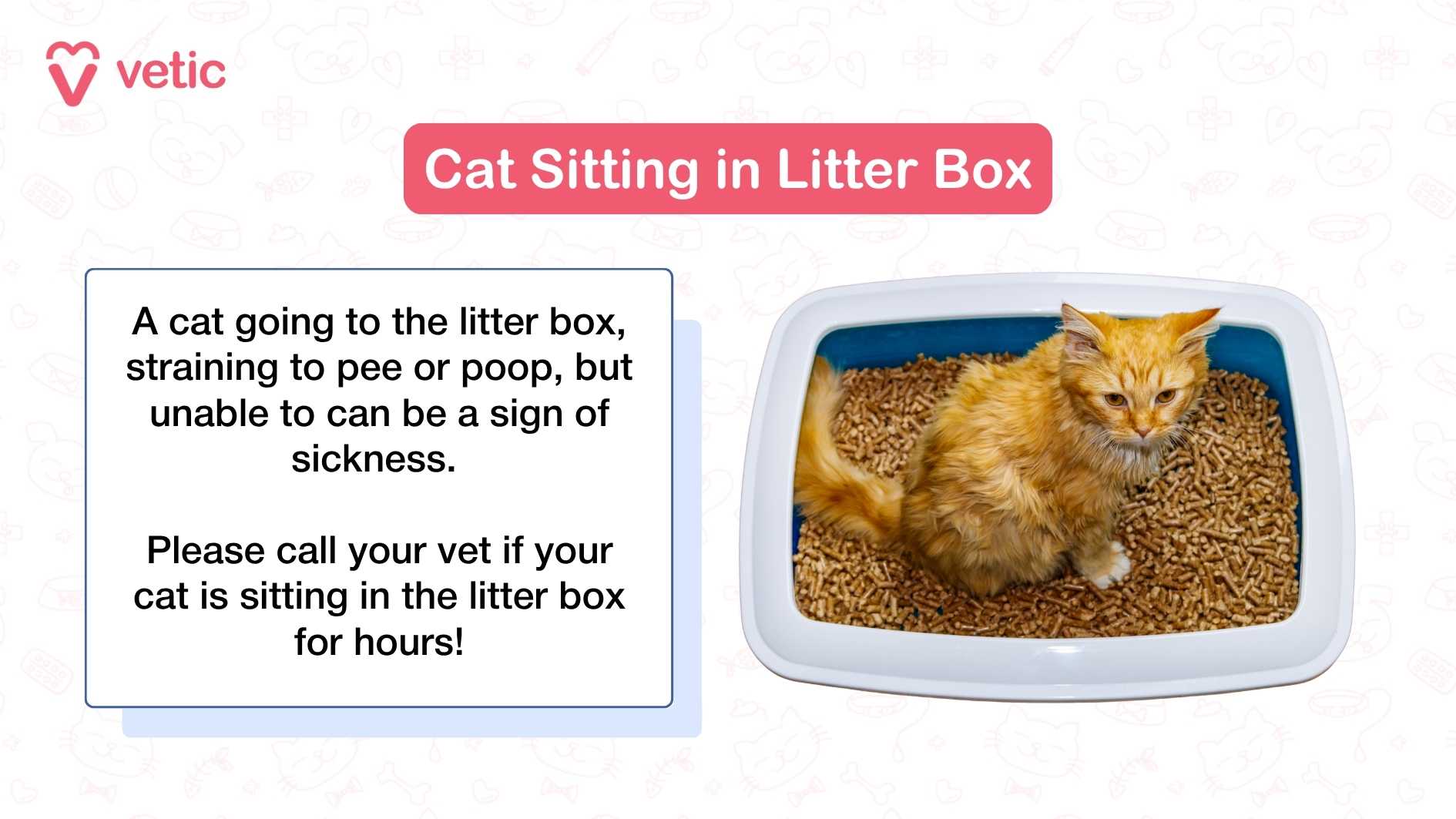
Watch closely for signs that your cat is in pain when urinating. This includes crying out, straining, or frequent trips to the box with little output. If your cat seems uncomfortable or changes its posture while urinating, these are clear signals that something isn’t right. Painful urination often indicates infections or bladder stones that need immediate veterinary care.
Behavioral Changes
Has your cat become unusually aggressive, withdrawn, or restless along with the litter box issues? Behavioral shifts can be linked to medical problems or stress that a vet can help identify. Sometimes, anxiety or illness affects your cat’s bathroom habits. Addressing these changes early with a vet’s guidance can improve your cat’s health and your home’s harmony.
Credit: vetic.in
Preventive Measures For Future Issues
Preventing your cat from peeing outside the litter box is all about staying ahead of potential problems. Taking simple, consistent steps can save you from frustration and keep your home smelling fresh. Let’s look at key ways you can protect your space and keep your cat happy.
Routine Vet Checkups
Regular vet visits can catch health issues before they cause litter box problems. Cats often hide pain or discomfort, but your vet can spot signs of urinary tract infections or kidney problems early.
Think about your own health—would you skip a checkup if you felt a little off? Your cat needs that same attention. Scheduling vet appointments every 6 to 12 months helps ensure your cat stays healthy and comfortable.
Stress Reduction Techniques
Stress plays a big role in why cats avoid their litter boxes. Changes in the household, new pets, or even loud noises can make your cat anxious and lead to accidents.
Try creating a calm space just for your cat. Use calming sprays, provide hiding spots, or play soothing music. Have you noticed your cat’s behavior change after a move or new addition to the family? Addressing stress early can keep your cat relaxed and confident about using the litter box.
Consistent Litter Box Maintenance
Keeping the litter box clean is one of the simplest ways to prevent problems. Cats are very particular about cleanliness and may refuse to use a dirty box.
Clean the box daily, scoop out clumps, and wash the whole box weekly with mild soap. Also, consider the number of boxes you have—one box per cat plus an extra is a good rule. Would you want to use a restroom that’s messy? Your cat feels the same way.

Credit: www.reddit.com
Frequently Asked Questions
Why Does My Cat Avoid The Litter Box Suddenly?
Cats often avoid the litter box due to stress, illness, or dirty litter. Changes in environment or health issues can cause this behavior. Regular cleaning and vet checkups help identify and fix the problem quickly.
How Can I Stop My Cat From Peeing Outside?
Clean the litter box daily and place it in a quiet, accessible spot. Use unscented litter and provide multiple boxes if you have many cats. Address any health problems and reduce stress to prevent accidents.
Could Health Issues Cause Litter Box Problems?
Yes, urinary tract infections, bladder stones, or kidney issues cause litter box avoidance. A vet visit is crucial to diagnose and treat these problems early, ensuring your cat’s comfort and health.
How Does Litter Box Cleanliness Affect My Cat?
Cats prefer clean litter boxes. Dirty boxes can cause stress and avoidance. Scoop daily and change litter regularly to maintain hygiene and encourage proper litter box use.
Conclusion
Cats may pee outside the litter box for many reasons. Stress, health issues, or a dirty box can cause this behavior. Watch your cat closely and keep the box clean. Visit a vet to rule out medical problems. Be patient and gentle while helping your cat.
Small changes can make a big difference. Understanding your cat’s needs helps prevent accidents. Your cat will feel happier and more comfortable soon.



Leave a Reply