
Have you ever come home to find that your cat isn’t using the litter box anymore? It’s frustrating and confusing, especially when you don’t know why it’s happening.
You might wonder if it’s a health problem, a behavior issue, or something you did wrong. Understanding why your cat stops using the litter box is key to fixing the problem quickly and keeping your home clean. You’ll discover the most common reasons behind this change and what you can do to help your furry friend get back on track.
Keep reading—you don’t want to miss these simple solutions that could save your sanity and your carpet!
Credit: vetic.in
Common Health Issues
When your cat suddenly stops using the litter box, health problems could be the hidden cause. Cats often try to hide discomfort, so changes in bathroom habits might be the first sign of illness. Knowing the common health issues can help you act quickly and get your furry friend the care they need.
Urinary Tract Infections
Urinary tract infections (UTIs) are painful and can make your cat avoid the litter box. Your cat might strain to urinate or produce only small amounts. You may notice blood in the urine or hear frequent attempts to urinate.
If your cat is suddenly urinating outside the box, consider a UTI as a possibility. Quick veterinary attention can relieve pain and prevent serious complications.
Kidney Disease
Kidney disease is common in older cats and affects their ability to regulate waste. This can cause increased thirst and urination, sometimes leading to accidents outside the litter box.
Your cat might also seem tired or lose weight. Watching for these signs can help you catch kidney problems early and improve your cat’s quality of life.
Diabetes
Diabetes can cause frequent urination, which may overwhelm your cat’s usual litter box routine. Excessive thirst and weight loss are other warning signs you might notice.
If your cat can’t keep up with its bathroom needs, it’s time to check for diabetes. Managing this condition can help restore normal litter box habits.
Arthritis And Mobility Problems
Arthritis can make entering and exiting the litter box painful for your cat. If the box has high sides or is in a hard-to-reach spot, your cat may avoid it altogether.
Try a litter box with lower sides or a softer surface to make it easier for your cat. Adjusting the environment can make a big difference for cats with mobility issues.
Credit: vetic.in
Litter Box Problems
Cats may avoid the litter box due to stress, illness, or a dirty box. Changes in routine or location often cause confusion and accidents. Understanding these reasons helps keep your cat comfortable and clean.
Cats are meticulous creatures, and their litter box habits can be a window into their world. When they suddenly stop using the litter box, it’s a signal that something is amiss. Understanding litter box problems can help you address the issue and restore harmony in your home.Dirty Or Unclean Litter Boxes
Cats have a strong aversion to using dirty litter boxes. Imagine having to step into a grimy bathroom each time nature calls. Regular cleaning is crucial. Scoop the litter box at least once a day and replace the litter regularly. If you notice any lingering odors, your cat definitely does too.Type Of Litter Used
Not all litters are created equal in your cat’s eyes. Some cats have specific preferences, like clumping versus non-clumping or scented versus unscented. Experiment with different types to find the one your feline friend prefers. Pay attention to any signs of discomfort or avoidance, as these could indicate that the litter isn’t meeting their needs.Box Location And Accessibility
The placement of the litter box can significantly impact its usage. Cats need a quiet, private place to do their business. Avoid placing the box in high-traffic areas or near noisy appliances. Think about accessibility too—if your cat has to navigate obstacles or climb stairs to reach the box, they might decide it’s not worth the effort.Number Of Litter Boxes
How many litter boxes do you have? The general rule is one box per cat, plus one extra. This ensures that your cats always have options and reduces territorial disputes. Multiple boxes can also help you identify if a specific box is causing the problem. Consider your home’s layout and add boxes where your cat spends most of their time. Is your cat trying to tell you something by avoiding the litter box? Addressing these common issues might just be the solution you need. Prioritize their comfort and preferences, and you’ll likely see a positive change.Behavioral Reasons
Cats rely heavily on routine and comfort, so changes in their environment or emotional state can lead to litter box issues. Behavioral reasons often hide behind why your feline friend suddenly stops using the litter box. Understanding these reasons can help you address the root cause effectively.
Stress And Anxiety
Stress can come from many sources, such as a new pet, loud noises, or even changes in your schedule. Cats are creatures of habit, and any disruption can make them anxious enough to avoid the litter box.
Have you noticed your cat hiding or acting restless? These signs often accompany litter box avoidance due to stress. Try to identify any recent changes and create a calm, safe space for your cat.
Territorial Marking
Cats use urine marking to claim territory, especially in multi-cat households. When your cat feels threatened by another pet, they may start marking outside the litter box to assert dominance or establish boundaries.
Does your cat spray on furniture or walls? This behavior isn’t just mischief; it’s a message. Addressing territorial disputes by providing separate litter boxes and private spaces can reduce this problem.
Changes In Household
Adding a new family member, moving homes, or even rearranging furniture can confuse your cat. These changes disrupt their sense of security and can lead to litter box refusal.
Think about recent events in your home. Could they be unsettling your cat? Gradual introductions and maintaining familiar scents can help your cat adjust smoothly.
Negative Associations
Your cat might associate the litter box with something unpleasant, like a loud noise or a painful experience. Once this connection forms, they avoid the box altogether.
Have you ever heard your cat yowl while using the litter box? Painful conditions like urinary tract infections can cause this. Observe carefully and consult a vet if you suspect health issues linked to litter box aversion.
Environmental Factors
Environmental factors play a significant role in your cat’s bathroom habits. Changes around your cat’s living space can create stress or confusion, leading them to avoid their litter box. Understanding these factors can help you pinpoint why your feline friend may suddenly stop using their litter box.
New Pets Or Family Members
Introducing a new pet or family member can disrupt your cat’s sense of security. Cats are territorial animals and may feel threatened by unfamiliar faces. This stress often causes them to avoid the litter box as a way to express discomfort or mark their territory.
If you’ve recently added a dog, another cat, or even a baby to your home, watch how your cat behaves around the litter box. Providing multiple litter boxes in separate locations can help your cat feel safe and reduce accidents.
Moving To A New Home
Moving is a big change for anyone, including your cat. New sights, smells, and sounds can overwhelm them and disrupt their routine. It’s common for cats to stop using the litter box during this adjustment period.
Try to set up the litter box in a quiet, familiar-feeling area of the new home. Keep their environment consistent with familiar bedding and toys to help ease the transition. Have you noticed your cat hiding or acting withdrawn after a move?
Loud Noises And Disruptions
Loud noises like fireworks, construction, or even household renovations can scare your cat. Sudden disruptions may make your cat avoid the litter box if it’s near the source of noise. Cats prefer calm, quiet places to do their business.
Consider relocating the litter box to a quieter area during noisy periods. Observing your cat’s behavior during such disruptions can give clues about their litter box avoidance. What changes can you make to create a peaceful bathroom spot for your cat?
Preventive Measures
Preventing your cat from stopping litter box use starts with understanding their needs and environment. Small changes can make a big difference. Let’s look at practical steps to keep your cat comfortable and willing to use their litter box consistently.
Regular Vet Checkups
Health issues often cause litter box avoidance. Urinary tract infections, kidney problems, or arthritis can make using the box painful for your cat. Scheduling regular vet visits helps catch these problems early before they lead to litter box issues.
Have you noticed your cat straining or avoiding the box? Don’t wait—talk to your vet. Early diagnosis can save your cat discomfort and prevent bad habits.
Maintaining Clean Litter Boxes
Cleanliness is key. Cats are naturally clean animals and may avoid a dirty litter box. Scoop waste daily and change the litter completely at least once a week.
Try keeping one more litter box than the number of cats you have. This gives your cat options and reduces competition. Have you ever seen a cat refuse a litter box because it was too smelly? Keeping it fresh encourages use every time.
Creating A Calm Environment
Stress can cause your cat to stop using the litter box. Loud noises, new pets, or changes in routine can all trigger anxiety. Create a quiet, private space for the litter box away from busy areas.
Observe your cat’s behavior—do they seem uneasy near the box? Adjusting the location or adding a privacy screen can help. Your cat’s comfort with their surroundings affects their habits more than you might expect.
Using Pheromone Products
Pheromone sprays and diffusers mimic natural cat scents that promote calm and security. These products can reduce stress-related litter box problems. Place a diffuser near the litter box or spray the area regularly.
Many cat owners find pheromone products help with sudden changes, like moving or adding a new pet. Have you tried these calming aids? They might be the simple solution your cat needs to feel at ease and use their litter box again.
When To Seek Help
Knowing when to seek help for your cat’s litter box issues can save you time, stress, and even protect your cat’s health. Ignoring the problem might make it worse or mask serious underlying conditions. Ask yourself: Is this behavior new? Is your cat showing signs of distress or discomfort? These questions can guide you toward the right support.
Signs Of Medical Emergencies
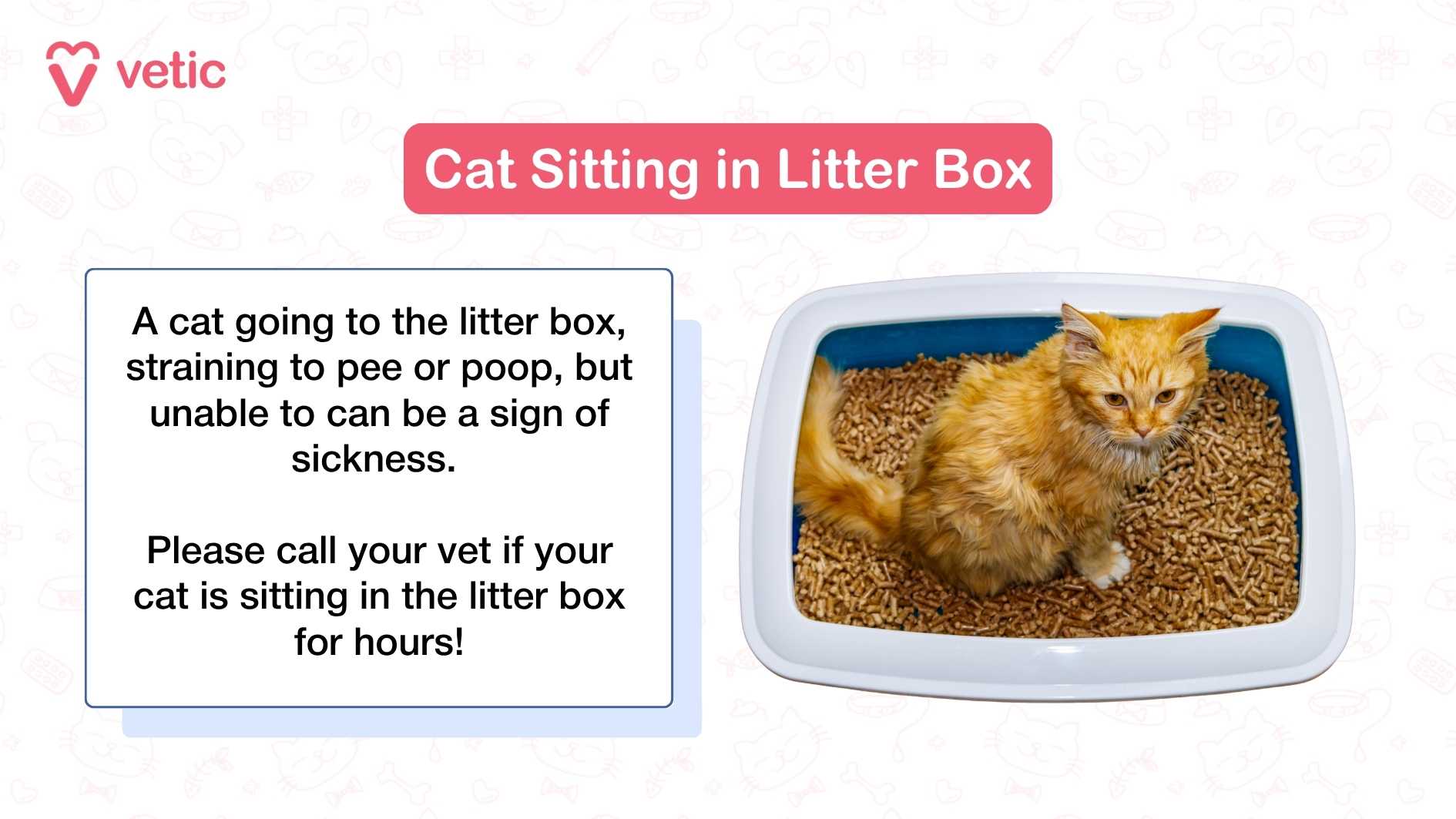
Sudden refusal to use the litter box can signal urgent health problems. Look out for signs like blood in the urine, frequent attempts to urinate with little success, or your cat crying out in pain. If you notice these symptoms, don’t wait—immediate veterinary care is essential to prevent further complications.
Other warning signs include lethargy, vomiting, or a loss of appetite along with litter box avoidance. These could point to infections, kidney issues, or urinary blockages. Your cat’s well-being depends on swift action in these cases.
Behavioral Specialist Consultation
If medical tests come back normal but your cat still avoids the litter box, it might be time to consult a behavioral specialist. Stress, anxiety, or changes in the household can trigger this problem. Specialists can help identify triggers and create a tailored plan to ease your cat’s anxiety.
Sometimes, small adjustments in the environment can make a huge difference—like adding extra litter boxes or changing their location. Have you noticed if your cat uses the box more when you’re home or when the house is quiet? A behavioral expert can help you decode these patterns.
Veterinary Diagnostics
Veterinarians use various diagnostic tools to uncover hidden health problems behind litter box avoidance. Urinalysis, blood tests, and imaging like X-rays or ultrasounds can detect infections, stones, or other conditions not visible externally. These tests provide clear answers when symptoms are confusing.
Don’t hesitate to ask your vet detailed questions about what each test can reveal. Understanding the process will help you feel more confident and involved in your cat’s care. Remember, early diagnosis often leads to simpler and more effective treatment.
Credit: vetic.in
Frequently Asked Questions
Why Do Cats Suddenly Stop Using Litter Boxes?
Cats may stop using litter boxes due to stress, illness, or litter box issues. Health problems like urinary tract infections cause discomfort. Dirty or inaccessible litter boxes also discourage use. Changes in environment or routine can increase anxiety, leading to avoidance.
Identifying the cause helps solve the issue quickly.
How Can I Encourage My Cat To Use The Litter Box?
Keep the litter box clean and odor-free by scooping daily. Place it in a quiet, accessible location. Use unscented, clumping litter preferred by cats. If multiple cats live together, provide enough boxes. Positive reinforcement with treats and praise encourages proper use.
Can Medical Issues Cause Litter Box Avoidance?
Yes, medical issues like urinary tract infections, kidney disease, or arthritis cause litter box avoidance. Pain or discomfort can make cats associate the box with pain. A vet visit is crucial to rule out or treat health problems promptly. Early diagnosis prevents worsening symptoms.
Does Litter Box Type Affect Cat Usage?
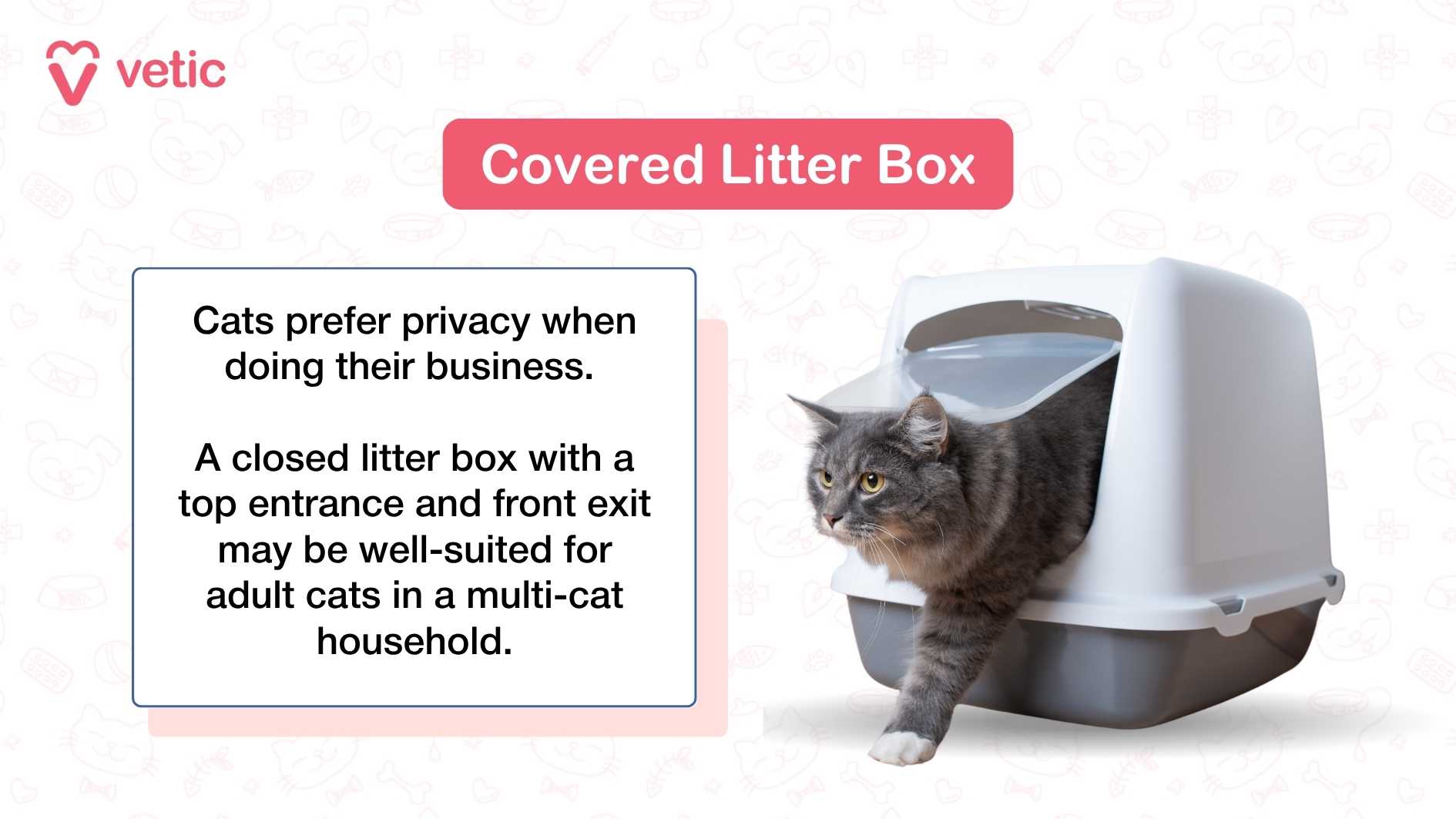
Yes, cats may prefer covered or uncovered boxes depending on personality. Some dislike small or high-sided boxes due to space or entry difficulty. Experimenting with different box types can identify preferences. Ensure the box is large enough for comfort and easy access.
Conclusion
Cats stop using the litter box for many reasons. Health problems, stress, or dirty boxes can cause this. Pay close attention to your cat’s behavior. Clean the litter box often and keep it in a quiet spot. Visit a vet to rule out medical issues.
Patience and care help your cat feel safe. Understanding the cause leads to better solutions. Your cat will return to good habits with time. Don’t give up on helping your furry friend.



Leave a Reply