
Is your cat peeing outside of the litter box? This can be frustrating and confusing, but you’re not alone.
Many cat owners face this problem and wonder how to fix it. The good news is, you can stop this behavior with the right approach. You’ll discover simple and effective steps to understand why your cat is doing this and how to guide them back to using their litter box.
Keep reading—you’ll find solutions that work and make life easier for both you and your furry friend.
Reasons Cats Pee Outside Litter Box
Understanding why your cat pees outside the litter box is the first step to solving the problem. Cats don’t usually change their bathroom habits without a reason. Identifying the cause will help you address the issue effectively and restore harmony in your home.
Medical Issues To Consider
Sometimes, your cat’s behavior signals a health problem. Urinary tract infections, kidney disease, or bladder stones can make peeing painful or urgent. If your cat suddenly starts avoiding the litter box, a visit to the vet is essential.
Ignoring medical causes can make the problem worse and cause your cat discomfort. Have you noticed your cat straining or crying while urinating? These signs need immediate attention.
Stress And Anxiety Triggers
Cats are sensitive creatures. Changes in their environment—like a new pet, moving house, or loud noises—can create stress. Stress can lead your cat to pee outside the litter box as a coping mechanism.
Think about recent changes at home. Could your cat be feeling unsettled? Providing a calm, predictable environment helps reduce anxiety and unwanted behaviors.
Litter Box Problems
Sometimes the issue lies with the litter box itself. Cats prefer a clean, quiet place to do their business. If the box is dirty, too small, or in a busy area, your cat might refuse to use it.
Have you checked your cat’s litter box recently? Adding more boxes, cleaning them daily, or trying different types of litter can make a big difference.
Territorial Marking Behavior
Marking territory is a natural instinct, especially for unneutered cats. Your cat might pee outside the box to mark its space, especially if there are other cats around. This behavior is more common in multi-cat households.
Have you noticed your cat spraying near doors or windows? Neutering or spaying your cat can reduce marking, and using pheromone diffusers may help calm territorial urges.

Credit: www.youtube.com
Choosing The Right Litter Box
Choosing the right litter box plays a crucial role in stopping your cat from peeing outside it. Cats are particular about their bathroom habits, and the wrong box can make them avoid it altogether. Understanding what size, type, and placement work best for your cat will save you frustration and keep your home fresh.
Box Size And Type
Your cat’s comfort depends largely on the size of the litter box. A box too small can make your cat feel cramped, leading them to find alternative spots to relieve themselves. Ideally, the box should be at least one and a half times the length of your cat from nose to tail.
Consider the type of litter box as well. Covered boxes provide privacy but can trap odors, which might deter some cats. Open boxes give more ventilation and visibility, which can be more inviting for your cat. Think about your cat’s personality—do they like privacy or prefer open spaces?
Number Of Boxes Needed
How many litter boxes does your cat actually need? A good rule is to have one box per cat plus one extra. This prevents competition and gives your cat options, especially in multi-cat households.
Even if you have a single cat, placing two boxes in different areas can help. Sometimes your cat may avoid a box if it’s too close to their food or in a noisy place. Would you feel comfortable using a bathroom right next to your kitchen?
Placement Tips
Where you put the litter box can make or break your success. Cats like quiet, low-traffic spots where they won’t be startled while using the box. Avoid placing it near loud appliances or busy hallways.
Good spots often include bathrooms, laundry rooms, or spare corners. Make sure the box is easily accessible but not in a place where your cat feels trapped. Have you checked if your cat hesitates to enter the box area?
Selecting Appropriate Cat Litter
Choosing the right cat litter can make a big difference in stopping your cat from peeing outside the box. Cats prefer clean, unscented, and clumping litter that feels soft on their paws. Changing to a suitable litter encourages them to use their box consistently.
Choosing the right cat litter can make a significant difference in ensuring your cat uses the litter box reliably. Cats can be quite particular about their litter preferences, and if something is off, they might decide to do their business elsewhere. Understanding what works best for your feline friend is key to a clean and harmonious home.Types Of Cat Litter
There are various types of cat litter available, each with its own benefits. Clay-based litters are among the most popular due to their excellent clumping abilities, making cleanup easy. However, some cats may prefer more natural options, such as pine or wheat-based litters, which are more environmentally friendly. Silica gel crystals are another option, known for their superior odor control. If you’re keen on minimizing dust, consider recycled paper pellets. Experiment with different types to see which your cat prefers.Scented Vs Unscented
The choice between scented and unscented litter can greatly impact your cat’s litter box habits. While scented litters can help mask odors for humans, some cats find the strong fragrances overwhelming. This could deter them from using the litter box altogether. On the other hand, unscented litters rely on natural odor absorption, which many cats find more agreeable. Observe your cat’s reaction and decide if a change in scent might encourage consistent use of the litter box.Litter Depth And Texture
Cats can be quite fussy about the depth and texture of their litter. A depth of about two to three inches is generally recommended to allow your cat to dig comfortably. Too little litter might not satisfy their digging instincts, while too much can lead to a mess outside the box. The texture of the litter is another critical factor. Some cats may prefer fine-grained litters, which feel softer on their paws, while others might like a coarser texture. Pay attention to your cat’s behavior and adjust accordingly to see what helps them feel most comfortable. By understanding these aspects, you can create a litter box environment that your cat will happily use. Have you noticed any particular preferences your cat has when it comes to their litter? Adjusting even small details could make a big difference in preventing unwanted accidents.Cleaning And Maintenance Tips
Cleaning and maintaining your cat’s litter box is crucial to stop peeing outside it. A clean litter box invites your cat to use it regularly. Regular care reduces odors and keeps your home fresh. These tips help create a healthy space for your cat.
Daily Cleaning Routine
Remove clumps and solid waste from the litter box every day. Use a scoop with small holes to catch debris. Stir the litter lightly to keep it fresh. Replace the litter if it looks dirty or smells bad. Clean the edges and corners to prevent buildup.
Deep Cleaning Methods
Empty the entire litter box once a week. Wash the box with warm water and mild soap. Avoid strong chemicals that can irritate your cat. Rinse well and dry completely before adding new litter. Consider using a litter box liner for easier cleaning. Check for cracks or damage and replace the box if needed.
Eliminating Odors Effectively
Use baking soda in the litter to absorb smells. Sprinkle a small amount under the litter layer. Replace baking soda every few days to keep it active. Clean accidents on floors or furniture immediately with an enzyme cleaner. This breaks down urine and stops cats from returning to the same spot. Keep the litter box in a well-ventilated area to reduce odors naturally.
Behavioral Training Techniques
Behavioral training techniques can help stop your cat from peeing outside the litter box. These methods focus on encouraging good habits and gently guiding your cat away from unwanted behavior. Patience and consistency are key to success.
Positive Reinforcement
Reward your cat when it uses the litter box correctly. Use treats, petting, or praise to show approval. This helps the cat associate the litter box with good things. Avoid punishment; it can cause fear and make problems worse.
Redirecting Unwanted Behavior
Watch your cat closely for signs it may pee outside the box. When you see this, gently move the cat to the litter box. Offer encouragement and stay calm. This teaches the cat where it should go. Consistent redirection helps build better habits.
Using Deterrents Safely
Use safe deterrents to keep cats away from problem areas. Place aluminum foil, double-sided tape, or citrus scents near spots. Cats dislike these textures and smells. Avoid harmful chemicals or loud noises. Deterrents should not scare or harm your cat.
Managing Stress And Anxiety
Stress and anxiety can cause your cat to avoid the litter box and pee elsewhere. Cats are sensitive creatures, and sudden changes or conflicts in their environment can upset them deeply. Managing their stress is key to stopping unwanted urination and helping your cat feel secure again.
Environmental Enrichment
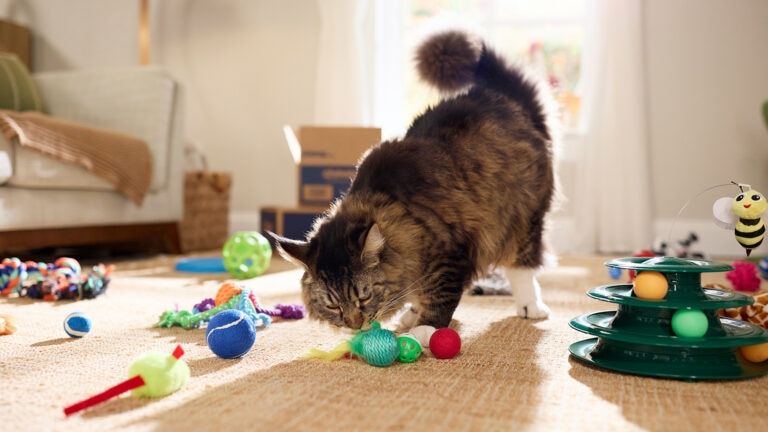
Adding new toys, scratching posts, or climbing trees can keep your cat busy and mentally stimulated. A bored or frustrated cat is more likely to act out by peeing outside the litter box.
Try rotating toys regularly to keep your cat interested. Hiding treats or using puzzle feeders can also provide mental challenges that reduce anxiety.
Calming Products And Remedies
Have you tried using pheromone diffusers or sprays? These products release synthetic calming scents that help cats feel safe.
Natural remedies like chamomile or valerian root supplements might also ease your cat’s nerves. Always check with your vet before introducing any new product.
Consistent Routine Benefits
Cats thrive on routine. Feeding, playtime, and litter box cleaning at the same times daily can reduce their stress levels significantly.
Think about your cat’s daily schedule. Are there sudden noises or visitors that disrupt it? Minimizing these interruptions can encourage your cat to use the litter box again.
When To Seek Veterinary Help
Knowing when to seek veterinary help is crucial if your cat is peeing outside the litter box. Sometimes, inappropriate urination signals a serious health issue rather than just behavioral problems. Ignoring these signs can lead to discomfort for your cat and frustration for you.
Recognizing Serious Symptoms
Watch closely for symptoms like frequent attempts to urinate with little output, blood in the urine, or noticeable pain when your cat tries to pee. These signs often indicate urinary tract infections or blockages that need immediate attention.
If your cat suddenly starts urinating outside the box after years of good habits, it might be a red flag for medical problems. Also, lethargy, vomiting, or loss of appetite combined with inappropriate urination should prompt a vet visit right away.
Discussing Treatment Options
Once you bring your cat to the vet, they will likely perform tests such as urine analysis or blood work to pinpoint the problem. Treatments can range from simple antibiotics for infections to more complex interventions if blockages or kidney issues are found.
Ask your vet about dietary changes or medications that might help prevent the problem from recurring. Understanding the full range of options empowers you to make the best choice for your cat’s health and comfort.
Follow-up Care
Follow-up visits are essential to ensure your cat is healing properly and the problem isn’t returning. Keep a close eye on your cat’s litter box habits and overall behavior during recovery.
Sometimes, small changes like adding more litter boxes or switching litter types can help maintain good habits. Don’t hesitate to contact your vet if symptoms come back or if you notice any new issues.

Credit: www.feliway.co.uk

Credit: www.reddit.com
Frequently Asked Questions
Why Is My Cat Peeing Outside The Litter Box?
Cats may pee outside the litter box due to stress, illness, or a dirty box. Behavioral issues or changes in their environment can also cause this problem. Identifying the root cause helps in addressing the issue effectively.
How Can I Clean Cat Urine Odors Effectively?
Use enzymatic cleaners to remove cat urine odors. These cleaners break down urine molecules, preventing re-marking. Avoid ammonia-based products, as they can worsen the smell and confuse your cat.
What Type Of Litter Box Prevents Accidents?
Choose a large, uncovered litter box with low sides for easy access. Clean it daily and use unscented, clumping litter. Having multiple boxes in different locations also helps prevent accidents.
When Should I See A Vet For Litter Box Issues?
Consult a vet if your cat suddenly pees outside the box or shows signs of pain. Medical conditions like urinary tract infections need prompt treatment to prevent further issues.
Conclusion
Stopping your cat from peeing outside the litter box takes patience and care. Clean the area well and use the right litter. Watch your cat’s health and stress levels closely. Make sure the litter box is clean and in a quiet place.
Try different types of litter if needed. Remember, changes take time. Stay calm and keep helping your cat feel safe. This way, you can enjoy a cleaner home and a happier pet.

Leave a Reply