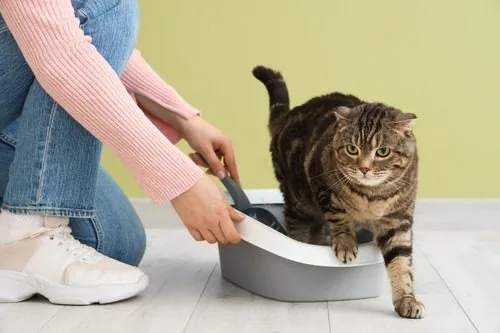
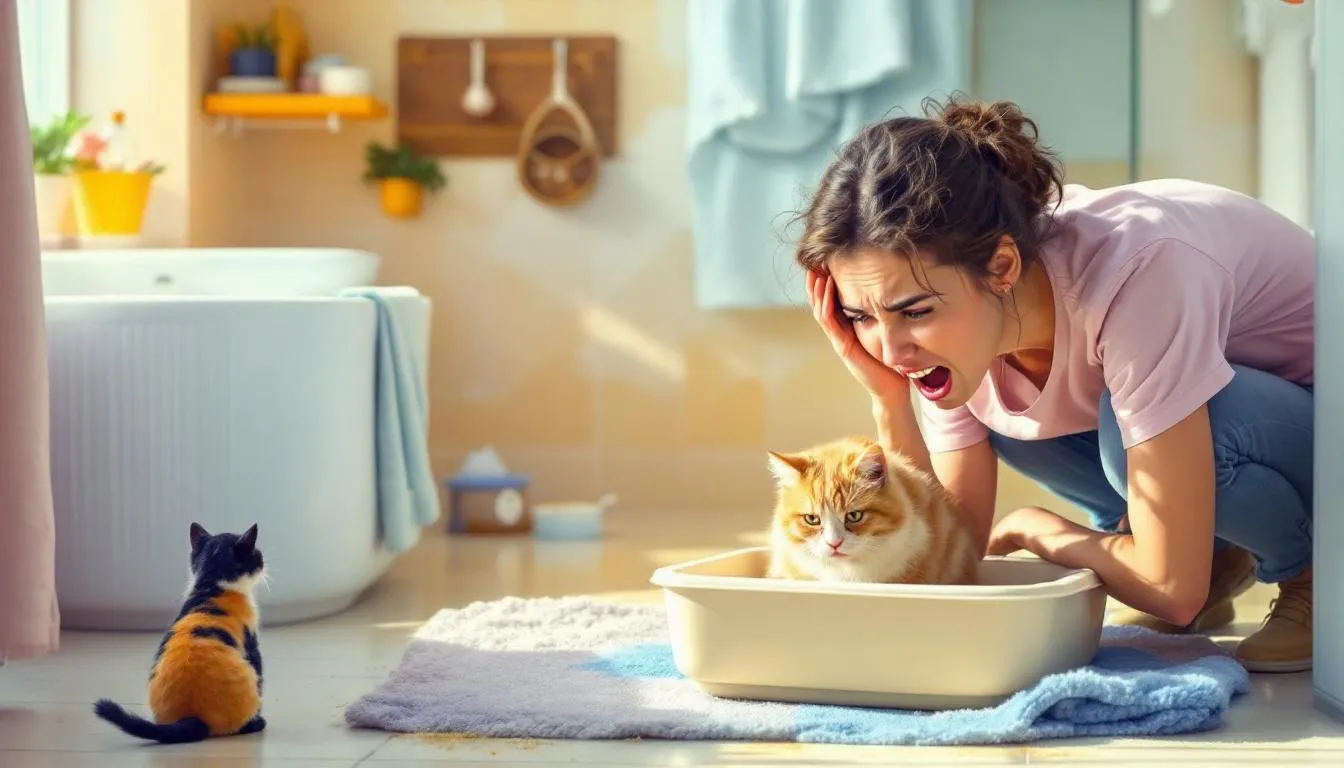
Have you ever come home to find your cat leaving surprises outside the litter box? It’s frustrating, confusing, and maybe even a little gross.
You might wonder, “Why is my cat suddenly pooping where they shouldn’t? ” Understanding the reasons behind this behavior is the first step to fixing it. You’ll discover the common causes and simple solutions to help your cat get back on track.
Keep reading—you’ll be glad you did.

Credit: www.aol.com
Common Behavior Changes
Cats changing their bathroom habits often show common behavior shifts. These changes reveal much about their mental and physical state. Understanding these shifts helps address why cats poop outside the litter box. Behavior changes may seem small but hold big clues.
Stress And Anxiety
Cats feel stress from many sources. Moving to a new home or loud noises can upset them. Stress causes cats to avoid their litter box. Anxiety makes them seek quieter, safer spots to relieve themselves. Watch for hiding or changes in eating habits as signs.
Health Issues
Illness can make litter box use painful. Urinary tract infections or digestive problems are common culprits. Cats might associate pain with the box and avoid it. Sudden changes in bathroom habits need a vet check. Early diagnosis prevents serious health problems.
Litter Box Preferences
Cats can be picky about their litter box. They may dislike dirty or smelly boxes. The box size or type might be uncomfortable. Some cats prefer covered boxes; others do not. The litter texture also matters. Cleanliness and comfort encourage proper use.
Territorial Marking
Cats mark territory to feel safe and secure. Pooping outside the box can be a form of marking. This behavior often happens with new pets or changes in the environment. Marking helps cats claim their space. Recognizing this helps reduce unwanted behavior.
Environmental Factors
Environmental factors play a huge role in why your cat might suddenly start pooping outside the litter box. Cats are sensitive creatures, and small changes around them can cause stress or discomfort. Understanding these triggers can help you create a more welcoming space for your feline friend.
Dirty Litter Box
Have you ever avoided using a bathroom that’s not clean? Cats feel the same way. A litter box that isn’t scooped regularly or smells strong can push your cat to find a cleaner spot.
Try cleaning the box daily and completely changing the litter once a week. You might notice your cat returning to the box once it’s fresh again. Also, consider the type of litter—some cats prefer unscented, fine-grained options.
Location Problems
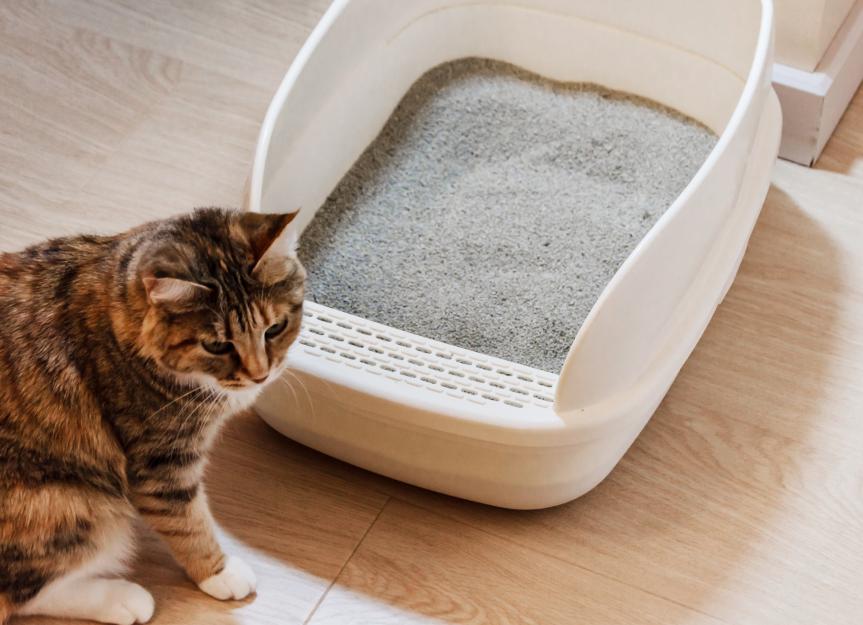
Where you place the litter box matters a lot. If it’s in a noisy hallway or near your washing machine, your cat might avoid it. Cats want privacy and quiet when they do their business.
Think about moving the box to a calm, low-traffic area. Avoid places near their food or water bowls, as cats dislike eliminating close to where they eat. Have you checked if the box is easy for your cat to access, especially if they are older or have mobility issues?
Household Changes
Changes like new furniture, guests, or other pets can unsettle your cat. Even a small shift in routine can make them anxious and lead to litter box issues.
Try to keep a consistent environment for your cat and give them a safe space to retreat to. If a new pet is the cause, separate their areas initially and reintroduce them slowly. How has your cat reacted to changes in your home recently?
Medical Conditions
Cats are generally clean creatures, so when they start pooping outside the litter box, it can be puzzling and stressful. One of the key reasons behind this behavior can be medical conditions. Understanding these health issues is crucial for both the well-being of your feline friend and your peace of mind.
Urinary Tract Infections
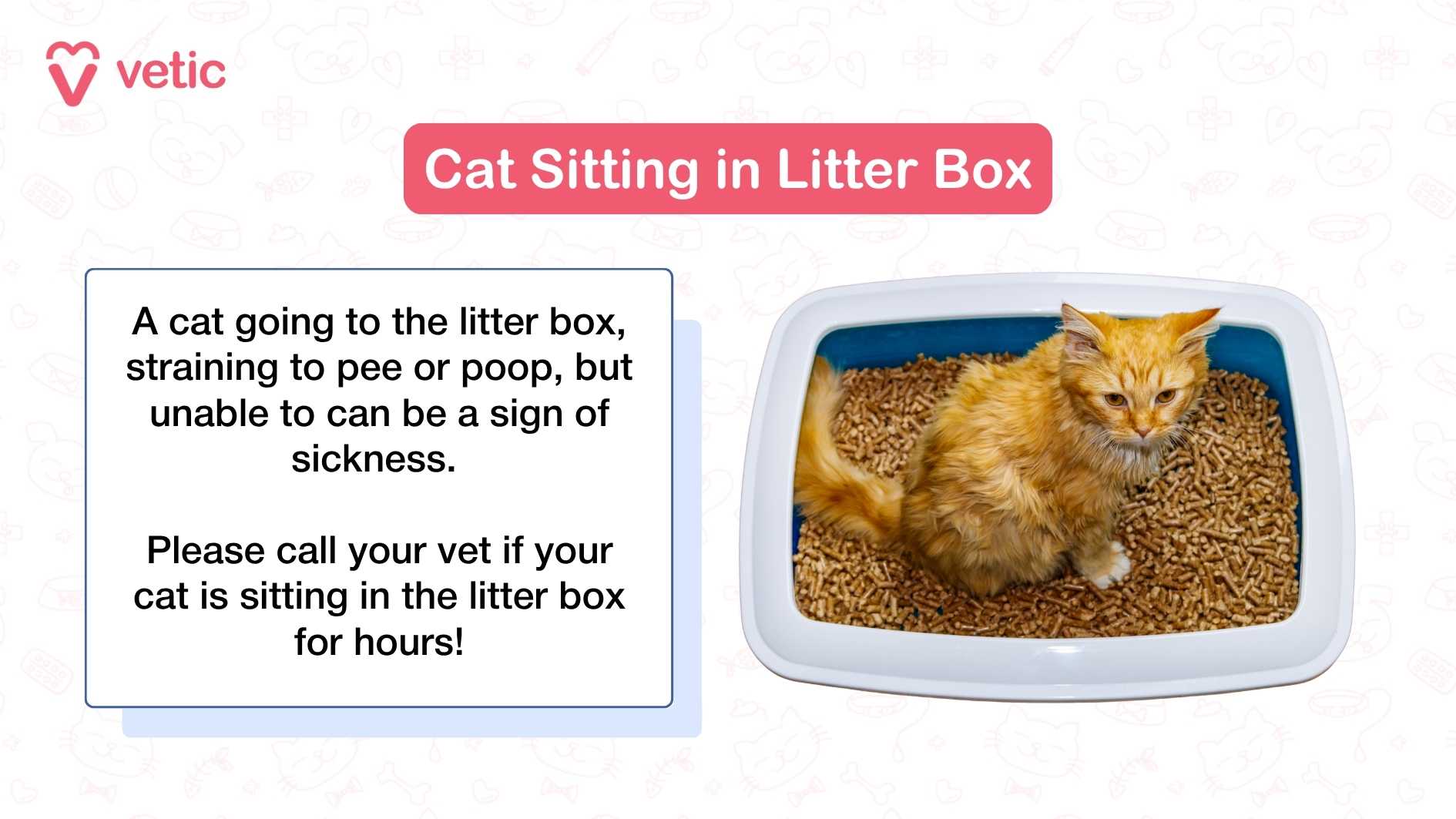
Urinary tract infections (UTIs) are common in cats and can lead to discomfort and changes in bathroom habits. A cat with a UTI may associate the litter box with pain, prompting them to avoid it. If your cat is straining to urinate or you notice blood in their urine, it’s time to visit the vet.
Digestive Disorders
Digestive disorders can also cause your cat to poop outside the litter box. Conditions like constipation, diarrhea, or inflammatory bowel disease can make it difficult for your cat to control their bowel movements. Observing your cat’s stool consistency and frequency can offer clues to potential digestive issues.
Pain And Mobility Issues
Pain and mobility problems can deter your cat from using the litter box. Arthritis or injuries may make it difficult for them to climb into the box. Consider whether your litter box is easily accessible and if your cat is showing signs of discomfort or reluctance to move.
Have you noticed any of these symptoms in your cat? Addressing these medical conditions promptly can prevent further stress for both you and your furry companion. Always consult with your veterinarian to ensure your cat receives the best care possible.
Credit: vetic.in
Litter Box Setup
Setting up the right litter box environment is crucial to prevent your cat from pooping outside the box. Cats are particular creatures and small changes in their litter box setup can make a huge difference in their behavior. Let’s look at the elements of litter box setup that you can adjust to encourage your cat to use it consistently.
Type Of Litter
The kind of litter you use can affect your cat’s willingness to use the box. Some cats dislike scented litters because the smell can be overwhelming or irritating. Others may prefer clumping litter because it’s easier to dig and cover waste.
Try offering a few types of litter to see which one your cat prefers. Observe if your cat avoids the box or seems uncomfortable after using it. Have you ever noticed your cat pawing at the litter with frustration? That’s a sign to switch the type.
Box Size And Design
The size of the litter box matters more than many pet owners realize. If the box is too small, your cat might feel cramped and look for alternative spots to go. Bigger cats especially need ample space to turn around and dig comfortably.
Also, consider the design. Some cats avoid covered boxes because they feel trapped or can’t escape quickly. Others might dislike high-sided boxes if they have mobility issues. Think about what would make your cat feel safe and comfortable.
Number Of Boxes
One box might not be enough if you have multiple cats or a large home. The general rule is to have one more litter box than the number of cats. This reduces competition and stress, which can cause litter box avoidance.
Place boxes in different quiet, accessible locations to give your cat options. If you’ve ever caught your cat going behind furniture, it might be because the box is too far or blocked. How many litter boxes do you currently have, and where are they placed?
Behavioral Solutions
Behavioral solutions play a crucial role when your cat starts pooping outside the litter box. Understanding and adjusting your cat’s environment and habits can often resolve the issue without stress for either of you. These solutions focus on changing routines and surroundings to make your cat feel comfortable and willing to use the litter box again.
Cleaning And Maintenance
Keeping the litter box clean is one of the most important steps. Cats are very particular about hygiene, and a dirty box can discourage them from using it.
Make sure to scoop out waste daily and fully change the litter regularly. Wash the box with mild soap and water to remove any lingering odors.
Have you noticed how your cat reacts when the box isn’t clean? Sometimes, a fresh and inviting litter box is all it takes to solve the problem.
Environmental Enrichment
Cats need stimulation and comfort in their environment to feel secure. Stress or boredom can cause them to avoid the litter box.
Try adding scratching posts, toys, and cozy resting spots around your home. Also, ensure the litter box is placed in a quiet, low-traffic area where your cat won’t feel threatened.
Think about your cat’s daily routine—are there any recent changes or disruptions that might have unsettled them? Small adjustments can make a big difference.
Positive Reinforcement
Rewarding your cat for using the litter box can reinforce good behavior effectively. Positive reinforcement encourages your cat to repeat the desired action.
Use treats, gentle petting, or praise right after your cat uses the box. Avoid punishment, as it can increase anxiety and worsen the problem.
Have you tried timing your rewards? Catching your cat in the act and immediately rewarding can help them understand exactly what behavior you want.
When To See A Vet
Noticing your cat pooping outside the litter box can be frustrating and confusing. Sometimes, this behavior signals a health problem that needs immediate attention. Knowing when to see a vet can save your cat from discomfort and prevent more serious issues.
Identifying Medical Red Flags
Look out for signs like blood in the stool, straining, or frequent attempts to go without success. If your cat suddenly stops eating or seems lethargic, these are urgent warning signs. Any drastic change in bathroom habits combined with these symptoms means it’s time to contact your vet.
Diagnostic Steps
Your vet will start with a thorough physical exam and a detailed history of your cat’s behavior and diet. They may request stool samples or run blood tests to check for infections or organ issues. Imaging like X-rays or ultrasounds might be needed to spot blockages or tumors.
Treatment Options
Treatment varies depending on the diagnosis. If your cat has a urinary tract infection, antibiotics will help clear it up quickly. For chronic conditions like inflammatory bowel disease, your vet might suggest dietary changes and medication to reduce inflammation.
Have you noticed if your cat’s behavior worsens after certain meals or stress? Sharing these details with your vet can make a big difference in finding the right treatment fast.
Credit: www.petmd.com
Frequently Asked Questions
Why Do Cats Avoid Their Litter Box Suddenly?
Cats may avoid their litter box due to stress, illness, or dirty conditions. They seek a clean, quiet spot for toileting. Medical issues like urinary infections or arthritis can cause discomfort. Keeping the box clean and consulting a vet helps address this behavior.
Can A Dirty Litter Box Cause Cats To Poop Outside?
Yes, a dirty litter box often causes cats to poop elsewhere. Cats prefer cleanliness and may reject a soiled box. Regular scooping and full litter changes maintain hygiene and prevent accidents. Clean litter boxes encourage consistent use.
How Does Stress Affect A Cat’s Litter Habits?
Stress can disrupt a cat’s bathroom routine, causing accidents outside the box. Changes in environment, new pets, or loud noises trigger anxiety. Providing a calm space and maintaining routine helps reduce stress-related litter issues.
Could Health Problems Lead Cats To Poop Outside The Box?
Health problems like urinary tract infections or digestive issues make using the litter box painful. Cats avoid the box to escape discomfort. Veterinary diagnosis and treatment are crucial to fix this behavior promptly.
Conclusion
Cats pooping outside the litter box can be frustrating. Often, it shows they feel stressed or unwell. Check the litter box for cleanliness and location. Watch your cat’s behavior closely for health signs. Small changes can help your cat feel safe again.
Patience and care make a big difference. Understanding your cat’s needs helps prevent future problems. Keep your cat happy and comfortable. That’s the key to a clean home and a happy pet.

Leave a Reply