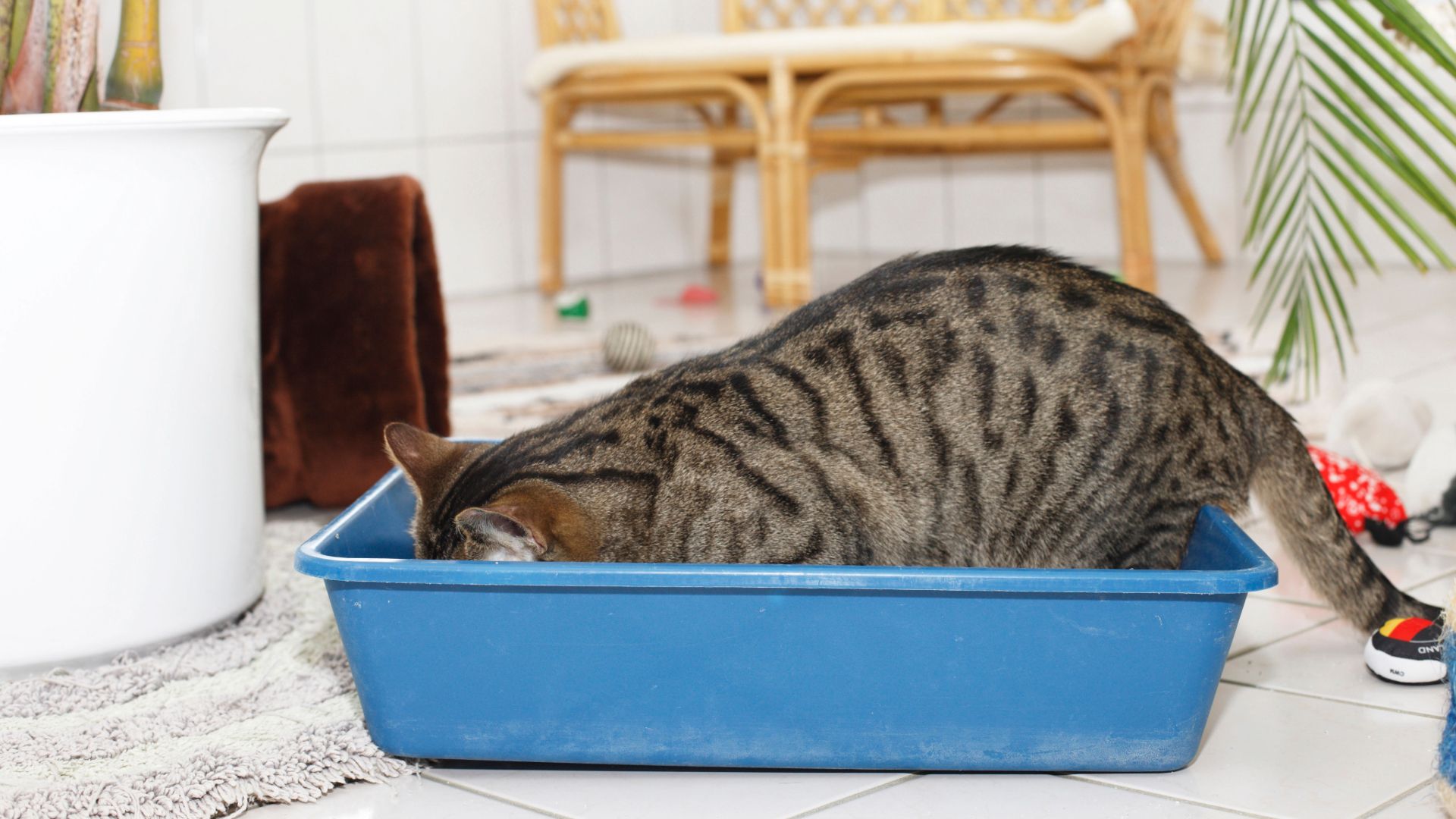
Have you ever found your cat sitting quietly in the litter box, doing nothing, and wondered why? It’s a strange sight that can leave you worried or confused.
Your furry friend usually uses the litter box quickly and moves on, so when they just sit there, something feels off. Understanding why your cat is behaving this way is important—not just for their comfort but for their health too.
Keep reading to discover the common reasons behind this puzzling behavior and what you can do to help your cat feel better.
Common Reasons Cats Sit In Litter Boxes
Cats sitting quietly in their litter boxes can puzzle many pet owners. Understanding why your cat chooses to sit there instead of using it can help you respond appropriately. Below are some common reasons your cat might be spending time in the litter box doing nothing.
Seeking Comfort And Security
The litter box can feel like a safe spot for your cat. It’s a small, enclosed area where they might retreat to relax. If your cat seems anxious or overwhelmed, the litter box might offer a sense of security.
Think about times your cat has hidden under furniture during loud noises. The litter box can serve a similar purpose as a cozy retreat. Have you noticed if your cat goes there after visitors leave or during storms?
Marking Territory
Cats are territorial animals. Sitting in the litter box may be a way for your cat to reinforce their scent in that space. This behavior can be more common if there are other pets or new animals in the home.
Your cat might be trying to send a clear message that this is their personal space. If you recently added a new pet or rearranged the house, your cat’s behavior could be linked to establishing boundaries.
Avoiding Stressful Situations
Stress can cause unusual behaviors in cats, including lingering in the litter box. Changes like moving, new family members, or loud environments might lead your cat to seek refuge there. The litter box becomes a quiet zone away from stress triggers.
Have you observed if your cat’s litter box sitting increases during busy days or after changes at home? Providing a calm environment and safe spaces can help reduce this behavior. Your cat’s litter box might be signaling a need for comfort rather than just a bathroom break.
Health Issues Behind Litter Box Behavior
Cats sitting quietly in the litter box may signal health issues. This unusual behavior often means discomfort or pain. Identifying the cause helps protect your cat’s well-being. Several medical problems can explain this behavior.
Urinary Tract Infections
Urinary tract infections cause pain when cats urinate. Your cat may stay in the litter box trying to relieve discomfort. This infection can make urination frequent but with little output. Watch for signs like crying or straining while peeing. Early treatment prevents serious complications.
Constipation And Blockages
Constipation makes it hard for cats to pass stool. Blockages in the intestines cause severe pain and distress. Cats may remain in the litter box, hoping to eliminate waste. They might strain or show signs of discomfort. Veterinary care is crucial to resolve these issues.
Kidney Or Bladder Problems
Kidney or bladder diseases can cause cats to act oddly in the litter box. Problems like bladder stones or kidney failure cause pain and confusion. Your cat might sit quietly to ease discomfort. Symptoms include frequent urination, blood in urine, or lethargy. Seek veterinary advice for accurate diagnosis and care.
Emotional And Psychological Causes
Stress or anxiety can cause cats to sit quietly in their litter box. They may feel unsafe or confused, leading to this unusual behavior. Emotional distress often affects their habits and comfort zones.
If you’ve ever found your cat sitting in the litter box doing nothing, you might be puzzled. This behavior can be linked to emotional and psychological causes that are worth exploring. Cats, like humans, can experience a range of emotions that affect their behavior.Anxiety And Fear
Cats are sensitive creatures. Changes in their environment, such as moving to a new home or introducing a new pet, can trigger anxiety. This might cause them to retreat to the litter box, a place they associate with safety. Have you recently rearranged furniture or had loud guests over? Your cat might be feeling overwhelmed. Consider creating a quiet, comforting space for them to relax.Depression In Cats
Yes, cats can get depressed too. A lack of stimulation or companionship can lead to this state. You’ll notice them spending more time in secluded areas, like the litter box. Has your cat lost interest in play or social interaction? Try engaging them with new toys or dedicate more time for play sessions. It might lift their spirits and draw them out of the litter box.Attention-seeking Behavior
Sometimes, your cat might be trying to tell you something. If they’re spending time in the litter box, they might be seeking attention. Could it be that you’ve been busier than usual? Cats often use behavior to communicate their needs. Make an effort to give them more affection and observe if their litter box habits change. Understanding the emotional and psychological causes behind your cat’s behavior can help you address it effectively. Pay attention to their cues and make small changes to improve their wellbeing.
Credit: www.reddit.com
Environmental Factors Impacting Behavior
Cats are sensitive to their environment. Small changes can affect their behavior. Sitting in the litter box without doing anything may signal discomfort or stress. Understanding environmental factors helps you find the cause and ease your cat’s worries.
Dirty Or Uncomfortable Litter Box
Cats prefer a clean litter box. Dirty litter boxes can cause avoidance or strange behavior. Sometimes, cats sit in the box to check if it is safe. They may feel uncomfortable with the smell or texture of old litter. Using unscented, soft litter often helps. Cleaning the box daily keeps cats happy and relaxed.
Changes In Household Dynamics
New pets, visitors, or loud noises can stress cats. Changes in routine or family members may confuse them. Sitting quietly in the litter box can be a way to cope. It becomes a safe spot amid chaos. Observing your cat during these times shows signs of stress. Providing quiet spaces and routine helps reduce anxiety.
Litter Box Location Issues
Location matters a lot for cats. A litter box near noisy areas or heavy traffic can cause discomfort. Cats need privacy and quiet to feel secure. If the box is in a busy hallway or near appliances, your cat may avoid using it properly. Moving the box to a calm, private spot encourages normal use. This simple change can improve your cat’s behavior.
When To Consult A Veterinarian
Noticing your cat sitting quietly in the litter box can be worrying. It may signal discomfort or illness. Knowing when to consult a veterinarian is important for your cat’s health. Early action can prevent serious problems.
Recognizing Warning Signs
- Straining or crying while trying to urinate
- Repeated attempts to use the litter box without success
- Blood in urine or unusual smell
- Excessive licking of the genital area
- Sudden changes in litter box habits
- Signs of pain or lethargy
Diagnostic Tests To Expect
The vet may perform a physical exam first. Urine tests help detect infections or crystals. Blood tests check for kidney or bladder issues. X-rays or ultrasounds may find blockages or stones. These tests guide the right treatment for your cat.
Treatment Options
- Antibiotics for infections
- Special diets to dissolve crystals or stones
- Medication to ease pain and inflammation
- Fluid therapy to flush the urinary tract
- Surgery in severe cases with blockages
Follow your vet’s advice closely. Early treatment improves recovery chances. Monitor your cat’s behavior and litter box habits daily.

Credit: www.reddit.com
Preventing Litter Box Issues
Preventing litter box issues is essential to keep your cat comfortable and your home clean. Cats often sit in their litter box doing nothing as a sign of discomfort or confusion. Understanding how to prevent these problems can save you from unnecessary stress and help your cat feel secure.
Maintaining Cleanliness
Your cat’s litter box should be clean and fresh at all times. Dirty litter boxes can cause your cat to avoid using them or sit inside without doing anything. Scoop the box at least once a day and completely change the litter weekly to keep odors and bacteria away.
Have you noticed your cat sniffing around or pawing at the litter? This could mean they find the box unclean. A clean box encourages your cat to use it confidently and reduces the chance of litter box anxiety.
Providing Multiple Litter Boxes
Having more than one litter box can make a big difference, especially if you have multiple cats. A good rule is to have one box per cat plus one extra. This gives your cat options and prevents competition or territorial issues.
Imagine trying to use a crowded bathroom—would you feel comfortable? Your cat feels the same way. Multiple boxes help your cat find a quiet spot to do their business without stress or waiting.
Creating A Calm Environment
The location of the litter box matters more than you might think. Place the box in a quiet, low-traffic area where your cat feels safe. Avoid noisy appliances or busy hallways that might scare your cat away.
Have you seen your cat freeze or hesitate near the box? Loud sounds or sudden movements can cause this. A calm environment helps your cat relax and use the litter box without fear or hesitation.

Credit: www.purina.com
Frequently Asked Questions
Why Is My Cat Sitting In The Litter Box Quietly?
Cats may sit quietly in the litter box due to stress, illness, or discomfort. It can signal urinary tract issues or anxiety. Observe your cat for other symptoms and consult a vet if this behavior persists to ensure their health and comfort.
Can Health Problems Cause Litter Box Sitting Behavior?
Yes, health issues like urinary tract infections or bladder stones often cause cats to sit in the litter box. This behavior usually indicates pain or difficulty urinating. Immediate veterinary care is important to diagnose and treat these conditions effectively.
Is Litter Box Sitting A Sign Of Stress In Cats?
Litter box sitting can indicate stress or anxiety in cats. Changes in environment, new pets, or routine disruptions often trigger this behavior. Providing a calm and safe space helps reduce stress and encourages normal litter box use.
How Long Should A Cat Stay In The Litter Box?
Cats typically use the litter box briefly, usually a few minutes. Extended sitting might indicate health or behavioral problems. Monitor your cat’s behavior closely and consult a vet if prolonged litter box sitting occurs.
Conclusion
Cats sitting quietly in the litter box may signal discomfort or stress. Watch for changes in behavior or signs of illness. A clean, calm environment helps your cat feel safe and relaxed. Consult a vet if this behavior continues or worsens.
Understanding your cat’s needs improves their health and happiness. Stay patient and attentive to keep your pet comfortable. Small actions can make a big difference in their well-being.

Leave a Reply