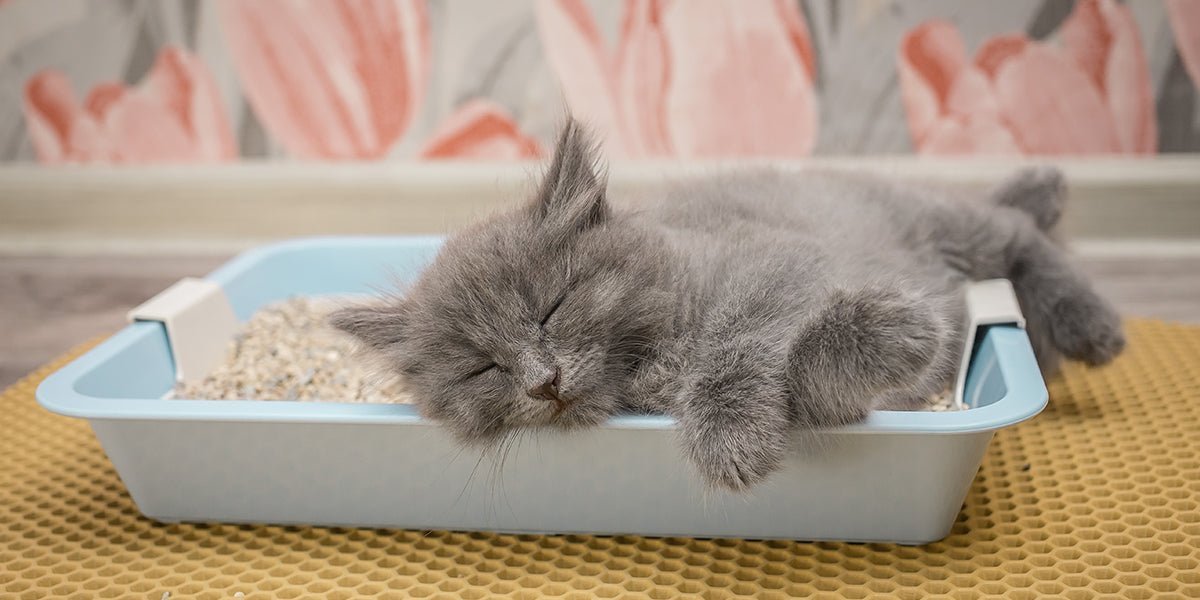
Have you ever caught your cat snoozing in their litter box and wondered why? It might seem strange or even a little gross, but your furry friend has reasons you might not expect.
Understanding why your cat chooses this unusual spot can help you keep them happy and healthy. Keep reading to discover the surprising reasons behind this behavior and what you can do about it. Your cat’s comfort and well-being depend on it!
Cats’ Natural Instincts
Cats sleeping in their litter box might seem odd at first, but it makes more sense when you look at their natural instincts. These instincts guide many of their behaviors, even those that seem unusual to us. Understanding these instincts can help you see why your cat feels comfortable in such a spot.
Safety And Security
Your cat’s litter box often feels like a safe haven. It’s a small, enclosed space where they can keep an eye on their surroundings without being easily seen. Cats have evolved to seek out places that offer protection from potential threats.
Think about how your cat reacts when there’s a sudden noise or new person in the house. They often retreat to a quiet, enclosed area. The litter box can serve this purpose because it’s familiar and usually located in a low-traffic spot.
Territory Marking
Cats are territorial animals. Their litter box is not just a bathroom; it’s part of their claimed space. Sleeping there can be a way of reinforcing their territory.
By staying close to their scent-marked area, they feel more in control. This behavior might be more common in multi-cat households where your cat feels the need to assert ownership over their space.
Have you noticed your cat spending more time in the litter box during changes at home? It’s their way of holding onto a constant in their environment.

Credit: meowant.com
Health Issues To Watch For
Noticing your cat sleeping in its litter box can be worrying. It might signal underlying health concerns that need your attention. Watching for specific health issues can help you act before the problem worsens.
Urinary Tract Problems
Cats with urinary tract issues often seek the litter box for comfort and relief. This behavior can indicate infections, blockages, or inflammation.
If your cat spends excessive time in the litter box or seems restless, it might be struggling to urinate. You may also spot blood in the urine or hear your cat vocalizing in pain.
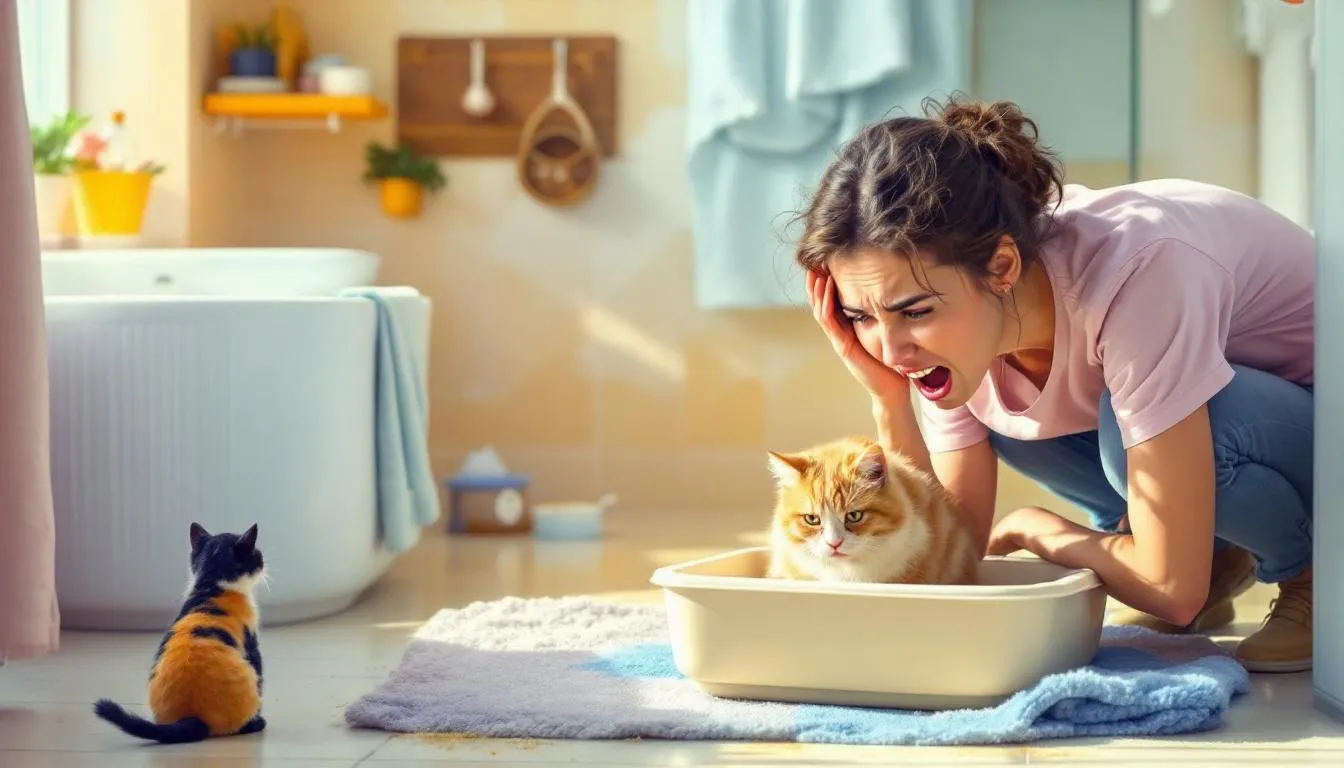
Ignoring these signs can lead to serious complications. Have you ever caught your cat lingering unusually in its litter box? That moment could be a crucial warning.
Stress And Anxiety Signs
Stress can push cats to change their habits, including sleeping in their litter box. This spot might feel like a safe refuge during anxious times.
Look for other signs like hiding, decreased appetite, or excessive grooming. These behaviors, combined with litter box sleeping, often point to stress or anxiety.
Think about recent changes in your cat’s environment—new pets, moving, or loud noises. Could these be triggering your cat’s need for extra security?
Environmental Factors
Cats may choose their litter box to sleep because it feels safe and quiet. The small, enclosed space can protect them from noise or other pets. Temperature and comfort also play a role in this unusual behavior.
Cats often sleep in their litter boxes due to environmental factors. Understanding these factors helps address the issue effectively. Two main environmental factors include comfort and temperature, and lack of suitable sleeping spots.Comfort And Temperature
Cats seek warmth and comfort in unexpected places. Litter boxes can provide both. The enclosed space often retains heat, making it appealing. Cats naturally gravitate to warm areas, especially during colder months. The litter itself might also offer a soft surface. This can mimic bedding, adding to the comfort.Lack Of Suitable Sleeping Spots
Limited sleeping spots can drive cats to their litter boxes. If a home lacks cozy areas, cats will improvise. They need quiet, safe places to rest. Without proper alternatives, the litter box becomes an option. It’s crucial to provide various resting areas. Consider soft beds or blankets in quiet corners. These additions can deter litter box sleeping.
Credit: marltons.co.za
Behavioral Reasons
Cats often choose unusual spots to rest, including their litter boxes. Understanding their behavior helps explain this odd choice. Behavioral reasons reveal a lot about a cat’s comfort and instincts. These reasons include a desire for solitude and sticking to familiar habits.
Seeking Solitude
Cats value quiet and private places. A litter box can feel like a safe, hidden spot. It offers a small, enclosed space where cats can relax undisturbed. This space helps them feel secure from noise or activity. They may use it to escape stress or busy household moments.
Habit And Routine
Cats are creatures of habit. Once they find a spot they like, they often return to it. Sleeping in the litter box can become part of their routine. The familiar smell and texture provide comfort. This routine helps cats feel stable and calm in their environment.
How To Encourage Better Habits
Encouraging your cat to develop better sleeping habits outside their litter box takes patience and attention to their needs. Understanding what draws your cat to the litter box can help you provide more appealing options. Small changes in their environment can make a big difference in their comfort and behavior.
Providing Cozy Alternatives
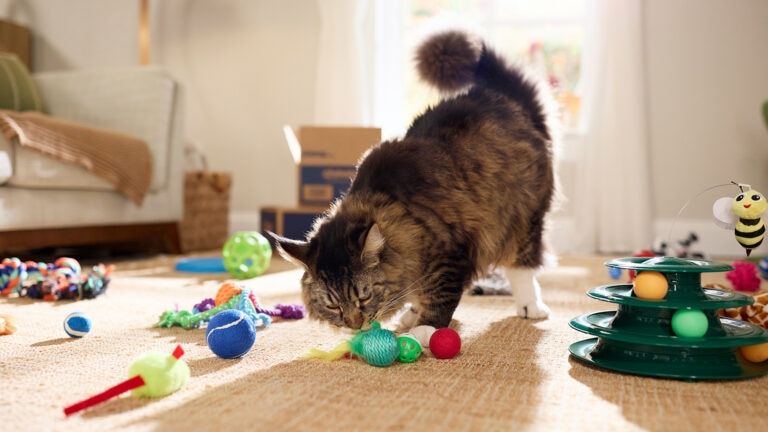
Your cat might be seeking warmth or security, which the litter box offers. Try placing soft beds or blankets in quiet, low-traffic areas of your home. Adding a few cozy spots near sunny windows or radiators can attract your cat to rest there instead.
Use familiar scents by placing your cat’s favorite toys or worn clothing in these new resting spots. Have you noticed your cat’s favorite hiding place? Mimic that feeling of safety with enclosed beds or covered cushions. This gives your cat a sense of security outside the litter box.
Maintaining Cleanliness
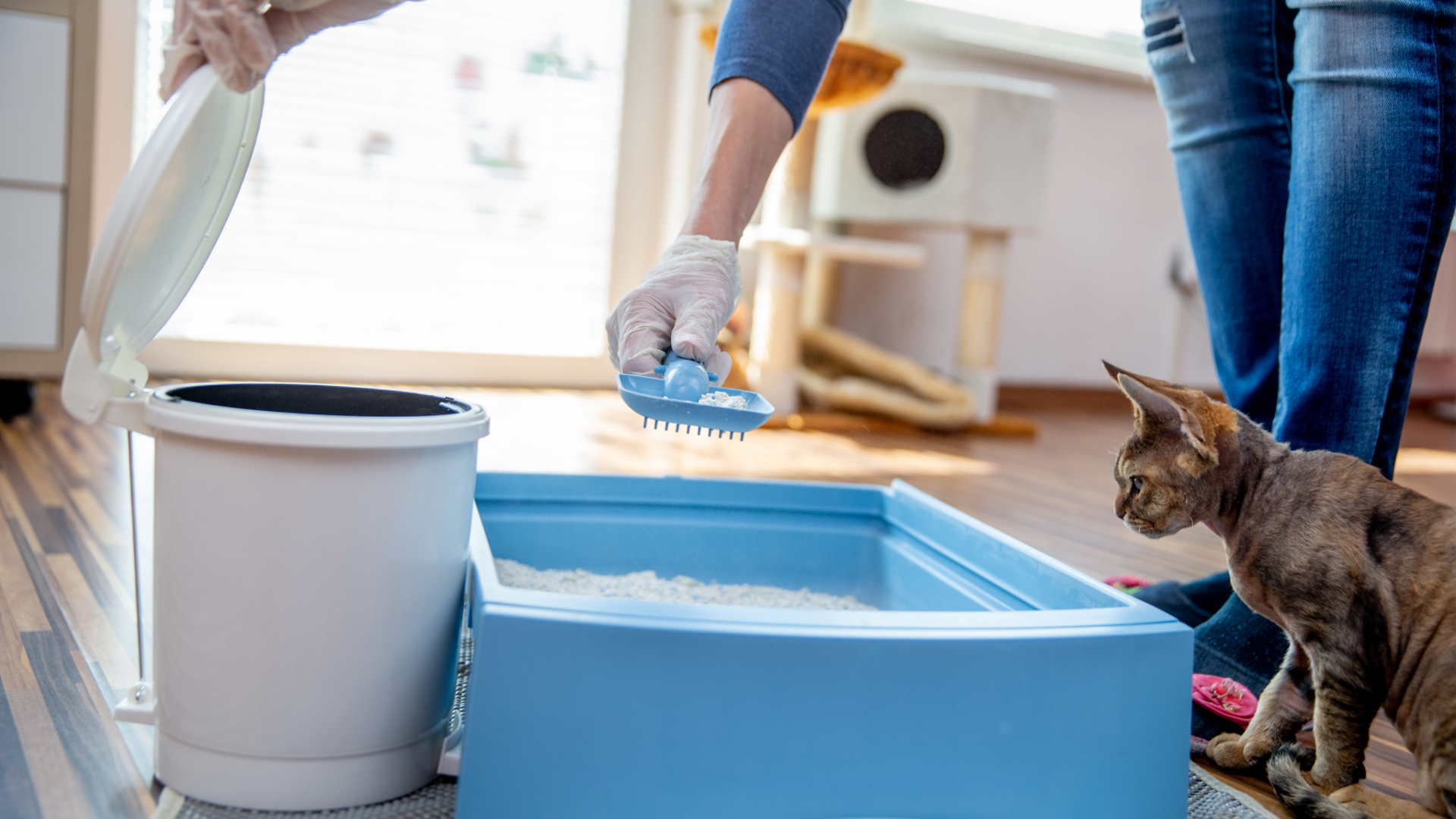
Dirty litter boxes may push your cat to seek refuge inside, confusing it with a safe spot. Scoop the litter box at least once a day and change the litter regularly to keep it fresh. A clean box is more inviting and less likely to become a strange sleeping area.
Consider using unscented, dust-free litter to avoid irritation. Sometimes, placing multiple litter boxes around the house helps reduce stress about cleanliness. How often do you clean your cat’s litter? Could more frequent cleaning improve their comfort?
Monitoring Health Closely
Sometimes, cats sleep in their litter box due to health issues like urinary tract infections or pain. Pay close attention to any changes in your cat’s behavior, appetite, or bathroom habits. If your cat seems distressed or lethargic, a vet visit is crucial.
Regular health checks can catch problems early before they affect your cat’s habits. Have you noticed your cat spending more time in the litter box than usual? Don’t ignore these signs—they often signal discomfort that needs attention.
Credit: www.petsradar.com
Frequently Asked Questions
Why Do Cats Choose To Sleep In Litter Boxes?
Cats may sleep in litter boxes when stressed or feeling unwell. The box offers a small, enclosed space that feels safe. It also retains their scent, providing comfort. If your cat sleeps there often, consult a vet to rule out health issues.
Is Sleeping In Litter Box A Sign Of Illness?
Yes, cats sleeping in litter boxes can indicate health problems. Conditions like urinary tract infections or pain may cause this behavior. It’s important to observe your cat and seek veterinary advice promptly to ensure their well-being and proper treatment.
How Can I Stop My Cat From Sleeping In Litter Box?
To stop this behavior, ensure the cat’s environment is calm and stress-free. Provide cozy, safe sleeping areas elsewhere. Clean the litter box regularly to keep it unappealing as a resting spot. If it persists, consult a vet for underlying issues.
Does Litter Box Sleeping Indicate Stress In Cats?
Sleeping in the litter box often signals stress or anxiety in cats. Changes in environment, loud noises, or new pets can trigger it. Providing a quiet, secure space and reducing stressors helps your cat feel safe and avoid this behavior.
Conclusion
Cats sleep in their litter box for comfort, safety, or stress relief. This behavior can signal health or environment issues. Watch your cat’s habits closely. Provide a quiet, cozy bed to encourage better sleep spots. Keep the litter box clean and in a calm area.
Understanding your cat helps you meet its needs. Always consult a vet if unusual habits continue. Your cat’s well-being depends on your care and attention. Small changes can make a big difference in their comfort. Keep learning about your pet’s behavior for a happy home.

Leave a Reply