Bringing a new cat into your home? One of the first things you’ll want to tackle is teaching your furry friend how to use a litter box.
It might sound simple, but if your cat doesn’t get it right away, it can quickly become frustrating for both of you. Imagine a clean, fresh-smelling home where your cat happily uses the litter box every time—no mess, no stress.
In this guide, you’ll discover easy, proven steps to introduce your cat to a litter box with confidence. Keep reading, and you’ll have a happy cat and a hassle-free home in no time.
Choosing The Right Litter Box
Choosing the right litter box plays a crucial role in helping your cat get comfortable with using it. The right box not only makes your cat feel safe but also encourages consistent use. This choice depends on your cat’s size, preferences, and your living space.
Types Of Litter Boxes
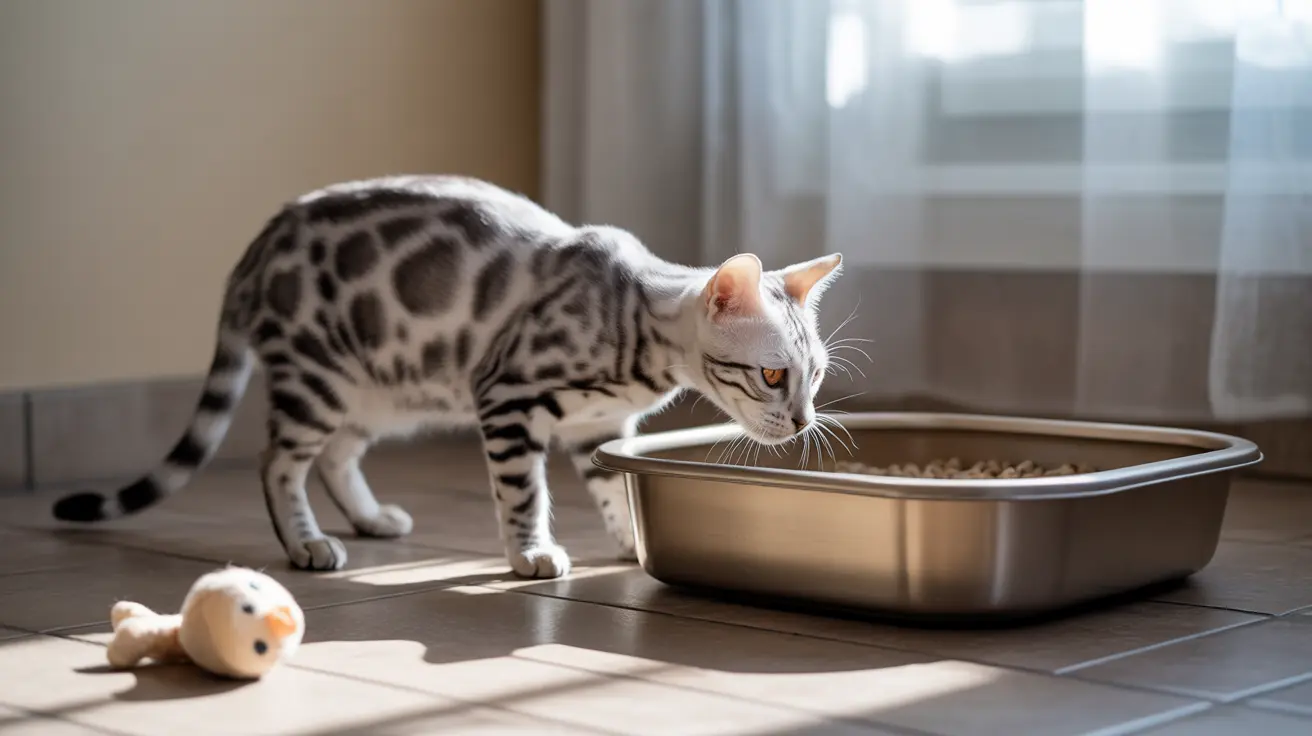
There are several types of litter boxes available, each with its own benefits. Open litter boxes offer easy access and good ventilation, which many cats prefer. Covered litter boxes provide privacy and help contain odors, but some cats might feel trapped inside.
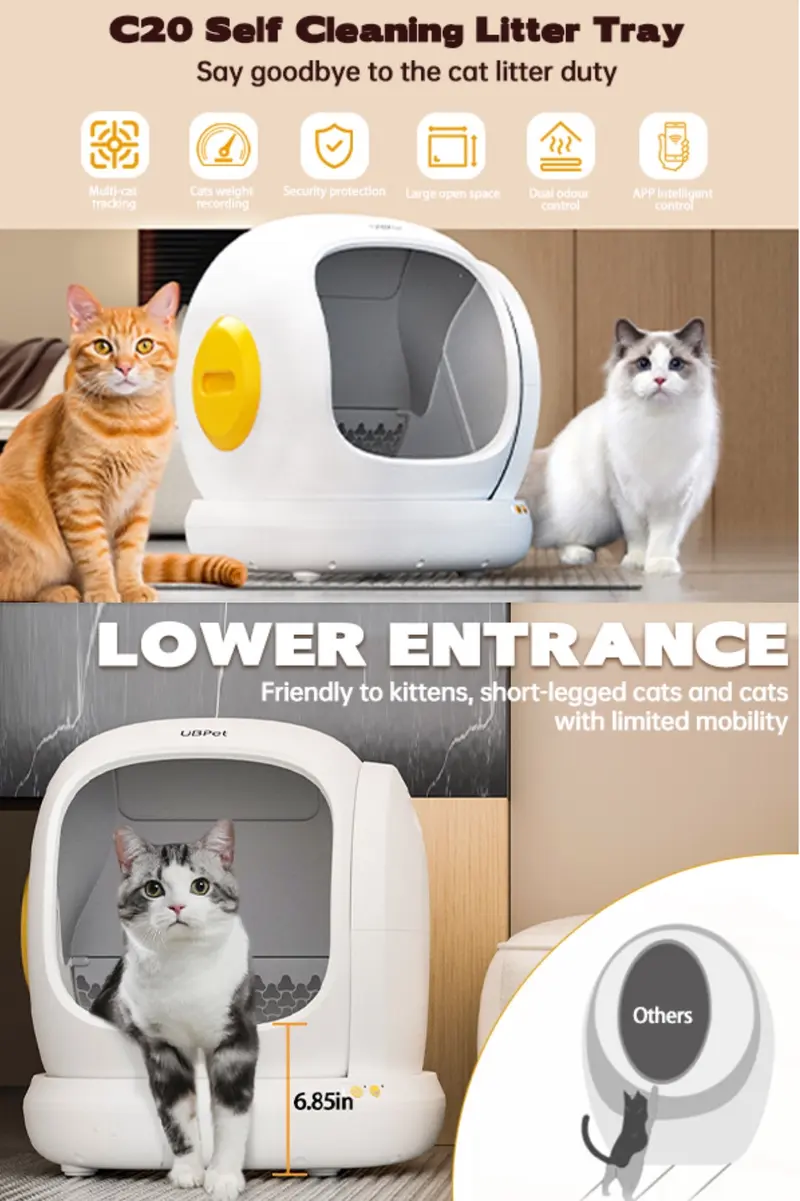
Self-cleaning litter boxes reduce your maintenance effort but can scare shy cats with their noise and movement. Low-sided boxes are perfect for kittens and older cats with mobility issues, making entry and exit easier. Consider your cat’s personality—are they shy, active, or elderly? This will help you pick the best type.
Size And Placement Tips
Your cat needs enough space to move comfortably inside the box. A good rule is the box should be at least 1.5 times your cat’s length from nose to base of tail. If your cat is large or tends to dig vigorously, a bigger box prevents messes outside the box.
Placement matters just as much as size. Avoid noisy or high-traffic areas where your cat might feel stressed or disturbed. Choose quiet, easily accessible spots with good ventilation. Have you noticed your cat avoiding the box? It might be too close to their food or water bowls.
Selecting The Best Cat Litter
Selecting the best cat litter plays a key role in helping your cat feel comfortable with their new litter box. The right litter makes the experience less stressful for your furry friend and keeps your home fresher. Choosing wisely means considering your cat’s preferences and your lifestyle needs.
Different Litter Materials
Cat litter comes in various materials, each with unique features. Clay-based litters are popular because they clump well and are easy to scoop. However, they can be dusty and heavy to carry.
Natural options like corn, wheat, or pine are biodegradable and often less dusty. They might not clump as tightly, but many cats prefer their softer texture. Silica gel crystals are another choice that controls odor well and lasts longer between changes.
Think about what matters most to you: odor control, dust, ease of cleaning, or environmental impact. Have you noticed your cat reacting differently to certain textures? Observing their behavior can guide your choice.
Scented Vs Unscented Options
Scented litters promise to mask odors, but some cats find the added fragrance overwhelming or off-putting. If your cat is sensitive or new to litter training, an unscented option might reduce resistance to the box.
Unscented litters offer a more natural smell, making it easier for your cat to identify their bathroom spot. On the other hand, scented litters can be handy in multi-cat households where odor builds up quickly.
Ask yourself: Does your cat seem stressed by strong smells? Would you prefer a fresher room even if it risks your cat avoiding the box? Testing small amounts of both types could reveal what suits your cat best.
Preparing The Litter Box Area
Choose a quiet, low-traffic spot for the litter box to help your cat feel safe. Keep the area clean and free of strong smells to encourage use. Place the box on a flat surface to prevent spills and make it easy for your cat to access.
Preparing the litter box area is crucial for ensuring your cat feels comfortable and safe when using it. This step can significantly influence how quickly your feline friend adapts to using the litter box. A well-prepared area can alleviate stress for both you and your cat, making the transition smoother.Quiet And Accessible Locations
Choose a spot that’s quiet and away from high-traffic areas. Cats appreciate a peaceful environment when attending to their needs. For instance, a corner in the laundry room or a secluded bathroom works well. Ensure the location is easily accessible. If your cat has to navigate obstacles or climb stairs to reach the litter box, it might hesitate to use it. Consider your cat’s age and agility when picking the spot.Keeping The Area Clean
Regular cleaning is key to maintaining a pleasant environment for your cat. Scoop out waste daily and change the litter frequently to keep it fresh. Cats are fastidious creatures and may refuse to use a dirty litter box. Place a small mat outside the litter box to catch stray litter. This keeps the surrounding area tidy and reduces the mess. Remember, a clean litter box area is not just about hygiene; it also encourages your cat to use the box consistently. Have you ever noticed how quickly your cat turns its nose up at a messy space? Keeping the area clean shows your cat you care about their comfort and well-being.
Credit: meowant.com
Introducing Your Cat To The Litter Box
Introducing your cat to the litter box is a key part of pet care. It helps keep your home clean and your cat happy. Cats need a quiet, safe place to use the litter box. Start by showing the box to your cat and letting them explore it. Patience is important during this process.
Initial Placement And Encouragement
Place the litter box in a quiet, easy-to-find spot. Avoid busy areas or places with loud noises. Keep the box on a stable surface, not slippery or uneven. Show your cat the box by gently placing them inside. Let your cat sniff and explore the litter. Avoid forcing your cat to stay in the box. Watch for signs that your cat needs to go, like sniffing or scratching around. Guide your cat to the box at these times. Keep the box clean to encourage use.
Using Positive Reinforcement
Praise your cat when they use the litter box. Use a soft voice and gentle petting to show approval. Offer small treats after successful use. Avoid punishment for accidents; it can cause fear. Reward builds trust and good habits. Keep a calm and patient attitude throughout training. Consistency helps your cat learn faster. Positive reinforcement makes the litter box a safe place.
Dealing With Common Challenges
Introducing a cat to a litter box can sometimes bring challenges. Cats may resist using the box or have accidents outside it. Understanding these common problems helps create a smoother experience for both you and your pet. Patience and consistency are key to success.
Avoiding Litter Box Aversion
Some cats avoid the litter box due to smell, texture, or location. Keep the box clean by scooping it daily. Choose unscented, fine-grain litter that feels soft to paws. Place the box in a quiet, private spot away from loud noises or heavy traffic.
Try different types of litter if your cat seems picky. Avoid sudden changes to litter or box type. Give your cat time to adjust to new setups. Use positive reinforcement, like gentle praise or treats, when your cat uses the box.
Handling Accidents Effectively
Accidents happen. Clean soiled areas immediately with an enzyme cleaner. This removes odors that attract cats back to the same spot. Avoid using ammonia-based cleaners, as they mimic urine scent.
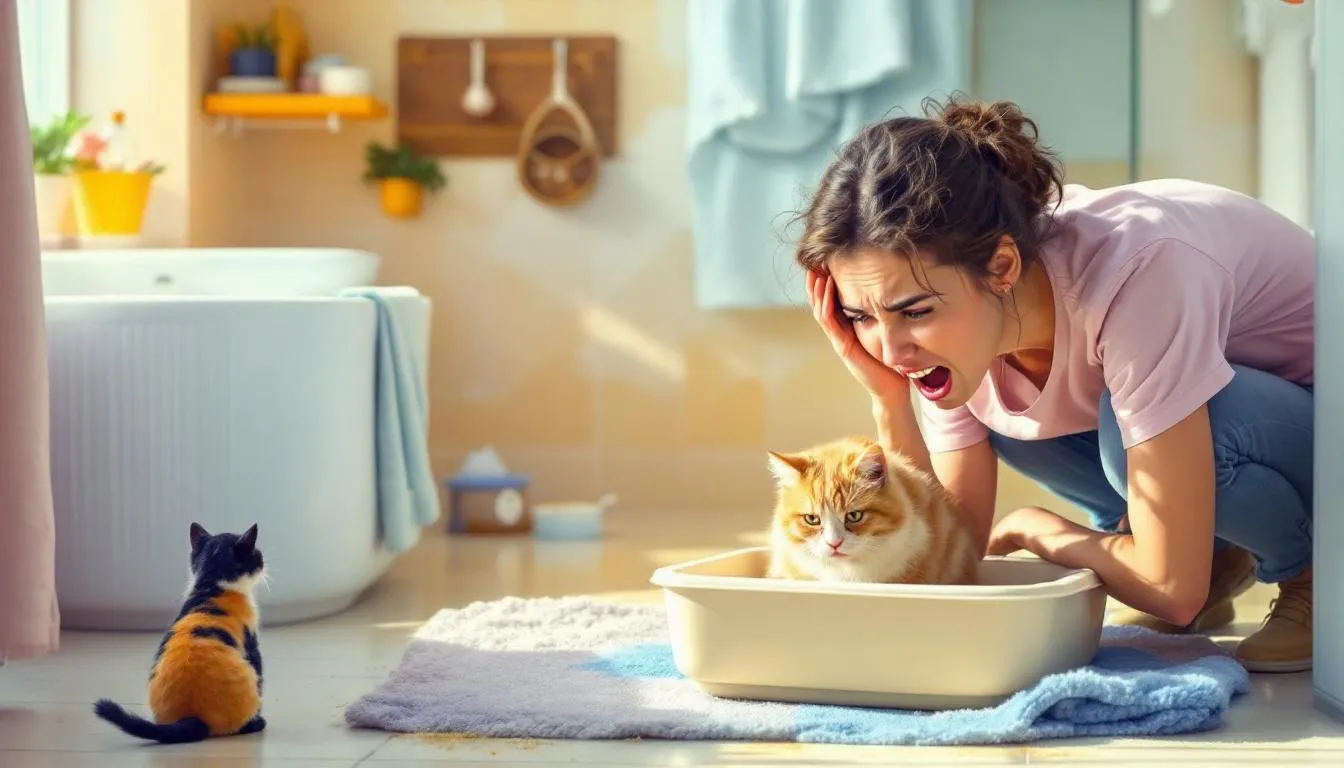
Do not punish your cat. It causes stress and worsens the problem. Instead, watch for signs your cat needs the box. Gently guide them to the litter box if they start to go elsewhere.
Consider adding another litter box if you have multiple cats. This reduces competition and stress. Keep boxes in different locations to give cats options.
Credit: www.petscare.com
Maintaining Good Litter Box Habits
Maintaining good litter box habits helps keep your cat healthy and happy. Clean habits prevent odors and unwanted accidents. Creating a clean, comfortable space encourages your cat to use the box consistently. Observe your cat’s behavior closely to catch any early signs of problems. Consistency and attention are key to a smooth litter box routine.
Regular Cleaning Schedule
Clean the litter box daily by removing clumps and waste. Replace all litter and wash the box with mild soap weekly. Use unscented litter to avoid irritating your cat’s nose. A clean box invites your cat and reduces stress. Place the box in a quiet, easy-to-reach spot. Avoid moving the box too often, as cats dislike change.
Monitoring Your Cat’s Behavior
Watch your cat’s litter box habits every day. Note if your cat spends too much or too little time in the box. Look for signs like scratching outside the box or avoiding the box. Changes may indicate health issues or discomfort. Consult a vet if you notice unusual behavior. Early attention helps keep your cat comfortable and clean.

Credit: medium.com
Frequently Asked Questions
How Do I Introduce A Kitten To A Litter Box?
Place the kitten in the litter box after meals and naps. Use a small, shallow box with unscented litter. Praise and reward the kitten when it uses the box to encourage positive behavior.
What Type Of Litter Box Is Best For Cats?
Choose a litter box with low sides for easy access, especially for kittens. Ensure it is large enough for the cat to turn comfortably. Covered boxes can help reduce odor but some cats prefer open ones.
How Often Should I Clean The Litter Box?
Clean the litter box daily by scooping out waste. Change the litter completely and wash the box weekly. Regular cleaning keeps the box odor-free and encourages consistent use by your cat.
How Do I Prevent My Cat From Avoiding The Litter Box?
Place the box in a quiet, private area away from food and water. Keep the litter clean and use the same type your cat prefers. Address any stress or medical issues that might cause avoidance.
Conclusion
Introducing your cat to a litter box takes patience and care. Start with a quiet, clean spot and show your cat where it is. Keep the box clean to encourage regular use. Praise your cat gently when it uses the box.
Small steps help your cat learn faster. Soon, your cat will feel comfortable and use the box without problems. Consistency and kindness make all the difference. Enjoy a happy home with a well-trained cat.

Leave a Reply