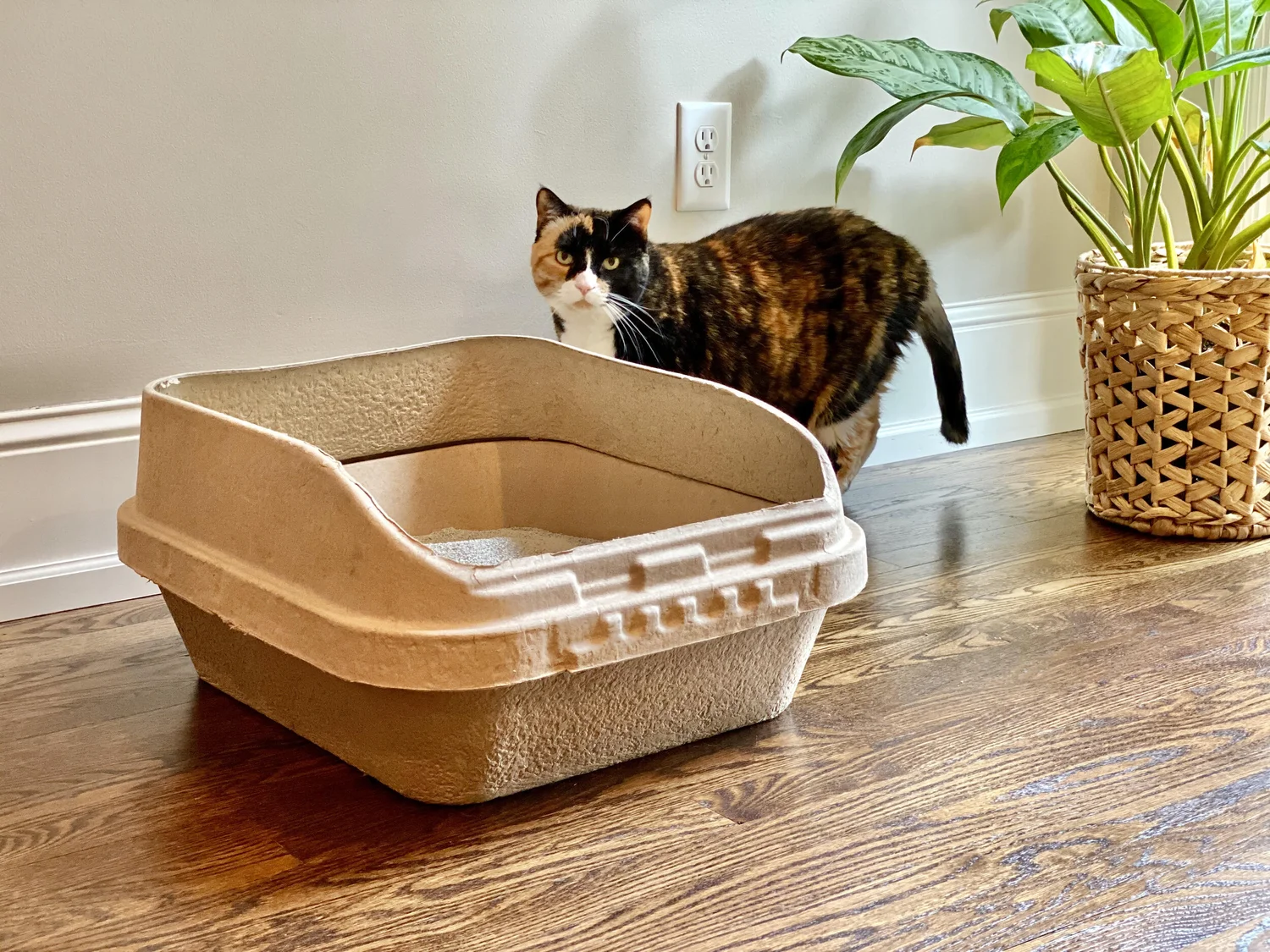
If you’re like most cat owners, you probably wonder what to do with your used cat litter boxes. Can you recycle cat litter boxes, or do they just have to go in the trash?
Finding out the answer can help you make smarter choices for your home and the planet. You’ll discover easy tips and surprising facts about recycling cat litter boxes. Keep reading to learn how you can reduce waste without compromising your cat’s comfort.

Credit: www.amazon.ca
Types Of Cat Litter Boxes
Understanding the types of cat litter boxes is essential before considering their recyclability. Each type varies in material and design, which affects how you can dispose of or recycle them. Let’s look at common options you might have at home or consider for your cat.
Plastic Boxes
Plastic cat litter boxes are the most common and widely used. They are durable and easy to clean, but not all plastics are recyclable through regular curbside programs. You should check the recycling symbol and local guidelines to see if your box can be recycled.
If the box is cracked or heavily soiled, recycling might not be an option. Instead, consider repurposing it for storage or gardening to extend its life before disposal.
Biodegradable Options
Biodegradable cat litter boxes are gaining popularity as eco-friendly alternatives. Made from materials like cornstarch, bamboo, or recycled paper, these boxes break down naturally over time. You can often compost these boxes, but verify if your local composting facility accepts them.
Using biodegradable boxes reduces landfill waste and lowers your environmental footprint. Have you tried one of these? They might change how you think about pet care waste.
Disposable Varieties
Disposable cat litter boxes are designed for one-time use and convenience. Typically made from lightweight cardboard or thin plastic, they are easy to toss after use. However, their recyclability depends on the materials and contamination level from waste.
Many disposable boxes are not recyclable once soiled, but some brands use recyclable cardboard that you can clean and recycle. If you rely on disposables, look for those with clear recycling instructions to minimize environmental impact.
Recycling Plastic Litter Boxes
Plastic cat litter boxes are common in many homes. Recycling them helps reduce waste and protect the environment. Not all plastic litter boxes can be recycled easily. Knowing how to recycle them properly makes a difference.
Identifying Recyclable Plastics
Check the plastic type on the litter box. Look for a recycling symbol with a number inside. Numbers 1, 2, and 5 are usually accepted by recycling centers. Plastics with numbers 3, 4, 6, and 7 are harder to recycle. Make sure the box is made from hard plastic, not soft or flexible material.
Cleaning Before Recycling
Remove all litter and waste from the box. Rinse the box with water to remove dirt and odors. Avoid using harsh chemicals that could harm the recycling process. Allow the box to dry before placing it in recycling bins. Clean plastic is more likely to be accepted by recycling programs.
Local Recycling Rules
Recycle rules vary by location. Some centers accept plastic litter boxes, others do not. Contact your local recycling facility to confirm. Follow their instructions to avoid contamination. Some places may ask you to drop off litter boxes separately. Always check before recycling to ensure proper disposal.
Eco-friendly Disposal Alternatives
Embracing eco-friendly disposal alternatives for cat litter boxes can significantly reduce waste and support a healthier planet. Instead of discarding used litter boxes in landfills, consider adopting more sustainable practices. These alternatives not only benefit the environment but can also transform your daily routines into green habits.
Composting Biodegradable Boxes
Biodegradable litter boxes are a fantastic option for eco-conscious pet owners. These boxes break down naturally over time, minimizing environmental impact. You can even use them in your compost bin, provided the litter and waste are also biodegradable.
Always verify if your local composting facility accepts pet waste, as regulations vary. Adding such boxes to your compost not only reduces waste but enriches your soil. Imagine turning your cat’s old litter box into nourishment for your garden!
Repurposing Old Litter Boxes
Don’t toss out that old litter box just yet; it can have a second life. Consider using it as a storage container for gardening tools or as a seed starter tray. Repurposing not only saves money but also keeps plastic out of landfills.
Think about creative ways you can use these boxes around your home. What unique purpose could an old litter box serve in your household? Transforming it into something useful can be surprisingly rewarding.
Using Recyclable Liners
Recyclable liners can drastically reduce waste from traditional litter boxes. Opt for liners made from recyclable materials to ensure they don’t contribute to landfill overflow. This small change can make a big difference in your cat’s carbon paw print.
When using recyclable liners, always rinse them before recycling to meet most recycling program requirements. This simple action can enhance your recycling efforts. Are you ready to make your kitty’s litter routine a little greener?

Credit: www.litter-box.biz
Choosing Sustainable Cat Litter Boxes
Choosing sustainable cat litter boxes can make a real difference in reducing waste and protecting the environment. You might wonder if your cat’s comfort can align with eco-friendly choices. It can, and selecting the right materials and brands is the key.
Materials To Look For
Opt for cat litter boxes made from biodegradable or recycled materials. Bamboo and wheat straw are great natural options that break down easily. Some boxes use recycled plastic, which helps reduce new plastic production.
Think about durability too. A sturdy box lasts longer, meaning fewer replacements and less waste overall. Ask yourself: Is the box designed to be reused or easily recycled after its life?
Brands With Eco-friendly Practices
Many brands now prioritize sustainability by using non-toxic dyes and reducing packaging. Look for companies that share transparent information about their sourcing and manufacturing processes. This transparency can guide your buying decisions.
Some brands even offer take-back or recycling programs for old litter boxes. Would you consider supporting businesses that close the loop on their products? This encourages a more responsible approach to pet care.
Reducing Environmental Impact
Reducing the environmental impact of cat litter boxes is a challenge many pet owners face. Traditional plastic litter boxes and clay-based litters can add to landfill waste and pollution. However, with thoughtful choices and proper handling, you can significantly lower your pet’s ecological footprint.
Proper Waste Management
Managing cat litter waste correctly is key to reducing environmental harm. Avoid flushing clumped litter down the toilet as it can clog plumbing and pollute water systems. Instead, bag the used litter securely and dispose of it in your regular trash or designated pet waste bins.
Consider composting biodegradable litter if you have a garden, but be cautious—never compost waste contaminated with cat feces due to health risks. You might also look for local programs that accept pet waste for specialized processing. How often do you review your waste habits to see if they align with eco-friendly practices?
Switching To Eco-friendly Litter
Changing the type of litter you use can make a big difference. Biodegradable litters made from materials like corn, wheat, pine, or recycled paper break down naturally and reduce landfill buildup. These options often have less dust and fewer chemicals, which benefits both your cat’s health and the environment.
When I switched to a pine-based litter, I noticed less odor and less frequent litter box changes, which saved money and waste. Have you tried any eco-friendly litters that worked well for your cat? Trying different types can help you find one that suits your pet and your commitment to sustainability.

Credit: waster.com.au
Frequently Asked Questions
Can You Recycle Plastic Cat Litter Boxes?
Most plastic cat litter boxes are not recyclable due to contamination with waste. Check local recycling rules before disposal. Cleaning thoroughly might help, but many facilities reject them.
Are Biodegradable Cat Litter Boxes Compostable?
Biodegradable cat litter boxes can be composted if made from natural materials. Avoid composting boxes contaminated with cat waste to prevent health risks.
How To Dispose Of Used Cat Litter Safely?
Dispose of used cat litter in sealed bags to reduce odor and contamination. Avoid flushing litter as it harms plumbing and water systems.
Can Cardboard Cat Litter Boxes Be Recycled?
Clean cardboard cat litter boxes without waste can be recycled. If soiled with litter or waste, they should be disposed of with regular trash.
Conclusion
Recycling cat litter boxes can be tricky but not impossible. Many boxes contain plastic that some centers accept. Check local recycling rules before tossing them out. Consider reusing boxes for storage or crafts at home. Choosing biodegradable litter helps reduce waste too.
Small steps add up to big changes for the planet. Keep learning about eco-friendly pet care options. Your efforts make a difference for the environment and pets. Simple actions help keep our world cleaner and safer.

Leave a Reply