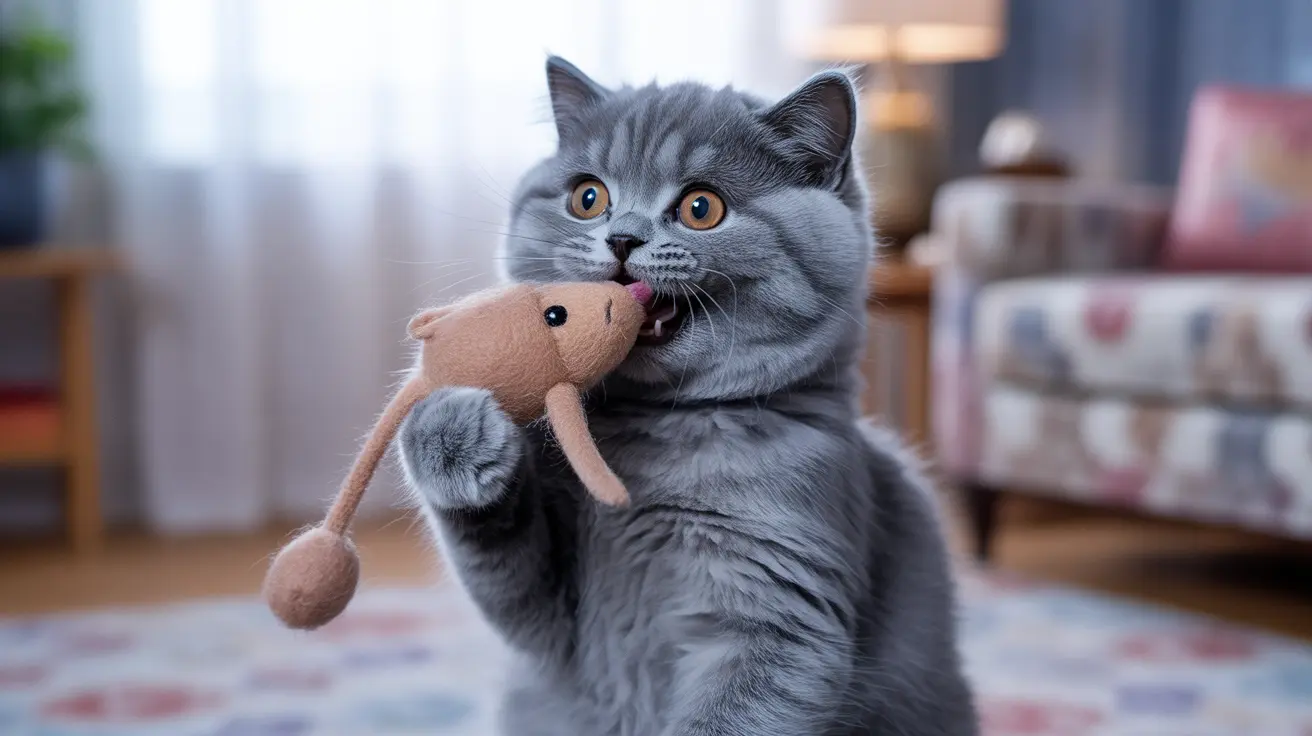
Have you ever noticed your cat meowing loudly at their toys and wondered why? It’s a curious behavior that many cat owners find both amusing and puzzling.
If you want to understand what’s behind those loud meows and how your furry friend expresses their feelings, you’re in the right place. By the end of this article, you’ll see your cat’s playtime in a whole new light—and maybe even strengthen the bond you share.
Keep reading to discover the surprising reasons why your cat talks so loudly to their toys.
Credit: www.chewy.com
Cat Vocalizations And Communication
Cats use vocalizations as a key way to communicate with the world around them. Their meows, purrs, and other sounds carry different messages depending on the situation. Understanding these sounds can help you connect better with your feline friend and decode why they might meow loudly at their toys.
Different Types Of Meows
Not all meows are the same. Cats use various meows to express different feelings and needs. Some common types include:
- Short meows:Often used as a simple greeting or to get your attention.
- Multiple meows:Can indicate excitement or demand, like when they want food or playtime.
- Loud, drawn-out meows:Usually signal frustration, discomfort, or strong desire.
- Trills and chirps:These sounds often express happiness or curiosity.
Recognizing these differences can help you understand why your cat might be loudly vocalizing at their toys. Are they frustrated because the toy isn’t moving as expected? Or are they simply expressing excitement?
Purpose Behind Vocal Sounds
Vocalizations serve specific purposes beyond just noise. Cats meow loudly at their toys to simulate hunting behavior and communicate their predatory instincts.
Sometimes, the loud meow is an expression of their excitement or frustration when interacting with a toy that mimics prey. This behavior is your cat’s way of practicing natural instincts in a safe environment.
Have you noticed your cat’s meows change when they switch from one toy to another? This variation shows how they use sounds to express different emotions or intentions related to play.
Instinctual Hunting Behavior
Cats meow loudly at their toys because of their deep hunting instincts. These sounds mimic the noises they make during real hunts. Such behavior helps cats practice skills needed to catch prey. It also keeps their mind sharp and body active. Understanding this instinct helps explain why playtime can get noisy and intense.
Simulating Prey Interaction
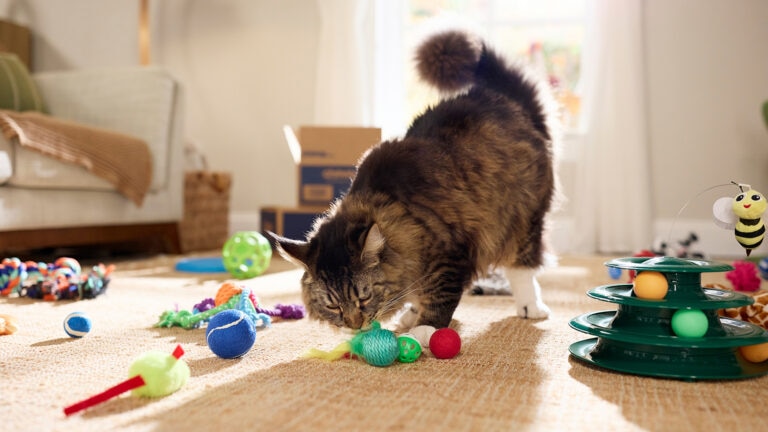
Toys act as pretend prey for cats. They move, pounce, and stalk like real animals. Cats treat toys as if they were alive. This interaction triggers natural hunting instincts. The meowing mimics sounds cats make to communicate with prey. It adds realism to their play and keeps them engaged.
Predatory Excitement And Vocalization
During play, cats feel excitement similar to hunting. Meowing expresses this excitement and focus. It can signal readiness to pounce or capture. The loud vocalization also serves as a release of energy. This behavior is a natural part of their predatory drive. It helps maintain their physical and mental health.
Seeking Attention And Interaction
Cats meowing loudly at their toys often signals their desire for attention and interaction. It’s not just random noise; it’s their way of reaching out to you. Understanding this behavior helps you connect better with your feline friend and keeps them mentally stimulated.
Engaging Owners Through Toys
Your cat’s loud meowing can be a clear call for you to join the fun. They use their toys as an invitation, hoping you’ll play along. Have you noticed how your cat’s meows get louder when you’re nearby but not paying attention?
When you respond by tossing a toy or mimicking prey movements, your cat feels heard and appreciated. This interaction strengthens your bond and makes your cat feel less lonely. It’s a reminder that toys aren’t just objects—they’re bridges for communication.
Expressing Playfulness
Meowing at toys is also your cat’s way of expressing excitement and joy. They vocalize to show they’re engaged and ready to pounce. This noisy play signals their lively spirit and keeps boredom at bay.
Think about how your cat’s meows change when they switch from quietly batting a toy to loudly demanding your attention. It’s their way of saying, “Look at me, I’m having fun!” If you ever ignored those meows, you might miss out on moments that brighten your day.
Credit: headsupfortails.com
Frustration Or Overstimulation
Cats may meow loudly at toys out of frustration when they cannot catch or control them. Overstimulation from play can also cause noisy, excited reactions. This behavior shows their strong hunting instincts mixed with a bit of impatience.
Cats are curious creatures, often surprising us with their quirky behaviors. When a cat meows loudly at their toys, it might leave you puzzled. Is it frustration or overstimulation driving this noisy interaction? Understanding these reasons can help you better manage your feline friend’s playtime.Signs Of Toy-related Frustration
Cats can become frustrated with their toys for various reasons. A toy might get stuck under furniture, leaving them unable to retrieve it. You might notice your cat pacing around the area, making increasingly louder meows. Another sign of frustration is if your cat repeatedly swats at a toy without the satisfying result they desire. It’s similar to when we humans struggle with a puzzle we can’t solve. You might see your cat giving the toy a disdainful look or even walking away in a huff.Managing Cat Overstimulation
Overstimulation during play can also cause your cat to meow loudly. If they seem overexcited, it’s time to step in. Try rotating toys to maintain novelty and keep excitement levels balanced. Introduce play sessions that are short but frequent. This can help prevent your cat from becoming too overwhelmed. Observe your cat’s body language—are their ears flattened, or do they seem unusually hyper? These could be signs they need a break. Understanding your cat’s behavior can enhance your bond and make playtime more enjoyable for both of you. What other behaviors have you noticed during play? Reflecting on these can offer further insights into your cat’s playful meows.Age And Personality Factors
Age and personality play big roles in why cats meow loudly at their toys. Cats use meows to show excitement, frustration, or to get attention. These sounds change as cats grow and depend on their unique character.
Kittens Vs Adult Cats
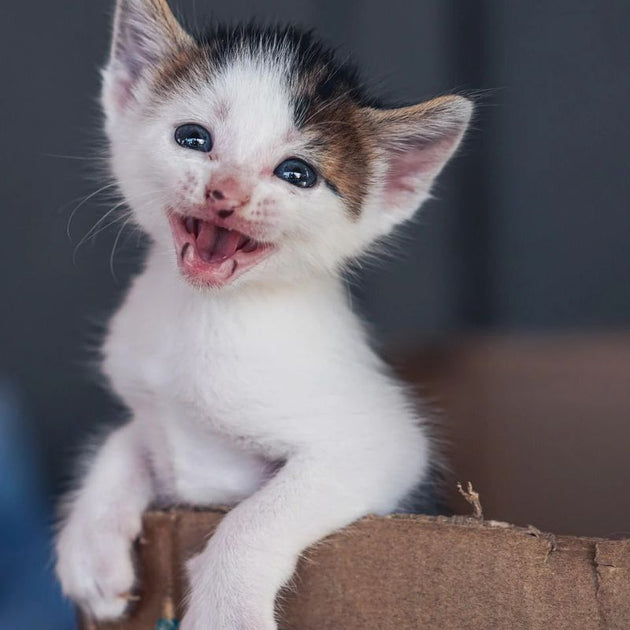
Kittens often meow loudly while playing. They explore the world and express their feelings openly. Their loud meows can mean joy, surprise, or a call for help.
Adult cats usually meow less loudly. They have learned how to control their voices. Their meows at toys may show hunting instincts or a way to say, “Look what I caught!”
Individual Cat Temperaments
Each cat has its own personality. Some cats are very vocal and enjoy making noise. They meow loudly to share their excitement or to keep the play interesting.
Other cats are quiet and calm. They might purr or make soft sounds instead of loud meows. Their play style is more gentle and less noisy.
Health-related Vocal Changes
Cats often use vocalizations to communicate more than just excitement or playfulness. When your cat meows loudly at their toys, it might be a sign of health-related vocal changes. Understanding these changes can help you recognize when your cat is trying to tell you something important about their well-being.
When To Consult A Veterinarian
If your cat suddenly starts meowing louder than usual at their toys, pay close attention to other behaviors. Are they eating less, hiding more, or showing signs of discomfort? These could be clues that something is wrong.
You should consult a veterinarian if the loud meowing is accompanied by:
- Changes in appetite or water intake
- Difficulty breathing or coughing
- Unusual lethargy or restlessness
- Visible pain or discomfort while playing
Early veterinary advice can catch problems before they become serious. Don’t wait if your cat’s vocal behavior seems out of character for them.
Possible Medical Causes
Several medical issues can cause your cat to vocalize more loudly or frequently during play. Respiratory infections, for example, might irritate their throat, making normal meows sound louder or more strained.
Other causes include:
- Dental pain or oral issues that worsen when they bite or chew on toys
- Arthritis or joint pain that makes movement uncomfortable
- Neurological conditions affecting their vocal cords or nerves
- Hyperthyroidism, which can increase vocal activity and restlessness
Pay attention to your cat’s overall health and behavior to spot these issues early. Have you noticed your cat’s meows changing tone or frequency during play recently? This might be your cue to get a professional checkup.

Credit: www.kittyhelpdesk.com
Frequently Asked Questions
Why Do Cats Meow Loudly At Their Toys?
Cats meow loudly at toys to express excitement or frustration. It mimics hunting behavior and signals engagement. This vocalization helps them communicate their playful mood or simulate catching prey.
Is Loud Meowing At Toys Normal Cat Behavior?
Yes, loud meowing during play is normal. It reflects a cat’s natural hunting instincts and emotional expression. This behavior shows they are stimulated and enjoying interaction with their toys.
Can Meowing At Toys Indicate Stress In Cats?
Sometimes, loud meowing at toys can signal stress or anxiety. If excessive, it might mean your cat feels lonely or frustrated. Observing other behaviors helps determine if intervention is needed.
How Can I Reduce My Cat’s Loud Meowing At Toys?
Provide varied toys and regular play sessions to reduce loud meowing. Engage your cat with interactive games to satisfy hunting instincts. Consistent attention and stimulation help minimize vocal outbursts.
Conclusion
Cats meow loudly at their toys to express excitement and attention. This behavior shows how much they enjoy playtime. It also helps them practice hunting skills in a safe way. Watching your cat vocalize can strengthen your bond with them.
Understanding these meows makes playtime more fun for both of you. Remember, each cat is unique in how they communicate. Enjoy these moments and learn what your cat tries to tell you. Play is not just fun—it’s important for their health and happiness.




Leave a Reply