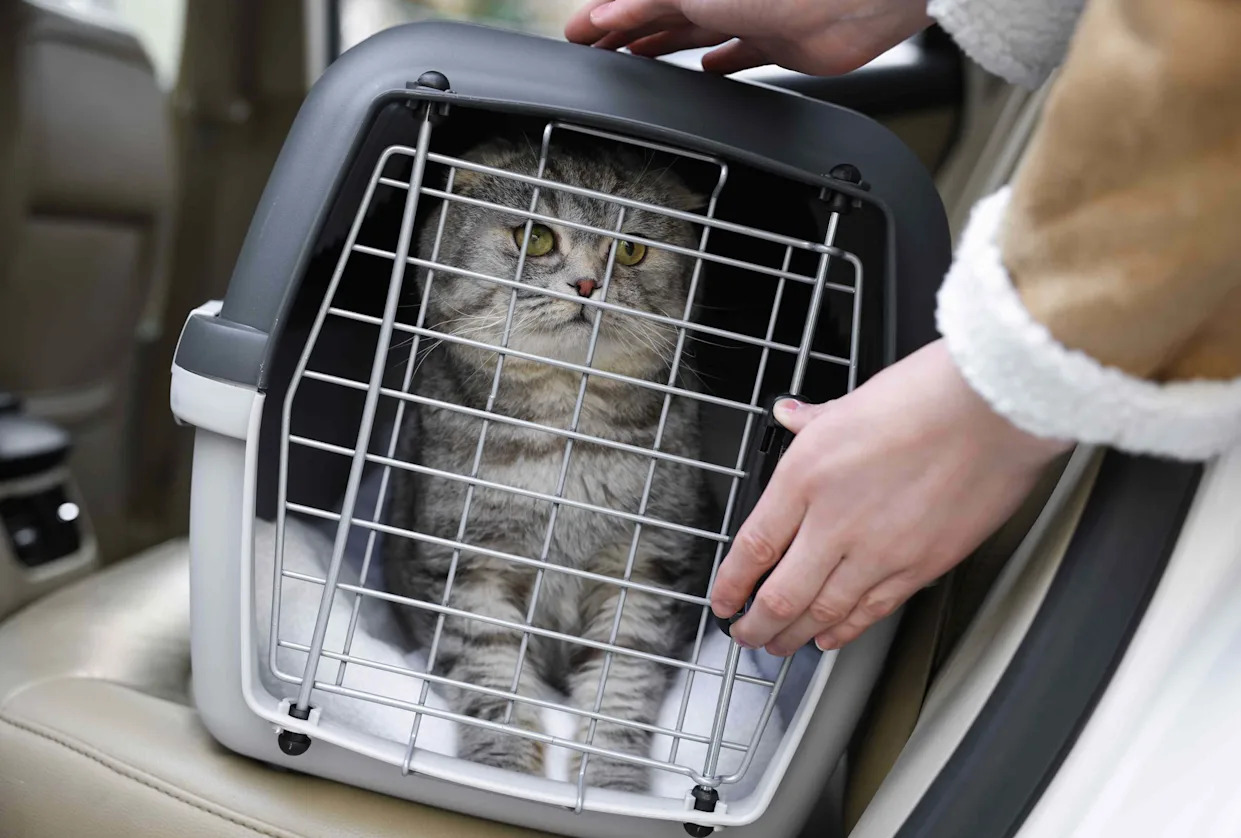
Are you planning to travel to Canada with your cat? You might be wondering if your furry friend needs a health certificate before the trip.
This is a question many pet owners ask because it can affect your travel plans and your cat’s safety. Knowing the right health requirements can save you from unexpected delays or stress at the border. Keep reading to find out exactly what you need to prepare so your cat can enjoy a smooth journey to Canada.

Credit: yourcatbackpack.com
Health Requirements For Canada Travel
Traveling to Canada requires meeting specific health requirements. These rules protect travelers and the community. Understanding these steps helps avoid travel delays and issues at the border. The main areas to focus on include vaccinations, medical exams, and travel insurance. Each plays a vital role in ensuring a safe and smooth trip.
Vaccination Essentials
Vaccinations prevent the spread of serious diseases. Canada often requires proof of certain vaccines for entry. Common vaccines include:
- COVID-19 vaccine
- Measles, Mumps, and Rubella (MMR)
- Tetanus and Diphtheria
Check the latest vaccine rules before traveling. Keep your vaccine records handy for border checks.
Medical Exams And Documentation
Some travelers need a medical exam before entering Canada. This exam ensures you do not carry contagious diseases. It also verifies overall health. A panel physician approved by Canada must perform the exam.
Prepare important documents like:
- Health certificates
- Medical exam results
- Vaccination records
These documents may be requested by immigration officers.
Travel Insurance Importance
Travel insurance covers unexpected health costs abroad. It can pay for doctor visits, hospital stays, and emergencies. Canada’s healthcare system may not cover all visitors. Insurance protects you from high medical bills.
Choose insurance with:
- Emergency medical coverage
- Trip cancellation protection
- Coverage for lost belongings
Always carry proof of insurance during your trip.

Credit: www.ottawahumane.ca
Common Health Risks For Travelers
Traveling to Canada offers stunning landscapes and vibrant cities. Staying healthy is key to enjoying your trip. Travelers face health risks that vary with season, location, and activities. Knowing these risks helps you prepare and stay safe.
Seasonal Illnesses In Canada
Canada’s weather changes a lot through the year. Cold winters bring flu and colds. Snow and ice increase the chance of injuries from falls. Summer can cause heat exhaustion and sunburn. Tick bites may lead to Lyme disease in some areas during warm months.
Preventing Common Travel Diseases
Vaccinations protect against flu and other diseases. Carry a basic first aid kit for cuts and scrapes. Use insect repellent to avoid bites. Wash hands often to stop germs. Avoid close contact with sick people. Dress properly for weather to prevent hypothermia or heat stroke.
Food And Water Safety Tips
- Drink bottled or filtered water only.
- Eat food that is cooked well and served hot.
- Avoid raw or undercooked meat and seafood.
- Wash fruits and vegetables before eating.
- Use hand sanitizer before meals if soap is unavailable.
Preparing Your Health Before The Trip
Preparing your health before traveling to Canada is essential for a smooth and safe trip. Good health helps you enjoy your visit without unexpected problems. Taking steps early can prevent many common travel issues.
Checking your health status and planning for medical needs ensures you stay well. Being ready with the right supplies and managing any ongoing health conditions makes traveling easier. Small actions can make a big difference in your travel experience.
Consulting Healthcare Providers
Visit your doctor at least a month before your trip. Discuss your travel plans and any health concerns. Ask about necessary vaccines or medications for Canada. Get advice on how to stay healthy during your travel. Share your medical history to receive proper guidance.
Packing A Travel Health Kit
Prepare a small kit with essential health items. Include:
- Prescribed medicines with enough supply
- Pain relievers and fever reducers
- Bandages and antiseptic wipes
- Allergy medications if needed
- Hand sanitizer and tissues
Keep the kit in your carry-on bag for easy access. Check the weather and duration of your stay to add suitable items.
Managing Chronic Conditions
Plan carefully if you have chronic illnesses. Carry extra medications and copies of prescriptions. Inform your healthcare provider about your travel dates. Learn about nearby hospitals or clinics in Canada. Maintain your regular treatment routines during the trip. Monitor your condition daily to avoid complications.

Credit: www.ottawahumane.ca
Health Services Available In Canada
Traveling to Canada with a cat may require health checks and vaccinations. Veterinary certificates ensure your pet meets entry rules. Health services help keep your cat safe during the trip.
Health Services Available in Canada Canada is known for its robust healthcare system, offering a wide range of services to both residents and visitors. As a traveler, you might be curious about how to access these services during your stay. Understanding the healthcare options available can help ensure that your travel experience is both safe and enjoyable.Accessing Medical Care
In Canada, medical care is accessible through public hospitals and clinics. As a visitor, you may need to pay for services, so travel insurance is highly recommended. Walk-in clinics are a convenient option for non-emergency situations, and they can be found in most cities.Pharmacies And Emergency Services
Pharmacies in Canada are well-stocked and provide a range of over-the-counter and prescription medications. They are usually open late, with some operating 24/7. In case of emergencies, dial 911 for immediate assistance, and rest assured knowing that Canadian emergency services are highly efficient.Telemedicine Options
Telemedicine has become increasingly popular in Canada, offering virtual consultations with healthcare professionals. This is a great option if you’re traveling in remote areas or prefer the convenience of a phone or video call. Check with your insurance provider to see if telemedicine services are covered during your visit. When planning your trip, consider how these healthcare options might fit into your itinerary. Would having telemedicine access ease your mind while exploring Canada’s vast landscapes? Being prepared can make all the difference in your travel experience.Special Considerations For Different Travelers
Traveling to Canada involves more than just packing your bags. Your health plays a crucial role, especially when different types of travelers face unique challenges. Understanding these special considerations ensures your trip is safe and enjoyable, no matter who you’re traveling with.
Traveling With Children
Children have different health needs that require extra attention. Vaccinations should be up-to-date, especially for common diseases like measles and chickenpox, since Canada has strict health standards.
Bring any necessary medications and a first-aid kit tailored for kids. Also, consider the climate—Canadian weather can be unpredictable, so pack layers and sun protection.
Have you checked if your child’s health insurance covers international travel? This can save you from unexpected medical bills.
Elderly Travelers’ Health Needs
Older adults often carry more health concerns, making preparation essential. Carry all prescription medications with clear labels and a doctor’s note explaining their necessity.
Mobility aids, if needed, should be arranged in advance with airlines or transport services. Also, schedule a health check-up before traveling to address any potential issues.
Think about travel insurance that covers pre-existing conditions and emergency care. It’s better to be safe than sorry.
Traveling With Pets
Bringing pets to Canada means you must follow strict health regulations. Vaccinations, especially rabies shots, should be current and documented.
Quarantine rules might apply depending on your pet’s country of origin, so check these well ahead of your trip. Prepare a travel kit for your pet with food, water, and comfort items.
Have you considered how your pet will handle the journey? Their health and safety are just as important as yours.
Frequently Asked Questions
Is A Health Check Required To Travel To Canada With A Cat?
Yes, a health check is mandatory for cats traveling to Canada. A veterinarian must certify the cat is healthy and free from contagious diseases. This helps prevent the spread of illnesses and ensures the pet’s safety during travel.
What Vaccinations Does My Cat Need To Enter Canada?
Cats must have up-to-date vaccinations, especially for rabies. A rabies vaccination certificate is required for cats over three months old. Additional vaccinations may be recommended depending on the region and travel conditions.
Do I Need A Pet Passport For My Cat To Canada?
Canada does not require a pet passport but needs a health certificate. The certificate must be issued by a licensed vet within 10 days before travel. This document proves your cat meets all health and vaccination requirements.
How Long Before Travel Should I Get My Cat’s Health Certificate?
Get the health certificate within 10 days before your cat’s departure to Canada. This ensures the information is current and accepted by Canadian authorities. Early preparation helps avoid travel delays or quarantine.
Conclusion
Traveling to Canada with your cat requires careful health checks. A vet visit and proper vaccinations keep your pet safe. Canada’s rules protect animals and people alike. Preparing your cat’s health documents makes travel smooth. Remember, healthy pets enjoy trips more.
Taking these steps helps avoid travel problems. Stay informed and plan ahead for a stress-free journey. Safe travels with your furry friend!



Leave a Reply