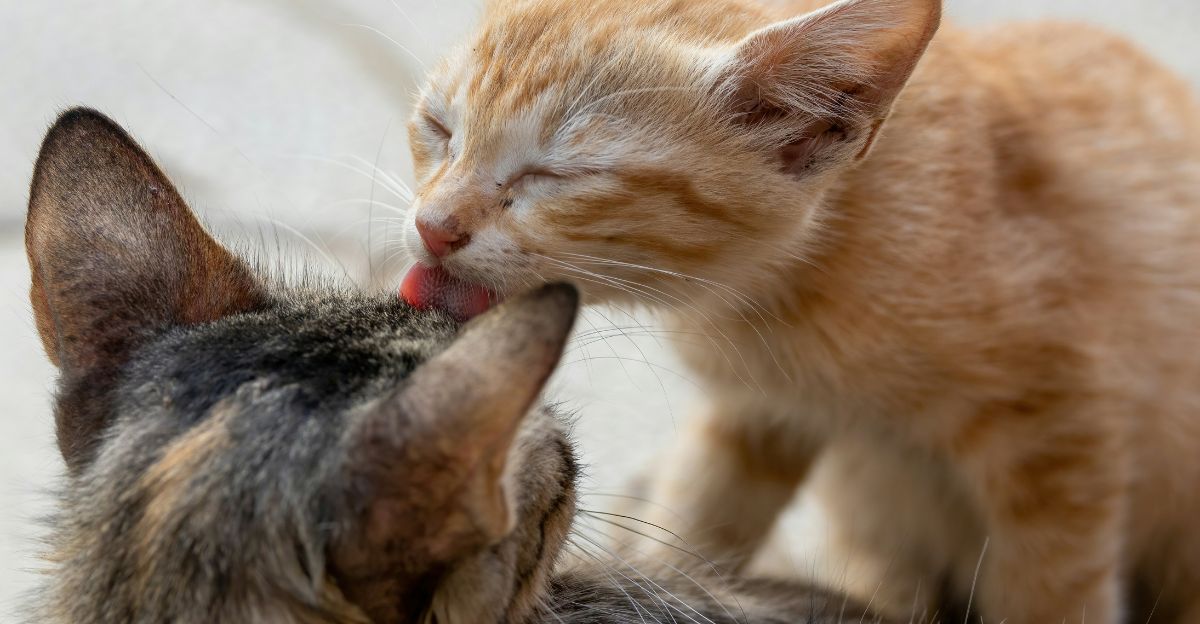
Have you ever watched two cats carefully licking each other and wondered what it really means? When cats groom each other, it’s more than just keeping clean.
This simple act reveals a lot about their feelings and relationships. If you want to understand your feline friends better and discover the hidden messages behind their grooming habits, keep reading. You’ll soon see your cats in a whole new light.
Social Bonding In Cats
Social bonding in cats goes beyond simple companionship. When you see cats grooming each other, it’s a sign of trust and connection. This behavior reflects deeper emotional ties that help cats feel secure and valued within their group.
Strengthening Relationships
Mutual grooming helps cats build and maintain strong relationships. It’s not just about staying clean; it’s a way for cats to show care and affection. You might notice your cats grooming each other more after playtime or when they’ve been apart for a while.
Think about your own friendships—how sharing a moment of kindness strengthens your bond. Cats do the same through grooming, reinforcing their social ties and reducing any tension.
Group Harmony
Grooming each other plays a key role in keeping peace within a cat group. It helps distribute scents that identify members as part of the same family, which minimizes conflicts. When you see cats grooming together, it’s their way of saying, “We belong together.”
Have you ever watched a group of cats pause from their activities to groom one another? That simple act promotes calm and cooperation. It’s a reminder that grooming is much more than hygiene—it’s essential for a peaceful and happy cat household.

Credit: www.moopetcover.com
Communication Through Grooming
Cats use grooming to communicate without words. This behavior is a key way they share feelings and messages. Grooming each other shows more than just cleaning. It is a special form of cat communication that builds bonds and trust.
Nonverbal Signals
Grooming sends clear signals between cats. It tells others they are calm and friendly. Cats lick areas hard to reach themselves. This action shows care and attention. It helps avoid fights by showing peaceful intent. Grooming also signals group membership and social rank. Cats use body language during grooming to express moods.
Trust And Affection
Mutual grooming means cats trust each other deeply. They feel safe and relaxed together. This behavior strengthens their friendship and social ties. Grooming releases calming chemicals in their brains. It reduces stress and creates comfort. Cats groom family members and close friends. This shows strong affection and a sense of belonging.
Health Benefits Of Mutual Grooming
Mutual grooming among cats is more than a social activity. It offers clear health benefits that improve their well-being. Cats help each other stay clean and healthy through this simple act. Their grooming strengthens bonds and supports physical health in important ways.
Parasite Control
Cats groom each other to remove dirt and loose fur. This action helps to control parasites like fleas and ticks. By cleaning hard-to-reach areas, cats reduce the chance of infestations. Mutual grooming keeps their skin healthy and prevents infections. It acts as a natural way to fight pests without chemicals.
Stress Reduction
Grooming creates a calm and safe environment for cats. The gentle licking lowers anxiety and promotes relaxation. Cats release feel-good hormones that reduce stress levels. This behavior strengthens their emotional bond and trust. Mutual grooming helps cats feel secure and less nervous.
Hierarchy And Grooming
Cats grooming each other is more than just cleaning. It is a strong sign of their social order. Grooming helps cats show their place in the group. Through this behavior, cats communicate roles and feelings.
Grooming can highlight who leads and who follows in their small community. It builds bonds but also sets clear limits. Understanding this helps us see how cats live together peacefully.
Dominance Displays
Dominant cats often start the grooming. They choose when and where grooming happens. This action shows control and power. The dominant cat may groom the other more often. It signals their higher rank in the group.
By grooming others, the leader sets rules silently. The groomed cat usually stays still and accepts. This behavior helps avoid fights and keeps peace.
Submission Indicators
The cat being groomed shows submission by staying calm. They may lower their head or close their eyes. These signs mean trust and respect towards the dominant cat.
Submission through grooming helps weaker cats stay safe. It shows they accept the social order. This keeps the group stable and reduces tension.
When Grooming Becomes Excessive
Grooming between cats usually signals affection and trust. But sometimes, what starts as gentle grooming can turn into a repetitive, obsessive behavior. When grooming becomes excessive, it might indicate underlying stress or health issues that need your attention.
Signs Of Stress
Excessive grooming often shows up as over-licking or biting, leading to bald spots or red, irritated skin. You might notice one cat constantly grooming another or even themselves to the point of causing wounds.
Other signs include changes in behavior like hiding, aggression, or loss of appetite. Ask yourself: is your cat grooming more than usual or at odd times?
These stress signals can stem from changes in their environment, such as new pets, moving homes, or loud noises. Noticing these signs early can help you prevent serious problems.
Intervention Tips
If you see excessive grooming, try to identify and reduce stress triggers first. Create a calm, safe space for your cats with cozy beds, quiet spots, and plenty of toys.
Introduce changes slowly and keep routines consistent. Sometimes, simply spending more quality time with your cat can ease their anxiety.
If grooming continues, consult your vet to rule out skin conditions or allergies. In some cases, they might recommend a behaviorist for specialized help.
- Distract your cats with interactive play to redirect their focus
- Use pheromone diffusers to create a soothing atmosphere
- Separate cats temporarily if the grooming seems to be causing tension
Have you noticed your cats grooming beyond the usual? Taking action early can protect their well-being and keep your home peaceful.

Credit: www.youtube.com
Differences In Grooming Among Cat Breeds
Cats grooming each other shows trust and friendship between them. Different breeds may groom more or less often based on their coat type and personality. This behavior also helps keep their fur clean and reduces stress.
Differences in grooming habits among cat breeds can be fascinating to observe. While all cats engage in grooming, how they do it can vary significantly depending on their breed. This diversity not only reveals quirks in their personalities but also helps us better understand their unique needs.Behavioral Variations
Certain breeds are more meticulous groomers than others. Siamese cats, for instance, are known for their fastidious grooming habits. They often spend hours ensuring every inch of their fur is immaculate. On the other hand, breeds like the Persian may rely more on their human companions for help due to their thick, luscious coats. Have you noticed your cat’s grooming habits aligning with its breed traits? Some cats groom each other as a form of social bonding. However, the way they go about it can be different. For example, a Maine Coon might groom with gentle licks, whereas a Russian Blue could be more vigorous.Environmental Influences
The environment your cat lives in can also impact its grooming habits. Cats in multi-pet households might groom each other more frequently as a way to establish or reinforce social bonds. Stressful environments might cause changes in grooming behavior too. Have you ever observed your cat over-grooming when there’s a sudden change in your home? Cats that have access to the outdoors might groom differently compared to indoor-only cats. Outdoor cats may groom more to remove dirt or debris picked up during their adventures. Understanding these differences can help you tailor care to your cat’s specific needs. Are there any changes you could make to better support your cat’s grooming habits?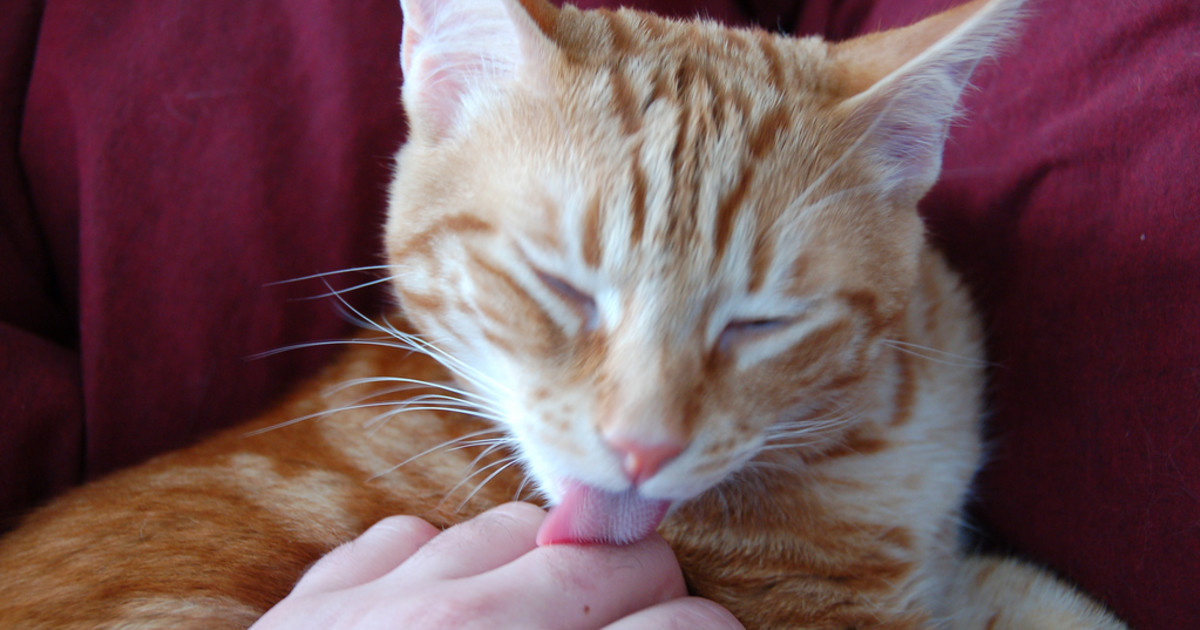
Credit: pethelpful.com
Frequently Asked Questions
Why Do Cats Groom Each Other Frequently?
Cats groom each other to strengthen social bonds and show affection. This behavior builds trust and reduces stress among cats. It also helps maintain cleanliness and promotes group harmony in multi-cat households.
Does Grooming Mean Cats Are Friends?
Yes, grooming indicates a friendly and trusting relationship. Cats only groom those they feel close to, signaling companionship and comfort. It’s a positive sign of social connection and mutual care.
Can Grooming Reduce Cat Stress?
Absolutely, grooming reduces stress by releasing calming pheromones. It soothes anxious cats and helps them feel safe within their social group. This behavior promotes emotional well-being in cats.
Is Mutual Grooming A Sign Of Hierarchy?
Yes, grooming can establish social hierarchy in cat groups. Dominant cats may initiate grooming, reinforcing their status. It’s a natural way to maintain order and cooperation among cats.
Conclusion
Cats grooming each other shows trust and friendship. It helps them stay clean and calm. This behavior also strengthens their bond every day. Watching cats groom can teach us about their feelings. It means they feel safe and happy together.
Understanding this helps you care for your pets better. So, next time you see cats grooming, remember it’s a sign of love. Simple, natural, and full of meaning.



Leave a Reply