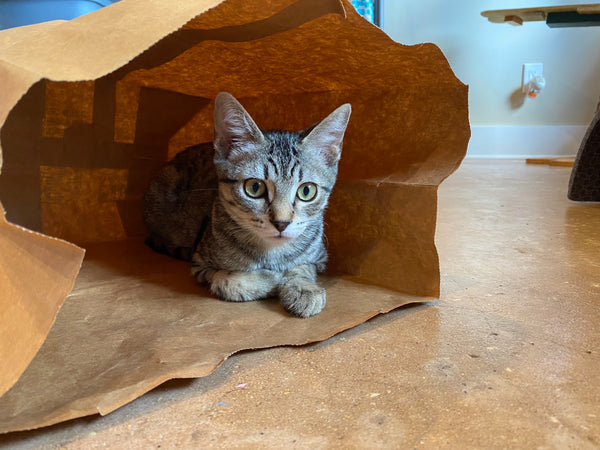
Have you ever noticed how your cat can ignore a fancy new toy but go wild over a simple piece of paper? It’s a curious habit that leaves many cat owners puzzled.
Why does your feline friend prefer crumpled paper to colorful, store-bought toys? Understanding this strange behavior can help you connect better with your pet and even save you money on unnecessary toys. Keep reading, and you’ll discover surprising reasons behind your cat’s love for paper—and how you can use this knowledge to keep your furry friend entertained and happy.
Cat Attraction To Paper
Cats often surprise us with their unusual preferences, and paper is a prime example. If you’ve noticed your feline friend ignoring expensive toys but diving into a pile of paper, you’re not alone. Understanding why paper appeals to cats can help you engage your pet better and maybe even save your wallet from those pricey toys gathering dust.
Texture And Sound Appeal
The crinkly texture of paper offers a unique sensory experience for cats. When they paw at or bite paper, it makes a satisfying sound that mimics the noises small prey might make. This sound triggers their hunting instincts, making paper more exciting than a silent, predictable toy.
Think about how your cat reacts to noisy toys versus quiet ones. Paper’s unpredictable rustling can keep your cat curious and entertained much longer. Have you ever noticed your cat batting a paper bag or shredding a sheet of paper with pure focus? That’s texture and sound working together to capture their attention.
Scent And Familiarity
Paper easily absorbs scents from its environment, including your cat’s own smell and the household smells they recognize. This creates a comforting, familiar place for your cat to explore or rest on. Unlike synthetic toys, paper feels like part of their territory.
Next time you see your cat on a stack of papers, consider that it’s not just random behavior. The familiar scent combined with the subtle aroma of your home makes paper a safe and inviting spot. Can you think of toys that carry your scent as naturally as paper does?
Temperature And Comfort
Paper often feels cooler or warmer than other surfaces, depending on the environment, offering a cozy spot for cats to lie on. Cats seek out temperature changes to regulate their body heat, and paper’s thin layer can provide just the right balance. This makes paper an attractive resting place, especially in varying room temperatures.
Personal experience shows that my cat prefers a paper-covered spot near a sunny window over plush cushions. The paper’s slight warmth and texture seem to suit her better. Have you observed your cat choosing unusual spots that offer the perfect temperature and comfort?

Credit: www.aol.com
Limitations Of Traditional Toys
Traditional cat toys often fall short of capturing your cat’s full attention. While these toys are designed to entertain, they sometimes lack the elements that really excite your feline friend. Understanding these limitations can help you figure out why your cat might prefer a simple piece of paper over their expensive toy mouse.
Lack Of Sensory Stimulation
Many cat toys don’t engage all your cat’s senses. Cats rely heavily on touch, sound, and even smell when hunting or playing. Most toys offer limited textures and sounds, making them less interesting after a few uses.
Think about a crinkly paper bag versus a smooth plastic ball. The paper’s unpredictable rustle provides sensory feedback that most toys can’t match. Have you noticed how your cat’s ears perk up at the sound of paper but ignore a silent toy?
Predictable Movements
Traditional toys often move in a repetitive, predictable way. Your cat’s hunting instincts thrive on surprise and unpredictability. If a toy always bounces the same way, it can quickly lose its appeal.
Paper, on the other hand, shifts and flutters differently each time your cat bats at it. This randomness keeps their attention longer. Are your toys too predictable to challenge your cat’s natural curiosity?
Material Differences
The materials used in traditional toys often don’t mimic the textures cats enjoy in nature. Toys are usually made from plastic, rubber, or fabric that feels artificial to your cat’s paws and mouth.
Paper offers a unique tactile experience: it’s lightweight, crinkly, and easy to manipulate. This makes it more fun to bite, scratch, and carry around. Next time you see your cat ignoring a plush toy, try swapping it for something with a different texture like paper or cardboard.
Natural Hunting Instincts
Your cat’s fascination with paper over its expensive toys often ties back to deep-rooted natural hunting instincts. These instincts drive your feline to seek out movement, texture, and unpredictability—elements that simple paper often provides better than many toys. Understanding this can help you better engage with your cat and make playtime more satisfying for both of you.
Simulating Prey Behavior
Paper mimics the erratic movements of prey far better than many rigid toys. When you crumple or toss paper, it creates unpredictable sounds and motions that catch your cat’s attention instantly.
Unlike toys that move in a consistent pattern, paper rustles, flips, and skitters in ways that stimulate your cat’s hunting senses. Have you noticed how your cat will stalk and pounce on a piece of paper like it’s a real catch? This raw, natural interaction keeps their instincts sharp and their mind active.
Interactive Play Preferences
Cats prefer play that allows them to control the action. Paper gives them the freedom to swat, grab, and tear, which feels more rewarding than chasing a toy on a string or in a machine.
Your cat’s play isn’t just about movement; it’s about interaction. When you toss paper, your cat can decide when to attack, retreat, or hide their “prey,” making the experience more engaging and satisfying.
Think about how you can use simple household items like paper to create an interactive play session. You don’t always need expensive toys to stimulate your cat’s natural behaviors and keep them mentally and physically fit.

Credit: tenderly.medium.com
Environmental Factors
Environmental factors play a significant role in why your cat might prefer paper over its fancy toys. The surroundings where your cat spends most of its time can influence its curiosity and play behavior. Let’s dig deeper into how availability and human interaction shape these preferences.
Availability And Accessibility
Have you noticed how your cat quickly pounces on a crumpled piece of paper left on the floor, while ignoring a brand-new toy sitting untouched? Cats are naturally drawn to items that are easy to reach and move around. Paper often lies around your home in unexpected spots, making it a convenient plaything.
Unlike toys stored in boxes or on shelves, paper is usually within paw’s reach. Its lightweight nature allows cats to bat, shred, and carry it effortlessly. This accessibility encourages spontaneous play, which can be more stimulating than scheduled toy time.
Human Interaction Influence
Your own behavior influences your cat’s choice too. When you drop a piece of paper or rustle it, you create an intriguing sound and movement that grabs your cat’s attention immediately. These spontaneous moments often feel more engaging than a static toy.
Think about how your cat reacts when you involve yourself with simple objects like paper. Your interaction adds excitement and unpredictability. This connection can make the paper seem more rewarding than toys that don’t receive the same attention.
Tips To Engage Cats With Toys
Cats enjoy paper because it feels interesting and makes noise when touched. Simple textures attract them more than many fancy toys. Playing with paper sparks their natural curiosity and hunting instincts.
Engaging your cat with toys can be a fun and rewarding experience, both for you and your feline friend. Cats have a natural curiosity and playful spirit, but sometimes they need a little encouragement to show interest in toys. By adding a few simple elements and strategies, you can make playtime irresistible.Incorporating Paper Elements
Cats often find paper irresistible because of its texture and sound. You can enhance a toy by adding a crumpled piece of paper or wrapping it around the toy. This not only adds a new dimension to the toy but also mimics the unpredictable movement of prey, catching your cat’s attention. Try tying a small strip of paper to a string toy. The rustling sound will intrigue your cat, making them pounce and chase with delight. You might be surprised at how a simple piece of paper can transform a toy into a favorite.Enhancing Toy Appeal
To make toys more appealing, consider incorporating scents or materials that cats find enticing. Catnip is a classic choice and can be sprinkled on or inside toys to boost interest. Experiment with different textures like feathers or soft fabrics to see what your cat prefers. Observe how your cat interacts with various toys and take note of what holds their attention the longest.Encouraging Active Play
Cats are natural hunters, and toys that simulate hunting can engage them in active play. Use interactive toys that mimic the movements of prey, like wands or laser pointers. Schedule regular play sessions to keep your cat active and stimulated. This not only strengthens your bond but also helps your cat maintain a healthy weight and mental sharpness. Think about how you can make playtime a routine part of your cat’s day. Would a morning session before work or an evening playtime fit better into your schedule? Your commitment to regular play will keep your cat engaged and happy.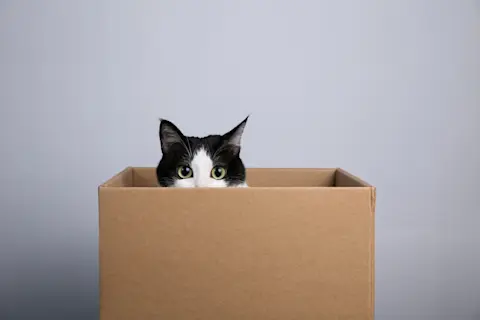
Credit: www.discovermagazine.com
Frequently Asked Questions
Why Do Cats Prefer Paper Over Store-bought Toys?
Cats enjoy paper because it mimics natural textures and sounds. Paper crinkles and moves unpredictably, engaging their hunting instincts more than many toys.
What Makes Paper So Attractive To Cats?
The texture, noise, and movement of paper stimulate a cat’s curiosity. It’s lightweight and easy to paw, providing instant entertainment and mental stimulation.
Can Playing With Paper Be Safe For Cats?
Yes, as long as the paper is free from toxic inks or staples. Supervised play ensures cats don’t swallow harmful pieces or choke.
Do Cats Lose Interest In Toys Faster Than Paper?
Often, yes. Many toys lack the novelty and sensory appeal of paper, which offers new sounds and textures every time cats play with it.
Conclusion
Cats find paper exciting because it feels and sounds unique. Paper moves unpredictably, making playtime fun and interesting. Toys often stay still or move in a regular way. Cats enjoy surprises, and paper offers that every time. It also lets them scratch and bite without damage.
This simple item keeps them curious and active. So, next time your cat ignores toys, try giving paper a chance. Play should be about joy, not just fancy toys. Cats know what makes them happy—and paper often wins.




Leave a Reply