You love your cat and want to keep them clean and happy. But have you ever wondered if too much grooming could actually harm your furry friend?
Over grooming might seem like a sign of care, but it can sometimes cause more problems than you expect. If you want to understand what over grooming means for your cat’s health and how to spot the warning signs, keep reading.
This could change the way you care for your pet and help you keep them comfortable and safe.
Credit: www.purina.com
What Is Over Grooming In Cats
Cats spend a lot of time grooming themselves. It is a natural behavior that helps keep their fur clean and healthy. But sometimes, cats groom too much. This can cause skin problems and other health issues. Understanding what over grooming is can help you keep your cat safe and happy.
Normal Grooming Behavior
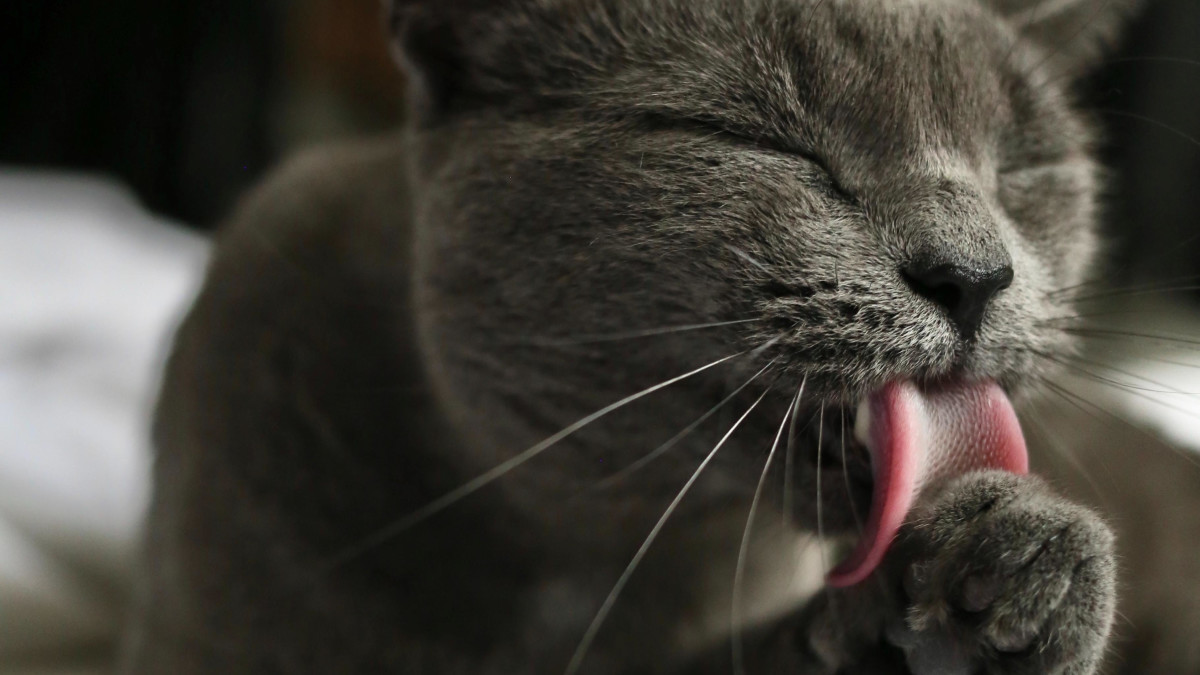
Cats groom to remove dirt, loose fur, and parasites. They lick their fur to spread natural oils. Grooming also helps cats cool down and relax. Most cats spend about 30-50% of their waking time grooming. This behavior is normal and healthy.
Signs Of Over Grooming
Over grooming happens when cats lick or bite their fur too much. This can cause bald spots or sore skin. You might see redness or scabs on their body. Cats may also chew their paws or tail repeatedly. Over grooming can be a sign of stress, allergies, or pain.
Credit: www.pumpkin.care
Causes Behind Excessive Grooming
Excessive grooming in cats can be more than just a quirky habit. It often signals something deeper going on beneath the surface. Understanding the causes behind this behavior helps you respond effectively and protect your cat’s health and happiness.
Stress And Anxiety
Stress is a common trigger for over grooming in cats. Changes in the environment, like moving to a new home or adding a new pet, can make your cat anxious. You might notice your cat licking or chewing its fur more when feeling nervous or bored.
Have you ever seen your cat focus on one spot, grooming it until the fur thins? This can be a way for cats to comfort themselves, but it often leads to skin problems. Recognizing stressful situations early can help you prevent this behavior from worsening.
Medical Conditions
Sometimes, over grooming points to underlying medical issues. Skin infections, allergies, or parasites like fleas make cats uncomfortable and lead them to lick excessively. If your cat suddenly starts grooming more than usual, a vet visit is essential.
There are also conditions like arthritis or pain in certain areas that cause cats to groom those spots more. Ignoring these signs can worsen your cat’s discomfort and lead to more serious problems.
Environmental Factors
Environmental elements play a big role in grooming habits. Dry air, harsh cleaning products, or poor diet can affect your cat’s skin and coat health. These factors might prompt your cat to groom in an attempt to soothe irritated skin.
Think about your cat’s surroundings and daily routine. Could something be causing discomfort or irritation? Small changes, like switching to a hypoallergenic shampoo or improving diet, can reduce over grooming significantly.
Health Risks Of Over Grooming
Over grooming in cats can lead to serious health problems. Excessive licking or biting damages their skin and fur. This behavior may seem harmless but causes discomfort and pain. Understanding these health risks helps owners protect their pets better.
Skin Irritation And Damage
Continuous licking removes natural oils from the cat’s skin. This causes dryness, redness, and inflammation. The skin becomes sensitive and prone to cracks. Scratches and wounds may also appear from constant biting.
Hair Loss And Bald Patches
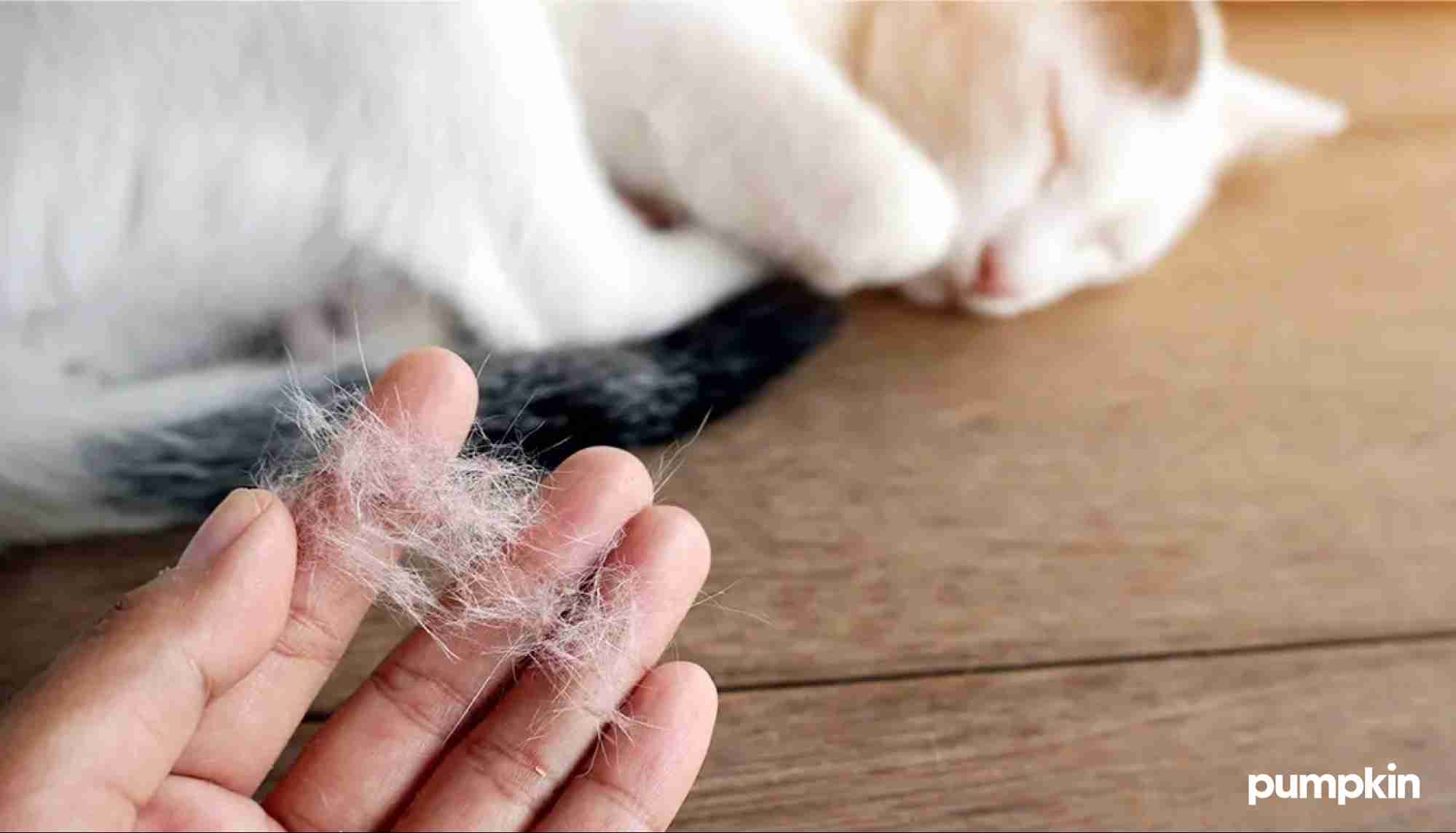
Over grooming pulls out fur, creating bald spots. These patches are often seen on the belly, legs, or tail. Hair loss makes cats vulnerable to cold and sunburn. It also lowers their natural protection against dirt.
Infections And Sores
Damaged skin invites bacteria and fungi. This can lead to painful infections and open sores. Infections cause swelling, pus, and bad odor. Untreated sores may worsen and need veterinary care.
Behavioral Impacts On Cats
Over grooming isn’t just a physical issue for cats—it can deeply affect their behavior too. Understanding these changes helps you spot problems early and support your cat’s well-being. Let’s look at how over grooming influences their mental state and habits.
Increased Anxiety Levels
Excessive grooming often signals stress or anxiety in cats. When they feel unsafe or unsettled, they might groom more to calm themselves. You might notice your cat licking or biting fur patches repeatedly, especially during loud noises or changes in their environment.
Have you ever seen your cat suddenly focus on grooming during a thunderstorm or after a visitor arrives? That’s anxiety showing up in their behavior. Helping them feel secure with quiet spaces and familiar scents can reduce this urge.
Compulsive Behavior Patterns
Over grooming can turn into a compulsive habit, where your cat grooms beyond cleaning needs. This compulsive behavior can lead to bald spots and skin irritation, worsening their discomfort. It’s similar to how humans might repeatedly wash their hands when stressed.
Watch for repetitive grooming at specific body spots or times, which may hint at compulsive tendencies. Addressing this might require enriching their environment with toys, playtime, or even consulting a vet for behavior therapy options.
How To Spot Over Grooming Early
Detecting over grooming in cats early can prevent health issues. Look for signs like bald spots or irritated skin. Frequent grooming beyond normal can indicate stress or medical problems.
Cats are known for their grooming habits. It keeps them clean and healthy. But over grooming can be harmful. Knowing how to spot this early is important. It helps prevent further issues. Let’s explore the signs of over grooming.Physical Symptoms
Look for bald patches on your cat’s fur. This can indicate excessive grooming. Check for redness or irritation on the skin. Scratching or licking may cause these symptoms. Notice any unusual hair loss. It might be due to over grooming. Keep an eye on these physical signs.Behavioral Changes
Observe your cat’s grooming habits. Is it grooming more than usual? This can be a sign of stress or anxiety. Pay attention to your cat’s mood. Does it seem more anxious or restless? Changes in behavior can signal a problem. Notice if your cat avoids being touched. It might be due to discomfort from grooming. Watch for these behavioral changes. They can help you spot over grooming early.
Credit: www.latimes.com
Preventing Over Grooming In Cats
Over grooming in cats can lead to skin irritation, bald patches, and even infections. Preventing this behavior requires careful attention to your cat’s environment, health, and grooming habits. You can take simple, effective steps to keep your feline friend comfortable and reduce the urge to over groom.
Creating A Calm Environment
Stress is a major trigger for over grooming in cats. You should provide a quiet space where your cat feels safe and undisturbed. Adding cozy beds, hiding spots, and interactive toys can help keep your cat mentally stimulated and relaxed.
Think about your cat’s daily routine—are there loud noises, sudden changes, or other pets causing anxiety? Minimizing these stressors can make a big difference in your cat’s grooming habits.
Regular Vet Checkups
Health issues like allergies, parasites, or skin infections often cause cats to groom excessively. Regular vet visits help catch these problems early before they become severe. Your vet can also recommend treatments or changes in diet that ease skin discomfort.
Don’t wait until you see obvious signs like bald spots or redness. Catching subtle changes in behavior or coat condition early keeps your cat healthier and happier.
Proper Grooming Routine
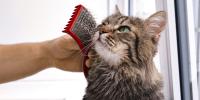
Keeping your cat’s coat clean and free from mats reduces the need for over grooming. Brush your cat regularly, especially if it has long hair. This not only removes loose fur but also spreads natural oils that protect the skin.
Use grooming as bonding time. Many cats enjoy gentle brushing and it can distract them from licking their skin. Are you sure your cat’s grooming needs are fully met? Sometimes, small adjustments in your routine prevent big problems.
Treatment Options For Over Grooming
Over grooming in cats can lead to serious health and behavioral issues. Treatment focuses on addressing the root cause. It often requires a combination of medical care, behavior changes, and environment improvements. Acting quickly helps prevent further damage to the cat’s skin and fur.
Medical Interventions
Veterinarians may prescribe medication to reduce itching and inflammation. Allergy treatments or antibiotics might be necessary for skin infections. Pain relief can help if the cat feels discomfort. Sometimes, special shampoos or ointments are used to heal irritated skin. Regular check-ups track the healing progress and adjust treatments.
Behavioral Therapy
Stress often triggers over grooming. Behavioral therapy helps calm anxious cats. Techniques include:
- Interactive play to reduce boredom
- Positive reinforcement for calm behavior
- Training to distract from grooming urges
- Use of calming pheromone diffusers
Patience is key in helping cats develop healthier habits.
Environmental Adjustments
Changes in the cat’s surroundings can lower stress levels. Provide a quiet, safe space for rest. Enrich the environment with toys, scratching posts, and climbing areas. Keep feeding and playtime routines consistent. Reduce loud noises and sudden changes in the home. These adjustments help cats feel secure and less likely to over groom.
Frequently Asked Questions
What Are The Signs Of Over Grooming In Cats?
Over grooming in cats shows as bald patches, red skin, and sores. Cats may also lick or bite the same spot repeatedly. These signs indicate stress, allergies, or medical issues. Early detection helps prevent further skin damage and discomfort for your cat.
Can Over Grooming Cause Health Problems In Cats?
Yes, over grooming can lead to skin infections, wounds, and hair loss. Constant licking can irritate the skin and cause inflammation. If untreated, it may develop into serious health issues. Regular vet check-ups are essential to address underlying causes.
Why Do Cats Groom Themselves Excessively?
Cats groom excessively due to stress, anxiety, allergies, or parasites. Pain or skin conditions can also trigger over grooming. Identifying the root cause is crucial for effective treatment. Providing a calm environment and proper care helps reduce excessive grooming.
How Can I Stop My Cat From Over Grooming?
To stop over grooming, identify and treat any medical problems first. Reduce stress by providing a safe, quiet space and engaging play. Use vet-recommended treatments for allergies or parasites. Regular grooming and attention can also comfort your cat.
Conclusion
Cats need grooming, but too much can cause problems. Over grooming may lead to skin issues or hair loss. Watch your cat’s behavior and fur closely. Healthy grooming keeps cats clean and happy. Always balance grooming time with your cat’s comfort.
Caring for your cat means knowing when to stop. Keep your pet safe and comfortable every day.

Leave a Reply