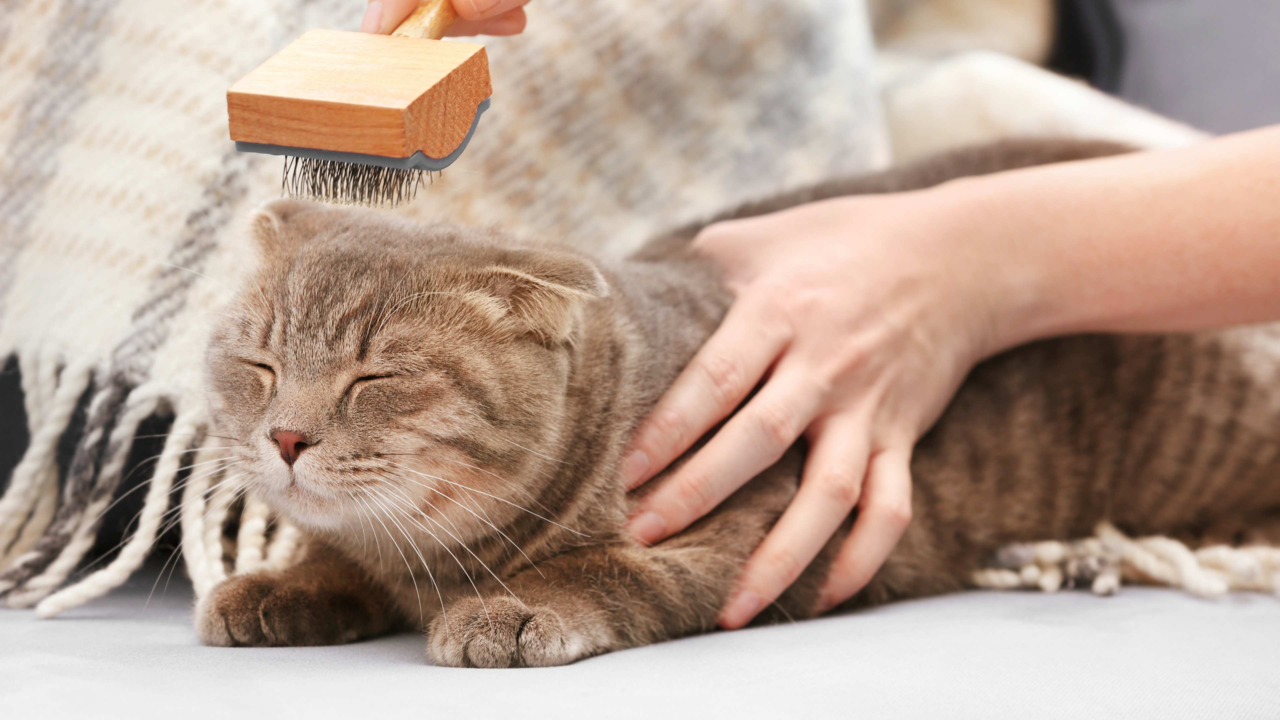
If you want your cat to look and feel its best, knowing how to groom cat fur is essential. Proper grooming keeps your furry friend comfortable, reduces shedding, and helps prevent hairballs.
But it’s not just about looks—grooming strengthens the bond between you and your cat. In this guide, you’ll discover simple, effective tips to make grooming easy and stress-free for both of you. Keep reading to find out how to keep your cat’s coat shiny, healthy, and tangle-free with minimal effort.
Choosing The Right Tools
Choosing the right tools is essential for effective cat fur grooming. The right equipment makes the process easier for both you and your cat. It also helps prevent discomfort and skin damage, which can happen if you use the wrong tools.
Combs And Brushes
Combs and brushes come in many shapes and sizes, each designed for specific fur types. A fine-toothed comb works well for short-haired cats to remove loose hairs and small mats. For long-haired cats, a wide-toothed comb or a slicker brush helps untangle knots without pulling the fur painfully.
Try different brushes on your cat to see which one they prefer. Some cats dislike stiff bristles, while others tolerate them well. Your cat’s reaction can guide you to the best choice.
Grooming Gloves
Grooming gloves are a great option if your cat resists traditional brushes. These gloves allow you to pet your cat while gently removing loose fur. They also help reduce shedding around your home.
Using gloves can turn grooming into a bonding experience. You might find your cat relaxes more when you use your hands instead of a brush. Have you noticed your cat’s reaction to being touched during grooming?
Nail Clippers And Scissors
Grooming isn’t just about fur. Trimming your cat’s nails keeps them comfortable and protects your furniture. Use nail clippers made specifically for cats to avoid splintering or cutting too close to the quick.
Scissors with rounded tips are useful for trimming fur around sensitive areas like the paws or rear end. Always take your time and keep your cat calm during nail and fur trimming. Have you ever tried trimming your cat’s nails? How did your cat respond?
Preparing Your Cat For Grooming
Preparing your cat for grooming is key to a smooth experience. Cats can feel nervous or stressed during grooming. Taking time to prepare helps your cat stay calm and cooperative. It also makes the process safer and more pleasant for both of you.
Creating A Calm Environment
Choose a quiet spot with few distractions. Turn off loud noises like TV or music. Use soft lighting to make the area cozy. Keep grooming tools nearby to avoid interruptions. A calm space helps your cat feel safe and relaxed.
Handling Your Cat Gently
Speak softly and move slowly around your cat. Use gentle touches to avoid startling them. Let your cat sniff the grooming tools first. Pet your cat calmly before starting the grooming. Respect your cat’s limits to build trust.
Timing Your Grooming Sessions
Pick a time when your cat is naturally calm, like after a nap. Keep sessions short at first to prevent stress. Gradually increase grooming time as your cat gets used to it. Regular grooming at good times helps your cat stay comfortable.
Brushing Techniques For Different Fur Types
Brushing cat fur depends on the type of coat your cat has. Each fur type needs a specific approach to keep it healthy and shiny. Proper brushing removes dirt, loose hair, and prevents hairballs. It also helps you check your cat’s skin for problems. Use gentle strokes and be patient to make grooming a pleasant time for your cat.
Short-haired Cats
Short-haired cats need less brushing than long-haired ones. Use a soft-bristle brush or a rubber grooming mitt. Brush in the direction of the fur growth. This helps remove loose hair and dead skin cells. Groom your short-haired cat once or twice a week. It keeps their coat smooth and reduces shedding.
Long-haired Cats
Long-haired cats require daily brushing to prevent tangles. Use a wide-toothed comb or a slicker brush. Start brushing from the head and move toward the tail. Pay special attention to the belly and behind the ears. These areas tangle easily. Be gentle to avoid pulling their fur, which can hurt them.
Dealing With Mats And Tangles
Mats and tangles cause discomfort and skin problems. Use a detangling spray for cats to make brushing easier. Hold the base of the tangle to avoid pulling the skin. Slowly work through the mat with a wide-toothed comb. For stubborn mats, use a mat splitter or consult a professional groomer. Never cut mats with scissors, as this can injure your cat.

Credit: tryfurgo.com
Bathing Tips For A Clean Coat
Bathing your cat helps keep its fur clean and healthy. It also reduces shedding and prevents mats. Many cats dislike water, so patience is key. A calm approach makes bath time easier for both of you.
Choosing Cat-friendly Shampoos
Use shampoos made specifically for cats. These products have gentle ingredients safe for feline skin. Avoid human or dog shampoos; they can cause irritation. Look for labels saying “hypoallergenic” or “tear-free.” Natural or organic options often work well. Check for added conditioners to keep fur soft.
Step-by-step Bathing Process
- Brush your cat before the bath to remove loose fur.
- Fill the sink or tub with a few inches of lukewarm water.
- Gently place your cat in the water, speaking softly to calm it.
- Use a cup or sprayer to wet the fur slowly, avoiding the face.
- Apply a small amount of shampoo, lathering carefully all over.
- Rinse thoroughly with lukewarm water until no soap remains.
- Keep water away from eyes, ears, and nose throughout.
Drying Your Cat Safely
Wrap your cat in a soft, absorbent towel. Gently pat the fur to remove excess water. Avoid rubbing, which can tangle fur or upset your cat. Use a hair dryer only on the lowest heat setting. Keep the dryer at a safe distance to prevent burns. Stop if your cat shows signs of stress. Let your cat air dry in a warm room if needed.
Maintaining A Healthy Coat
A cat’s coat reflects its overall health. A glossy and smooth coat means your cat is thriving. A dull coat might indicate underlying health issues. Regular grooming keeps your cat’s fur in top condition. It prevents tangles and reduces shedding. Let’s explore how to maintain a healthy coat.
Nutrition And Hydration
Good nutrition is crucial for healthy fur. Cats need a balanced diet rich in protein. Omega fatty acids improve coat quality. Ensure your cat drinks enough water daily. Hydration is key to a shiny coat. Wet food can help increase water intake.
Regular Grooming Schedule
Brush your cat regularly. This removes loose hair and reduces shedding. It also prevents matting. Use a brush suitable for your cat’s fur type. Long-haired cats need more frequent grooming. Short-haired cats benefit from weekly brushing.
Monitoring Skin Health
Check your cat’s skin during grooming. Look for redness or irritation. Signs of parasites like fleas should be addressed. Healthy skin supports a healthy coat. Consult a vet if you notice unusual skin changes. Early detection prevents serious issues.

Credit: meowcove.com
When To Seek Professional Grooming
Knowing when to seek professional grooming is key to keeping your cat healthy and comfortable. Some fur problems need expert care to avoid pain or illness. Recognizing these moments helps you act quickly and protect your pet.
Signs Your Cat Needs Expert Help
- Severe matting that you cannot remove safely
- Excessive shedding or bald patches on the skin
- Skin irritation, redness, or wounds beneath the fur
- Strong odor coming from the coat or skin
- Behavior changes like hiding or aggression during grooming
- Difficulty grooming due to age or health problems
- Excessive dandruff or flaky skin
Finding A Trusted Groomer
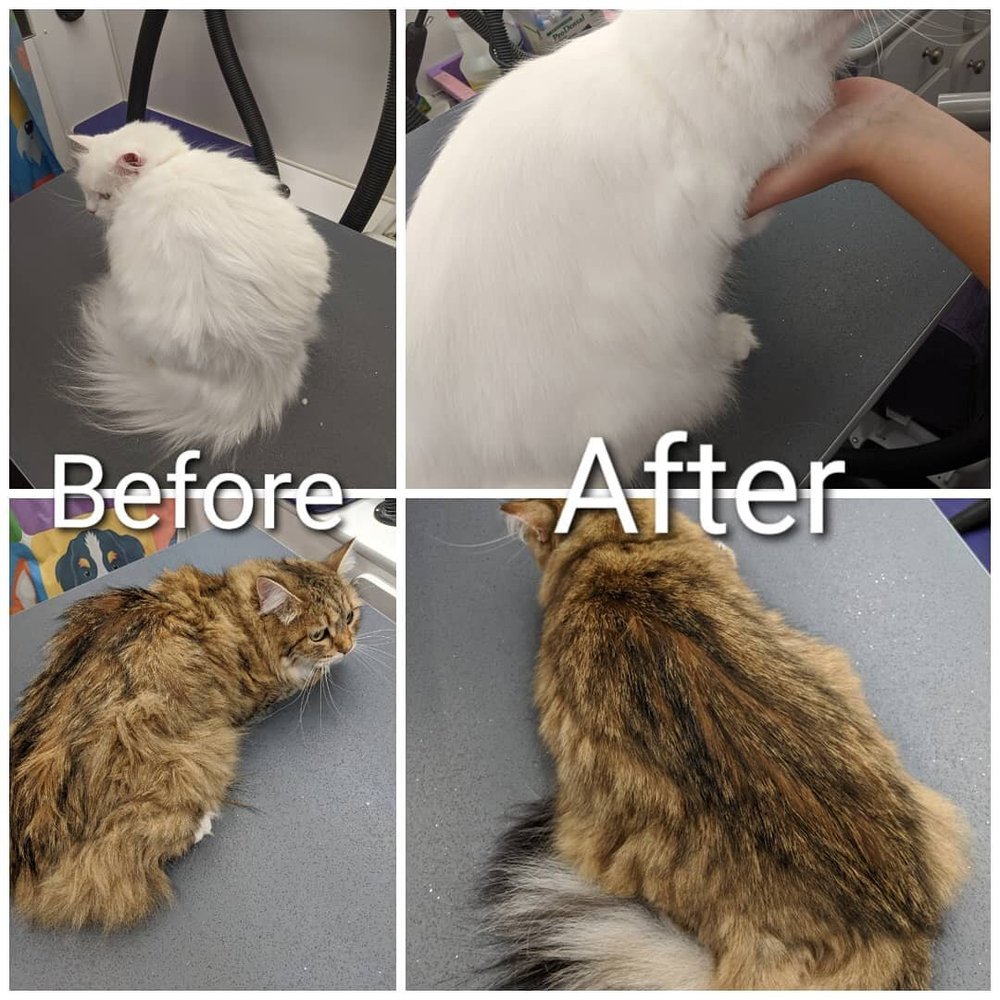
Choose a groomer with experience in cat care. Check reviews and ask for recommendations. Visit the grooming salon to see cleanliness and safety. Ensure the groomer uses gentle tools and techniques. Confirm they handle cats calmly and respectfully.
Preparing Your Cat For Grooming Appointments
Help your cat get ready for grooming visits. Brush your cat gently at home to reduce stress. Keep the cat calm with soft voices and treats. Bring a familiar blanket or toy to the appointment. Schedule sessions when your cat is relaxed and not hungry.
Credit: www.squeakycleangrooming.com
Frequently Asked Questions
How Often Should I Groom My Cat’s Fur?
Groom your cat’s fur at least once a week. Long-haired cats need daily grooming to prevent mats. Regular brushing reduces shedding and hairballs. Adjust frequency based on your cat’s fur type and lifestyle.
What Tools Are Best For Grooming Cat Fur?
Use a slicker brush for long hair and a bristle brush for short hair. A fine-toothed comb helps remove tangles. Nail clippers and grooming wipes are useful extras. Choose tools that suit your cat’s fur type.
How Do I Prevent Hairballs While Grooming?
Regular grooming removes loose fur and reduces hairballs. Brush your cat gently to avoid skin irritation. Feed hairball control cat food if necessary. Provide plenty of water to help digestion and fur passage.
Can Grooming Reduce Shedding In Cats?
Yes, grooming removes loose fur and reduces shedding. Brushing daily helps control hair spread around your home. Use the right brush for your cat’s coat type. Regular grooming keeps fur healthy and clean.
Conclusion
Grooming your cat’s fur helps keep them healthy and happy. Regular brushing reduces hairballs and mats. It also strengthens the bond between you and your cat. Use gentle strokes and the right tools for best results. Watch your cat’s reactions to make grooming a calm time.
With patience, grooming becomes easier each day. Your cat will enjoy softer, shinier fur. Keep these tips in mind for a happy pet and a cleaner home. Simple care makes a big difference in your cat’s life.




Leave a Reply