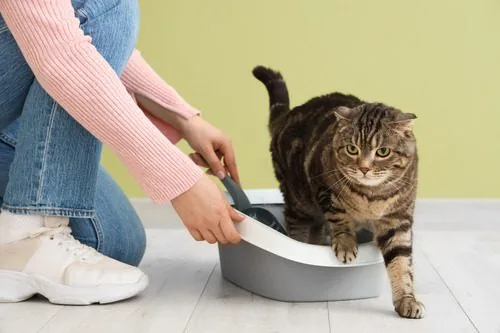
Have you noticed your cat suddenly pooping outside the litter box? It can be frustrating and confusing.
You might wonder, “Why is this happening now? ” or “Is something wrong with my cat? ” Understanding the reasons behind this behavior is the first step to fixing it. You’ll discover the common causes and simple solutions to help your furry friend get back on track.
Keep reading—you’ll find answers that could save you time, stress, and even your favorite rug.

Credit: www.aol.com
Common Health Issues
Cats usually use their litter boxes without trouble. When they suddenly stop, health issues might be the cause. Common health problems can make it hard or painful for cats to use the box. Knowing these problems helps you act quickly and keep your cat healthy.
Urinary Tract Problems
Urinary tract problems cause pain and urgency. Cats with infections or blockages may avoid the litter box. They might associate pain with the box and go elsewhere. Watch for signs like frequent urination or blood in urine. These symptoms need a vet’s attention fast.
Digestive Disorders
Digestive disorders can change how often or how easily cats poop. Diarrhea, constipation, or inflammation can cause accidents. Cats may find the litter box uncomfortable or too small during illness. These problems can come from diet, allergies, or infections. Treatment helps return normal litter box habits.
Pain And Discomfort
Any pain can make cats avoid the litter box. Arthritis or injuries make movement hard. Getting in and out of the box might hurt. Cats may choose softer or easier places to relieve pain. Adjusting the litter box or seeing a vet can improve comfort and habits.
Litter Box Problems
Sometimes, your cat’s sudden decision to poop outside the litter box can be traced back to issues with the litter box itself. Cats are particular creatures, and even small changes or problems can make them avoid their designated bathroom spot. Understanding these common litter box problems can help you pinpoint the cause and find a solution quickly.
Dirty Or Unpleasant Litter
Have you ever walked into a room and immediately noticed a bad smell? Your cat feels the same way about their litter box. If the box isn’t scooped daily or cleaned regularly, your cat might find it too unpleasant to use.
Even if you think it’s clean enough, cats can be very sensitive to odors. Try cleaning the box thoroughly and scooping waste at least once a day. You might see a quick improvement in your cat’s behavior.
Box Size And Location
Is the litter box too small or placed in a noisy, hard-to-reach spot? Cats need a comfortable, private area to do their business. A cramped box or one near loud appliances or high traffic can make your cat avoid it.
Consider moving the box to a quiet corner and upgrading to a larger size if needed. Watching your cat’s reaction to these changes can give you clues about what they prefer.
Type Of Litter Used
Have you recently changed the brand or type of litter? Cats can be picky about texture and scent. Some prefer unscented, fine-grain litter, while others dislike clumping varieties or strong fragrances.
Switching back to the old brand or trying a few different types can help you find the one your cat likes best. Have you noticed any patterns in your cat’s litter preferences before?
Stress And Anxiety
Stress and anxiety can cause cats to avoid their litter box. Changes in their environment or routine may make them feel unsafe. This behavior often signals that your cat needs comfort and reassurance.
Cats are often creatures of habit, so when they start pooping outside the litter box, it can be both perplexing and frustrating. Stress and anxiety are major culprits behind this behavior change. Understanding the stressors in your cat’s environment is crucial in addressing the issue and ensuring your feline friend feels secure and comfortable.Changes In Environment
Even small changes in your home can unsettle a cat. Moving furniture, new scents from cleaning products, or even different people visiting can disrupt their sense of stability. Have you recently rearranged your living room or started a home renovation project? These changes might seem minor to you but can create a significant impact on your cat’s comfort zone.Introduction Of New Pets
Introducing a new pet into the household can create a wave of anxiety for your cat. They might feel threatened or displaced by the newcomer. Imagine how you would feel if a stranger suddenly moved in without warning. To ease the transition, ensure your cat still gets plenty of personal space and attention.Lack Of Attention
Cats thrive on routine and attention. If you’ve been busy and spending less time with your feline friend, they might be feeling neglected. Have you noticed your cat seeking more attention lately, or perhaps showing signs of mischief? This could be their way of saying they miss the bond and interaction they once had with you. Understanding these stressors can help you create a more harmonious environment for your cat. By addressing their anxieties, you can guide them back to their litter box and restore peace in your home.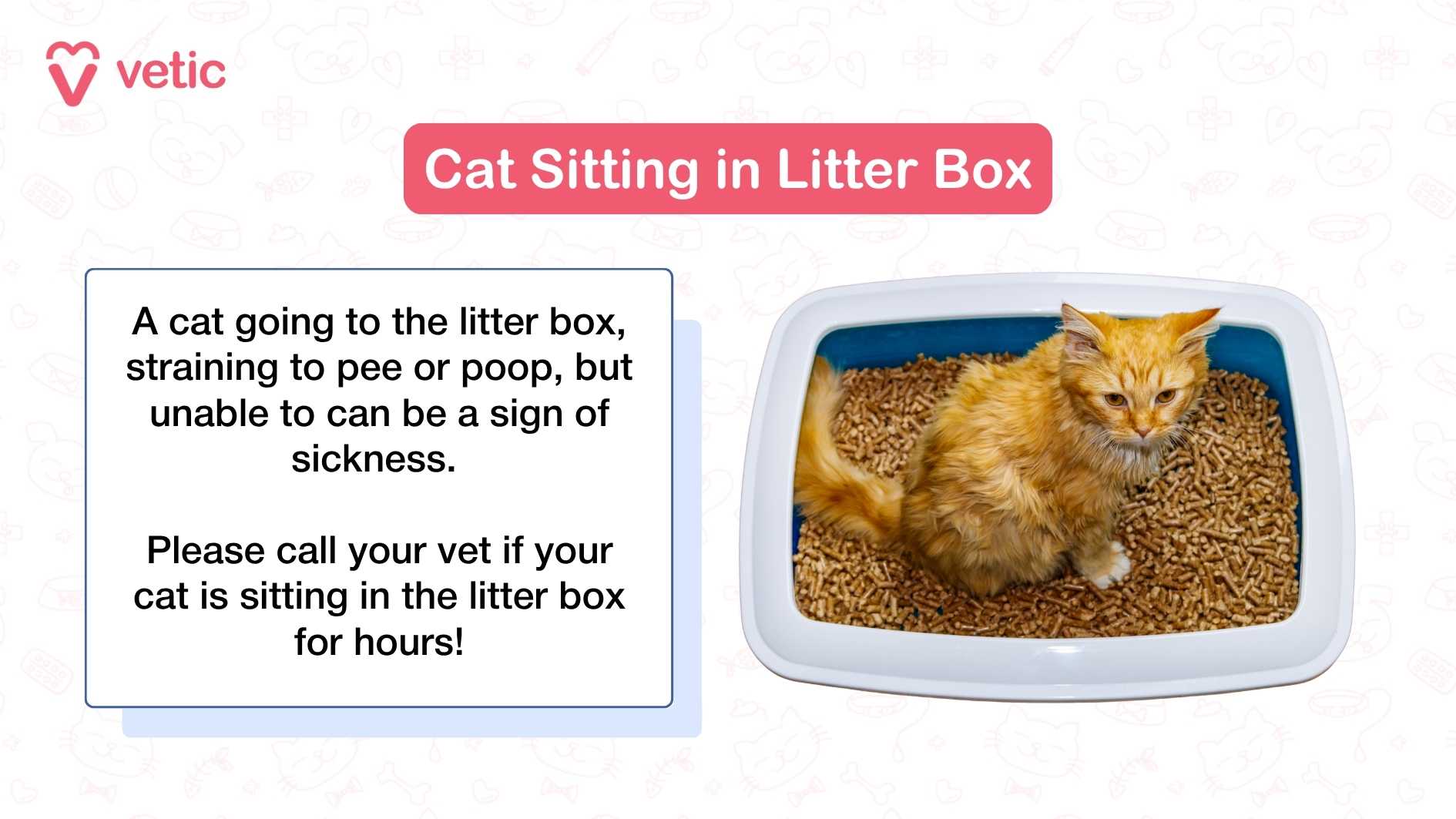
Credit: vetic.in
Behavioral Causes
When your cat starts pooping outside the litter box, understanding the behavioral causes can help you address the issue effectively. Behavioral changes often signal that your cat is trying to communicate something important. Let’s look at common behavioral reasons behind this puzzling habit and how you can respond.
Territorial Marking
Cats are naturally territorial creatures. When they feel threatened by other pets or changes in their environment, they may poop outside the litter box to mark their territory.
Have you noticed new animals near your home or rearranged furniture? These can trigger territorial marking. To help your cat feel secure, try maintaining a consistent routine and provide separate litter boxes if you have multiple pets.
Habit Formation
Sometimes, cats develop a habit of pooping outside the litter box after a one-time negative experience, like a loud noise or an uncomfortable litter texture.
Once this habit forms, it can be tough to break. Cleaning the soiled areas thoroughly to remove odors and gradually reintroducing your cat to the litter box with positive reinforcement can be very effective.
Seeking Attention
If your cat feels ignored or lonely, they might poop outside the litter box to get your attention. Even negative attention can seem better than no attention at all.
Consider whether your cat is getting enough playtime and interaction. Increasing quality time together can reduce this behavior and strengthen your bond.
Solutions And Prevention
Solving the issue of a cat pooping outside the litter box requires understanding the root cause. There are clear steps to help your cat return to healthy bathroom habits. Prevention is about creating a safe and comfortable space for your cat.
Veterinary Checkup
A visit to the vet can rule out health problems. Infections, digestive issues, or pain can cause litter box avoidance. The vet may suggest tests or treatments based on symptoms. Early diagnosis prevents complications and helps your cat feel better fast.
Improving Litter Box Setup
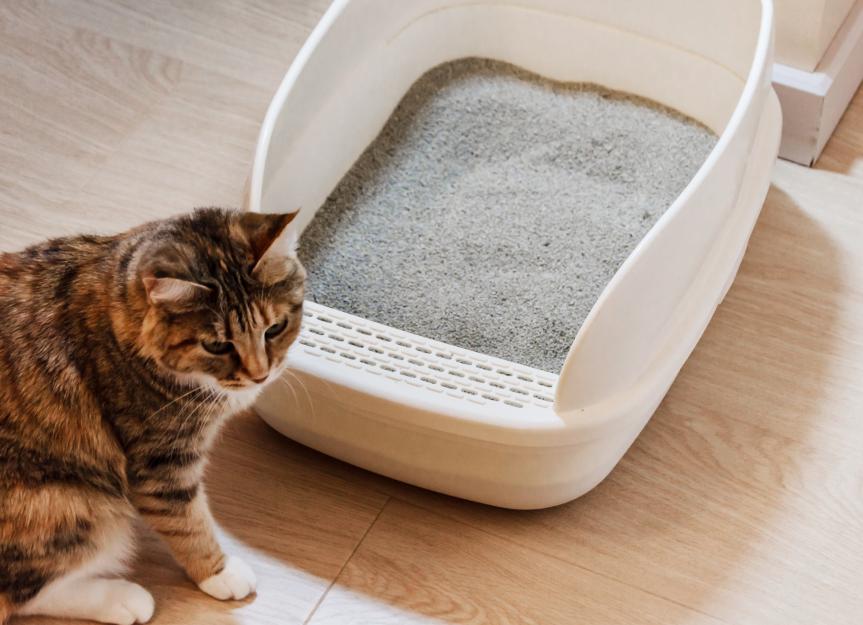
Make sure the litter box is clean and accessible. Scoop waste daily and wash the box weekly. Use litter your cat prefers, avoiding strong scents. Place the box in a quiet, low-traffic area. Consider adding more boxes if you have multiple cats.
- Choose a box size that fits your cat comfortably.
- Use unscented, clumping litter for easier cleaning.
- Avoid covered boxes if your cat dislikes them.
Reducing Stress Factors
Stress can cause a cat to avoid the litter box. Changes in routine, new pets, or loud noises upset cats. Create calm spaces with familiar toys and bedding. Spend time playing and bonding to ease anxiety. Use pheromone diffusers to help relax your cat.
Credit: www.petmd.com
Frequently Asked Questions
Why Is My Cat Pooping Outside The Litter Box Suddenly?
Cats may poop outside due to stress, illness, or litter box issues. Check for medical problems first. Also, ensure the box is clean and accessible. Changes in environment or routine can cause anxiety, leading to accidents.
How Can I Stop My Cat From Pooping Outside?
Clean the litter box daily and place it in a quiet, accessible area. Use a litter type your cat prefers. Address any health concerns with a vet. Provide stress relief through play and a calm environment.
Could Health Problems Cause Litter Box Avoidance?
Yes, infections, constipation, or digestive issues can make cats avoid the box. Pain during elimination often leads to accidents. Always consult a veterinarian if your cat’s behavior changes suddenly.
Does Litter Type Affect My Cat’s Bathroom Habits?
Absolutely. Cats may reject certain litter types due to texture or scent. Experiment with unscented, clumping litter to find what your cat prefers. Consistency helps prevent accidents.
Conclusion
A cat pooping outside the litter box can mean many things. It might feel sick, stressed, or dislike the box’s cleanliness. Changes at home can also upset your pet. Watch your cat’s behavior and check the litter box often. Try to keep the box clean and quiet.
If problems continue, talk to a vet. Understanding your cat helps fix this issue faster. Patience and care make your cat happy again.



Leave a Reply