
If you have two cats at home, you might be wondering: will 2 cats use the same litter box? It’s a question that many cat owners face and one that can affect your cats’ comfort and your home’s cleanliness.
Choosing the right litter box setup isn’t just about saving space or money—it’s about making sure your cats feel safe and happy. Keep reading to discover what experts say about sharing litter boxes and how you can avoid common problems before they start.
Your cats—and your nose—will thank you!
Cat Behavior And Litter Box Use
Cats have unique ways of using their litter boxes. Their behavior influences whether two cats can share one box. Understanding these habits helps keep cats happy and clean.
Territorial Instincts
Cats mark their territory with scent. The litter box is part of this space. Some cats guard their box and avoid sharing. Sharing can cause stress or fights. Others tolerate sharing if they trust each other. Individual personality plays a big role.
Social Habits
Some cats enjoy close company. They might share a litter box without issues. Others prefer solitude and separate spaces. Cats from the same family may share better. New cats need time to adjust to sharing. Social hierarchy also affects box use.
Stress And Litter Box Issues
Stress can cause litter box problems. Sharing a box might increase stress in some cats. Signs include avoiding the box or urinating outside. Multiple boxes reduce stress and conflicts. Clean boxes and quiet locations help too.
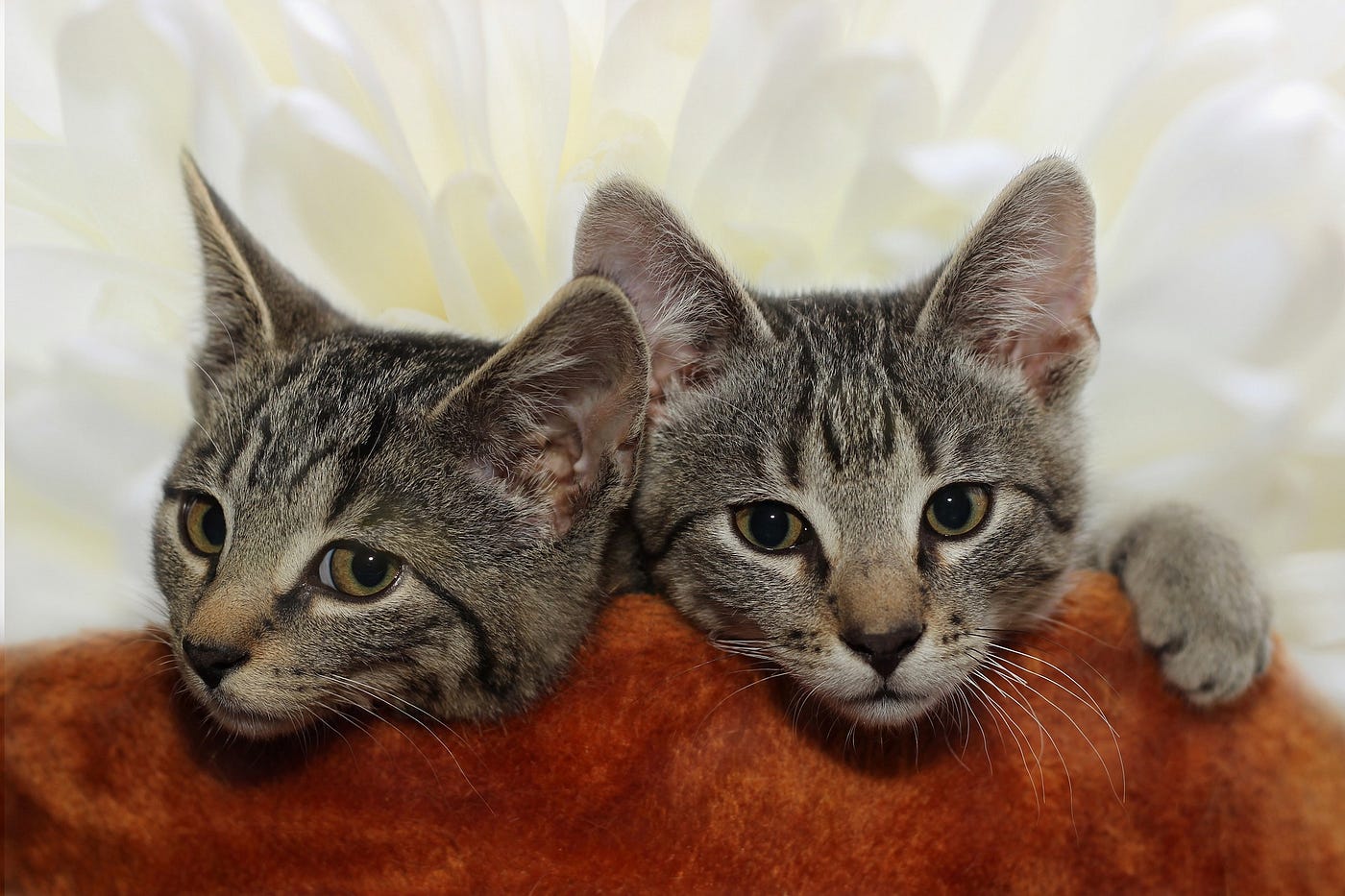
Credit: medium.com
Factors Affecting Shared Litter Box Use
Sharing a litter box between two cats might seem simple, but several factors influence whether it will actually work well in your home. Understanding these factors helps you avoid stress for both your cats and yourself. Let’s look at what really affects shared litter box use and how you can create a comfortable environment for your feline friends.
Number Of Cats And Box Size
The number of cats directly impacts how many litter boxes you need. A common rule is to have one litter box per cat, plus one extra. This prevents overcrowding and competition.
Box size also matters. A larger box gives your cats more space to move and dig. If you have two cats sharing, choose a bigger box or multiple boxes to reduce conflicts.
Age And Health Considerations
Older cats or those with health issues may avoid a shared litter box. Arthritis or mobility problems make it hard for them to enter or exit cramped spaces. Cats with urinary tract infections need immediate and easy access to a clean box.
If one cat is sick, sharing a litter box can spread infections. Consider separate boxes for cats with special health needs to keep everyone comfortable and safe.
Box Location And Privacy
Where you place the litter box affects whether cats will use it together. Cats prefer quiet, private spots away from busy areas. Placing the box near noisy appliances or in high-traffic zones can discourage use.
Think about your cats’ personalities too. Shy cats may avoid a box in a common area if a more dominant cat is nearby. Offering multiple, well-located boxes gives cats choices and peace of mind.
Benefits And Drawbacks Of Sharing
Two cats sharing one litter box can save space and reduce costs. Some cats may dislike sharing, leading to stress or accidents. Observing your cats helps decide if one box is enough or if separate ones are better.
Sharing a litter box between two cats can be a practical decision for many pet owners. On the surface, it seems convenient, but like any choice, it comes with its own set of benefits and drawbacks. Let’s break down the various aspects you should consider before making this decision.Space And Cost Efficiency
Having a single litter box for two cats can save you both space and money. If you live in a small apartment, finding room for multiple litter boxes can be a challenge. With one box, you free up space for other essentials or simply enjoy a less cluttered environment. Financially, maintaining one litter box means buying less litter. Over time, this can add up to significant savings. Who wouldn’t want to save a few dollars on pet supplies?Potential Conflicts
However, sharing can lead to conflicts between your furry friends. Cats are territorial creatures, and some may not appreciate sharing their personal space. Imagine the tension when one cat decides to stake a claim, leaving the other feeling unwelcome. To avoid potential fights, observe your cats’ behavior. Are they comfortable sharing, or does one seem to dominate the space? Paying attention to these cues can help you decide if a shared litter box is right for them.Hygiene Concerns
Hygiene is another critical factor. More cats using the same box means it will fill up faster, requiring more frequent cleaning. An unclean litter box can lead to unpleasant odors and even health issues for your cats. Consider your cleaning routine. Are you able to commit to more frequent scooping? A clean litter box not only keeps your home smelling fresh but also keeps your cats healthy and happy. Ultimately, the decision to have two cats share a litter box depends on your specific circumstances and your cats’ personalities. What works for one household might not work for another. So, what’s your next move going to be?
Credit: www.gntos.org
Choosing The Right Number Of Litter Boxes
Choosing the right number of litter boxes is essential for keeping your cats happy and your home clean. Many cat owners wonder if two cats can share the same litter box or if they need separate ones. The answer depends on several factors, including your cats’ personalities, health, and litter box habits.
General Recommendations
A good rule of thumb is to have one litter box per cat, plus one extra. This means if you have two cats, you should ideally have three litter boxes. This setup helps reduce stress and territorial disputes between your cats.
Each litter box should be placed in a quiet, accessible area. Avoid putting boxes near loud appliances or in tight corners, as cats prefer privacy. You want your cats to feel comfortable and secure when they use their boxes.
Adjusting For Multiple Cats
Some cats tolerate sharing better than others. If your cats get along well and have similar litter preferences, they might share a box temporarily. However, watch their behavior closely for signs of discomfort or avoidance.
Consider different types of litter boxes to suit your cats’ needs. Covered boxes can provide privacy, but some cats dislike the enclosed space. Offering a mix of covered and uncovered boxes can help you figure out what works best.
Signs You Need More Boxes
Are you noticing litter box accidents or one cat guarding the box? These are clear signs you need more boxes. Cats often avoid using a box if it’s dirty or if another cat is nearby.
Also, if your cats start to urinate outside the box or show signs of stress, it’s time to add more litter boxes. Remember, a clean and plentiful supply of boxes keeps your cats healthy and your home odor-free.
Maintaining A Shared Litter Box
Keeping a shared litter box clean and comfortable is key for two cats. It helps prevent conflicts and keeps both cats happy. A well-maintained box reduces stress and health risks.
Paying attention to cleaning, litter choice, and odor control makes a big difference. These practices encourage cats to use the box regularly and avoid accidents.
Cleaning Frequency
Clean the litter box daily to remove waste. Scoop out clumps and solid waste every day. Change all the litter at least once a week. Use warm water and mild soap for full cleaning. Avoid strong chemicals that can scare cats away.
Litter Type And Depth
Choose a litter type both cats like. Clumping litter often works well for easy cleaning. Keep the litter depth around 2 to 3 inches. Too little litter makes digging hard. Too much litter can spill outside the box. Observe your cats’ preferences and adjust if needed.
Preventing Odors
Good ventilation helps reduce smells. Place the box in a well-ventilated area. Use baking soda under the litter to absorb odors. Replace litter regularly to keep it fresh. Clean the box thoroughly to stop bacteria build-up. Odor control makes the litter box more inviting.
Expert Tips For Multi-cat Households
Managing a multi-cat household can be rewarding but challenging, especially when it comes to litter box habits. Cats have unique personalities, and understanding their behavior is key to keeping peace and cleanliness. Here are expert tips to help you navigate the dynamics of sharing or separating litter boxes among your feline friends.
Monitoring Behavior Changes
Keep a close eye on how your cats use the litter box. Are they avoiding it, or showing signs of stress around it? Changes like frequent urination outside the box or sudden aggression can indicate discomfort or health issues.
Note the timing and context of these behaviors. Does one cat guard the box or block the other from entering? Observing these patterns helps you spot problems early and adjust your setup before conflicts escalate.
Creating Separate Spaces
Even if your cats seem fine sharing, providing multiple litter boxes can reduce tension. A good rule is one box per cat, plus one extra. This prevents territorial disputes and gives shy cats a safe option.
Place boxes in quiet, accessible areas away from food and water bowls. This small change can encourage consistent use and reduce accidents. Have you tried adding a covered box or a different litter type to appeal to each cat’s preferences?
When To Consult A Veterinarian
If litter box issues persist despite your efforts, a vet visit is essential. Health problems like urinary tract infections or kidney issues often cause litter box avoidance. Early diagnosis can save your cat discomfort and prevent worsening behavior.
Don’t ignore subtle signs like excessive grooming or changes in appetite alongside litter box troubles. A veterinarian can provide tests, treatments, and advice tailored to your cats’ needs, helping restore harmony at home.

Credit: www.reddit.com
Frequently Asked Questions
Will Two Cats Share One Litter Box Comfortably?
Two cats can share one litter box, but it depends on their personalities. Some cats prefer separate boxes to avoid stress. Providing multiple boxes is ideal for harmony and cleanliness.
How Many Litter Boxes Do Two Cats Need?
The recommended number is one litter box per cat, plus one extra. For two cats, three boxes ensure cleanliness and reduce territorial disputes.
Can Sharing A Litter Box Cause Health Issues?
Sharing a litter box may increase risks of infections and stress. Separate boxes help maintain hygiene and reduce the chance of urinary tract problems.
How Often Should Litter Boxes Be Cleaned For Two Cats?
Clean litter boxes daily for two cats to prevent odors and promote use. Regular scooping and full litter changes keep cats healthy and happy.
Conclusion
Two cats can share one litter box, but it depends on their habits. Some cats accept sharing easily. Others prefer their own space. Cleanliness is key to avoid problems. Keep the litter box tidy and fresh. Watch your cats’ behavior for signs of stress.
Providing multiple boxes often helps reduce conflicts. Pay attention to your cats’ needs and comfort. A happy cat is a healthy cat. Simple steps make sharing easier for your pets.



Leave a Reply