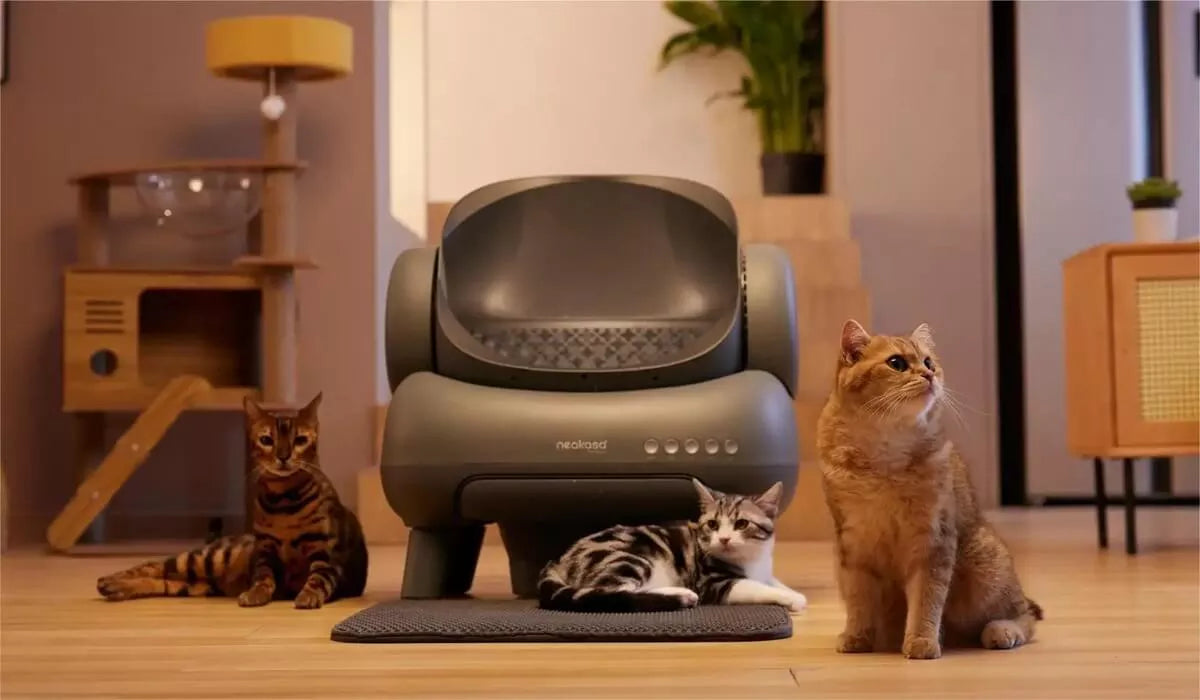
If you have three cats, you might be wondering how many litter boxes you really need. Getting this right is more important than you think.
Too few boxes can lead to messy problems and unhappy cats. Too many, and you might feel overwhelmed. This simple question affects your cats’ comfort and your home’s cleanliness. Keep reading to find the perfect balance that keeps your furry friends happy and your space fresh.

Credit: www.amazon.com
Ideal Litter Box Count
Determining the ideal number of litter boxes for your three cats is key to keeping them happy and your home clean. Too few boxes can lead to stress and unwanted accidents, while too many might take up unnecessary space. Striking the right balance means understanding both general guidelines and the unique needs of your feline friends.
General Rule For Multiple Cats
The most common advice is to have one litter box per cat, plus one extra. So, for three cats, you should have at least four litter boxes. This rule helps prevent territorial disputes and ensures each cat has a clean, accessible spot to do their business.
From personal experience, I found that following this guideline made a huge difference. When I had only three boxes for my three cats, one of them started going outside the box. Adding that fourth box stopped the problem immediately.
Factors Influencing Litter Box Numbers
Not all cats use the litter box the same way. Age, health, and personality can affect how often and where they prefer to go. For example, older cats or those with mobility issues might need a box in a quieter, more accessible location.
Other factors include the size of your living space and the type of litter boxes you use. Large homes or multi-level houses might require boxes in different rooms or floors to avoid long walks for your cats.
- Multiple cats with social tensions may need separate boxes to reduce stress.
- Cats with dietary issues or health problems may need more frequent cleaning and more boxes.
- If you use covered boxes, having extra uncovered ones can offer your cats choices and comfort.
Ask yourself: Are your cats all comfortable sharing spaces, or do they prefer their own territory? Observing their behavior can guide you in adjusting the number of boxes to suit their needs perfectly.
Choosing The Right Litter Boxes
Choosing the right litter boxes for three cats is important for their comfort and cleanliness. Each cat needs enough space to move freely. The boxes must suit their size and habits. The right choice helps prevent accidents and keeps your home fresh. Understanding box size and type, along with the pros and cons of open versus covered boxes, makes a big difference.
Box Size And Type
Choose litter boxes that fit your cats’ size. Bigger boxes give cats room to dig and turn around. Small boxes can cause stress and mess. For three cats, use multiple boxes to avoid crowding.
- Standard size boxes are usually 18 by 24 inches.
- Extra-large boxes work well for big cats or multiple cats.
- Self-cleaning boxes reduce cleaning time but need power and maintenance.
- Simple trays are easy to clean and affordable.
Pick a type that suits your lifestyle and your cats’ preferences.
Open Vs Covered Boxes
Open boxes allow fresh air and easy access. Cats can see their surroundings, which feels safer for some. They reduce odors faster but can spread litter outside the box.
Covered boxes offer privacy and contain odors better. Cats who like hiding spots prefer them. Some cats dislike covered boxes and may avoid using them.
- Open boxes: good airflow, easier to clean, more space.
- Covered boxes: less smell, more privacy, can trap odors.
- Try both types to see what your cats prefer.
Placement Tips For Litter Boxes
When setting up litter boxes for three cats, placement matters. It ensures each cat feels comfortable. Proper placement minimizes stress and encourages use. Read on for practical tips.
Quiet And Accessible Locations
Choose quiet spots for litter boxes. Cats prefer privacy when using them. Avoid noisy appliances like washing machines. This reduces stress for your cats. Make sure locations are easy to reach. Cats should access boxes without trouble. Keep boxes on each floor of your home. This helps older or less active cats.
Avoiding High Traffic Areas
Place litter boxes away from high traffic areas. Busy spots can scare cats. Keep them out of hallways and entryways. These areas are often busy with movement. Cats prefer calm environments for their business.

Credit: www.amazon.ca
Cleaning And Maintenance
Keeping litter boxes clean and well-maintained is essential for the health and happiness of your three cats. Proper cleaning prevents odors and discourages your cats from avoiding their boxes. It also helps you spot any health issues early by monitoring changes in their waste.
Frequency Of Cleaning
How often you clean the litter boxes can make a big difference. Ideally, you should scoop waste at least twice a day. Cats prefer a tidy space, and regular scooping keeps the litter fresh and inviting.
Once a week, completely change the litter and wash the boxes with mild soap and warm water. Avoid harsh chemicals that can leave a scent your cats might dislike. If you notice any strong odors or your cats seem reluctant to use their boxes, increase the cleaning frequency.
Best Cleaning Practices
- Use unscented litter:Strong scents can deter cats from using their litter boxes.
- Keep boxes in quiet, accessible spots:This encourages regular use and reduces accidents.
- Use liners carefully:Liners can make cleaning easier but some cats dislike them.
- Dry thoroughly after washing:Moisture can cause odors and discomfort.
From personal experience, switching to a gentle, unscented litter and scooping more frequently eliminated my cats’ litter box issues. Are you paying attention to how your cats behave around their boxes? Small changes in cleaning habits can have a big impact on their comfort and your home’s freshness.
Behavioral Signs To Watch
Watching your cats’ behavior closely can reveal a lot about their comfort with the litter boxes you provide. Changes in their bathroom habits often signal that something is off, whether it’s the number of litter boxes or their placement. Paying attention to these signs can help you act quickly to keep your cats happy and healthy.
Indications Of Litter Box Issues
Look for signs like one or more cats avoiding the litter boxes completely. You might notice scratching around the house instead of inside the box, or accidents outside the designated areas. Sometimes, a cat may use the box but with hesitation, spending less time inside or showing signs of distress.
Another key sign is when cats start urinating or defecating in unusual spots, such as on furniture or near doors. These behaviors often point to discomfort with the litter box situation rather than health issues. Have you observed any sudden changes in your cats’ bathroom routine?
How To Address Avoidance
Start by ensuring you have enough litter boxes—generally, one per cat plus one extra is ideal. Check that each box is clean and in a quiet, accessible spot. If your cats avoid certain boxes, try moving them to different locations or changing the type of litter.
Sometimes, the size or style of the box can make a difference. For example, covered boxes might feel confining to some cats. Offering both open and covered options can let your cats choose what they prefer.
If problems persist, separate the cats and observe if one is bullying the others from the boxes. Providing multiple boxes in different rooms can reduce tension. What small changes could you make today to improve your cats’ litter box experience?

Credit: www.amazon.com
Special Considerations
Special considerations affect how many litter boxes suit your cats best. Different needs change the number and placement of boxes. Adjustments keep your cats comfortable and happy.
Senior Or Sick Cats
Older or ill cats may need easier access to litter boxes. They might move slower or feel pain. Place boxes in quiet, low-traffic areas. Use shallow boxes for easy entry. Keep boxes extra clean to prevent infections. More boxes can reduce stress for these cats.
Multi-level Homes
Houses with multiple floors need litter boxes on each level. Cats dislike traveling far to use the box. Place a box on every floor to avoid accidents. This setup helps all cats find a convenient spot. Spread boxes in different rooms for privacy.
Frequently Asked Questions
How Many Litter Boxes Do I Need For 3 Cats?
You need at least 4 litter boxes for 3 cats. The rule is one box per cat plus one extra. This prevents territorial disputes and keeps cats comfortable. Multiple boxes reduce litter box problems and promote cleanliness.
Can 3 Cats Share Fewer Litter Boxes?
Sharing fewer boxes often causes stress and accidents. Cats prefer their own litter box space. For 3 cats, fewer than 4 boxes may lead to conflicts. Providing enough boxes ensures each cat has a private spot.
Where Should I Place Litter Boxes For 3 Cats?
Place litter boxes in quiet, accessible, and separate areas. Avoid crowded or noisy spots. Spread boxes across different rooms or floors. This reduces competition and encourages proper litter box use.
What Type Of Litter Box Is Best For 3 Cats?
Choose large, easy-to-clean litter boxes with high sides. Covered boxes may trap odors and deter use. Multiple open boxes work well for multi-cat households. Select durable boxes that suit your cats’ preferences.
Conclusion
Three cats need at least four litter boxes to stay happy. Each cat wants its own space to use. Having extra boxes helps avoid fights and messes. Place boxes in quiet, easy-to-reach spots around your home. Clean them often to keep cats comfortable and healthy.
This simple step makes life better for both you and your cats. Remember, more boxes mean less stress for your furry friends. Keep it simple, and your cats will thank you.



Leave a Reply