Have you ever caught your cat sleeping in its litter box and wondered why? It might seem strange or even concerning, but there are reasons behind this curious behavior that you should know.
Understanding why your cat chooses the litter box as a resting spot can help you ensure their comfort and health. Keep reading to discover the surprising reasons your cat prefers this unusual nap place—and what you can do to help them feel safe and happy.

Credit: www.yahoo.com
Cats And Their Sleep Habits
Cats have unique sleep habits that often surprise their owners. Understanding these habits can explain why cats choose unusual places to rest. Their sleep patterns and favorite spots reveal much about their comfort and safety needs. Observing these behaviors helps in providing a better environment for your feline friend.
Typical Cat Sleeping Patterns
Cats are crepuscular animals. They are most active at dawn and dusk. They sleep between 12 to 16 hours daily. Some cats can sleep up to 20 hours. Their sleep occurs in short bursts. These naps help them stay alert and ready to move quickly. Cats cycle between deep sleep and light rest. This pattern allows them to respond to sounds or movements fast.
Common Sleep Spots For Cats
Cats prefer warm, quiet, and safe places. They often choose spots with soft bedding or blankets. Common spots include:
- Sunny windowsills
- Cozy corners
- Under furniture
- On laps or beds of their humans
- Inside boxes or small enclosed spaces
These locations give cats a sense of security. They feel hidden yet able to watch their surroundings. Some cats even pick unusual spots like the litter box, especially if they feel stressed or unwell.
Reasons Cats Choose Litter Boxes
Cats sometimes choose to sleep in their litter boxes. This behavior may seem strange to cat owners. Understanding the reasons helps to address their needs better. Cats look for safe, quiet, and comfortable spots to rest. The litter box can provide this kind of environment. Several factors explain why cats prefer this unusual place.
Seeking Comfort And Security
The litter box feels like a small, enclosed space. Cats enjoy tight spaces that make them feel safe. It offers protection from other pets or loud noises. The familiar scent inside the box also calms them. Some cats may see it as their private area. This sense of security makes the box a cozy resting spot.
Illness Or Stress Signals
Sleeping in the litter box can signal health problems. Cats may feel unwell or in pain. They might stay close to the box to avoid moving much. Stress or anxiety also changes their behavior. Changes in the home or routine can cause this. Observing other signs is important to help the cat.
Temperature Preferences
The litter material sometimes keeps the box warm. Cats often seek warm places to sleep. The box’s location might be cooler or warmer than other spots. In hot weather, cats may avoid the box for cooler places. In cold weather, the box may offer extra warmth. Temperature plays a key role in their choice.
Behavioral Causes
Cats are mysterious creatures with unique behaviors. One puzzling habit is sleeping in the litter box. This can be due to several behavioral causes. Understanding these can help you address the issue effectively.
Territorial Instincts
Cats are territorial animals. They mark their spaces with scent. The litter box often carries their scent. This makes it a familiar and safe place. In multi-cat households, a cat might sleep there to claim the box. It may be a way to assert dominance or feel secure.
Changes In Environment
Any change can stress a cat. Moving homes or rearranging furniture can disrupt their comfort. They might retreat to the litter box for a sense of stability. It is a known spot that smells like them. Their own scent provides comfort amidst unfamiliar surroundings.
Attention-seeking Behavior
Cats notice your reactions. If you show concern when they sleep in the box, they might do it more. It becomes a way to get your attention. Cats are smart and know how to engage their owners. They may resort to unusual behavior to achieve this.

Credit: www.youtube.com
Health Concerns To Watch For
Noticing your cat sleeping in the litter box can signal health problems. Cats rarely choose this spot for comfort alone. It may indicate discomfort, pain, or stress. Watching for health concerns helps catch issues early. Understanding common problems guides proper care and timely vet visits.
Urinary Tract Issues
Cats with urinary tract infections often seek the litter box more. Painful urination or frequent trips cause stress. The litter box becomes a safe place near relief. Blood in urine or straining to urinate needs immediate attention. Ignoring symptoms risks serious kidney or bladder damage.
Pain Or Discomfort
Pain from injury or illness drives cats to hide in the litter box. The confined space offers a sense of security. Cats with arthritis or wounds may lie there to avoid moving. Watch for changes in grooming, appetite, or behavior. Early vet checks help ease discomfort and speed recovery.
Anxiety And Stress Disorders
Stress can push cats to unusual behaviors, including sleeping in the litter box. Changes at home or new pets increase anxiety. The litter box acts as a refuge during overwhelming times. Signs include hiding, vocalizing, or aggression. Reducing stress and creating calm spaces improves their well-being.
How To Help Your Cat
Helping your cat stop sleeping in the litter box starts with understanding their needs. Cats seek comfort and safety. Meeting these needs reduces stress and unwanted behaviors. Observe your cat’s habits closely. Small changes in their environment can make a big difference.
Creating Comfortable Sleep Areas
Provide soft, warm beds in quiet spots. Choose areas away from loud noises and heavy foot traffic. Use blankets or cushions your cat likes. Place beds near windows or sunny spots. Cats enjoy warmth and natural light. Rotate bed locations to find your cat’s favorite. Keep beds clean and dry to attract your cat.
Monitoring Health And Behavior
Watch for signs of illness or discomfort. Changes in eating, drinking, or litter box use matter. Look for hiding, lethargy, or aggression. Note if your cat avoids or clings to you more. Keep a daily log of these behaviors. This helps detect issues early. Stress and anxiety can cause unusual sleep spots. Identify and reduce stress triggers around your home.
Consulting A Veterinarian
Visit the vet to rule out medical problems. Cats may sleep in the litter box due to pain or illness. Common issues include urinary tract infections or digestive problems. Share your behavior log with the vet. Follow their advice and treatment plans carefully. Regular check-ups keep your cat healthy and happy. Early care prevents serious health problems later.
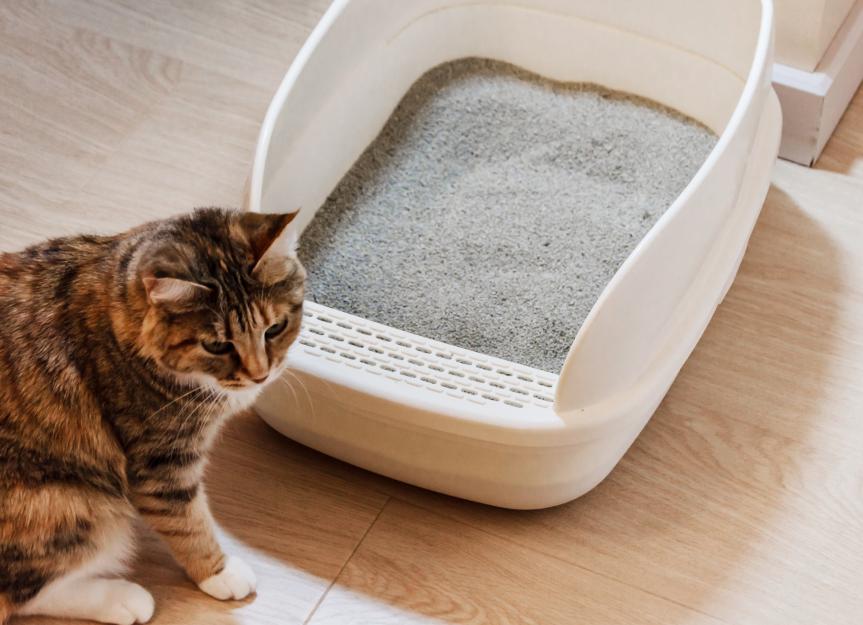
Credit: www.petmd.com
Frequently Asked Questions
Why Do Cats Choose To Sleep In Litter Boxes?
Cats may sleep in litter boxes due to stress, illness, or comfort. The enclosed space feels safe and secure. Sometimes, they seek warmth or relief from pain. Observing this behavior helps identify health or environmental issues early.
Is Sleeping In The Litter Box A Sign Of Illness?
Yes, cats sleeping in litter boxes can indicate health problems. Urinary tract infections or digestive discomfort often cause this behavior. If your cat shows this habit, consult a veterinarian promptly for diagnosis and treatment.
How Can I Stop My Cat From Sleeping In The Litter Box?
Improve your cat’s environment by providing cozy beds and quiet spaces. Ensure the litter box is clean and placed away from sleeping areas. Regular vet check-ups help rule out medical causes for this behavior.
Does Litter Box Size Affect A Cat’s Sleeping Choice?
Yes, a small or cramped litter box may discourage use but can attract cats seeking confined spaces. Providing an appropriately sized litter box helps prevent this behavior and ensures comfort during use.
Conclusion
Cats sleeping in their litter box can seem strange at first. They may feel safe and cozy there. Sometimes, health or stress issues cause this behavior. Watching your cat closely helps spot any problems. Keep their litter box clean and quiet.
Offer warm, soft beds nearby to encourage better spots. Understanding your cat’s needs builds a happier home. Remember, patience and care go a long way. Your furry friend will thank you with love and trust.



Leave a Reply