If you have a cat, you know how important a clean litter box is—for both you and your furry friend. But how often should you really change the cat litter box?
Is daily scooping enough, or does the whole box need a fresh start more often? The answer might surprise you, and getting it right can make a huge difference in your home’s smell, your cat’s health, and even your peace of mind.
Keep reading, because understanding the best routine will make life easier for you and happier for your cat.
Signs To Change The Litter Box
Knowing when to change the cat litter box helps keep your home fresh. Cats prefer a clean space for their bathroom habits. Watching for signs can guide you to clean at the right time. Clean litter boxes prevent odors and keep cats happy.
Odor Levels
Strong smells from the litter box mean it needs changing. A clean box should not have a bad odor. If the room smells even with the box covered, clean it quickly. Odors can bother both cats and people. Fresh litter keeps the air clean and pleasant.
Clumping Issues
Clumping litter should form solid clumps when wet. If clumps break apart or do not form, the litter is old or dirty. Poor clumping makes cleaning harder and less effective. Changing the litter helps maintain good clumping and hygiene. Watch for wet spots that do not clump well.
Cat Behavior Changes
Cats may avoid the litter box if it is dirty. Look for signs like urinating outside the box or scratching around it. A dirty box can cause stress or discomfort for your cat. Clean litter boxes encourage healthy bathroom habits. Pay attention to your cat’s habits for clues.

Credit: perfectpetzzz.com
Daily Maintenance Tips
Keeping your cat’s litter box fresh is essential for both your cat’s comfort and your home’s cleanliness. Daily maintenance might seem like a small task, but it makes a huge difference in preventing odors and ensuring your cat uses the box consistently. Here are some practical tips you can apply every day to keep the litter box in top shape.
Scooping Frequency
Scooping out the litter box at least once a day is a good rule to follow. Removing clumps and waste promptly stops smells from building up and keeps the litter inviting for your cat. If you have multiple cats, consider scooping twice a day to stay ahead of odor and mess.
Think about how often your cat uses the box. Some cats are more sensitive to dirty litter than others and may avoid the box if it’s not clean enough. Have you noticed your cat hesitating to use the box? Increasing scooping frequency might be the solution.
Spot Cleaning Tricks
Besides scooping, spot cleaning helps maintain a clean box between full litter changes. Use a small scoop or paper towel to quickly remove any scattered litter or wet spots. This simple step can reduce tracking and keep the area around the box tidy.
Try placing a low-sided tray or mat under the box to catch stray litter. It makes daily spot cleaning faster and keeps your floors cleaner. Have you tried using different types of mats? Some materials trap litter better than others, making your job easier.
Weekly Cleaning Routine
Cat litter boxes should be cleaned and changed regularly to keep your home fresh. Changing the litter every week helps prevent odors and keeps cats happy. Regular scooping combined with weekly changes ensures a clean and healthy environment.
A consistent weekly cleaning routine for your cat’s litter box not only ensures a fresh environment for your feline friend but also maintains a pleasant home atmosphere. While daily scooping tackles the immediate mess, a deeper clean is essential to prevent odor buildup and bacterial growth. Implementing a weekly schedule will make this task manageable and keep your cat purring in comfort.Full Litter Replacement
Replacing the litter entirely every week is crucial for maintaining hygiene. Even if the litter appears clean, it can harbor bacteria and unwanted odors. Empty the contents of the litter box into a trash bag, being mindful not to spill any on the floor. Monitor your cat’s behavior—if they seem reluctant to use the box, it might be time to replace the litter sooner. Cats appreciate a clean space, and a fresh layer of litter will encourage them to use the box consistently. Consider using a litter liner to make the replacement process smoother and less messy.Washing The Box
After removing the old litter, it’s time to wash the box thoroughly. Use warm water and mild soap to scrub the interior, ensuring you reach all corners and edges. Avoid using harsh chemicals, as they can leave residues that might deter your cat from using the box. Rinse the box well to remove any soap traces, and allow it to dry completely before adding new litter. You might be surprised at how this small step can make a huge difference in controlling odors. Have you noticed how a clean box can even make your home feel more inviting?Factors Affecting Change Frequency
Changing the cat litter box depends on several important factors. These factors affect how often you should clean or replace the litter. Paying attention to them helps keep your home fresh and your cat happy.
Number Of Cats
More cats mean more waste. A single cat may need the litter box cleaned every few days. With two or more cats, daily cleaning is best. Cats do not like sharing dirty litter boxes. Regular cleaning prevents odors and keeps cats healthy.
Type Of Litter
Different litters absorb moisture and odors differently. Clumping litter makes scooping easier and can last longer. Non-clumping litter often needs full changes more often. Some natural litters may require frequent changes to stay fresh. Choose litter that suits your cleaning routine and your cat’s needs.
Box Size And Type
Small boxes fill up faster. Larger boxes hold more litter and waste. Covered boxes can trap odors but need cleaning more often to avoid smell buildup. Open boxes dry faster and may need less frequent changes. Pick a box size and type that fits your space and cat’s preferences.
Health Risks Of Infrequent Changes
Neglecting to change the cat litter box regularly creates serious health risks. Dirty litter boxes become breeding grounds for bacteria and parasites. These can affect both cats and humans living in the home. Understanding these dangers helps maintain a clean and safe environment.
Cat Health Concerns
Dirty litter boxes expose cats to harmful bacteria. Ammonia from urine builds up and irritates their lungs. Cats may develop respiratory problems or infections. Parasites like worms and fungi thrive in old litter. These cause skin infections and digestive issues. Cats may also avoid using a dirty box, leading to accidents around the house. Stress and discomfort increase with poor hygiene.
Human Health Considerations
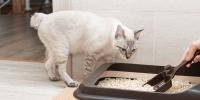
Humans face risks from dirty litter boxes too. Toxoplasma gondii, a parasite in cat feces, can infect people. Pregnant women and those with weak immune systems are most vulnerable. Airborne ammonia irritates eyes, nose, and throat. Bacteria in litter dust can cause respiratory issues. Children playing near litter boxes risk exposure. Regular cleaning reduces these hazards and protects the household.
Credit: www.purina.com
Tips To Extend Litter Life
Extending the life of cat litter saves money and keeps your home fresh. Small changes can make a big difference. Simple tips help keep the litter box cleaner for longer. These ideas reduce odor and mess effectively.
Using Deodorizers
Deodorizers help control bad smells in the litter box. Sprinkle baking soda or special litter deodorizers inside the box. These absorb odors and keep the air fresh. Avoid using strong perfumes that might bother your cat. Natural options are safer and work well.
Choosing The Right Litter
Pick litter that clumps well and controls odor. Clumping litter makes cleaning easier and faster. Some litters last longer and reduce waste. Try different types to find what your cat prefers. Dust-free litters keep the area cleaner and healthier.
Eco-friendly Litter Box Practices
Choosing eco-friendly litter box practices not only benefits your cat but also helps protect the environment. Small changes in the type of litter you use and how you dispose of it can make a big difference. Let’s look at some practical ways you can keep your cat’s litter box greener and cleaner.
Biodegradable Litters
Biodegradable litters break down naturally, reducing landfill waste. These litters are often made from materials like corn, wheat, pine, or recycled paper. Switching to one of these can cut down on harmful chemicals and plastic waste associated with traditional clay litters.
Many pet owners notice less dust and better odor control with biodegradable options. Have you tried pine pellets or wheat-based litters? They not only smell fresher but also compost well if handled properly.
Keep in mind, not all biodegradable litters compost in your backyard. Check if the product is certified compostable or if your community accepts it in green waste programs. This step ensures your eco-friendly choice truly benefits the planet.
Proper Disposal Methods
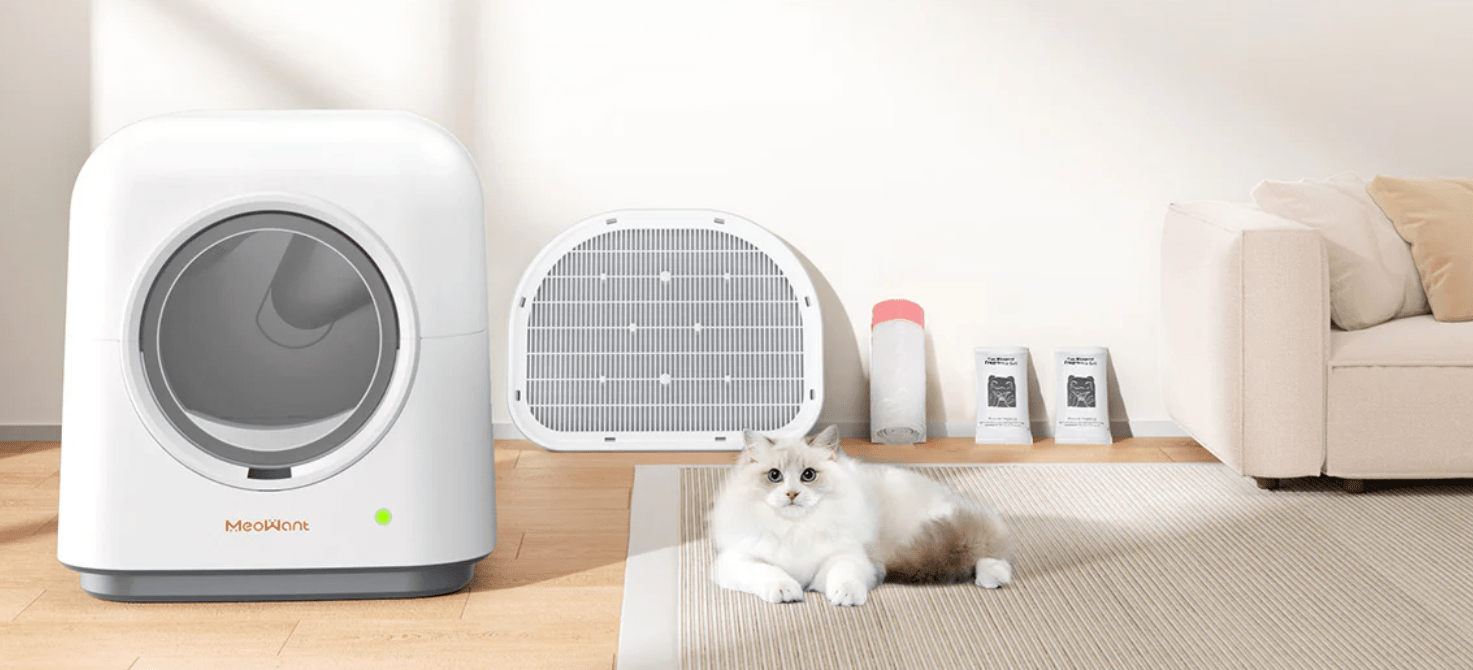
Disposing of cat litter responsibly matters. Flushing litter down the toilet can harm plumbing and water systems, so it’s best to avoid this. Instead, scoop daily and bag waste in biodegradable or compostable bags to reduce plastic pollution.
Some cities offer special pet waste composting services or designated disposal bins. Does your neighborhood have options like this? Using them helps keep harmful bacteria out of natural water sources.
If composting isn’t available, double-bag waste and place it in the trash to prevent leaks and odors. You can also line your litter box with biodegradable liners to make cleaning easier and reduce plastic use.
By choosing the right litter and disposing of it properly, you actively reduce your environmental footprint. What small changes could you make today to keep your cat happy and the planet healthier?
Credit: meowant.com
Frequently Asked Questions
How Often Should You Scoop Cat Litter Daily?
Scoop the cat litter box at least once a day. Daily scooping keeps the box clean and prevents odor build-up. It also promotes your cat’s health and comfort. Regular scooping makes deep cleaning less frequent and easier.
When Should You Completely Change Cat Litter?
Change the cat litter completely every 1 to 2 weeks. This prevents bacteria growth and odor. If you have multiple cats, change it more often. Full litter change keeps the box fresh and your cat happy.
Can Dirty Litter Affect Cat Health?
Yes, dirty litter can cause infections and respiratory issues. Bacteria and ammonia build-up can harm your cat’s health. Regular cleaning prevents illness and maintains a safe environment. Keep the box clean for your cat’s well-being.
Does Litter Type Affect Cleaning Frequency?
Yes, clumping litters usually require less frequent full changes. Non-clumping litters need more frequent replacements. Choose litter based on your cleaning routine and cat’s preference. Proper litter helps maintain cleanliness and odor control.
Conclusion
Changing the cat litter box often keeps your home fresh and clean. Scoop waste daily to avoid bad smells and germs. Replace the litter completely every one to two weeks. Clean the box well during each change. Watching your cat’s habits helps decide when to clean more.
A clean litter box makes your cat happy and healthy. Small steps lead to a better living space for both of you. Simple care keeps problems away and shows you care.


Leave a Reply