Is your cat suddenly pooping outside of the litter box? It can be frustrating and confusing, especially when you’ve done everything right.
You might wonder why your furry friend is acting this way and what you can do to fix it. Understanding the reasons behind this behavior is key to finding a solution that works for both you and your cat. Keep reading to discover the common causes and easy steps you can take to bring peace back to your home.

Credit: www.aol.com
Common Reasons For Litter Box Issues
Cats sometimes avoid their litter boxes for many reasons. Understanding these reasons helps solve the problem quickly. Most cats want to use their litter box but face obstacles. Identifying the cause improves your cat’s comfort and your home’s cleanliness. Below are common reasons why cats poop outside the litter box.
Medical Problems
Health issues often cause litter box avoidance. Urinary tract infections, constipation, or diarrhea make using the box painful. Arthritis or mobility problems can make it hard to enter the box. A visit to the vet rules out medical causes. Treating illnesses helps your cat return to normal habits.
Stress And Anxiety
Cats feel stressed by changes in their environment. New pets, loud noises, or moving homes create anxiety. Stress can cause your cat to avoid the litter box. Offering a calm and safe space reduces stress. Playing and spending time with your cat helps ease anxiety.
Litter Box Cleanliness
Cats prefer a clean and fresh litter box. Dirty litter boxes repel cats from using them. Scooping daily and changing litter regularly keeps the box inviting. Washing the box with mild soap prevents odors. Clean boxes encourage cats to return consistently.
Litter Type Preferences
Cats can be picky about their litter type. Some dislike strong scents or rough textures. Experimenting with different litter types finds what your cat likes. Unscented, clumping litter is often preferred. Respecting your cat’s preference keeps them happy.
Location Matters
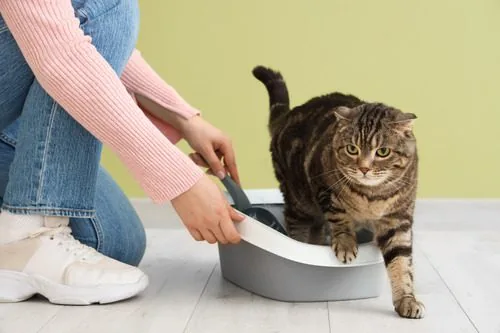
The litter box location affects your cat’s willingness to use it. Boxes placed near loud appliances or busy areas cause avoidance. Cats need quiet, private spots for bathroom breaks. Avoid placing the box near food or water bowls. A calm, accessible location encourages proper use.
Credit: lacvets.com
Behavioral Causes
Behavioral causes often play a big role in why your cat might be pooping outside the litter box. Cats rely heavily on routines and their environment to feel safe and secure. When something disrupts their sense of comfort, their bathroom habits can change quickly.
Territorial Marking
Cats use scent to mark their territory, especially in multi-cat households or when new animals are introduced. Pooping outside the litter box can be a way for your cat to claim ownership of certain areas.
If you notice your cat choosing spots near doors or windows, it could be a message to other animals. Have you seen your cat rubbing its face or body on furniture? This behavior often accompanies territorial marking and signals stress or insecurity.
Changes In Household
Any change in the home can unsettle your cat. New furniture, visitors, or even a change in your schedule can make your cat anxious.
Moving to a new home or adding a baby to the family are common triggers. Your cat might react by avoiding the litter box and seeking out new places to relieve itself.
Think about recent changes and observe if your cat’s behavior shifted afterward. Sometimes, simply giving your cat extra attention can ease their stress.
Negative Litter Box Associations
Your cat may associate the litter box with something unpleasant and avoid it. This could be due to a loud noise near the box or past pain while using it.
Have you noticed if your cat had any health issues like constipation or urinary problems? Painful experiences can make your cat fearful of the box.
Check if the litter is clean and comfortable. Sometimes, a dirty or smelly box is enough to drive your cat away.
Environmental Factors
Changes in your cat’s environment can cause stress, leading to litter box avoidance. Loud noises, new pets, or moving furniture may confuse or scare your cat. A calm and stable space helps them feel safe and use the litter box properly.
Cats are known for their cleanliness, so when your feline friend decides to poop outside of the litter box, it can be both puzzling and concerning. Environmental factors often play a significant role in this behavior. Understanding these factors can help you create a more inviting and suitable environment for your cat’s needs.Multiple Cats And Competition
Living with multiple cats can lead to competition for resources, especially the litter box. Cats are territorial creatures, and sharing a litter box can feel like an invasion of their personal space. If you have more than one cat, ensure you have at least one litter box per cat, plus an extra. This gives each cat their own space and reduces the tension that might be causing your cat to avoid using the litter box.Access And Convenience
Is your cat’s litter box easy to access? Cats prefer convenience just like we do. If the litter box is tucked away in a hard-to-reach place, your cat might find an alternative spot that’s easier for them. Consider placing the litter box in a quiet, easily accessible location. Avoid placing it near noisy appliances or in areas with heavy foot traffic. The more comfortable and convenient it is for your cat, the more likely they are to use it.New Or Unfamiliar Surroundings
Cats are creatures of habit, and changes in their environment can be unsettling. Moving to a new home, rearranging furniture, or even introducing new scents can make a cat anxious. If there’s been a recent change in your home, give your cat time to adjust. Keep their routine as consistent as possible and provide them with familiar items like their favorite toys or blankets. This can help them feel more secure and less likely to seek alternative bathroom spots. Addressing these environmental factors can help you solve the mystery of why your cat is pooping outside of the litter box. By making small changes, you can create a more harmonious environment that meets your cat’s needs and keeps your home clean.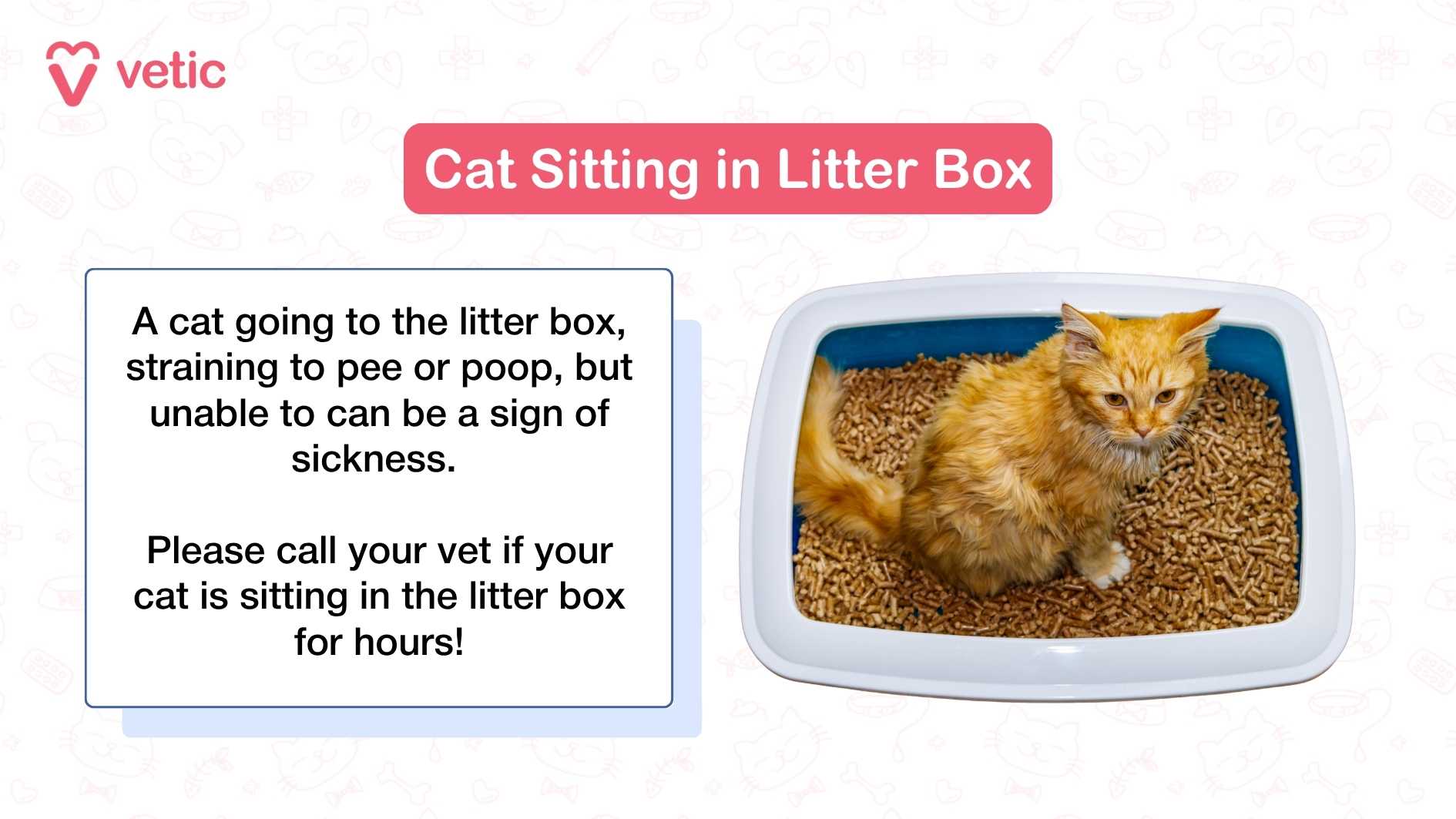
Credit: vetic.in
Solutions To Encourage Proper Litter Use
Encouraging your cat to use the litter box properly can feel challenging, but there are clear steps you can take to help. Understanding the root causes is important, but focusing on practical solutions will make a real difference. Let’s look at some effective ways to guide your cat back to good litter habits.
Veterinary Checkup
Health issues are often behind litter box problems. Urinary tract infections, digestive problems, or arthritis can make using the box uncomfortable or painful for your cat.
Take your cat to the vet for a thorough examination. Catching medical conditions early can prevent accidents and improve your cat’s comfort.
Cleaning And Maintenance Tips
Your cat needs a clean and inviting litter box. Dirty litter boxes are a major reason cats avoid them.
- Scoop waste daily to keep the box fresh.
- Change the litter completely once a week or more often if needed.
- Wash the box with mild soap and warm water regularly to remove odors.
Have you noticed if your cat avoids the box right after cleaning? Some cats prefer a little time for the scent to return.
Choosing The Right Litter And Box
Not all litter types suit every cat. Some prefer fine-grain clumping litter, while others dislike scents or textures.
Try offering different litter options and see which one your cat prefers. Also, consider the size and shape of the box—your cat needs enough room to turn comfortably.
Covered boxes might trap odors but can feel cramped or scary for some cats. Open boxes often feel safer and more accessible.
Reducing Stress
Stress can cause your cat to avoid the litter box. Changes in the home, new pets, or loud noises might trigger anxiety.
Give your cat a quiet, low-traffic place for the litter box. Providing hiding spots and consistent routines can help your cat feel secure.
Have you tried using calming sprays or diffusers? These can reduce stress signals and encourage proper litter use.
Behavioral Training Techniques
Rewarding your cat for using the litter box reinforces good habits. Positive reinforcement can be as simple as treats or gentle praise.
If accidents happen, avoid punishment. Instead, gently redirect your cat to the box and clean the area thoroughly to remove odors.
Consider placing a second litter box in a different area if your home is large or multi-level. Sometimes cats prefer multiple options.
Frequently Asked Questions
Why Is My Cat Suddenly Pooping Outside The Litter Box?
Sudden changes often indicate medical issues or stress. Cats may avoid the box if it’s dirty or if they feel unwell. Observe behavior and consult a vet if the problem persists.
Can Stress Cause Cats To Poop Outside The Litter Box?
Yes, stress is a common cause. Changes like new pets, moving, or loud noises can trigger this behavior. Providing a calm environment helps reduce stress and encourages proper litter box use.
How Does Litter Box Cleanliness Affect My Cat’s Bathroom Habits?
Cats prefer a clean litter box. Dirty boxes discourage use, leading to accidents outside. Scoop daily and change litter regularly to maintain hygiene and encourage consistent use.
Could Medical Problems Make My Cat Poop Outside The Box?
Medical issues like infections, constipation, or digestive problems can cause avoidance. If your cat shows other symptoms, visit a vet for diagnosis and treatment.
Conclusion
Cats pooping outside the litter box can be frustrating. Stress, health, or litter problems often cause this behavior. Watch your cat’s habits and health closely. Keep the litter box clean and in a quiet place. Try different types of litter to find what your cat likes.
Patience and care help solve this issue over time. Remember, your cat needs comfort and understanding. Small changes can make a big difference in behavior. Stay calm and observe your cat carefully. This will help you find the right solution soon.



Leave a Reply