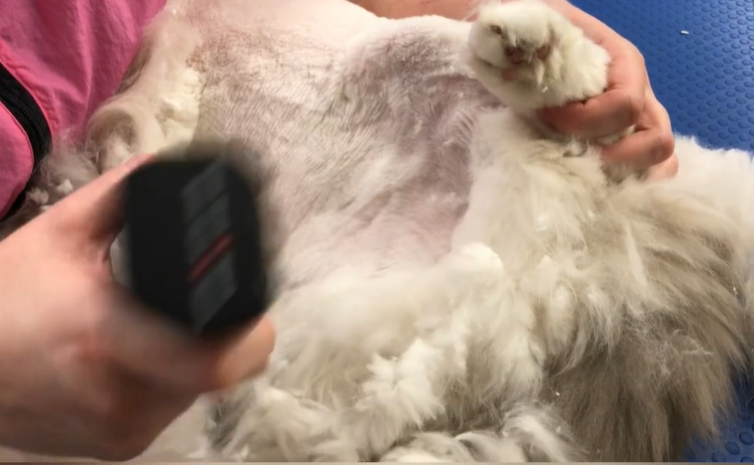
Grooming your cat is important for their health and happiness, but what happens when your furry friend needs extra care that’s hard to manage at home? Sometimes, cats require grooming while they are under sedation or anesthesia to keep them calm and safe.
You might wonder why this is necessary and how it works. If you want to understand when and why professionals groom cats under sedation, and what it means for your pet’s well-being, keep reading. This guide will help you feel confident about the process and ensure your cat gets the best care possible.

Credit: justcatsclinic.com
Reasons For Grooming Cats Under Sedation
Grooming cats under sedation is sometimes necessary for their safety and comfort. It allows groomers to work gently without causing stress or injury to the cat. Sedation helps manage difficult situations where normal grooming is impossible or dangerous. The reasons for this careful approach include handling aggressive behavior, dealing with severe matting, and performing medical-related grooming tasks.
Handling Aggressive Or Anxious Cats
Some cats become very scared or aggressive during grooming. They may scratch or bite to protect themselves. Sedation calms these cats, making grooming safer for them and the groomer. It reduces the risk of injury and lowers the cat’s stress levels. This approach ensures the cat receives proper care without trauma.
Dealing With Severe Matted Fur
Matted fur can cause pain and skin problems. Removing thick mats requires careful work and patience. Sedation helps keep the cat still and relaxed during this process. It prevents sudden movements that might cause cuts or wounds. Groomers can safely remove mats without causing discomfort to the cat.
Performing Medical Or Specialized Grooming
Some grooming tasks relate directly to a cat’s health. These include cleaning wounds, trimming hair around sensitive areas, or preparing for surgery. Sedation allows precise work without distress or resistance from the cat. It supports thorough and gentle medical grooming, improving recovery and comfort.
Types Of Sedation Used In Cat Grooming
Cat grooming can be stressful for both the pet and the groomer. Sedation helps keep cats calm and safe during grooming. Different types of sedation serve different grooming needs. Some sedatives gently relax the cat. Others provide deeper sleep for more complex care. Understanding these options helps ensure a smooth grooming experience.
Mild Sedatives For Calm Grooming
Mild sedatives help reduce anxiety and nervousness. They keep cats calm without making them fully unconscious. These sedatives work well for routine grooming tasks like brushing or nail trimming. Vets often use drugs such as:
- Gabapentin
- Alprazolam
- Acepromazine
Mild sedation allows cats to stay responsive but relaxed. It lowers stress and helps prevent sudden movements. This type of sedation is usually given as a pill or injection. Effects last for a few hours, enough for a safe grooming session.
General Anesthesia For Intensive Procedures
General anesthesia puts cats into a deep sleep. It blocks pain and awareness completely. This method suits long or difficult grooming jobs. Examples include:
- Mat removal
- Haircuts for severely matted fur
- Medical grooming linked to skin problems
Veterinarians carefully monitor cats under anesthesia. They check breathing, heart rate, and temperature. This ensures safety throughout the procedure. Recovery takes longer than mild sedation but allows thorough grooming without distress.
Professionals Involved In Sedated Cat Grooming
Grooming a cat under sedation is a delicate task. It requires specialized professionals to ensure safety and comfort. This process involves a team approach to cater to the cat’s needs. Understanding who these professionals are can ease a pet owner’s concerns.
Veterinarians’ Role
Veterinarians play a crucial role in sedated cat grooming. They assess the cat’s health before sedation. This ensures the cat can handle the procedure safely. Vets administer the sedative with precision and care. They monitor the cat’s vital signs during grooming. This oversight prevents complications and ensures the cat’s well-being.
Licensed Groomers’ Expertise
Licensed groomers have special training for sedated grooming. They understand feline behavior and grooming needs. Their expertise ensures the grooming process is smooth and stress-free. They use the right tools and techniques for each cat. This ensures a clean, safe, and comfortable grooming experience.
Collaboration Between Groomers And Vets
Collaboration between vets and groomers is vital. It ensures the highest care for the cat. Vets provide medical expertise. Groomers bring specialized grooming skills. Together, they create a safe environment for the cat. This teamwork ensures a successful grooming session under sedation.
Safety Measures During Sedated Grooming
Safety is the top priority during sedated grooming for cats. Sedation helps calm anxious or aggressive cats. It allows groomers to work carefully without causing stress or harm. Strict safety measures keep cats healthy throughout the process. These measures begin before sedation and continue until full recovery.
Pre-grooming Health Assessments
Vets or trained professionals check the cat’s health before sedation. They look for:
- Heart and lung function
- Age and weight
- Any existing diseases or conditions
- Recent vaccinations or medications
This step ensures sedation is safe for each cat. It helps choose the right sedative and dosage.
Monitoring Vital Signs
During grooming, experts watch vital signs closely. These include:
- Heart rate
- Breathing
- Body temperature
- Oxygen levels
Continuous monitoring prevents complications. Staff ready to act if any issues arise.
Post-grooming Care And Recovery
After grooming, cats rest in a quiet, warm place. Staff observes them until they fully wake up. They check for:
- Normal breathing and movement
- Alertness and response
- Signs of discomfort or pain
Proper care helps cats recover safely. Owners receive instructions to continue care at home.
Alternatives To Sedation For Cat Grooming
Many cat owners worry about the risks of sedation during grooming. Fortunately, sedation isn’t the only way to keep your feline friend calm and tidy. There are several gentle alternatives that can make grooming a smoother, less stressful experience for both of you.
Desensitization And Training Techniques
Building your cat’s tolerance to grooming starts with small, positive steps. Begin by gently touching their paws, ears, and tail for a few seconds daily. Gradually introduce grooming tools like brushes, rewarding your cat with treats and praise to create positive associations.
Short, frequent sessions work better than long grooming marathons. Have you noticed how your cat reacts to different touches? Use this insight to adjust your approach, making grooming feel less like a chore and more like a bonding moment.
Using Calming Products
Calming products can help reduce anxiety before and during grooming. Pheromone sprays and diffusers mimic natural cat calming signals, creating a relaxing environment. Herbal collars or sprays with ingredients like lavender or chamomile may also soothe your cat.
These products don’t work instantly but can be effective when used consistently. Have you tried combining calming sprays with gentle petting to see if it helps your cat stay relaxed?
Regular At-home Grooming Tips
Consistency is key to keeping your cat’s coat clean and healthy without stress. Brush your cat daily or every other day to prevent mats and tangles. Use a brush suitable for your cat’s fur type and be gentle to avoid discomfort.
- Choose quiet times when your cat is relaxed.
- Keep grooming sessions short and end on a positive note.
- Use grooming wipes for quick cleanups between brushings.
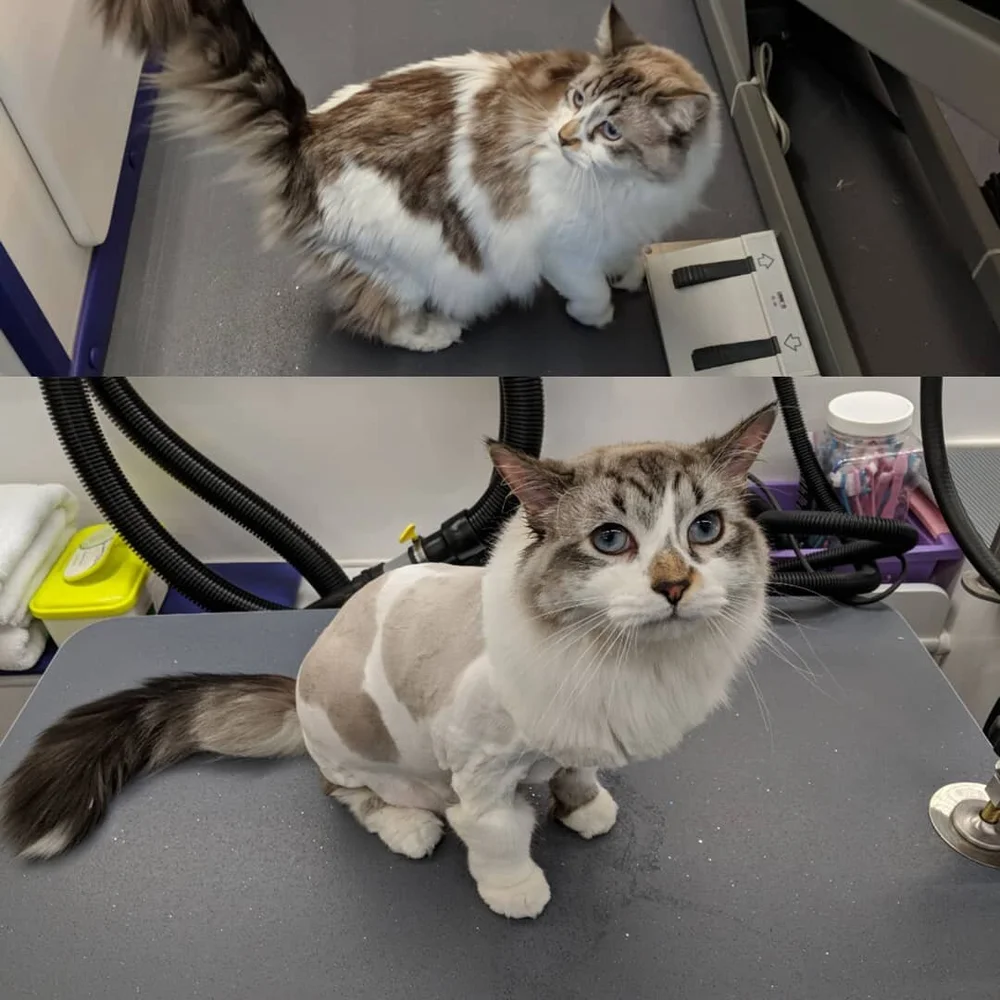
How often do you groom your cat at home? Small daily efforts can save you from emergency grooming sessions that might require sedation.
Credit: www.squeakycleangrooming.com
Ethical Considerations In Sedated Grooming
Grooming cats under sedation raises important ethical questions that every pet owner and professional groomer must carefully consider. Sedation is not a decision to take lightly, as it involves balancing the cat’s health risks against the benefits of thorough grooming. Understanding these ethical considerations helps ensure your cat’s safety and well-being remain the top priority throughout the process.
Weighing Risks And Benefits
Every sedated grooming session carries potential health risks, including reactions to anesthesia and stress from handling. You need to ask yourself: is the grooming essential enough to justify these risks? For cats with severe matting or medical conditions that prevent regular grooming, sedation might be the safest way to care for their coat without causing pain.
Veterinarians and groomers often collaborate to evaluate your cat’s health before deciding on sedation. This teamwork minimizes risks by tailoring sedation protocols specifically for your cat’s age, weight, and medical history. By understanding the risks and benefits clearly, you make informed choices that protect your cat’s health.
Ensuring Cat Comfort And Welfare
Comfort doesn’t end when sedation begins—it’s an ongoing commitment during the entire grooming session. You should ensure that the groomer monitors your cat’s vital signs continuously and uses the gentlest methods possible once your cat is sedated. Proper post-sedation care, like a calm recovery area and close observation, is crucial to avoid complications.
Think about how your cat reacts to grooming when fully awake. If they show extreme fear or aggression, sedation can reduce trauma and make grooming less stressful. However, sedation should never replace gentle, regular grooming habits that keep your cat comfortable without the need for drugs.
Have you ever considered how your cat might feel during grooming? Putting their comfort at the forefront means respecting their limits and using sedation only as a last resort to maintain their health and happiness.

Credit: services.petsmart.com
Frequently Asked Questions
Who Grooms Cats While Putting Them Under Anesthesia?
Veterinary professionals, such as vets and trained technicians, groom cats during anesthesia. They ensure safety and comfort while grooming.
Why Are Cats Put Under For Grooming?
Cats may be sedated for grooming to reduce stress and avoid injury. This helps in thorough cleaning and trimming.
How Is Cat Grooming Done Under Anesthesia?
The cat is gently sedated, monitored closely, then groomed carefully by experts. This process ensures minimal distress.
Is Grooming Under Anesthesia Safe For Cats?
Yes, with proper veterinary care, anesthesia during grooming is safe. Monitoring vital signs reduces any potential risks.
Conclusion
Grooming cats under anesthesia is done by trained professionals. This helps keep cats calm and safe during grooming. Vets or skilled groomers usually handle this process. It is important for cats with health issues or severe matted fur. Owners should trust experts to care for their pets properly.
Proper grooming keeps cats healthy and comfortable. Always ask questions before choosing this service. Your cat’s well-being is the top priority. Taking good care helps your cat feel better and look great.



Leave a Reply