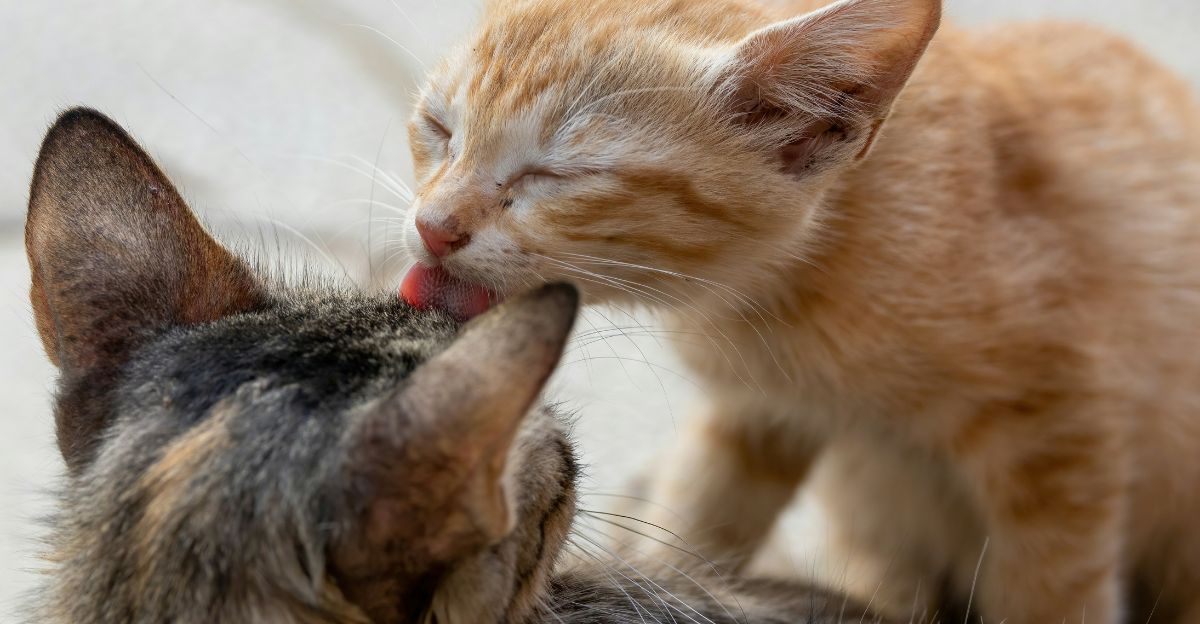
Have you ever watched your cats grooming each other, only to suddenly see one of them nip or bite the other? It can be confusing and even a little worrying.
Why would your furry friends turn a peaceful moment into a quick bite fest? Understanding this behavior can help you keep your cats happy and avoid unnecessary stress. You’ll discover the surprising reasons behind these bites and what they really mean for your cats’ relationship.
Keep reading to unlock the secrets of your cats’ grooming habits and learn how to respond the right way.
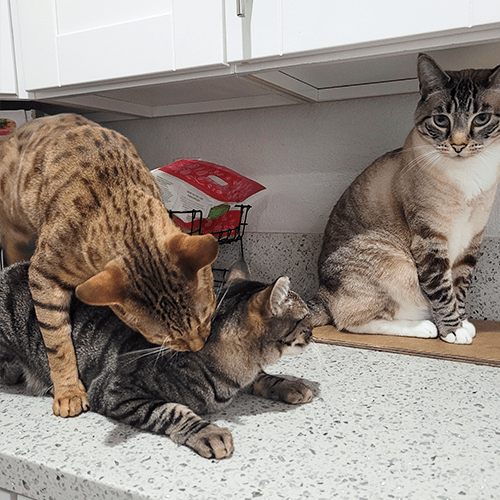
Credit: trapandreturn.com
Cat Grooming Behavior
Cats spend a surprising amount of time grooming themselves and each other. This behavior is more than just about staying clean; it plays a key role in their social lives and communication. Understanding why cats sometimes bite each other during grooming reveals a lot about their relationships and boundaries.
Purpose Of Grooming
Grooming helps cats stay clean and healthy by removing dirt, loose fur, and parasites. It also cools them down and can reduce stress.
When you see a cat licking its fur, it’s not just about hygiene. Grooming releases endorphins, which help your cat feel calm and happy.
But grooming isn’t always gentle. If a cat bites during grooming, it might be because the skin is too sensitive or the cat feels overstimulated. Have you noticed your cat suddenly pulling away or flicking its tail during grooming? That’s often a sign they’ve had enough.
Social Grooming Among Cats
Social grooming, or allogrooming, is a way cats build trust and strengthen bonds. Cats often groom each other in spots they can’t reach, like behind the ears or around the neck.
This behavior shows affection and helps reduce tension between cats living together. It’s a bit like a handshake or hug in the cat world.
However, biting during social grooming can happen if one cat feels annoyed or wants to set a boundary. It’s their way of saying, “Stop, that’s enough.”
Have you ever watched cats groom and then suddenly one gives a sharp nip? That’s a clear message, not an attack.

Credit: basepaws.com
Reasons Behind Biting During Grooming
Cats biting each other during grooming might seem odd at first, but there are clear reasons behind this behavior. It’s not always about aggression; sometimes it’s their way of communicating or reacting to sensations. Understanding these reasons can help you read your cats better and keep their interactions positive.
Communication Signals
Biting can be a form of communication between cats. It might mean “enough” or “stop that,” especially if one cat feels uncomfortable. This subtle signal helps them set boundaries without escalating into a fight.
Have you noticed your cat giving a gentle nip during grooming? That’s often a polite request to pause or slow down. Paying attention to these signals can prevent tension and help you intervene before things get rough.
Overstimulation Response
Grooming can sometimes overwhelm a cat’s senses. The repetitive motion and close contact can lead to overstimulation, causing a sudden bite. It’s their way of saying, “I’ve had enough for now.”
If you watch closely, you might see a cat’s tail twitch or ears flatten just before biting. These signs warn you that the cat is reaching its limit. Recognizing this can guide you to step in and give your cats a break.
Establishing Dominance
Biting during grooming can also relate to hierarchy. Cats use grooming to bond, but a nip can remind the other who’s in charge. It’s less about aggression and more about maintaining social order.
Think about how your cats interact daily. Does the more dominant cat initiate grooming and control the pace? That’s a clue that biting helps reinforce their role in the group.
Playful Biting
Not all bites are serious. Sometimes, cats bite each other playfully during grooming, almost like a game. These bites are usually gentle and don’t cause harm.
Imagine your cats chasing and nipping softly while grooming; it’s part of their social fun. Understanding this helps you distinguish between playful behavior and signs of distress.
Body Language To Watch
Cats sometimes bite each other during grooming to set boundaries or show mild irritation. This behavior helps them communicate and maintain their social order. Watching their body language reveals when a bite is playful or a warning.
Cats communicate through body language. It’s essential to understand their signals. When cats groom each other, biting may occur. This behavior can be confusing. Not all bites mean aggression. Observing their body language helps decipher their actions. Recognizing the signs ensures better understanding and harmony.Signs Of Discomfort
Cats show discomfort through subtle cues. Look for ears pinned back. Watch for a twitching tail. These signs indicate irritation. A cat may also growl softly. Hissing or swatting can follow. Discomfort means stop interaction. Respect the cat’s boundaries.Aggressive Vs Playful Bites
Not all bites are the same. Playful bites are gentle. They don’t break the skin. Cats often purr during play. Aggressive bites are different. They are firm and painful. Cats may hiss or growl aggressively. Understanding the difference is key. It helps maintain peace between cats.Preventing Grooming Bites
Preventing grooming bites between cats is essential for maintaining peace and comfort during their bonding moments. Bites often signal discomfort or overstimulation, so recognizing and addressing the root causes can help keep your cats happy and harm-free. Here are practical ways to reduce biting and promote positive grooming interactions.
Creating Safe Spaces
Each cat needs a personal area where they can retreat without interruption. Providing cozy beds, cat trees, or quiet corners helps your cats feel secure and reduces stress that can lead to biting during grooming.
Observe your cats’ preferences—some may prefer high perches, while others like hidden nooks. Having multiple safe spots encourages them to self-regulate their social interactions and prevents forced grooming sessions that trigger bites.
Separating Cats When Needed
If grooming escalates to biting, it’s important to step in and separate your cats calmly. Interrupting the interaction before aggression starts teaches them limits and prevents injury.
You might notice one cat getting overstimulated or the other growing tense. Watch for signs like twitching tails or flattened ears. Giving them a break lets them cool down and reduces the chance of repeated biting.
Redirecting Aggression
Sometimes, grooming bites stem from redirected frustration or excess energy. Offering toys or engaging your cats in interactive play can help burn off that tension.
Try using wand toys or laser pointers to shift their focus away from each other. This approach not only distracts them but also strengthens your bond with each cat individually.
When To Seek Veterinary Advice
Not every nip or bite during grooming is harmless. Sometimes, these bites signal deeper issues that need a vet’s attention. Knowing when to seek professional advice can protect your cats’ health and keep their relationship peaceful.
Behavioral Changes
Have you noticed your cat suddenly becoming more aggressive during grooming sessions? Or maybe one cat starts avoiding the other entirely? These shifts can be a red flag.
Changes like increased biting, growling, or hiding may indicate stress, pain, or illness. Your cat could be communicating discomfort that isn’t obvious at first glance.
Keep a close eye on how they interact outside grooming too. If their usual calm turns into frequent squabbles, it’s time to consult your vet.
Injury Concerns
Sometimes biting leads to wounds that aren’t immediately visible. Small scratches or punctures can become infected quickly, causing serious problems.
If you spot swelling, redness, or your cat licking a spot obsessively, don’t wait to get it checked out. An untreated injury can escalate fast.
Also, watch for limping or reluctance to move, which might mean a bite caused deeper tissue damage. Early veterinary care can prevent complications and pain for your cat.

Credit: basepaws.com
Frequently Asked Questions
Why Do Cats Bite During Grooming Sessions?
Cats bite during grooming to set boundaries or express discomfort. It’s their way of communicating when they feel overwhelmed or annoyed.
Is Biting Normal Behavior When Cats Groom Each Other?
Yes, gentle biting can be normal. It helps cats establish social hierarchy and shows trust while grooming.
How Can I Stop Cats From Biting While Grooming?
Distract cats with toys or treats. Regularly observe their body language and intervene if biting becomes aggressive.
Does Biting Mean Cats Dislike Each Other During Grooming?
Not always. Biting can indicate irritation or playfulness, but it doesn’t necessarily mean dislike between cats.
Conclusion
Cats bite each other during grooming to show affection or set boundaries. This behavior helps them communicate and build trust. Sometimes, biting is playful, not meant to hurt. Understanding these signs can improve your bond with cats. Watching their body language reveals what they feel.
Remember, gentle bites usually mean care, not aggression. Knowing why cats bite helps you keep them happy and safe. It shows how cats connect in their own way.



Leave a Reply