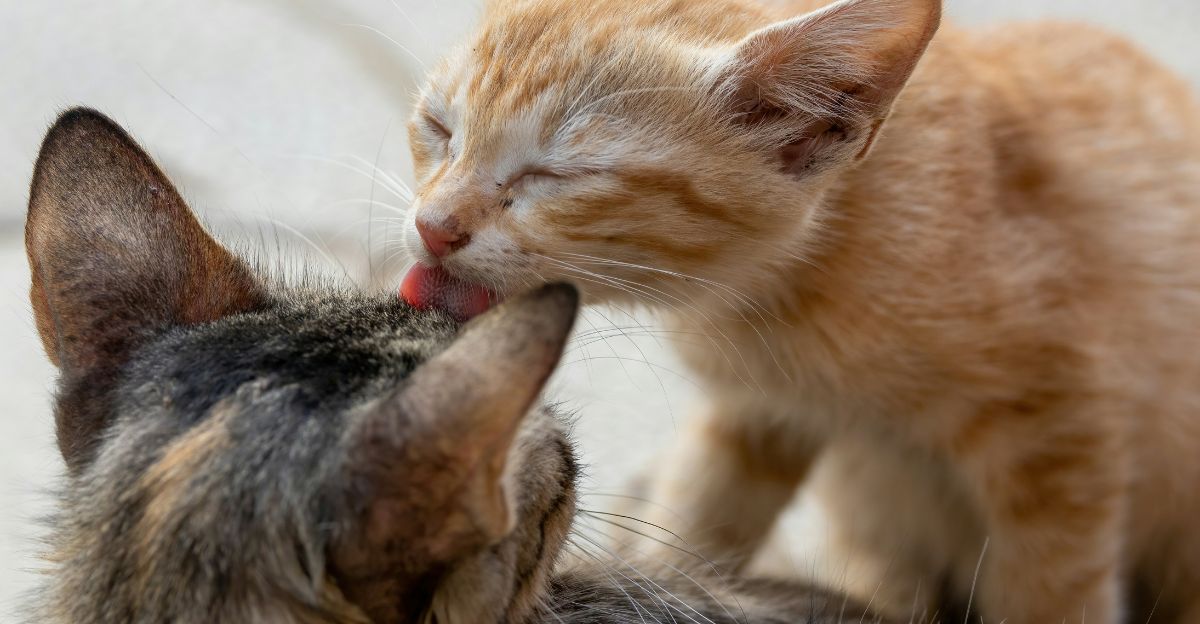
Have you ever watched two cats gently licking each other and wondered why they do it? If you’re curious about this sweet, sometimes surprising behavior, you’re not alone.
When cats groom each other, it’s more than just keeping clean—it’s a powerful way they connect and communicate. Understanding why cats engage in this mutual grooming can give you a deeper look into their world and help you strengthen your bond with your furry friends.
Keep reading to discover the fascinating reasons behind this affectionate habit and what it means for your cats’ happiness.

Credit: basepaws.com
Social Bonding Among Cats
Cats groom each other to build and maintain social bonds. This behavior is common among cats living in groups. Grooming helps cats feel safe and connected. It is a way to show care and trust. Through grooming, cats communicate and strengthen their relationships.
Strengthening Relationships
Mutual grooming creates strong ties between cats. It is a sign of friendship and affection. Cats that groom each other often spend more time together. This activity helps reduce tension and stress. It also signals acceptance and loyalty within the group.
Group Harmony
Grooming promotes peace among cats in a group. It helps avoid conflicts and fights. When cats groom each other, they share scents. This creates a sense of belonging. Group harmony improves when cats feel united and calm.
Health Benefits Of Grooming
Grooming is more than just a social activity for cats. It plays a vital role in keeping them healthy. When cats groom each other, they help maintain clean fur and skin. This shared grooming supports their overall well-being in several ways.
Removing Dirt And Parasites
Grooming helps remove dirt that sticks to a cat’s fur. It also targets parasites like fleas and ticks. Cats use their tongues to reach places they cannot clean alone. By grooming each other, they can access hard-to-reach areas. This mutual care reduces the risk of infections and skin problems caused by parasites.
Promoting Skin Health
Grooming stimulates blood flow to the skin. This improves skin health and fur quality. The process also spreads natural oils produced by the skin. These oils keep the fur shiny and waterproof. Regular grooming prevents dry, itchy skin and helps heal minor wounds. Cats that groom each other stay healthier and feel more comfortable.
Stress Reduction And Comfort
Cats groom each other to feel calm and safe. This behavior helps them lower stress and feel comforted. Grooming releases soothing feelings that ease tension. It is a way cats support one another emotionally. This social grooming helps maintain peace within their group.
Calming Effects
Grooming triggers the release of relaxing chemicals in a cat’s brain. These chemicals reduce anxiety and stress. The gentle licking motion soothes both cats involved. It slows their heartbeat and calms their nerves. This action helps cats feel peaceful and less worried.
Building Trust
Mutual grooming shows strong trust between cats. It is a sign they feel safe with each other. This activity deepens their bond and friendship. Cats who groom each other are less likely to fight. Trust grows with every shared grooming session.
Communication Through Grooming
Cats have unique ways of communicating with each other. One such method is grooming. Grooming is more than just keeping clean. It plays a vital role in feline communication. Through grooming, cats share information and express emotions.
Scent Marking
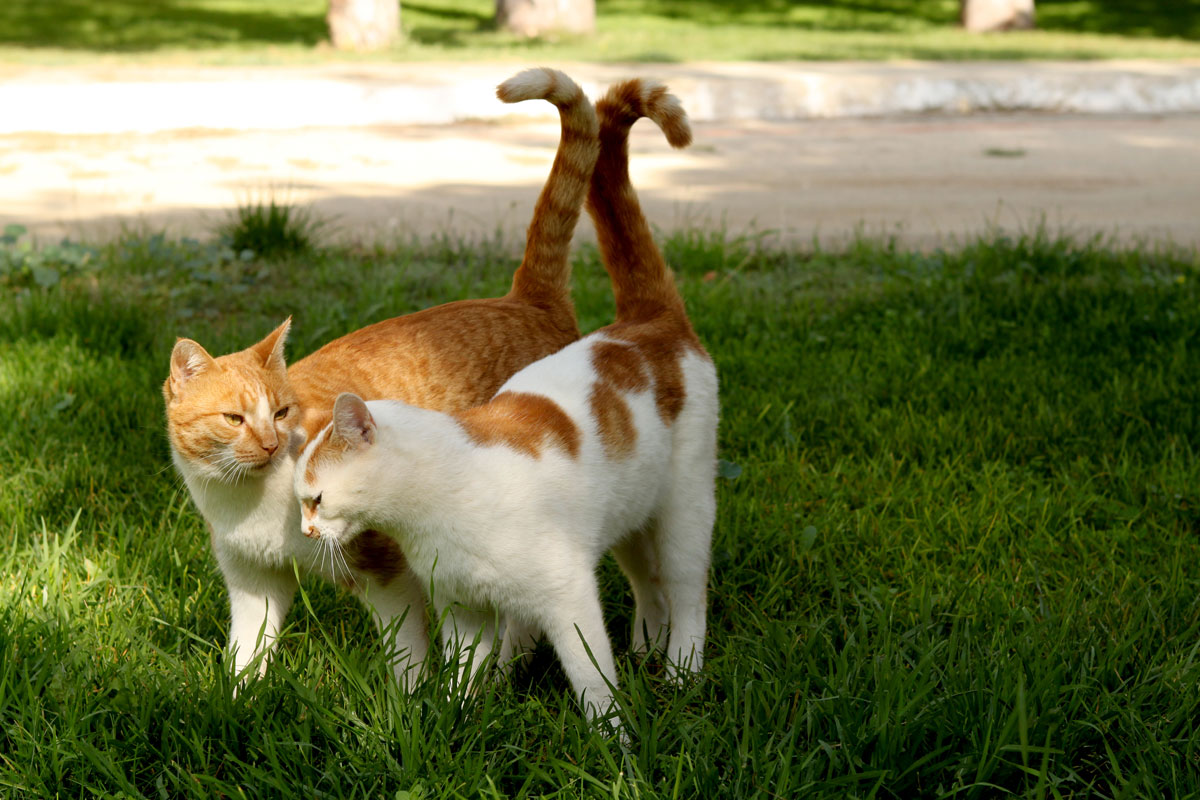
Grooming helps cats exchange scents. Cats have scent glands in their skin. When they groom each other, they transfer these scents. This creates a shared group scent. It helps cats identify each other. It also strengthens their bond and creates a sense of belonging.
Nonverbal Signals
Grooming acts as a form of nonverbal communication. It conveys messages without words. A cat grooming another might show affection. It can also signal trust. It often indicates a social hierarchy within the group. When a dominant cat grooms another, it shows acceptance. This silent communication keeps peace among them.
Grooming In Different Cat Groups
Grooming plays a vital role in cat social life. It varies across different cat groups. Each group has unique grooming habits. These habits help build bonds and maintain hygiene.
Mother And Kitten Interaction
Mothers groom their kittens to keep them clean and healthy. This grooming removes dirt and parasites from their fur. It also comforts the kittens and strengthens their bond. Kittens learn grooming by watching their mother. This early interaction helps them develop social skills.
Adult Cat Dynamics
Adult cats groom each other to form strong social ties. This behavior is called allogrooming. It helps reduce stress and creates trust between cats. Grooming also marks group members with a shared scent. It shows friendship and cooperation in their group. Cats often focus on hard-to-reach areas like the neck and head.
Credit: www.companionanimalpsychology.com
When Grooming Goes Too Far
Sometimes, grooming between cats can cross the line from healthy bonding to harmful behavior. When grooming goes too far, it can lead to stress, skin damage, and even infections for your feline friends. Recognizing when this happens is crucial to keeping your cats happy and healthy.
Overgrooming Signs
Look for patches of missing fur or red, irritated skin on your cats. Excessive licking that results in bald spots or scabs is a clear warning sign. You might also notice one cat constantly chasing or focusing on the same spot on another cat’s body.
Another sign is changes in behavior—if a cat starts hiding or acting anxious after grooming sessions, it could mean the grooming is too intense. Keep an eye out for frequent scratching or biting at the affected area as well.
How To Intervene
Start by gently separating the cats when grooming becomes rough. Redirect their attention to toys or playtime to break the cycle. Providing extra stimulation can reduce stress and lower the urge to overgroom.
Make sure each cat has its own space and resources like food bowls and litter boxes to minimize tension. If overgrooming continues, consult your vet to rule out medical issues or consider behavioral advice.
Have you noticed your cats grooming each other too much? Taking early action can prevent serious problems and keep their relationship positive.

Credit: www.youtube.com
Frequently Asked Questions
Why Do Cats Groom Each Other Frequently?
Cats groom each other to strengthen social bonds and reduce stress. This behavior, called allogrooming, helps maintain group harmony and trust among cats. It also keeps their fur clean and free of parasites, promoting overall health.
How Does Mutual Grooming Benefit Cats Socially?
Mutual grooming builds trust and reinforces social hierarchies within cat groups. It helps cats communicate affection and reduce tension. This bonding activity creates a sense of security and cooperation, making group living more harmonious.
Can Grooming Prevent Parasites In Cats?
Yes, grooming helps remove dirt, dead skin, and parasites like fleas. Cats use their tongues to clean hard-to-reach areas on each other. This mutual grooming supports better hygiene and reduces the risk of infestations.
Do Cats Groom Each Other To Show Affection?
Yes, grooming is a clear sign of affection and friendship between cats. It signals comfort and acceptance within their social group. This behavior fosters emotional connection and strengthens their social bonds.
Conclusion
Cats grooming each other shows trust and friendship. It helps them stay clean and healthy too. Grooming also reduces stress and makes cats feel safe. This behavior strengthens their bond and keeps the group peaceful. Watching cats groom is a sign of love and care.
It reminds us how important connection is for animals. Next time you see cats grooming, remember it means more than just cleaning. It’s a way they show kindness and feel close to each other. Understanding this helps us appreciate our pets better.



Leave a Reply