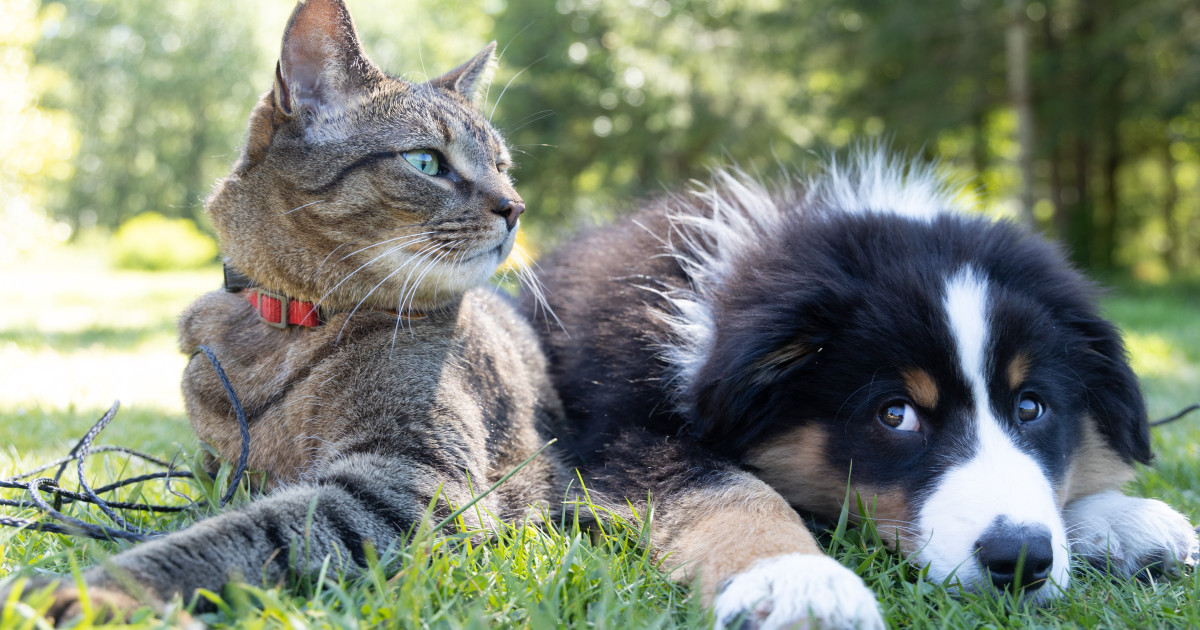
If you have both a dog and a cat, you know how important it is for them to get along. But not all dog breeds naturally mix well with feline friends.
You might be wondering which dogs are most likely to become your cat’s new best buddy instead of a source of stress. Choosing the right dog breed can make a huge difference in creating a peaceful and happy home for everyone.
Keep reading to discover the dog breeds that tend to get on best with cats—and how you can help your pets build a strong, friendly bond.
Credit: worldanimalfoundation.org
Traits That Help Dogs Befriend Cats
Dogs that get along well with cats share certain key traits. These traits make their interactions smoother and more pleasant. Understanding these qualities helps in choosing the right dog breed for a home with cats.
Traits that encourage friendship between dogs and cats include calmness, patience, and good social skills. Dogs with these characteristics are less likely to chase or scare cats. They can live peacefully together and even form strong bonds.
Temperament Factors
A dog’s temperament affects how it reacts to other animals. Gentle and calm dogs usually accept cats easily. Aggressive or overly dominant dogs may cause stress for cats. Dogs that show patience and tolerance often adapt well to feline friends.
Socialization Skills
Dogs that have good social skills tend to be friendlier with cats. Early exposure to cats helps dogs learn to behave properly. Socialized dogs understand boundaries and respect a cat’s space. They communicate in ways that cats find less threatening.
Energy Levels And Compatibility
Matching energy levels is important for dog-cat harmony. High-energy dogs can overwhelm calm cats. Low to moderate energy dogs often get along better. Compatible energy helps both animals feel comfortable and safe together.

Credit: tryfurgo.com
Top Dog Breeds Friendly With Cats
Choosing a dog that gets along well with cats can make your home peaceful and happy. Some breeds naturally have gentle, calm temperaments that suit living with feline friends. These dogs often enjoy companionship and show patience toward cats.
Here are some top dog breeds known for their friendly nature with cats. These breeds usually adapt well and create strong bonds with cats in the household.
Golden Retriever
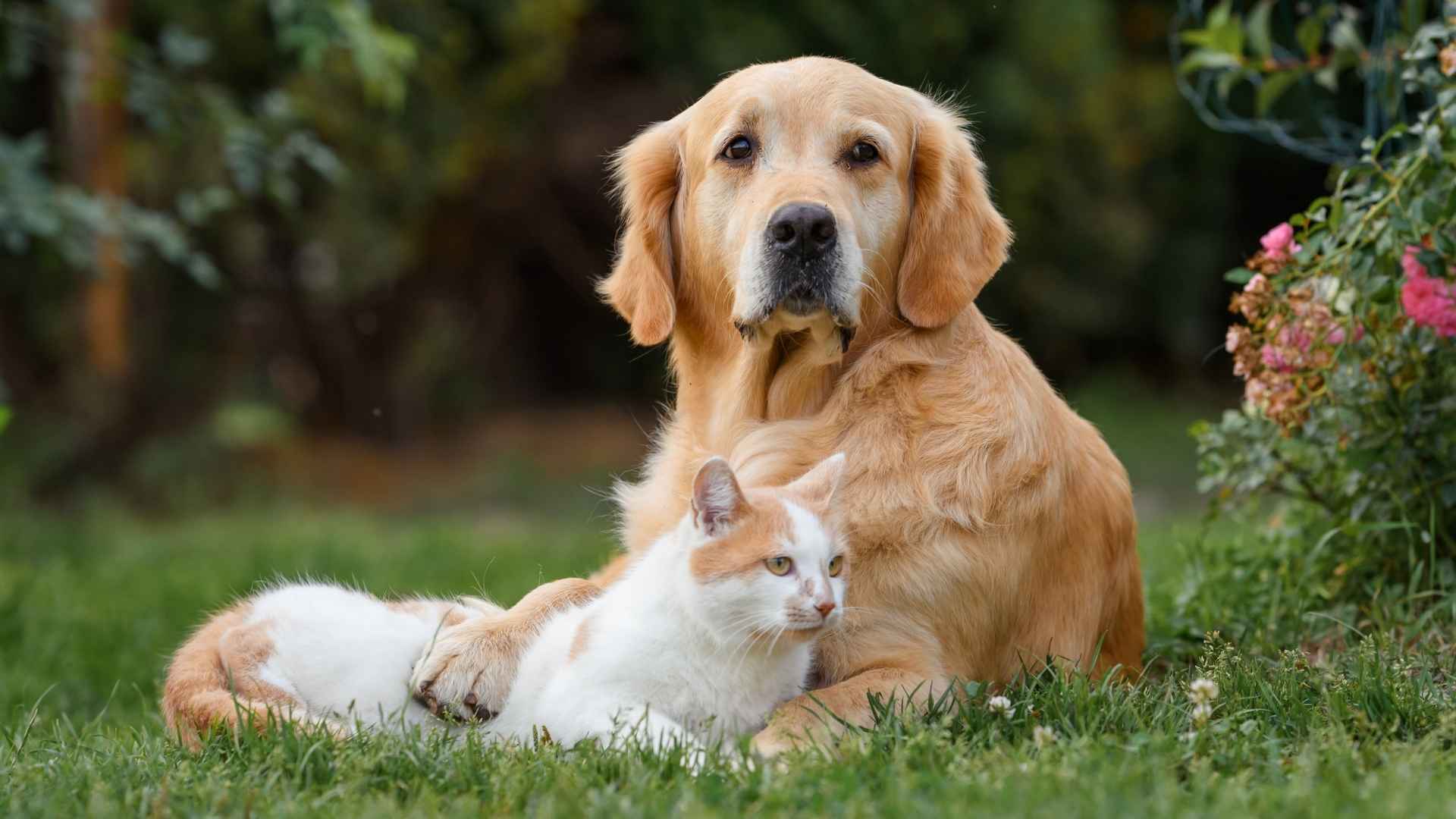
Golden Retrievers are kind and patient dogs. They have a gentle nature that helps them get along with cats easily. Their friendly attitude makes them great family pets. They enjoy calm environments and often respect a cat’s space.
Beagle
Beagles are curious and friendly dogs. They are social and enjoy making friends, including cats. Their playful character suits homes with other pets. Beagles usually adapt well to living with cats and share space happily.
Cavalier King Charles Spaniel
This breed is known for being affectionate and calm. Cavaliers love company and often get along well with cats. Their small size and gentle behavior make them less threatening to feline friends. They enjoy peaceful, loving homes.
Basset Hound
Basset Hounds are laid-back and easygoing dogs. They have a calm demeanor that suits cats perfectly. Their slow and steady nature helps avoid conflicts. Basset Hounds often form strong bonds with other pets in the house.
Maltese
Maltese dogs are small and gentle companions. They are friendly and usually tolerant of cats. Their quiet and sweet personality helps them live peacefully with feline friends. Maltese dogs enjoy being part of a loving family.
How To Introduce Dogs To Cats Safely
Introducing dogs to cats can be tricky but rewarding. Safe introductions help both pets feel calm and secure. A slow, careful approach lowers stress and builds trust. Follow steps to create a peaceful start for your new friends.
Preparing The Environment
Choose a quiet, neutral space for the first meeting. Remove toys and food bowls to avoid competition. Use barriers like baby gates or crates to separate pets initially. Provide hiding spots for the cat to retreat if needed. Keep leashes and collars ready for control. Ensure both pets have fresh water and a comfortable resting area nearby.
Step-by-step Introduction Process
- Allow pets to smell each other’s scent by swapping bedding or toys.
- Let the dog and cat see each other through a barrier first.
- Keep initial meetings short and calm, about 5 to 10 minutes.
- Use treats and praise to reward calm behavior from both pets.
- Gradually increase time spent together as they grow comfortable.
- Always keep the dog on a leash during early face-to-face meetings.
Monitoring Early Interactions
Watch body language closely. Relaxed ears and slow movements show comfort. Signs of stress include growling, hissing, or stiff posture. Interrupt any aggressive or fearful behavior immediately. Separate pets if tension rises, then try again later. Keep sessions positive and brief. Patience is key for a lasting friendship.

Credit: rockykanaka.com
Signs Of Positive Dog-cat Relationships
Friendly dogs often show calm behavior and gentle play around cats. Trust grows when both animals share space without fear or aggression. Some dog breeds naturally adapt better to living with cats, making harmony easier.
Signs of a positive dog-cat relationship can be subtle. Observing these cues helps ensure harmony at home. Understanding these signs can make pet cohabitation stress-free.Relaxed Body Language
A dog and cat with relaxed body language coexist peacefully. Look for loose tails and calm ears. Soft eyes and gentle movements show comfort. Both pets should appear unthreatened and at ease. This indicates a strong bond.Shared Spaces Without Conflict
Sharing spaces peacefully is a key sign. Observe them resting in the same room. Watch for no territorial aggression. Eating near each other without tension is crucial. This shows mutual respect and trust.Playful Behaviors
Playful interactions suggest a good relationship. Gentle pawing and chasing are healthy signs. They might groom each other or play with toys together. Such behaviors show affection and enjoyment. This indicates a positive and playful bond.Common Challenges And How To Handle Them
Introducing a dog to a cat can bring joy but also some challenges. Understanding these common issues helps create a peaceful home. Dogs and cats have different ways of communicating and playing. This can cause misunderstandings or stress. Preparing for these challenges makes living together easier for both pets.
Managing Prey Drive
Some dogs have a strong prey drive. They may chase cats out of instinct. This can scare or harm the cat. To manage this, keep dogs on a leash during first meetings. Use toys to redirect their focus. Reward calm behavior around cats. Gradually increase their time together under supervision. This helps lower the dog’s urge to chase.
Dealing With Territorial Behavior
Dogs can be protective of their space. Cats may feel threatened by this. Signs include growling, barking, or blocking the cat’s access. To reduce territorial behavior, provide separate resting spots for each pet. Feed them in different areas. Avoid forcing them to share beds or toys. Give attention to both pets equally. This reduces jealousy and competition.
Training Tips For Harmony
Training builds respect and good habits between pets. Use simple commands like “sit,” “stay,” and “leave it.” Practice these commands near the cat. Praise the dog for calm actions. Teach the dog to respond quickly to commands. Create positive experiences by giving treats during interactions. Patience and consistency help dogs and cats live peacefully.
Benefits Of Dogs And Cats Living Together
Dogs and cats living together offer many benefits. Their companionship brings joy and comfort to the home. They learn from each other and form strong bonds. This relationship improves life for both pets and owners.
Emotional Support
Dogs and cats provide comfort during stressful times. They sense emotions and offer calm presence. Their company reduces feelings of loneliness. Pets can boost mood and lower anxiety levels. This support helps owners feel more secure.
Increased Activity Levels
Having both dogs and cats encourages more movement. Dogs invite play and outdoor walks. Cats stimulate curiosity and indoor play. Their interactions keep pets physically active. This activity benefits their health and happiness.
Enhanced Social Skills
Dogs and cats teach patience and tolerance. They adapt to different personalities and habits. Owners learn to understand animal behaviors better. This experience improves communication and empathy skills. It also helps pets become friendlier with others.
Frequently Asked Questions
Which Dog Breeds Are Friendliest To Cats?
Breeds like Golden Retrievers, Beagles, and Basset Hounds are known for being gentle with cats. They usually adapt well and show less aggression, making them great companions for feline friends.
How To Introduce A Dog To A Cat Safely?
Introduce them slowly in a controlled environment. Use leashes and keep initial meetings short. Reward calm behavior and supervise interactions until trust builds.
Can Small Dogs Get Along With Cats?
Yes, many small breeds like Cavalier King Charles Spaniels and Pugs coexist well with cats. Their friendly temperament helps them bond and avoid aggressive behavior.
Do Some Dog Breeds Chase Cats More Often?
Yes, breeds with high prey drives like Greyhounds and Terriers tend to chase cats. Proper training and socialization can reduce this behavior significantly.
Conclusion
Dogs and cats can live happily together. Some dog breeds are friendlier to cats than others. Choosing the right dog helps create a peaceful home. Patience and training also make a big difference. Watch their behavior and give them time.
Love and care help pets bond well. A happy pet family brings joy to all. Keep learning about your pets’ needs every day. A calm dog and a relaxed cat make great friends. It takes effort, but it is worth it.



Leave a Reply