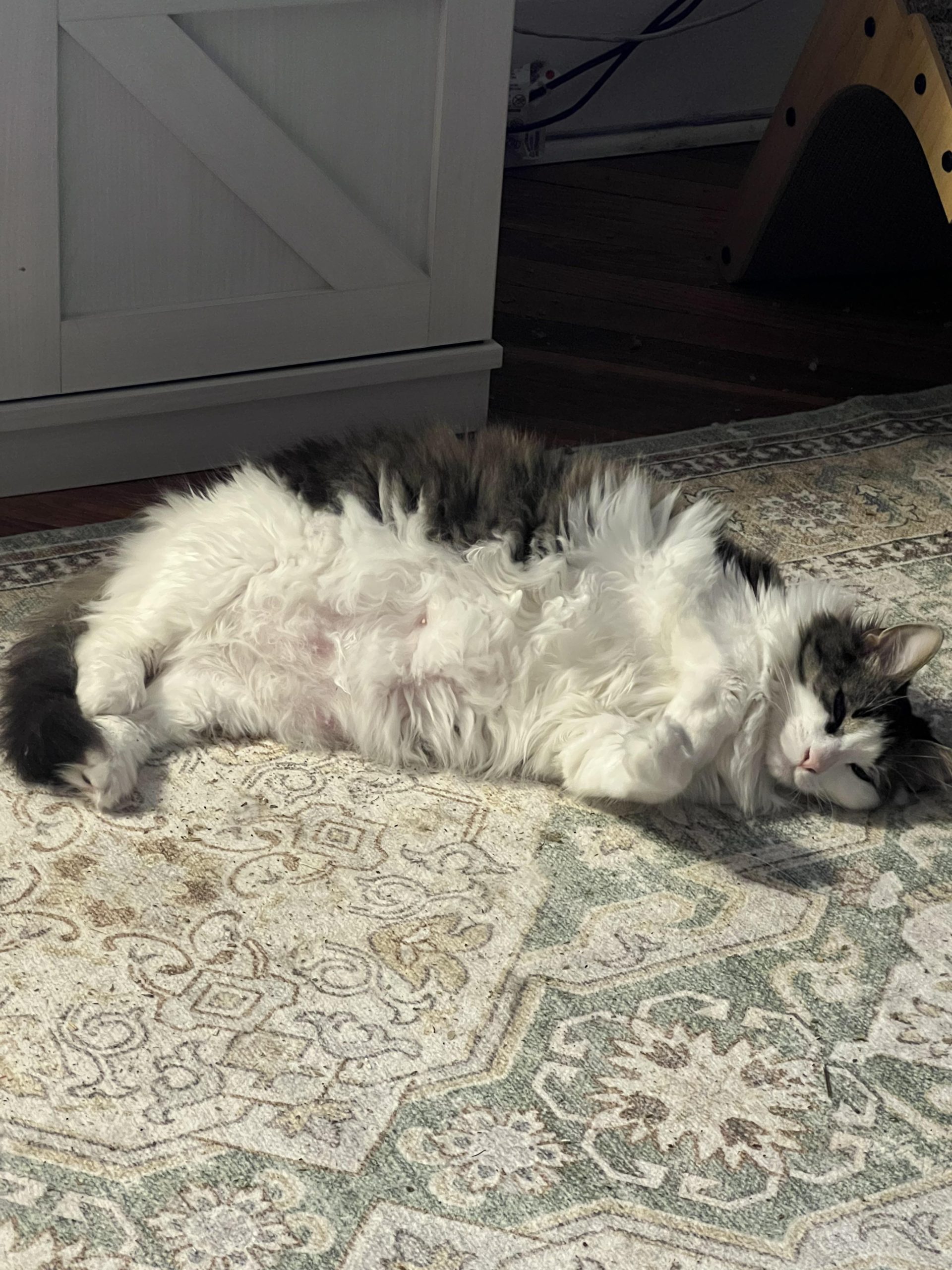
Have you noticed your cat licking her belly more than usual? It might seem like a simple grooming habit, but over grooming can be a sign that something is wrong.
You might wonder why your furry friend is spending so much time on this one spot. Understanding the reasons behind your cat’s over grooming can help you keep her healthy and happy. Keep reading to discover what could be causing this behavior and what you can do to help your beloved pet feel better.

Credit: www.reddit.com
Signs Of Over Grooming
Recognizing the signs of over grooming in your cat is crucial to addressing the issue early. Over grooming can indicate underlying problems that need your attention. By spotting these signs, you can help your cat feel more comfortable and healthy.
Behavioral Changes
Have you noticed your cat spending more time licking or biting her belly than usual? Excessive grooming often comes with changes in behavior, such as restlessness or irritability. Your cat might also avoid being touched on her belly or become more withdrawn.
Sometimes, over grooming is linked to stress or anxiety. If your cat suddenly starts grooming obsessively, ask yourself if there have been any changes in her environment. New pets, visitors, or loud noises could trigger this behavior.
Physical Symptoms
Look closely at your cat’s belly for signs like redness, bald patches, or scabs. These physical symptoms often show that over grooming has caused irritation or even injury. You might also notice swelling or a strange odor if the skin has become infected.
Does your cat’s fur look thinner in certain spots? This could be a clear sign that she is grooming too much. Check for any sores or crusts, which are signs your cat may need veterinary care.
Common Causes
Over grooming of the belly in cats can signal a few underlying issues. Understanding these common causes helps identify the right approach. Cats might lick their belly excessively due to physical or emotional discomfort. This behavior needs attention to prevent skin damage and stress.
Allergies And Skin Irritations
Allergies often cause itching and redness on a cat’s belly. Food ingredients, pollen, or household chemicals may trigger reactions. Cats lick their belly to soothe irritated skin. This licking can lead to bald spots and sores.
Stress And Anxiety
Stress can make cats lick their belly more than usual. Changes in the environment or routine cause anxiety. Over grooming acts as a coping mechanism to calm nerves. This habit might worsen without reducing stress factors.
Parasites And Infections
Parasites like fleas or mites cause itching and discomfort on the belly. Bacterial or fungal infections can also irritate the skin. Cats try to relieve these by licking intensely. Treating the infection or parasites stops the over grooming.
Pain Or Discomfort
Pain in the belly area may lead to excessive licking. Internal issues or injury can cause this discomfort. Licking is a way to cope with the pain or tenderness. Veterinary care is important to diagnose and treat the cause.
Health Risks From Over Grooming
When a cat over grooms, there are health risks involved. Over grooming can lead to several issues that affect your cat’s well-being. Understanding these risks is vital for your cat’s health.
Skin Damage
Excessive grooming can cause significant skin damage. Cats have sharp tongues that can irritate the skin. Repeated licking leads to redness and inflammation. Open sores can develop, which may become painful. These sores also increase the risk of infection.
Hair Loss
Over grooming often results in hair loss. Cats pull out hair while licking, causing bald patches. These patches are unsightly and uncomfortable for your cat. Constant loss of fur can also expose the skin to environmental elements. This makes the skin vulnerable to further damage.
Secondary Infections
Secondary infections are a common consequence of over grooming. Open wounds on the skin can become infected by bacteria. The risk increases if the cat continues to lick the area. Infections can cause severe complications if left untreated. They may require medical intervention to heal properly.
Diagnosing The Problem
Diagnosing why a cat over grooms her belly requires careful observation and expert help. Over grooming can signal many issues, from skin problems to stress. Finding the root cause helps treat the problem effectively.
Veterinary Examination
A vet starts by checking the cat’s skin and fur. They look for redness, sores, or hair loss. The vet also asks about the cat’s behavior and environment. This helps rule out stress or anxiety as causes. A physical exam checks for pain or discomfort in the belly area. The vet may also feel for lumps or swelling.
Diagnostic Tests
Tests often follow the physical exam to identify hidden problems. Skin scrapings can find mites or infections. Blood tests check for allergies or hormonal imbalances. Allergy testing may be needed if the vet suspects food or environmental allergies. Sometimes, urine tests help detect internal issues. These tests give a clearer picture of the cat’s health.
Treatment Options
Treating a cat that over grooms her belly requires a careful approach. The goal is to stop the behavior and help your cat feel comfortable again. Treatment depends on the cause, which could be medical, behavioral, or environmental. A combination of solutions often works best.
Medical Interventions
Start with a visit to the vet. They check for skin infections, allergies, or parasites. Treatment may include:
- Antibiotics or antifungal medications
- Anti-inflammatory drugs to reduce itching
- Special shampoos or topical creams
- Flea and parasite control products
Sometimes, pain or discomfort causes over grooming. Proper diagnosis helps select the right medicine.
Behavioral Therapies
Stress or anxiety often lead to over grooming. Behavioral therapy can help your cat calm down. Techniques include:
- Using pheromone diffusers to soothe anxiety
- Providing regular play sessions to reduce stress
- Training with positive reinforcement to discourage licking
- Consulting an animal behaviorist for severe cases
Changing your cat’s routine gently helps reduce nervous habits.
Environmental Adjustments
Adjusting your cat’s environment can reduce triggers. Key changes might be:
- Creating quiet, safe resting areas
- Removing irritants like harsh cleaning products
- Providing scratching posts and toys for distraction
- Maintaining a clean litter box and feeding space
Small changes can make a big difference in your cat’s comfort and behavior.
Preventing Over Grooming
Preventing over grooming in cats is key to keeping them healthy and happy. Over grooming can cause skin problems and discomfort. Taking simple steps helps stop this behavior early. Careful attention to your cat’s needs can make a big difference.
Regular Health Checks
Routine vet visits catch skin issues early. A vet can check for allergies or infections. Early treatment stops over grooming from getting worse. Monitor your cat’s skin and fur daily. Notice any redness, bald spots, or wounds.
Stress Reduction Techniques
Stress often triggers over grooming in cats. Create a calm, safe space for your cat. Play gently and spend quiet time together. Use soothing sounds or pheromone diffusers to relax her. Avoid sudden changes in her environment.
Proper Parasite Control
Parasites like fleas cause itching and discomfort. This leads cats to groom more than normal. Use vet-recommended flea control products regularly. Check your cat’s coat for signs of pests. Keeping parasites away reduces over grooming risks.
When To Seek Veterinary Help
Knowing when to seek veterinary help for your cat’s over grooming is crucial. Over grooming can sometimes be a sign of simple irritation, but it might also point to deeper health issues. Paying attention to specific warning signs can help you decide if a vet visit is necessary.
Warning Signs
Watch for persistent hair loss or raw, red skin on your cat’s belly. If your cat seems uncomfortable, constantly licking or biting the same spot, this is a clear indicator that something is wrong.
Notice if your cat’s behavior changes—such as increased aggression, hiding, or loss of appetite. These changes often accompany underlying medical problems and need professional evaluation.
Also, check for swelling, discharge, or foul odors around the overgroomed area. These symptoms can signal infections or allergies that require treatment.
Emergency Situations
If your cat is bleeding heavily from over grooming, you should seek immediate veterinary attention. Severe wounds can lead to infections and pain that your cat cannot manage alone.
Sudden intense itching combined with difficulty breathing or swelling in the face and neck are emergencies. These signs may indicate an allergic reaction needing urgent care.
Consider the last time your cat was examined by a vet—if it’s been a long time and you notice worsening symptoms, don’t hesitate to schedule an appointment. Early intervention can prevent serious complications.

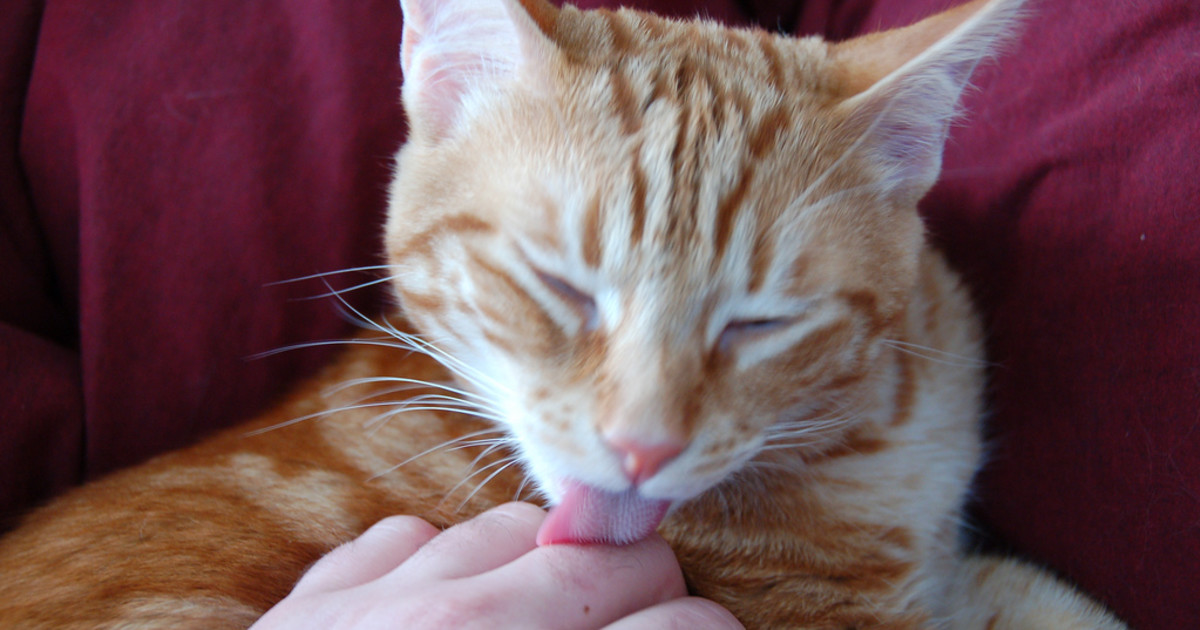
Credit: www.reddit.com

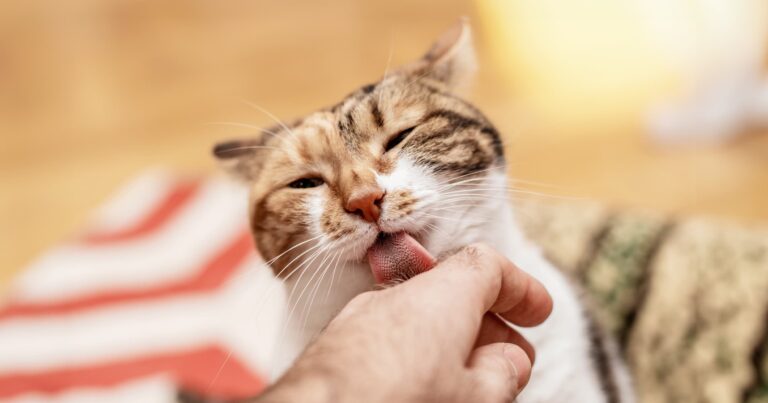
Credit: www.reddit.com
Frequently Asked Questions
Why Is My Cat Over Grooming Her Belly?
Cats over groom their belly due to stress, allergies, or skin irritation. It can also signal pain or parasites. Observe any redness or hair loss and consult a vet for proper diagnosis and treatment.
Can Allergies Cause Cat Belly Over Grooming?
Yes, allergies to food, pollen, or fleas often cause cats to over groom their belly. Allergic reactions lead to itching and discomfort, prompting excessive licking. Identifying and managing the allergen helps reduce over grooming.
How Does Stress Affect Cat Grooming Behavior?
Stress triggers cats to groom excessively as a coping mechanism. Changes in environment, new pets, or loud noises can increase stress. Reducing stressors and providing a calm space can help control over grooming.
When Should I See A Vet For Over Grooming?
See a vet if your cat has bald patches, skin wounds, or behavioral changes. Persistent over grooming can cause infections and pain. Early diagnosis ensures effective treatment and prevents further complications.
Conclusion
Cats often groom their bellies to stay clean and calm. Over grooming can signal stress or health issues. Watch your cat’s behavior closely for changes. A visit to the vet can help find the cause. Treating the problem early keeps your cat happy.
Remember, a healthy cat is a joyful cat. Caring for your pet’s needs shows your love. Keep an eye on grooming habits to protect her well-being.

Leave a Reply