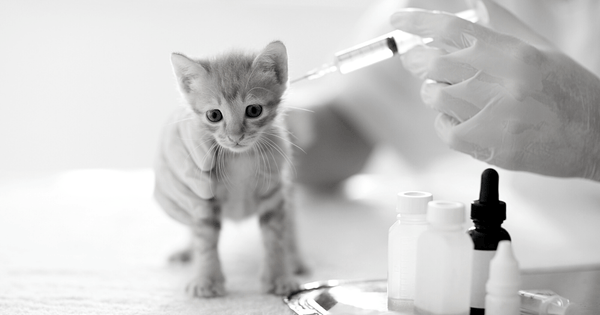
Are you worried about your cat’s health but unsure what problems to watch out for? Knowing the most common cat health issues can help you catch warning signs early and keep your furry friend happy and safe.
You’ll discover the top health problems that affect cats, what symptoms to look for, and how you can protect your pet. Keep reading to learn what every cat owner needs to know to give their companion the best care possible.
Common Respiratory Issues
Respiratory problems are common in cats and can affect their quality of life. These issues often cause breathing difficulties and discomfort. Early recognition and treatment are important to help cats stay healthy. Some respiratory problems are mild, while others require immediate care.
Upper Respiratory Infections
Upper respiratory infections are similar to colds in humans. They are caused by viruses and bacteria. Cats with these infections may sneeze, cough, or have a runny nose. Their eyes might also look watery or red. These infections spread easily among cats in close contact.
Common symptoms include:
- Sneezing and nasal discharge
- Eye discharge or redness
- Coughing and difficulty breathing
- Loss of appetite and lethargy
Treatment usually involves rest, fluids, and sometimes antibiotics. Keeping your cat indoors helps prevent catching or spreading infections.
Asthma In Cats
Asthma is a chronic condition that narrows the airways. It causes coughing, wheezing, and trouble breathing. Triggers include dust, smoke, and allergens in the environment. Asthma can be mild or severe, and flare-ups may happen suddenly.
Signs of asthma include:
- Frequent coughing or wheezing
- Rapid or labored breathing
- Open-mouth breathing in severe cases
Veterinarians diagnose asthma using X-rays and physical exams. Treatment involves medication to reduce inflammation and open airways. Reducing exposure to triggers helps manage symptoms effectively.
Credit: www.petmd.com
Digestive System Problems
The digestive system plays a crucial role in your cat’s overall health. Problems in this area can lead to discomfort, nutritional issues, and even more serious conditions. Recognizing common digestive troubles can help you act quickly and keep your feline friend feeling their best.
Hairballs And Vomiting
Hairballs are a frequent issue for cats, especially those with long fur. When your cat grooms, they swallow loose hair that can accumulate in the stomach and form a hairball. Sometimes, this causes vomiting as the body tries to expel the hairball naturally.
If your cat vomits regularly or seems uncomfortable, it might be due to persistent hairballs. You can help by brushing your cat daily to reduce loose hair and offering hairball remedies available at pet stores. Have you noticed your cat coughing or retching often? That could be a sign to check their grooming habits and diet.
Gastrointestinal Parasites
Parasites like worms are common digestive system invaders in cats. These parasites can cause symptoms such as diarrhea, weight loss, and a dull coat. Even indoor cats can get parasites, so regular vet check-ups are vital.
Protecting your cat involves routine deworming and monitoring their litter box habits for any changes. If your cat suddenly loses appetite or shows signs of stomach pain, parasites might be the cause. How often do you take your cat for parasite screenings? Consistency can save your cat from long-term digestive troubles.
Skin And Coat Conditions
Cats often face skin and coat problems that affect their comfort and health. These conditions can cause itching, hair loss, and irritation. Early detection helps manage these issues better.
Fleas And Allergies
Fleas are tiny pests that bite cats, causing intense itching. Cats can develop allergic reactions to flea bites. This allergy leads to red, inflamed skin and constant scratching. Flea allergy dermatitis is common and may cause hair loss.
Signs of flea problems include:
- Frequent scratching and biting
- Small black specks in fur (flea dirt)
- Red or scabby skin
Allergies can also come from food or the environment. Dust, pollen, or certain foods may trigger skin reactions. Allergic cats may lick paws or rub face often.
Dermatitis
Dermatitis means inflammation of the skin. It can result from infections, allergies, or irritants. Cats with dermatitis have sore, red, or flaky skin. They may scratch or bite the affected areas.
Common causes of dermatitis include:
- Fungal or bacterial infections
- Contact with harsh chemicals
- Parasites like mites
Proper diagnosis is important to treat dermatitis. Treatment may involve medications and avoiding triggers. Keeping a cat’s skin clean and healthy reduces risks.
Dental Diseases
Dental diseases are among the most common health problems in cats. They cause pain, bad breath, and difficulty eating. Regular check-ups help catch issues early and keep cats healthy.
Dental diseases in cats are common and often overlooked. Cats rarely show obvious signs of dental pain. But this doesn’t mean they are free from dental issues. Dental diseases can lead to serious health problems if untreated. Regular check-ups can prevent these issues. Let’s explore some common dental diseases in cats.Gingivitis
Gingivitis is a common dental problem in cats. It occurs when plaque builds up on teeth. This leads to inflamed gums. Symptoms include red, swollen gums and bad breath. Cats with gingivitis might avoid eating due to pain. Regular brushing can help prevent gingivitis. Professional cleanings are also recommended.Tooth Resorption
Tooth resorption affects many cats. It’s a painful condition where the tooth structure breaks down. This can cause severe discomfort and difficulty eating. Signs include drooling, mouth bleeding, or refusing food. Tooth resorption often requires tooth extraction. Regular vet check-ups can help identify this issue early.Chronic Kidney Disease
Chronic Kidney Disease (CKD) is one of the most common and serious health problems in cats. It happens when the kidneys gradually lose their ability to filter waste and toxins from the blood. This condition develops slowly and often goes unnoticed until it reaches an advanced stage.
What Causes Chronic Kidney Disease In Cats?
Several factors can lead to CKD in cats, including age, genetics, and certain infections. Older cats are more prone to this disease, but younger cats can also be affected, especially if they have underlying health issues. Exposure to toxins, dehydration, and poor diet can also contribute to kidney damage over time.
Signs And Symptoms To Watch For
CKD symptoms can be subtle at first. You might notice your cat drinking more water than usual or urinating more frequently. Other signs include weight loss, decreased appetite, vomiting, and lethargy. If you spot these symptoms, getting your cat checked by a vet is crucial.
How Is Chronic Kidney Disease Diagnosed?
Diagnosis usually involves blood tests and urine analysis to check kidney function. Your vet may also perform imaging tests like X-rays or ultrasounds to look at the kidneys’ size and structure. Early diagnosis can make a big difference in managing the disease.
Managing Chronic Kidney Disease
While CKD can’t be cured, you can help your cat live comfortably for a long time. Diet changes, such as feeding kidney-friendly food low in protein and phosphorus, are essential. Your vet might also recommend medications to control symptoms and keep your cat hydrated.
Why Early Detection Matters
Have you ever missed subtle signs of illness until it became serious? CKD is a perfect example of why paying attention to small changes in your cat’s behavior matters. Early detection allows for timely treatment, which can slow the disease’s progress and improve your cat’s quality of life.
Diabetes In Cats
Diabetes in cats is a serious condition that affects their ability to regulate blood sugar. Just like in humans, this disease can lead to severe health issues if not caught early. Understanding the signs and treatments can help you give your feline friend a better quality of life.
What Causes Diabetes In Cats?
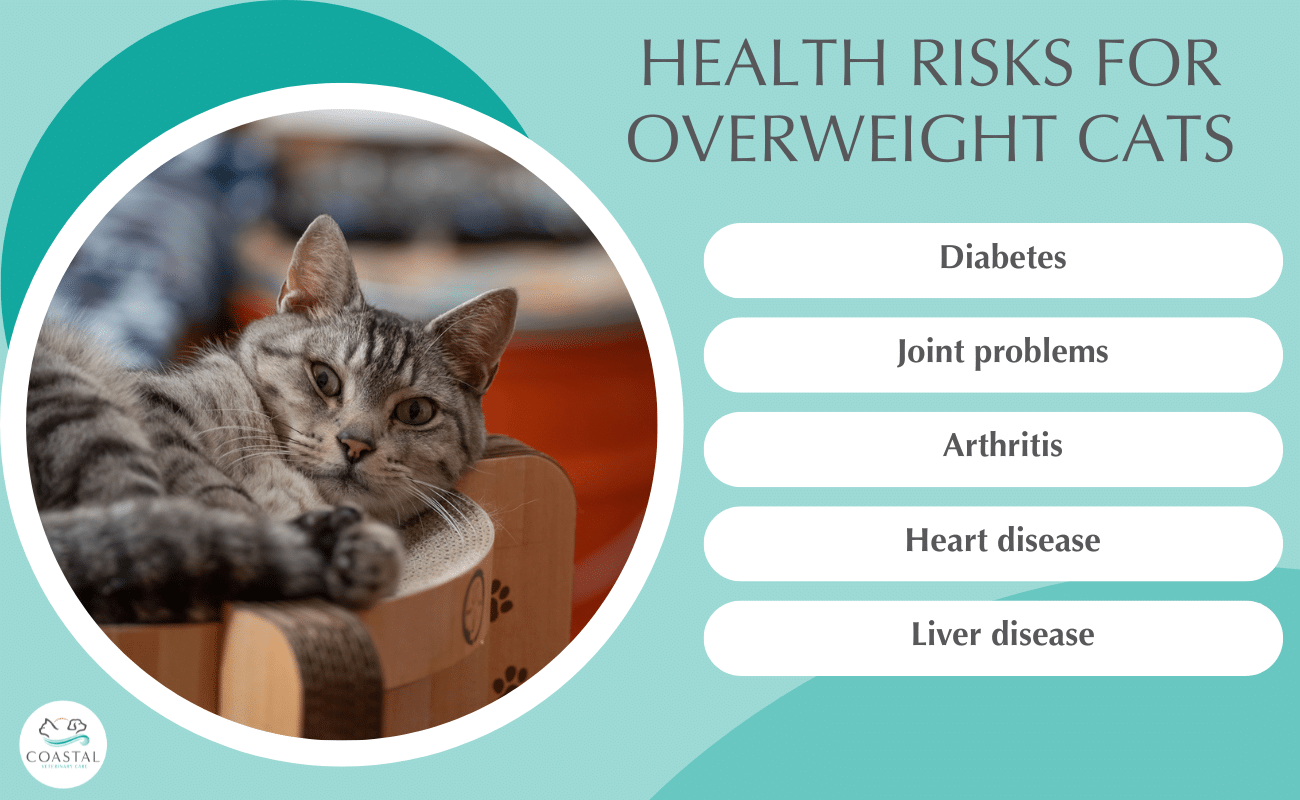
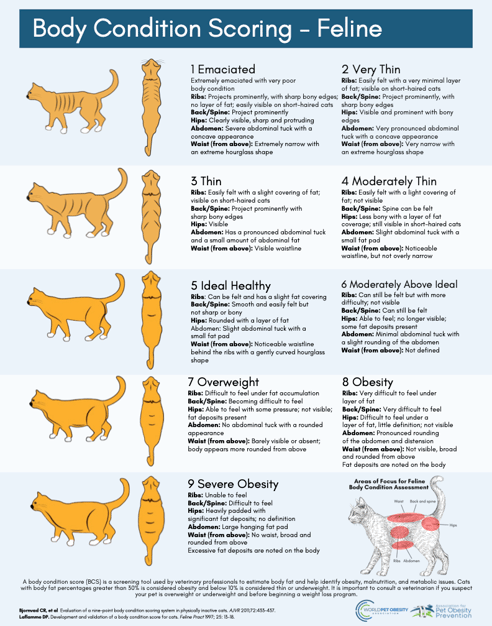
Diabetes usually happens when a cat’s body can’t produce enough insulin or doesn’t use it properly. Obesity is a big risk factor, as excess fat interferes with insulin function. Older cats and certain breeds, like Burmese cats, are more prone to developing diabetes.
Recognizing The Symptoms
Does your cat drink more water than usual or urinate frequently? These are common signs of diabetes. You might also notice weight loss despite a healthy appetite, or your cat feeling unusually tired or weak.
How Is Diabetes Diagnosed?
Vets diagnose diabetes through blood tests and urine analysis. These tests measure glucose levels and check for complications. Early diagnosis is crucial to prevent long-term damage.
Treatment Options For Diabetic Cats
Managing diabetes involves insulin injections and dietary changes. Feeding your cat a high-protein, low-carb diet can stabilize blood sugar. Regular vet check-ups help adjust treatment based on your cat’s response.
Living With A Diabetic Cat
It may seem overwhelming at first, but many cats live full lives with diabetes. Monitoring your cat’s behavior and glucose levels at home is key. Have you prepared a routine for insulin shots and diet management yet?
Common Eye Problems
Cats, like humans, can face eye problems. These issues affect their vision and comfort. Regular check-ups help catch them early. Learn about two common eye problems in cats.
Conjunctivitis
Conjunctivitis causes redness and swelling in the eye. It leads to discomfort and discharge. Cats may squint or paw at their eyes. Bacterial infections often cause conjunctivitis. Allergies or irritants can also be culprits. Treatment usually involves eye drops or ointments. Keeping the eye clean aids healing.
Cataracts
Cataracts make the lens of the eye cloudy. This affects the cat’s vision. They might bump into objects or seem disoriented. Aging often leads to cataracts, but injuries can also cause them. Surgery is the most common treatment. It helps restore the cat’s sight. Regular vet visits can monitor the condition.
Credit: coastalveterinarycare.vet
Parasites Affecting Cats
Parasites pose serious health risks to cats. They can live inside or on a cat’s body. These parasites cause discomfort and may lead to severe illnesses. Understanding common parasites helps cat owners protect their pets effectively.
Internal Parasites
Internal parasites live inside a cat’s body. They often affect the intestines but can spread to other organs. Common internal parasites include:
- Roundworms
- Hookworms
- Tapeworms
- Heartworms
- Protozoa like Giardia
Symptoms include vomiting, diarrhea, weight loss, and poor coat condition. Some parasites can pass to humans, especially children. Regular vet check-ups and deworming prevent internal parasite problems.
External Parasites
External parasites live on a cat’s skin or fur. They cause itching, irritation, and sometimes infections. The most common external parasites are:
- Fleas
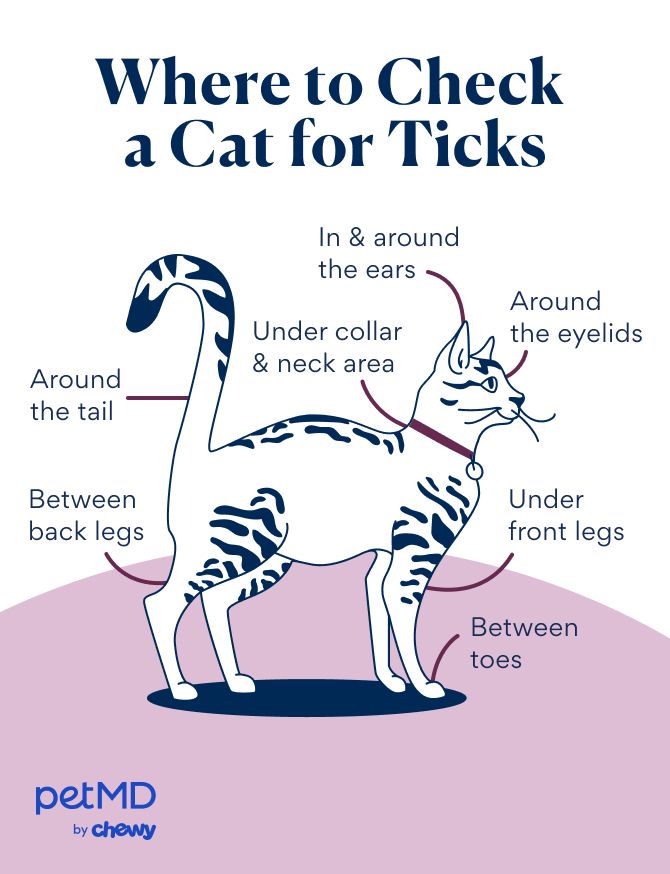
- Ticks
- Mites
- Lice
Signs include scratching, hair loss, and red or scaly skin. Fleas can cause allergic reactions and anemia in severe cases. Using flea control products and regular grooming helps keep external parasites away.
Behavioral And Mental Health
Behavioral and mental health issues are common in cats and can affect their quality of life. These problems often stem from changes in the environment, health issues, or lack of social interaction. Understanding these behaviors helps in providing better care and comfort to your pet.
Stress And Anxiety
Cats show stress and anxiety in many ways. They may hide, stop eating, or groom themselves too much. Loud noises, new people, or changes at home can trigger these feelings. Long periods alone or lack of playtime also increase stress.
Signs include:
- Excessive meowing or crying
- Restlessness or pacing
- Avoiding interaction
- Destructive behavior
Reducing stress helps improve a cat’s health. Create a calm space and keep routines steady. Use toys and gentle play to distract and comfort your cat.
Aggression
Aggression in cats can be sudden or grow over time. It may come from fear, pain, or frustration. Some cats act aggressively toward people or other pets. This behavior can harm relationships and cause injuries.
Common triggers are:
- Feeling threatened or cornered
- Protecting territory
- Redirected anger from another source
- Medical problems causing pain
Understanding the cause is key to managing aggression. Avoid punishment and seek advice from a vet or behaviorist. Safe spaces and slow introductions to new pets help reduce conflicts.
Credit: www.preventivevet.com
Frequently Asked Questions
What Are Common Signs Of Cat Health Problems?
Common signs include changes in appetite, weight loss, vomiting, diarrhea, lethargy, coughing, sneezing, and changes in litter box habits. Early detection helps prevent serious issues and ensures timely veterinary care.
How Can I Prevent Common Cat Health Issues?
Regular vet check-ups, vaccinations, balanced diet, proper hydration, and parasite control help prevent many health issues. Maintaining a clean environment and monitoring behavior also supports your cat’s well-being.
What Are Typical Cat Illnesses To Watch For?
Common illnesses include upper respiratory infections, dental disease, kidney disease, diabetes, and flea infestations. Knowing symptoms and early signs helps in quick treatment and better health outcomes.
When Should I Take My Cat To The Vet?
Visit the vet if your cat shows persistent vomiting, diarrhea, sudden weight loss, difficulty breathing, or behavioral changes. Prompt veterinary attention can save your cat’s life.
Conclusion
Cats can face many health issues during their lives. Knowing common problems helps you keep your cat safe. Regular vet visits catch problems early. Watch for changes in behavior or eating habits. Quick action can prevent serious illness. Healthy cats live longer and feel better.
Take good care of your furry friend daily. Small steps make a big difference in their health. Stay informed and always show love and care. Your cat depends on you to stay happy and well.

Leave a Reply