If you’ve ever noticed your cat scratching more than usual or seen tiny pests on their fur, you know how important it is to act fast. Using a flea comb to groom your cat is one of the simplest and most effective ways to keep those pesky fleas under control.
But how do you do it right? You’ll learn easy, step-by-step tips to use a flea comb safely and effectively. By the end, you’ll feel confident in protecting your furry friend from discomfort and keeping their coat clean and healthy.
Keep reading—you and your cat will both thank me!
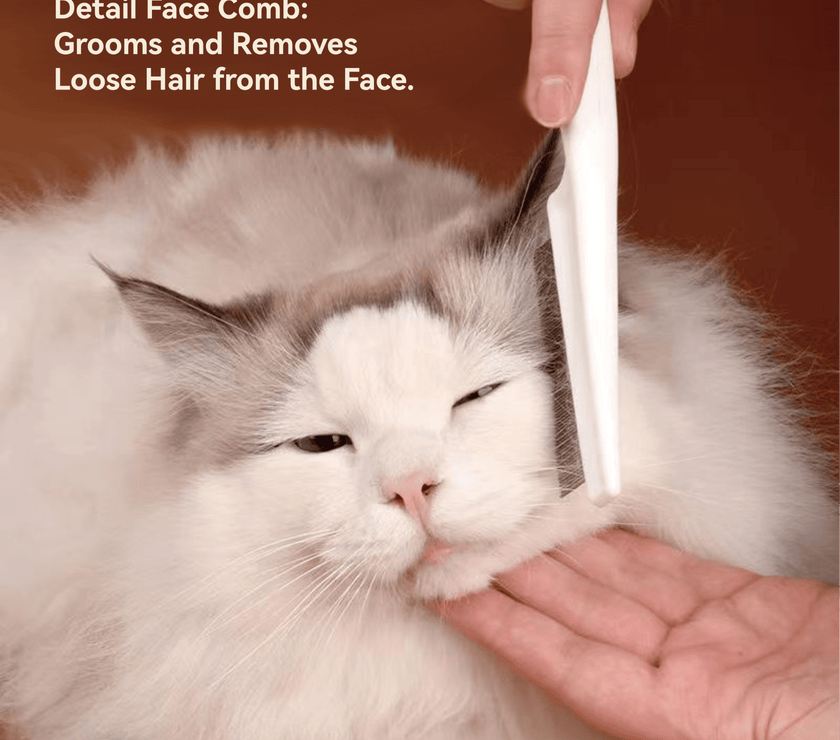
Credit: www.4furbaby.com
Choosing The Right Flea Comb
Choosing the right flea comb is essential for effective cat grooming. The right comb helps remove fleas, dirt, and loose fur without hurting your cat. It ensures a smooth grooming experience and keeps your cat comfortable. Understanding the types, materials, and sizes will help you pick the best comb.
Types Of Flea Combs
Flea combs come in different designs. Some have fine teeth close together, perfect for catching tiny fleas and eggs. Others have wider teeth to remove loose fur and debris. Some combs include a handle for better grip, while others are small and portable. Choose a type that suits your cat’s fur length and thickness.
Materials And Durability
Most flea combs are made from metal or plastic. Metal combs are strong and last longer. They are easy to clean and don’t bend easily. Plastic combs are lighter and cheaper but may break faster. Look for combs with rust-resistant metal to ensure durability. A sturdy comb is better for regular use.
Size And Tooth Spacing
The size of the comb and spacing between teeth affect its performance. Small combs work well for kittens and small cats. Larger combs cover more area for bigger cats. Teeth spacing matters too. Narrow spacing catches tiny fleas and eggs. Wider spacing helps remove loose fur without pulling. Choose a comb that fits your cat’s size and coat type.

Credit: pass.or.tz
Preparing Your Cat For Grooming
Preparing your cat for grooming with a flea comb is a crucial step that can make the process smoother and more effective. Cats are sensitive creatures, and approaching grooming with care helps reduce their stress and resistance. Taking time to prepare your cat sets a positive tone for the entire grooming session.
Creating A Calm Environment
Choose a quiet room where your cat feels safe and comfortable. Avoid loud noises, sudden movements, or distractions that could startle your cat. Soft lighting and a familiar scent, like a favorite blanket, can help your cat stay relaxed during grooming.
Have you noticed how your cat behaves differently in noisy areas? A calm environment can prevent unnecessary anxiety and make the flea combing easier for both of you.
Getting Your Cat Comfortable
Spend a few minutes petting and talking softly to your cat before you begin. Let your cat sniff the flea comb so it becomes a familiar object rather than a threat. Gently stroke their fur in the direction of hair growth to mimic the combing motion and build trust.
Patience matters here. If your cat shows signs of discomfort, pause and try again later. Your calm approach encourages your cat to cooperate, turning grooming into a bonding moment.
Gathering Necessary Supplies
Before starting, have everything ready to avoid interruptions. You’ll need a fine-toothed flea comb, a bowl of soapy water to dip the comb into for removing fleas, and some treats to reward your cat’s good behavior.
Consider having a soft towel nearby to wrap your cat if they get fidgety. Being prepared helps you stay focused and keeps the grooming process efficient and stress-free.
Step-by-step Flea Combing Process
Using a flea comb to groom your cat is a simple yet effective way to keep your feline friend comfortable and flea-free. The process requires patience and attention to detail, but the rewards are worth it. You’ll not only spot fleas early but also strengthen the bond with your cat through gentle handling.
Starting At The Neck
Begin combing at the neck area, where fleas often hide first. This spot is less sensitive for most cats, so it’s a good place to get them used to the comb without causing discomfort. Hold your cat calmly and speak softly to reassure them as you start.
Combing Through The Fur
Slowly move the flea comb through your cat’s fur in short, deliberate strokes. Focus on areas behind the ears, around the tail, and under the legs—these are flea hotspots. Notice if the comb gets stuck; if it does, gently untangle to avoid hurting your cat.
Checking And Cleaning The Comb
After every few strokes, inspect the comb for trapped fleas and debris. Wipe the comb on a damp paper towel or rinse it under warm water to remove any caught fleas. This step is crucial to prevent fleas from hopping back onto your cat during grooming.

Credit: www.amazon.ca
Dealing With Fleas And Debris
Dealing with fleas and debris is a key part of grooming your cat with a flea comb. Fleas cause discomfort and can affect your cat’s health. Removing them carefully keeps your pet happy and clean. The flea comb helps catch fleas, eggs, and dirt trapped in your cat’s fur.
Identifying Fleas And Eggs
Fleas are small, dark brown insects that move quickly. You might see tiny black dots or fast-moving specks on your cat’s fur. Flea eggs look like tiny white grains and stick to the hair shafts. Check your cat’s neck, behind ears, and near the tail. These spots are common flea hiding places.
Removing Fleas Safely
Use a flea comb with fine, close-set teeth. Comb your cat’s fur gently but firmly. Focus on areas where fleas hide most. After each stroke, wipe the comb on a wet paper towel. This kills fleas and prevents them from escaping. Never use your fingers to remove fleas directly from your cat.
Cleaning Up After Grooming
Dispose of fleas and eggs by sealing the paper towel in a plastic bag. Wash the comb with hot, soapy water to clean it well. Vacuum your home, especially where your cat rests. This removes stray fleas and eggs from carpets and furniture. Regular cleaning helps stop flea infestations from growing.
Tips For Regular Flea Comb Use
Gently comb your cat’s fur daily to catch fleas early. Focus on the neck and tail areas for best results. Clean the comb often to remove trapped fleas and dirt.
Using a flea comb regularly can be a game-changer in keeping your cat’s coat healthy and free from pesky fleas. Not only does it help in removing fleas and their eggs, but it also offers a chance to bond with your furry friend. As you embark on this grooming journey, here are some insightful tips to make the most of your flea comb routine.Establishing A Routine
Creating a consistent grooming schedule is essential. Try setting aside a specific time each day or week that suits both you and your cat. This regularity helps your cat become accustomed to the process and reduces stress for both of you. In my experience, doing it after feeding time works wonders. Cats are usually more relaxed and content after a meal, making them more cooperative during grooming. Find a quiet spot where your cat feels safe and comfortable.Monitoring Your Cat’s Skin Health
While using the flea comb, pay attention to your cat’s skin. Look for any signs of redness, irritation, or unusual bumps. This can be an early indicator of skin issues or allergic reactions. Keeping an eye on your cat’s skin health helps catch problems before they escalate. If you notice anything concerning, it’s a cue to delve deeper into what might be causing it. Regular combing provides an opportunity to spot these changes that might otherwise go unnoticed.When To Consult A Veterinarian
If you find that your cat has a severe flea infestation, it may be time to consult your vet. Sometimes, over-the-counter treatments and regular combing aren’t enough to tackle the problem. Your veterinarian can offer professional advice and possibly prescribe stronger treatments. Also, if your cat’s skin shows persistent signs of irritation or if they seem unusually uncomfortable, it’s wise to seek a vet’s opinion. Trust your instincts; if something feels off, a professional consultation can provide peace of mind and ensure your cat stays healthy.Frequently Asked Questions
How Often Should I Use A Flea Comb On My Cat?
Use a flea comb daily during flea season or if you see fleas. Regular combing helps remove fleas and eggs effectively. It also keeps your cat’s coat clean and healthy.
Can Flea Combs Remove Flea Eggs From Cat Fur?
Yes, flea combs can remove flea eggs and debris. The fine teeth trap eggs, dirt, and fleas. Regular combing prevents flea infestation and keeps your cat comfortable.
What Is The Best Way To Use A Flea Comb?
Comb your cat’s fur gently, section by section. Start from the head and move towards the tail. Clean the comb after each pass to remove fleas and eggs.
Is A Flea Comb Safe For All Cat Breeds?
Yes, flea combs are safe for all cat breeds. They cause no harm and are gentle on skin. Always be gentle to avoid discomfort or skin irritation.
Conclusion
Using a flea comb helps keep your cat clean and comfortable. Regular combing removes fleas and dirt from the fur. It also lets you check for skin problems early. Be gentle and patient to make grooming pleasant. A flea comb is a simple, useful tool for cat care.
Try to groom your cat often to keep fleas away. Your cat will feel happier and healthier with this care. Small steps make a big difference in pet health. Keep your cat flea-free and enjoy a clean pet.

Leave a Reply