Are you looking for a feline friend who’s calm and quiet? If loud meows and constant chatter aren’t your thing, you’re not alone.
Some cats are naturally more reserved and less vocal than others. Knowing which cat breeds tend to keep their voices down can help you find the perfect companion that fits your peaceful home. Keep reading to discover which cat breeds are not vocal—and learn how their calm nature might be just what you need.
Traits Of Quiet Cat Breeds
Quiet cat breeds have a unique charm. Their calm nature often makes them ideal for people who prefer a peaceful home environment. Understanding their traits can help you decide if a low-vocal cat fits your lifestyle.
Common Characteristics
Quiet cats tend to have a calm and gentle demeanor. They usually avoid excessive meowing and prefer to communicate through body language or soft purrs. Many of these breeds have a relaxed energy level and enjoy lounging around rather than constant activity.
You’ll notice that quiet breeds often have strong bonds with their owners but don’t demand attention through loud vocalizations. They might be more reserved but still affectionate. This makes them perfect companions if you want a pet that won’t disturb your peace.
Behavioral Tendencies
Quiet cats often display patient and observant behaviors. They tend to think before they act, showing a thoughtful personality. Instead of vocalizing their needs, they might gently nudge you or sit close by to express their feelings.
These cats usually cope well with being alone for moderate periods, reducing the chances of separation anxiety-driven noise. If you’ve ever had a cat that yells when you leave, you know how refreshing it is to have one that stays calm and quiet instead.
Adaptability To Homes
Quiet cat breeds adjust well to various living situations, from busy apartments to quiet houses. Their low vocal tendencies mean they’re less likely to bother neighbors, an important factor in shared living spaces. They generally adapt quickly to new routines without expressing stress vocally.
Think about your daily rhythm. A quiet cat can blend smoothly into a home where calm and subtle communication is valued. Their ability to stay peaceful makes them excellent choices for first-time cat owners or those sensitive to noise.
:format(jpeg):quality(75))
Credit: manypets.com
Top Silent Cat Breeds
Cats have unique personalities and sounds. Some breeds are known for their quiet nature. These silent cat breeds make great pets for calm households. They often communicate with soft purrs or gentle gestures. Understanding these breeds helps in choosing a peaceful companion.
British Shorthair
The British Shorthair is calm and reserved. They rarely meow loudly. This breed enjoys quiet time and gentle play. Their soft voice matches their easygoing nature.
Scottish Fold
Scottish Folds are gentle and sweet. They tend to be quiet and shy. Their meows are soft and infrequent. These cats prefer peaceful surroundings.
Russian Blue
Russian Blues are known for their silent demeanor. They communicate mostly with their eyes and body. Their vocal sounds are rare and soft. This breed loves calm and quiet homes.
Ragdoll
Ragdolls are relaxed and loving cats. They use soft purrs instead of loud meows. Their quiet nature makes them great indoor pets. These cats enjoy cuddling more than talking.
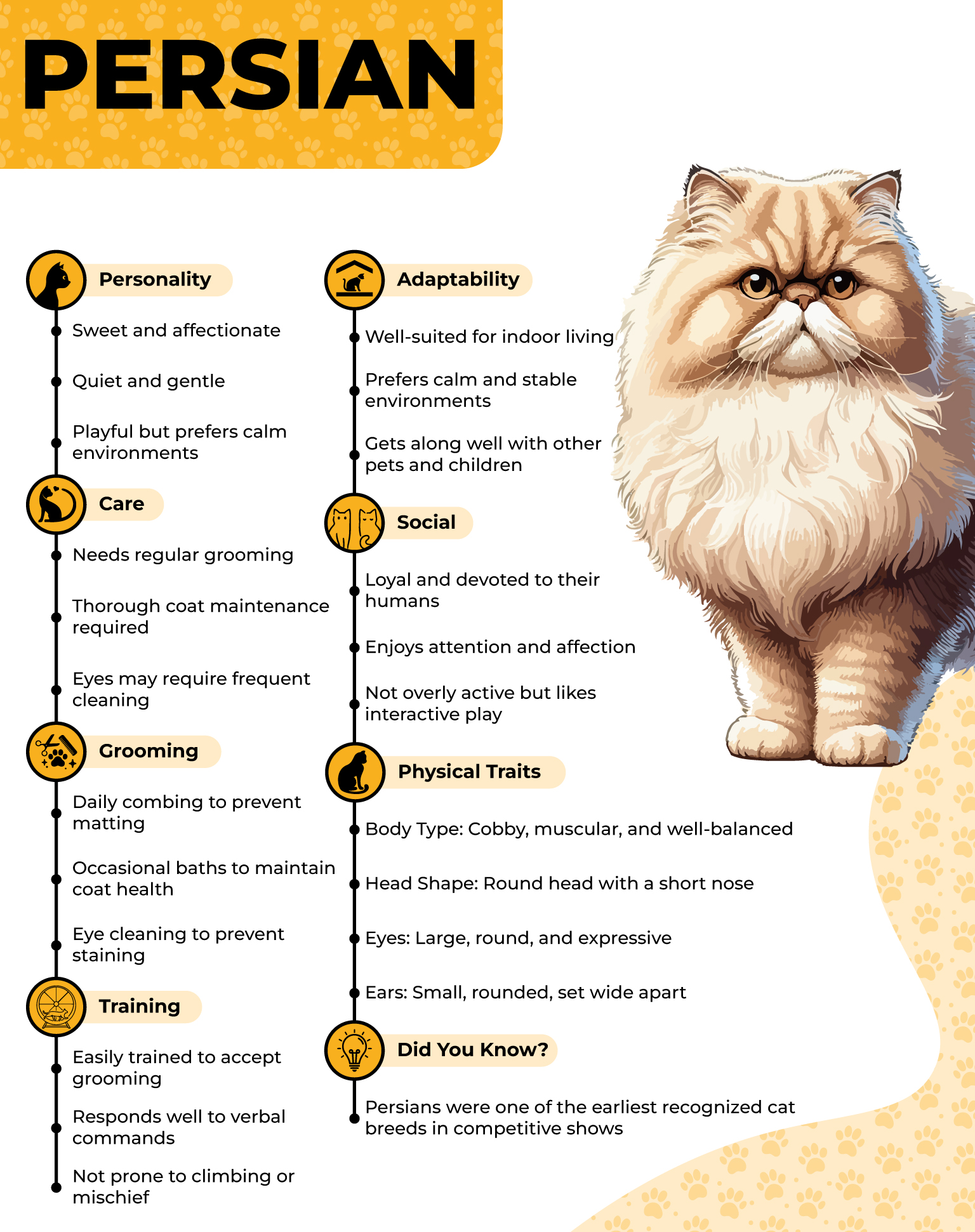
Persian
Persians are calm and dignified. They have low vocal activity. Their soft, quiet meows fit their gentle personality. This breed values comfort and peace.
How To Identify A Quiet Cat
Certain cat breeds are naturally quiet and rarely meow. Breeds like the Scottish Fold, British Shorthair, and Russian Blue tend to be calm and less vocal. Observing their behavior helps identify cats that prefer silence over constant noise.
Identifying a quiet cat can be a rewarding experience for any pet lover. If you’re looking for a feline friend who won’t keep you up at night with constant meowing, understanding their behavior is key. Not all cats are created equal when it comes to vocalization, and some breeds are naturally more reserved.Observing Vocal Patterns
Start by paying attention to the frequency and volume of a cat’s meows. Some cats, like the Siamese, are known for their chatty nature, while others, like the Russian Blue, tend to be more reserved. Listen to the cat’s natural vocal tendencies during different activities, such as feeding time or playtime. Notice if the cat uses a wide range of sounds or sticks to a minimal repertoire. A cat with a limited vocal range might be naturally quieter.Body Language Cues
A quiet cat often communicates through body language rather than sound. Watch for subtle signals like tail position, ear movement, and eye contact. A gentle flick of the tail or a slow blink can speak volumes about a cat’s mood and intentions. Do these cues resonate with your daily interactions? Consider how the cat reacts to new situations or people. Does it retreat silently or approach with curiosity?Social Interaction Styles
Evaluate how the cat behaves in social settings. A quiet cat might prefer lounging on a windowsill over socializing with a crowd. Notice if the cat seeks human company or prefers solitary activities. A cat that enjoys quiet companionship may be less likely to vocalize excessively. Reflect on your lifestyle and how a quiet cat could fit into your home environment. Would a non-vocal companion bring peace to your household? By understanding these aspects, you can better identify a cat that matches your desire for a tranquil pet.Benefits Of Quiet Cats
Quiet cats offer many benefits to cat owners. Their calm nature creates a soothing home atmosphere. These cats suit people who prefer less noise and more peace. Understanding these benefits helps choose the right pet for your lifestyle.
Peaceful Living Environment
Quiet cats keep noise levels low in your home. They do not disturb your daily activities or rest. This calmness helps reduce stress for everyone in the house. Peaceful homes feel more relaxing and inviting.
Ideal For Apartments
Small living spaces need pets that do not make much noise. Quiet cats fit well in apartments or shared homes. They avoid conflicts with neighbors over loud sounds. Apartment living becomes easier with a silent feline friend.
Low-stress Companionship
Quiet cats provide gentle and calm companionship. They do not demand attention with loud meows. This helps reduce anxiety for sensitive owners. Their soft presence offers comfort without overwhelming noise.
Caring For Quiet Cat Breeds
Caring for quiet cat breeds requires more than just appreciating their gentle nature. These cats communicate differently, often using body language over vocal sounds. Understanding how to meet their unique needs helps build a strong bond and keeps them happy and healthy.
Meeting Their Social Needs
Quiet cats may not vocalize much, but they still crave social interaction. Pay attention to their subtle signals like head nudges or slow blinks to understand when they want attention.
Spend quality time daily—quiet cats often enjoy calm petting sessions or sitting close by. Have you noticed how your cat reacts when you read aloud or watch TV? They might prefer quiet companionship over loud play.
Health Considerations
Because quiet cats don’t vocalize discomfort as loudly, you need to watch for other signs of health issues. Changes in eating habits, litter box behavior, or energy levels can be key indicators.
Regular vet check-ups are crucial since these cats might hide pain or illness. Keeping a health journal can help you track any subtle changes over time.
Enrichment Activities
Even quiet cats need mental and physical stimulation to stay content. Interactive toys like puzzle feeders or feather wands encourage natural hunting instincts without overwhelming them.
Consider creating cozy spots near windows or quiet corners where your cat can observe without stress. Have you tried rotating toys weekly to keep their interest fresh? Small changes can make a big difference.
Credit: worldanimalfoundation.org
Credit: worldanimalfoundation.org
Frequently Asked Questions
Which Cat Breeds Are Known For Being Quiet?
Breeds like the British Shorthair, Scottish Fold, and Persian are known for their quiet nature. They communicate more through body language than vocal sounds. These cats suit owners who prefer a peaceful, low-noise pet environment.
Why Are Some Cats Less Vocal Than Others?
Some cats are naturally less vocal due to genetics and breed traits. Quiet breeds tend to be more independent and calm. Their communication relies more on gestures than meowing, making them ideal for quieter households.
Are Non-vocal Cat Breeds Easier To Train?
Non-vocal cat breeds can be easier to train because they remain calm and attentive. Their quiet nature allows better focus during training sessions. However, training success depends on consistency and positive reinforcement, not just vocal behavior.
How Can I Identify A Non-vocal Cat Breed?
Look for breeds like the Russian Blue, Ragdoll, or Exotic Shorthair. These cats generally have gentle, calm personalities and rarely meow loudly. Researching breed traits before adoption helps ensure you get a quiet feline companion.
Conclusion
Quiet cat breeds offer calm and peaceful companionship. They express love without loud meows or yells. Choosing a less vocal cat suits calm homes well. These cats communicate with soft purrs and gentle gestures. Every cat has its own unique personality.
Patience and care help build strong bonds with them. Quiet cats bring comfort without constant noise. Consider their traits when deciding your pet’s fit. A peaceful pet makes daily life more relaxing. Quiet breeds can be just as loving and playful.

Leave a Reply