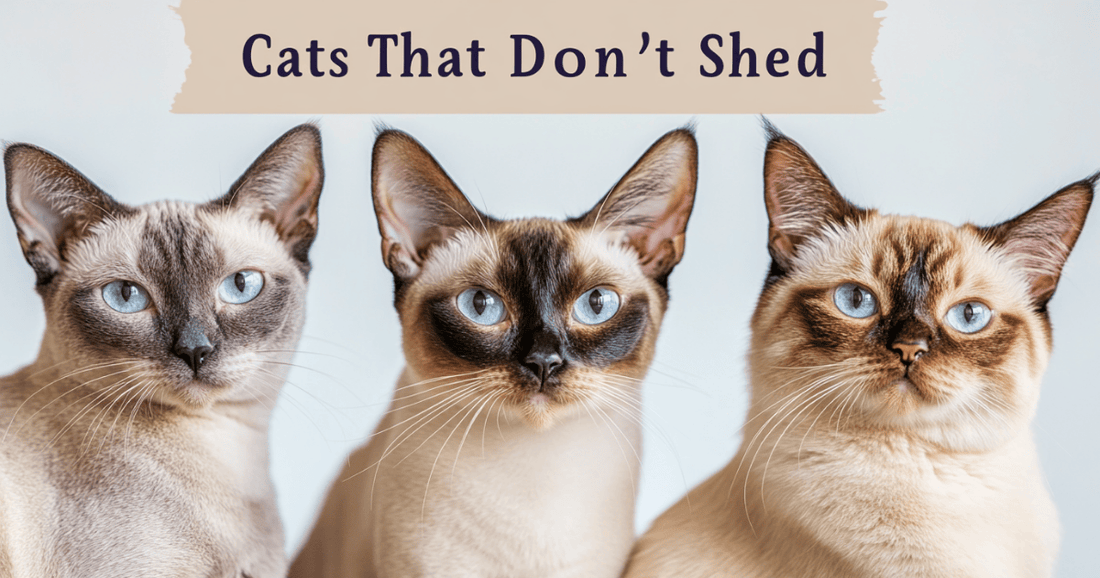
Are you tired of constantly finding cat hair on your clothes and furniture? If you love cats but hate the mess they leave behind, you’re not alone.
Finding a cat breed that doesn’t shed much can change your life. Imagine enjoying the company of a furry friend without worrying about endless cleaning. You’ll discover the best cat breeds that keep shedding to a minimum. Keep reading to find the perfect low-shedding companion for your home!
Why Choose Low-shedding Cats
Choosing a low-shedding cat can make a big difference in your daily life. Cats that shed less keep your home cleaner and reduce allergens. They are a great choice for many pet lovers who want a furry friend without extra mess. These cats offer comfort and ease for both owners and their families.
Benefits For Allergy Sufferers
Low-shedding cats produce fewer allergens in the air. This helps reduce sneezing, itching, and watery eyes. People with mild allergies can enjoy a cat without strong reactions. These cats create a friendlier environment for sensitive individuals.
Easier Home Maintenance
Less fur means less cleaning around the house. You will spend less time vacuuming and dusting. Furniture and clothes stay cleaner for longer. This makes your home more comfortable and tidy every day.
Ideal For Busy Lifestyles
Low-shedding cats need less grooming and care. Busy people can easily manage their pet’s needs. These cats are perfect for those with tight schedules. They bring joy without adding extra chores to your day.

Credit: www.thepioneerwoman.com
Top Low-shedding Cat Breeds
Low-shedding cats are perfect for people who want less fur around the house. These breeds shed very little, making cleaning easier. They also tend to cause fewer allergies. Here are some of the top low-shedding cat breeds that combine beauty and practicality.
Sphynx: The Hairless Wonder
The Sphynx cat has no fur at all, making it the ultimate low-shedder. Its skin feels warm and soft to the touch. This breed loves attention and enjoys being close to people. The Sphynx needs regular baths to remove oils from its skin.
Russian Blue: The Silky Short-haired
Russian Blues have dense, short coats that shed very little. Their fur feels silky and smooth. This breed is calm and gentle, perfect for quiet homes. They require minimal grooming to keep their coat healthy.
Bengal: The Exotic Minimal Shedder
Bengals have short, sleek fur that sheds minimally. Their unique spotted coat looks wild and beautiful. These cats are active and playful, needing plenty of stimulation. Regular brushing helps keep shedding under control.
Cornish Rex: The Curly Coat Cat
The Cornish Rex has soft, curly fur that sheds very little. Its coat is thin but dense, giving it a unique look. This breed is lively and loves to play. Gentle grooming helps maintain its delicate coat.
Devon Rex: The Playful Low-shedder
Devon Rex cats have short, wavy fur that sheds minimally. They are known for their playful and affectionate nature. Their low-shedding coat needs occasional brushing. These cats enjoy being around people and other pets.
Balinese: The Long-haired Minimal Shedder
Balinese cats have long, silky fur but shed less than other long-haired breeds. Their coat feels soft and fine. These cats are social and intelligent, enjoying interaction. Regular grooming prevents matting and reduces shedding.
Oriental Shorthair: Sleek And Smooth
Oriental Shorthairs have short, fine coats that shed very little. They come in many colors and patterns. This breed is curious and talkative, seeking attention often. Simple grooming keeps their coat shiny and healthy.
Siberian: Allergy-friendly And Moderate Shedding
Siberians shed moderately but produce fewer allergens. Their thick triple coat needs regular brushing. These cats are strong and playful, great for families. Their friendly nature makes them a popular choice worldwide.
Care Tips For Low-shedding Cats
Low-shedding cats are a great choice for a clean home. They require specific care to maintain their health and comfort. Regular grooming, a proper diet, and a cozy environment are vital. Let’s explore how to care for these feline friends.
Grooming Routines
Regular grooming is essential for low-shedding cats. Use a soft brush to remove loose hairs. This keeps their coat clean and healthy. Brushing also reduces the risk of hairballs. Set a grooming schedule that suits your cat’s needs.
Diet And Health
A balanced diet is crucial for your cat’s health. Choose high-quality cat food to support their skin and coat. Ensure your cat gets enough water daily. Regular vet check-ups are important. They help in monitoring your cat’s overall health.
Creating A Comfortable Environment
Provide a cozy and safe space for your cat. Cats love warm and quiet areas. A soft bed or blanket is ideal. Add scratching posts to keep them active and entertained. Ensure the space is free from loud noises and stress. A comfortable environment promotes a happy and healthy cat.

Credit: www.thepioneerwoman.com
Common Misconceptions About Shedding
Shedding is a topic that often confuses cat owners, especially those looking for breeds that don’t leave fur all over their homes. Many believe that certain cats simply don’t shed at all, but the truth is more complex. Understanding common misconceptions about shedding can help you make smarter choices for your lifestyle and allergies.
Hairless Vs. Low-shedding
Many people assume hairless cats, like the Sphynx, don’t shed because they have no fur. While it’s true they don’t shed hair, they still produce skin oils that require regular cleaning. On the other hand, low-shedding breeds like the Russian Blue or Siamese have fur but shed very little compared to others.
Choosing between hairless and low-shedding cats depends on your tolerance for grooming and maintenance. Have you considered how much time you want to spend on cat care?
Shedding And Allergies
People often link shedding directly to allergies, thinking that less shedding means fewer allergic reactions. However, it’s not just the hair but also dander (tiny skin flakes) and saliva proteins that trigger allergies. Some low-shedding cats can still cause allergies, while some heavier shedders might not be as problematic.
Understanding this can save you frustration when picking a cat. Have you tried spending time with a breed before deciding?
Shedding Levels Vary By Individual Cat
Even within a single breed, shedding can differ widely between cats. Factors like diet, health, and environment play a big role in how much a cat sheds. Some cats naturally shed less, while others may shed more during seasonal changes.
This means no cat breed can guarantee zero shedding. Would you be willing to adjust your home care routine if your chosen cat sheds more than expected?
Finding The Right Low-shedding Cat
Finding the right low-shedding cat means balancing your personal preferences with practical needs. Not all cats that shed less will fit every home or lifestyle. Understanding your options and preparing your environment helps you make a confident choice that suits you and your family.
Adoption Vs. Breeder Options
Choosing between adopting from a shelter or buying from a breeder can shape your experience with a low-shedding cat. Adoption often means giving a cat a second chance and can be more affordable. However, breeders provide detailed information about specific breeds, including their shedding patterns and health history.
Ask yourself: Do you want a specific breed like a Sphynx or Devon Rex, or are you open to a mixed breed with low shedding traits? Visiting shelters or reputable breeders can reveal unexpected companions who fit your needs perfectly.
Assessing Your Lifestyle Needs
Think about your daily routine and home environment. Are you frequently away, or do you have time to groom and play with your cat? Cats like the Cornish Rex are active and social, while others like the Russian Blue may enjoy quieter settings.
Consider allergies or sensitivities in your household. Some breeds produce less dander, which might be crucial for family members. What level of maintenance fits your schedule and patience for grooming?
Preparing Your Home
Low-shedding cats still need a welcoming space. Prepare scratching posts, cozy beds, and safe play areas to keep your new pet comfortable. Remove items that could attract or trap fur, even if shedding is minimal.
Think about cleaning routines and air filtration to reduce allergens. Small changes, like washable blankets and easy-to-clean floors, make a big difference in managing pet hair and dander.

Credit: www.thepioneerwoman.com
Frequently Asked Questions
What Are The Top Cat Breeds That Don’t Shed Much?
Popular low-shedding cat breeds include the Sphynx, Devon Rex, and Cornish Rex. These cats have minimal fur, reducing shedding significantly. They are ideal for allergy sufferers and those who want less pet hair around the home.
Are Hypoallergenic Cats Truly Non-shedding?
Hypoallergenic cats produce fewer allergens but may still shed some fur. Non-shedding breeds like the Sphynx have little to no fur, minimizing shedding and allergens. However, no cat breed is completely allergen-free.
How Often Should I Groom A Non-shedding Cat Breed?
Non-shedding cats require regular grooming to keep skin healthy. For example, Sphynx cats need weekly baths to remove oil buildup. Grooming frequency varies by breed but is essential even for low-shedding cats.
Can Non-shedding Cats Cause Allergies?
Non-shedding cats usually cause fewer allergies but don’t eliminate risk. Allergies are triggered by dander and saliva proteins, not just fur. Choosing hypoallergenic breeds helps reduce allergic reactions but doesn’t guarantee zero allergies.
Conclusion
Choosing a cat breed that does not shed can make life easier. These cats help keep your home cleaner. They also cause fewer allergies for sensitive people. Each breed has its own unique look and personality. Think about what fits your lifestyle best.
A low-shedding cat still needs love and care. Enjoy the joy and comfort a cat can bring. A hair-free home is possible with the right cat.

Leave a Reply