Have you ever wondered if your cat’s meow is unique to its breed? Maybe you’ve noticed your friend’s Siamese sounds very different from your tabby.
Understanding how different cat breeds meow can change the way you connect with your furry friend. You’ll discover surprising facts about cat communication that could make you see your pet in a whole new light. Keep reading, and you’ll learn what your cat’s meow really means—and why it matters to you both.
Credit: pethelpful.com
Cat Communication Basics
Cats use sounds to share their feelings and needs. Meowing is one common way cats talk to humans. Each cat has its own style and tone. Understanding these sounds helps build a strong bond with your pet. Cat communication includes more than just meows. They have a range of vocal signals to express themselves.
How Cats Use Meowing
Meowing is mainly for talking to people. Cats rarely meow to each other. They use meows to:
- Ask for food or attention
- Show they want to play
- Express discomfort or stress
- Greet their owners
Different cats have unique meow patterns. Some breeds meow softly, others loudly. The tone and length can show mood or urgency. Paying attention to these clues helps understand what your cat needs.
Other Vocal Sounds Cats Make
Cats use many sounds besides meowing. These include:
- Purring:A sign of happiness or calm
- Hissing:Warning or fear
- Chirping:Excitement or hunting instinct
- Growling:Anger or threat
- Trilling:Friendly greeting or attention-seeking
Each sound has meaning. Watching your cat’s body language helps decode these noises.
Breed Variations In Meowing
Not all cats meow the same way. Different breeds have unique vocal habits that can surprise even experienced cat owners. Recognizing these breed variations helps you better understand your feline friend’s needs and personality.
Quiet Breeds
Some cat breeds are known for their calm and reserved nature, often keeping their meows to a minimum. The British Shorthair, for example, tends to be quite silent, using body language more than vocal sounds to communicate.
If you own a Scottish Fold, you might notice it only meows softly or rarely. These cats prefer to observe quietly rather than demand attention vocally. Their subtle communication can make you more attentive to their nonverbal cues.
Are you missing out on what your quiet cat is trying to tell you just because it doesn’t meow much? Paying attention to their whiskers, eyes, and tail positions can reveal a lot.
Talkative Breeds
On the other hand, some breeds are famously chatty and use meowing as their primary way to engage with you. Siamese cats are a prime example, often “talking” to their owners with a loud and persistent voice.
Oriental Shorthairs also share this trait, frequently vocalizing their needs and emotions. Their meows can range from soft chirps to loud yells, making them hard to ignore.
Living with a talkative breed means you get more chances to bond, but it also requires patience. How do you respond when your cat won’t stop meowing? Understanding what triggers their vocalizations can improve your communication.
Reasons Behind Meow Differences
Cats meow for many reasons. Each meow holds its own story. The differences in meows can be fascinating. Understanding why cats meow differently helps in bonding. Let’s explore the reasons behind these variations.
Genetic Influences
Genetics play a vital role in meow differences. Some breeds are naturally vocal. Siamese cats, for instance, meow loudly and often. Their genetic makeup drives this behavior. Other breeds, like the Russian Blue, are quieter. They meow less frequently due to their genes. Each breed’s vocal traits are inherited.
Environmental Factors
The environment also shapes how cats meow. Cats raised in noisy homes often meow louder. They adapt to their surroundings. Cats in calm environments may meow softly. Social interactions influence meowing too. Cats that get frequent human interaction tend to meow more. They learn this behavior to communicate effectively with humans. Changes in the environment can also affect meows. A new pet or moving to a new home might alter their vocal patterns.
Credit: www.petscare.com
Unique Vocal Traits In Popular Breeds
Each cat breed has its own way of communicating through unique vocal traits. These sounds tell you more than just a simple “hello.” Understanding these differences can deepen your bond with your feline friend and help you respond better to their needs.
Siamese Cat’s Loud Meow
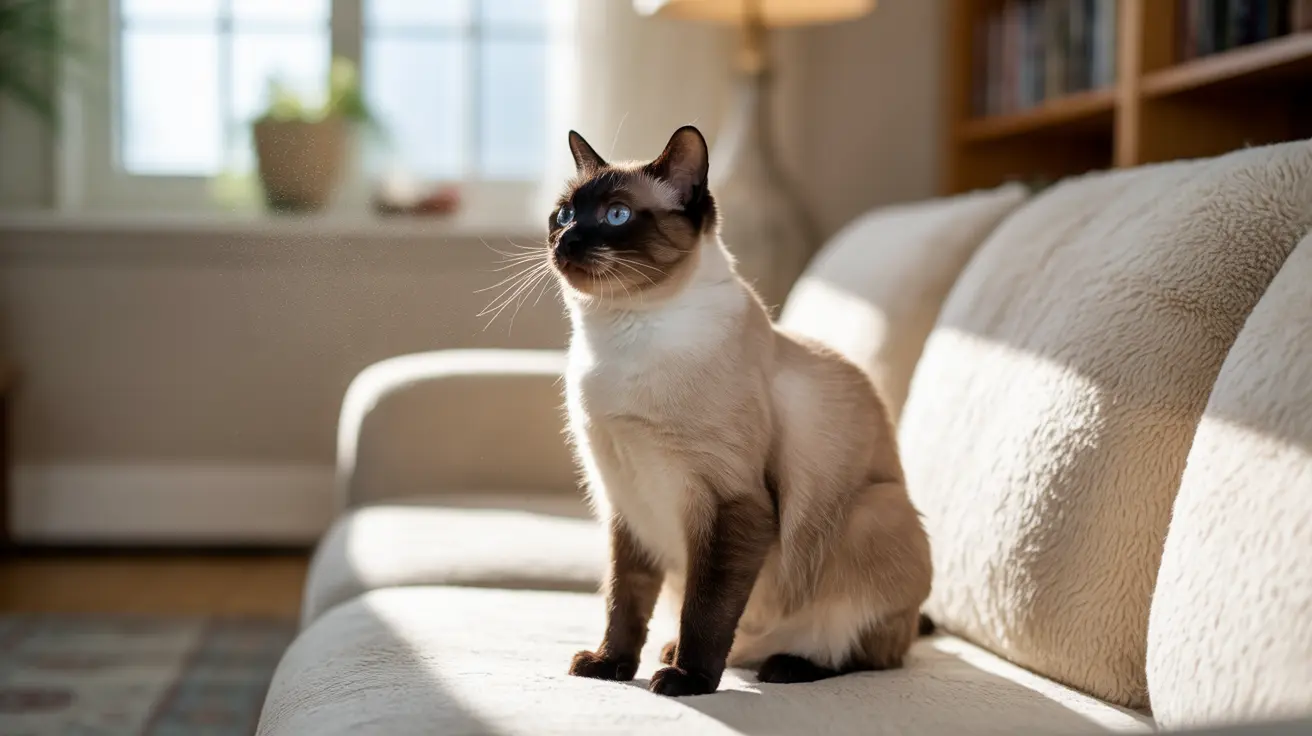
Siamese cats are famous for their loud, demanding meows. Their voices are sharp and clear, often used to get your attention quickly. If you have a Siamese, you might notice they don’t hesitate to speak up when they want food, play, or simply company.
Have you ever felt like your Siamese is holding a conversation with you? Their vocal insistence can feel almost like a chat, making you wonder what stories they’re trying to tell.
Maine Coon’s Soft Chirps
Maine Coons don’t usually meow loudly. Instead, they often use soft chirps and trills to express curiosity or excitement. These gentle sounds make their communication feel more subtle but still very expressive.
When your Maine Coon chirps, it’s their way of saying “I’m here” without demanding your attention. Have you noticed how these quiet sounds can be just as powerful as a loud meow?
Persian Cat’s Gentle Sounds
Persian cats tend to use soft, gentle sounds rather than loud meows. Their vocalizations are often calm and soothing, matching their relaxed personalities. If you own a Persian, you might find their quiet meows comforting rather than intrusive.
These gentle sounds invite you to slow down and enjoy peaceful moments together. How does your cat’s tone change your mood throughout the day?
How Age And Personality Affect Meowing
Understanding how age and personality influence your cat’s meowing can change the way you communicate with them. Cats don’t just meow randomly; their sounds often reflect their life stage and unique character. Paying attention to these differences helps you respond better to their needs and moods.
Kittens Vs Adult Cats
Kittens meow frequently and loudly to get their mother’s attention. Their cries are urgent and high-pitched, signaling hunger or discomfort. As they grow, they learn to meow less because they rely on body language and other sounds to communicate.
Adult cats usually meow less often, but their meows are more purposeful. They might use specific tones to greet you, ask for food, or express discomfort. Have you noticed how your kitten’s constant meowing calmed down as it matured? This change shows how age affects their communication style.
Impact Of Temperament
Personality shapes how much and how often your cat meows. Some cats are naturally talkative and use meows as a way to engage and connect. Others are quiet and prefer subtle signals like purring or tail movements.
If your cat is shy, they might meow less because they feel insecure or overwhelmed. Bold cats often meow to assert themselves or demand attention. Think about your cat’s personality—does their meowing match their temperament, or have you observed exceptions?
- Outgoing cats may meow more to initiate play or interaction.
- Independent cats might use meows sparingly, only when necessary.
- Stress or anxiety can also increase meowing, regardless of personality.
Recognizing these patterns helps you respond more effectively. Next time your cat meows, consider their age and personality before reacting. It might just be their way of telling you something important.
:strip_icc()/bombay-cat-black-cat-584192512-5808f21c3df78c2c730fe3c1.jpg)
Credit: www.thesprucepets.com
Training Cats To Meow More Or Less
Training cats to meow more or less can feel like trying to tune an instrument. Each cat has its own natural voice, but with some patience, you can influence how often they use it. Whether you want to encourage your cat to speak up or quiet down, understanding their motives and using consistent techniques makes a big difference.
Encouraging Vocalization
If your cat tends to be quiet, encouraging more meowing can help improve communication between you two. Start by responding enthusiastically whenever your cat makes a sound. This positive reinforcement teaches them that meowing gets your attention.
Try using treats or playtime as rewards right after your cat vocalizes. Cats often mimic sounds they hear frequently, so talking to your cat in a soft, inviting voice can prompt them to meow back. Have you noticed how some cats only meow when they want something? You can use that natural behavior to build more frequent vocal interactions.
Reducing Excessive Meowing
On the flip side, some cats meow too much, which can be exhausting. The key is not to give in to every demand, especially if the meowing is for attention rather than a real need. Ignoring excessive meows, while rewarding quiet moments, teaches your cat that silence also brings rewards.
Establish a routine with regular feeding and play sessions. Cats often meow out of boredom or anxiety, so keeping them engaged can reduce unnecessary noise. Have you tried redirecting their energy with toys or puzzles? These activities can distract your cat and lower the urge to meow excessively.
When Meowing Signals Health Issues
Cats meow for many reasons. Sometimes, their meowing can signal health problems. Changes in their usual sounds may mean pain or discomfort. Understanding these signals helps keep your cat safe and healthy.
Signs To Watch For
- Sudden increase in meowing volume or frequency
- Weak, hoarse, or strained voice
- Continuous meowing without rest
- Meows that sound different from usual
- Meowing combined with other symptoms like vomiting or lethargy
- Excessive meowing during the night
- Meowing paired with hiding or aggression
When To Consult A Vet
Seek veterinary help if your cat shows unusual meowing with other signs of illness. Persistent vocal changes lasting more than 24 hours need attention. If your cat seems in pain or stops eating, call the vet. Early care can prevent serious problems. Never ignore sudden, loud, or distressed meowing. Your vet can diagnose and treat underlying issues quickly.
Frequently Asked Questions
Do All Cat Breeds Meow Differently?
Yes, different cat breeds have unique meow patterns. Their vocal tones and frequencies vary based on genetics and personality.
Why Do Some Cat Breeds Meow More?
Certain breeds, like Siamese, are naturally more vocal. They use meowing for communication and expressing needs more often.
Can Breed Affect A Cat’s Meowing Volume?
Yes, some breeds produce louder or softer meows. This depends on their vocal cord structure and breed traits.
Do Kittens Meow Differently Than Adult Cats?
Kittens have higher-pitched, softer meows. As cats mature, their meows deepen and become more distinctive.
Conclusion
Different cat breeds do meow in unique ways. Each cat has its own voice and style. Some breeds are louder, while others stay quiet. Understanding these differences helps you connect better with your pet. Listening closely reveals your cat’s mood and needs.
Remember, meowing is just one way cats talk to us. Enjoy learning your cat’s special sounds every day.

Leave a Reply