Finding the perfect spot for your cat’s litter box can feel trickier than you might think. You want a place that keeps your home fresh, your cat comfortable, and messes to a minimum.
But where exactly should you put it? Choosing the right location can make a huge difference in your cat’s behavior and your daily routine. Keep reading, and you’ll discover simple tips that will help you create a happy, clean space for both you and your furry friend.
Credit: intersand.com
Choosing The Right Location
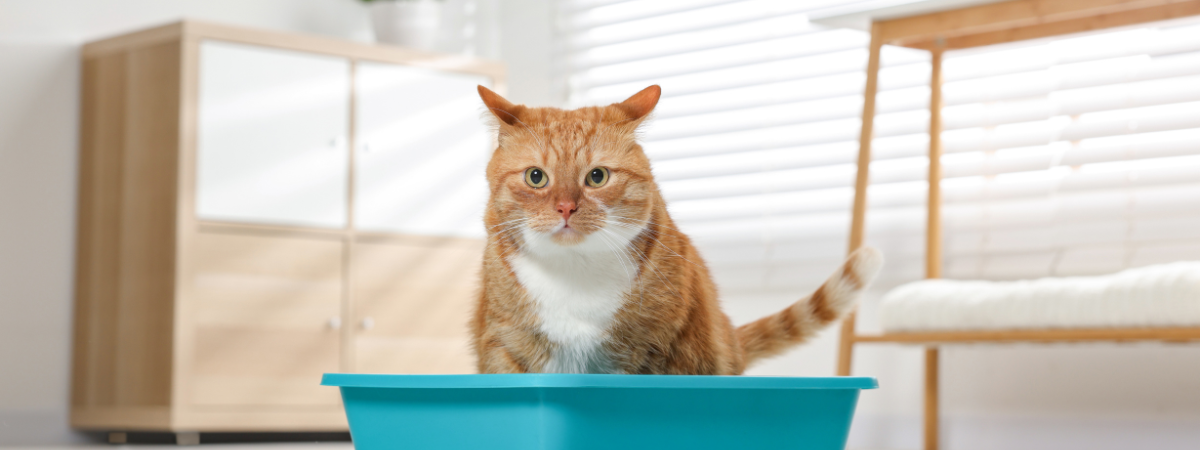
Choosing the right location for a cat litter box is essential for your cat’s comfort and hygiene. The right spot encourages regular use and keeps your home fresh. Consider your cat’s habits and your home layout carefully.
Quiet And Private Spots
Cats prefer calm places to do their business. Choose a quiet corner away from loud noises and heavy foot traffic. Privacy helps your cat feel safe and relaxed. Avoid busy rooms and open spaces. A small, enclosed area works best.
Easy Accessibility
The litter box must be easy for your cat to reach. Place it on the same floor where your cat spends most time. Avoid stairs or blocked paths. Make sure your cat can enter and exit without stress. This supports regular and stress-free use.
Away From Food And Water
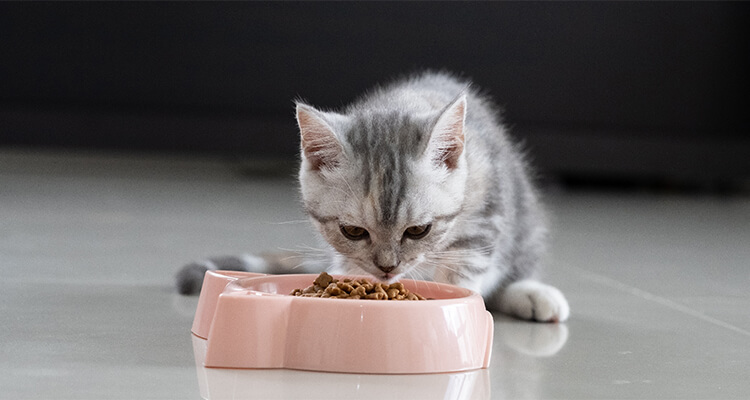
Keep the litter box far from your cat’s eating and drinking areas. Cats dislike using the bathroom near their food. This separation helps prevent contamination and keeps smells away from food. It also keeps your cat comfortable and healthy.
Considering Your Cat’s Behavior
Choosing the right spot for your cat’s litter box isn’t just about convenience—it’s about understanding how your cat behaves and what makes them comfortable. Your cat’s habits, personality, and social dynamics all influence where they feel safest doing their business. Paying close attention to these behaviors helps you place the litter box in a spot they’ll actually use consistently.
Observing Your Cat’s Preferences
Watch where your cat naturally prefers to go when they need to relieve themselves. Do they seek quiet corners or more open spaces? Some cats like privacy, while others prefer to be near their humans but out of direct traffic.
Notice if your cat avoids certain areas due to noise or foot traffic. Maybe they like a spot near a window or away from their food and water bowls. Adjusting the location based on these cues can prevent accidents and stress.
Multiple Cats And Litter Boxes
If you have more than one cat, consider their relationships and personalities. Dominant cats might block access to a single litter box, causing others to avoid it. The general rule is to have one litter box per cat, plus one extra.
Place litter boxes in different parts of your home to give each cat a safe, accessible spot. This reduces competition and helps shy or less confident cats feel secure enough to use the box without fear of interruption.
Dealing With Shy Or Anxious Cats
Shy or anxious cats need extra care when choosing a litter box location. Loud noises, busy areas, or places with lots of foot traffic can discourage them from using the box. Choose a quiet, low-traffic area where your cat can relax.
Sometimes, the best spot might be a small, enclosed space like a bathroom or laundry room. If your cat seems hesitant, try moving the box gradually closer to their preferred hangout spots. Patience and observation are key to finding the perfect place.
Common Placement Mistakes
Placing a cat litter box needs careful thought. Many cat owners make common placement mistakes that cause stress for their pets. Poor placement can lead to litter box avoidance and messy accidents. Choosing the right spot helps keep your cat happy and your home clean.
Avoiding Noisy Areas
Noise can scare cats and stop them from using their litter box. Avoid placing the box near washing machines, TVs, or loud appliances. Even small noises can make cats nervous. Choose a quiet corner where your cat feels safe and calm.
Steering Clear Of High Traffic Zones
Busy places with lots of people or pets are not good for litter boxes. Cats want privacy and quiet when they use their bathroom. Keep the box away from hallways, doorways, and kitchens. A calm, low-traffic area helps your cat feel secure.
Preventing Litter Box Aversion
Wrong placement can cause litter box aversion, meaning your cat avoids it. Avoid spots near food and water bowls. Do not put the box in damp or smelly areas. Make sure the box is easy to find and access. This encourages your cat to use it regularly.
Types Of Litter Boxes And Placement Tips
Choosing the right type of litter box and placing it thoughtfully can make a big difference in your cat’s comfort and your home’s cleanliness. Different boxes suit different cats and living spaces, so understanding your options helps you create a stress-free spot for your feline friend. Let’s look at popular litter box types and smart placement tips to keep your cat happy and your home fresh.
Covered Vs. Open Litter Boxes
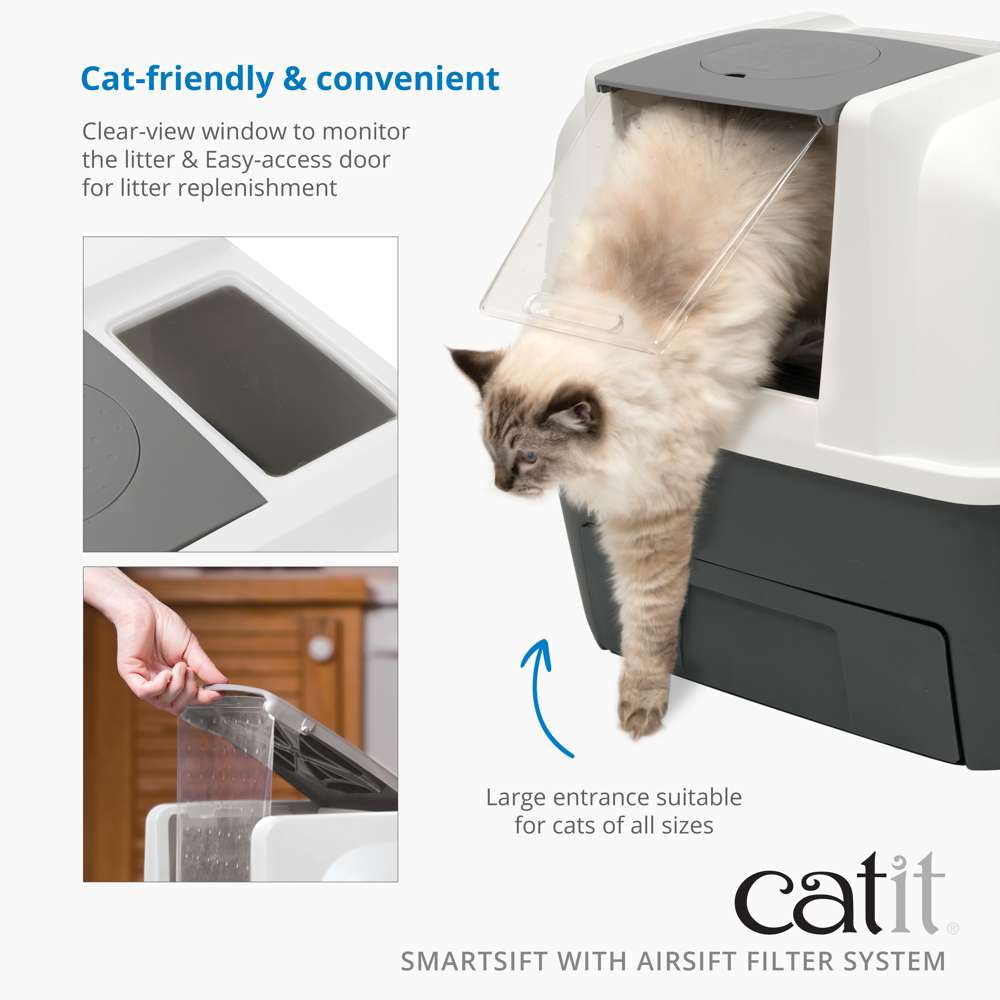
Covered litter boxes offer privacy and help contain odors, but some cats may feel trapped or uncomfortable inside them. If your cat is shy or easily startled, an open box might feel safer and encourage more consistent use.
Open boxes are easier to clean and provide better ventilation, which reduces smells naturally. Consider your cat’s personality—does it like privacy or prefer wide-open spaces? Also, think about your living space; if you have limited room, a covered box can help keep the area tidy.
Self-cleaning Litter Boxes
Self-cleaning litter boxes reduce your daily maintenance by automatically scooping waste. They are great if you want convenience and can invest in the initial cost and occasional replacement parts.
However, some cats may dislike the noise or movement. Observe your cat’s reaction carefully before committing, and place these boxes in quiet, low-traffic areas to minimize stress.
Portable And Travel-friendly Options
If you travel often or visit friends with your cat, portable litter boxes offer flexibility. These are usually lightweight and foldable, making them easy to carry and set up anywhere.
Keep a portable box in your car or travel bag to maintain your cat’s routine on the go. When using them, pick quiet corners that mimic your cat’s usual bathroom spot to encourage use and reduce anxiety.
Maintaining Cleanliness And Odor Control
Maintaining cleanliness and controlling odors are key to a happy home with cats. Proper litter box placement plays a big role in this. A clean, fresh-smelling area encourages cats to use the box consistently. It also keeps your living space pleasant and healthy.
Regular Cleaning Schedule
Cleaning the litter box daily helps reduce odors and bacteria buildup. Scoop out waste at least once a day. Change the litter completely every one to two weeks. Wash the box with mild soap and warm water before refilling. A clean box keeps your cat comfortable and your home fresh.
Ventilation And Airflow
Good airflow prevents bad smells from lingering. Place the litter box in a well-ventilated spot. Avoid small, enclosed spaces where air does not move. Open windows or use fans to improve air circulation. Fresh air helps keep odors under control naturally.
Using Deodorizers And Liners
Deodorizers can help reduce litter box smells without harsh chemicals. Sprinkle baking soda or use commercial deodorizing powders designed for cats. Liners make cleaning easier and protect the box from stains. Choose liners that fit well and do not tear easily. These tools support cleanliness and odor control effectively.

Credit: catit.ca
Adapting To Your Home Layout
Choose a quiet, low-traffic spot that offers privacy for your cat. Avoid placing the litter box near food or noisy appliances. Adjust the location based on your home’s space and your cat’s comfort.
Adapting your home layout for a cat litter box is crucial. Consider your home’s unique spaces. Each home has its challenges. Whether you live in a small apartment or a multi-level home, placement matters. This ensures your cat feels comfortable and maintains hygiene. Here, we explore how to adapt the litter box placement to various home layouts.Small Apartments
In small apartments, space is limited. The bathroom or laundry area is ideal. These places are usually quiet. Keep the litter box away from food areas. Your cat needs privacy, and so do you. A corner in a hallway can work too. It’s essential to maintain access for cleaning.Multi-level Homes
Multi-level homes offer unique challenges. Place a litter box on each floor. This makes it easier for your cat. Staircases can be tiring for them. Choose quiet spots for privacy. Avoid placing boxes near busy areas. This reduces stress for your pet.Outdoor And Enclosed Patios
Outdoor patios can be a great option. Ensure the area is enclosed. Protection from weather is crucial. Outdoor litter boxes need shelter. Place them in a covered area. This keeps the litter dry and usable. Remember to check for any escape routes. Safety is paramount for your pet.
Credit: catit.ca
Frequently Asked Questions
Where Is The Best Place To Put A Cat Litter Box?
Place the litter box in a quiet, low-traffic area. Ensure it is easily accessible and well-ventilated. Avoid noisy or high-traffic spots to keep your cat comfortable and encourage regular use.
Can I Put The Litter Box In The Bathroom?
Yes, the bathroom can be suitable if it’s quiet and clean. Ensure the litter box is away from the toilet and sink to avoid disturbances and maintain hygiene for your cat.
How Far Should Litter Box Be From Cat Food?
Keep the litter box at least 3 to 5 feet away from your cat’s food and water. Cats prefer separate areas for eating and elimination to feel safe and comfortable.
Should The Litter Box Be Hidden Or Visible?
Cats prefer some privacy but need easy access. Placing the box in a semi-hidden spot balances privacy and accessibility, reducing stress and encouraging consistent litter box use.
Conclusion
Choosing the right spot for your cat’s litter box matters a lot. Pick a quiet, private place where your cat feels safe. Keep it away from noisy areas and food spots. Make sure the box is easy for your cat to reach.
Clean the box often to keep it fresh and inviting. A good location helps your cat use the box happily. This keeps your home clean and your cat content. Small changes can make a big difference for your pet’s comfort.

Leave a Reply