
Is your cat suddenly peeing outside the litter box? You’re not alone, and it can be frustrating and confusing.
When your furry friend starts behaving this way, it’s a clear sign that something isn’t right. But why is this happening? Understanding the reasons behind this behavior can help you fix the problem quickly and keep your home clean. You’ll discover the most common causes and what you can do to stop your cat from peeing where it shouldn’t.
Keep reading to find out how to bring back peace to your home—and your cat’s comfort.

Credit: www.reddit.com
Common Medical Issues
When your cat suddenly starts peeing outside the litter box, it’s easy to blame behavior. But medical issues often play a huge role. Ignoring these health problems can make things worse for your feline friend and your home.
Urinary Tract Infections
Urinary tract infections (UTIs) are one of the most common reasons cats avoid their litter box. The infection causes pain and discomfort during urination, so your cat may associate the box with pain.
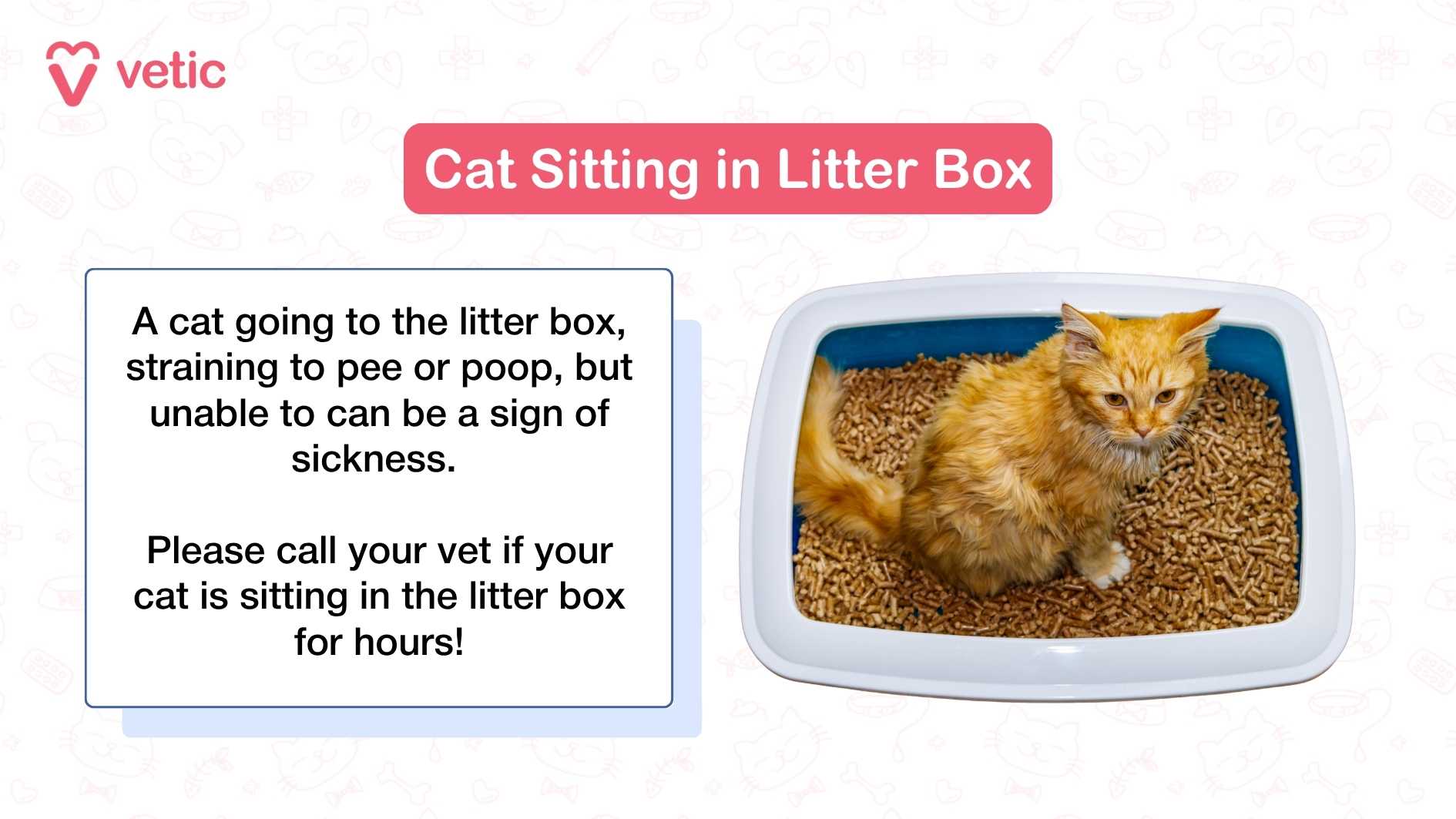
If you notice frequent trips to the litter box or signs of straining, get your cat checked. Early treatment usually clears up the infection quickly and stops the accidents.
Bladder Stones
Bladder stones are small mineral deposits that irritate your cat’s bladder. These stones can cause blood in the urine and make peeing painful.
Your cat might start peeing in unusual places to avoid the discomfort of the litter box. A vet can diagnose stones with an X-ray and suggest treatment options like diet changes or surgery.
Kidney Problems
Kidney issues often cause increased thirst and urination. If your cat drinks more water and pees more often, kidney problems could be the cause.
This extra urination may lead to accidents outside the litter box. Regular vet visits and blood tests help catch kidney disease early, improving your cat’s quality of life.
Diabetes And Other Illnesses
Diseases like diabetes make cats drink and pee more frequently. This change can confuse them and cause litter box problems.
Other illnesses affecting mobility or cognition might also lead to accidents. If your cat’s litter habits change suddenly, consider a health check to rule out these conditions.
Behavioral Reasons
Understanding why your cat might be peeing outside the litter box often leads to looking at behavioral reasons. Cats don’t usually do this without cause. Their actions can signal stress, discomfort, or a need to communicate something important to you.
Stress And Anxiety
Cats are creatures of habit, and sudden changes can cause them stress. Moving to a new home, the arrival of a new pet, or even loud noises can make your cat anxious. This anxiety sometimes shows up as urinating outside the litter box.
Have you noticed if your cat’s accidents happen after certain events? Tracking these moments can help you pinpoint stress triggers.
Territorial Marking
Cats use urine to mark their territory, especially if they feel threatened by other animals. If your cat is peeing outside the box, they might be trying to send a message to others. This behavior is more common in unneutered males but can occur in any cat under stress.
Is there a new cat in the neighborhood or even a stray nearby? This might explain why your cat feels the need to mark territory.
Changes In Environment
Even small changes can unsettle your cat. New furniture, a different litter type, or a relocated litter box can confuse them. Cats prefer familiarity, and environmental shifts might lead them to avoid the litter box.
Think about any recent changes you’ve made at home. Could your cat be reacting to one of them?
Attention-seeking Behavior
Sometimes, cats pee outside the box because they want your attention. If they notice you react strongly, they might repeat the behavior to get you to focus on them. This is often a sign your cat needs more interaction or feels lonely.
Have you tried spending more playtime with your cat? Increasing your attention might reduce these unwanted habits.
Litter Box Problems
Does your cat seem to prefer your carpet over their litter box? This can be both puzzling and frustrating. However, before you jump to conclusions, consider that the issue might be related to the litter box itself. Let’s dive into some common litter box problems that could be causing your feline friend to go rogue.
Box Cleanliness
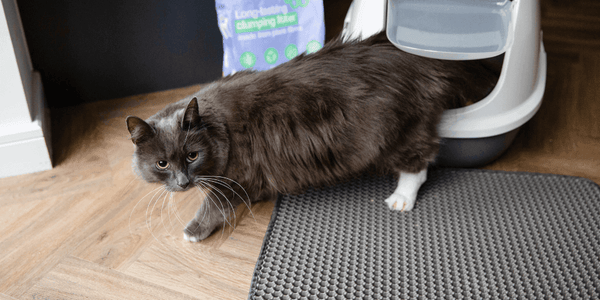
Would you use a dirty bathroom? Your cat feels the same way about their litter box. Cats are meticulous creatures and a dirty box can be a major turnoff. Ensure you’re scooping out waste daily and doing a full clean-up with soap and water at least once a week.
Type Of Litter
Not all litter is created equal, and your cat might be picky about what touches their paws. Some prefer clumping litter, while others like non-clumping. Test a few types to see which one your cat prefers. A small change can make a big difference.
Box Location
Location is everything. Is the litter box in a noisy or high-traffic area? Cats need privacy too. Try placing the box in a quiet, accessible spot where your cat feels safe. Avoid placing it near their food and water bowls.
Number Of Litter Boxes
Do you have enough litter boxes? The general rule is one box per cat, plus one extra. If you have multiple cats, lack of litter boxes could be causing territorial disputes. Adding an extra box might just resolve the issue.
By addressing these litter box issues, you can help ensure your cat is comfortable and happy, and your floors stay clean. Have you had any litter box challenges with your cat? What solutions worked for you?
Credit: www.tippaws.com
Age And Physical Limitations
Age and physical health play a big role in a cat’s litter box habits. As cats grow older or very young, their bodies and minds change. These changes can affect how and where they pee. Understanding these factors helps in caring for your cat better.
Senior Cats And Mobility
Older cats may have trouble moving around. Arthritis and joint pain make getting to the litter box hard. Sometimes the box is too high or far away. This can cause accidents outside the box.
Vision and hearing may also decline in senior cats. They might not notice the litter box easily. Pain or discomfort can make them avoid using it. Changes in bathroom habits often signal health problems.
- Place litter boxes in easy-to-reach spots.
- Use boxes with low sides for easy entry.
- Keep the box clean to encourage use.
- Consult a vet about joint pain or illness.
Young Kittens Learning Habits
Kittens are still learning where to pee. They may not understand the litter box at first. Their bladder control is weak, causing accidents.
Patience and training are key. Kittens need time to build good habits. Watching them and guiding them to the box helps.
- Show the kitten the litter box often.
- Keep the box clean and accessible.
- Use a small, shallow box for easy access.
- Reward them when they use the box.
How To Address The Issue
Addressing a cat peeing outside the litter box requires patience and a clear plan. Understanding the root cause helps fix the problem faster. Many cats react to health issues, environment changes, or stress. Start with basic checks and improve your cat’s space.
Veterinary Check-up
Take your cat to the vet to rule out health problems. Urinary tract infections and bladder stones cause discomfort. These issues often lead to accidents outside the box. The vet may suggest tests and treatment to ease pain. Treating medical issues is the first step to stopping unwanted urination.
Improving Litter Box Setup
Check the litter box’s size and cleanliness. Cats prefer a clean, large box with low sides. Use unscented, clumping litter that your cat likes. Place boxes in quiet, easy-to-reach areas. Provide multiple boxes if you have more than one cat. Avoid covered boxes if your cat dislikes them. A good setup encourages proper use.
Reducing Stress Factors
Stress causes many cats to avoid the litter box. Changes in home, new pets, or loud noises can upset your cat. Create a calm environment with safe spaces and hiding spots. Keep a consistent routine for feeding and playtime. Use calming sprays or diffusers designed for cats. Reducing stress helps your cat feel safe and secure.
Behavioral Training Tips
Reward your cat for using the litter box correctly. Use treats and gentle praise immediately after use. Clean accidents with enzyme cleaners to remove odors fully. Avoid punishment; it increases anxiety and worsens the problem. Redirect your cat gently to the box when you catch accidents. Consistency and patience are key to success.
Credit: vetic.in
Frequently Asked Questions
Why Is My Cat Peeing Outside The Litter Box Suddenly?
Cats may pee outside the litter box due to stress, illness, or dirty litter. Changes at home or new pets can trigger this behavior. Always check for medical issues first and keep the litter box clean to encourage proper use.
Can Medical Problems Cause Litter Box Avoidance?
Yes, urinary tract infections, bladder stones, or kidney issues can cause cats to avoid the litter box. Pain or discomfort during urination makes cats associate the box with pain. A vet checkup is essential to rule out health problems.
How Can I Stop My Cat From Peeing Outside?
Clean the litter box daily and place it in a quiet, accessible area. Use unscented, clumping litter and provide multiple boxes if you have several cats. Address stress factors and consult a vet if problems persist.
Does Litter Box Location Affect My Cat’s Bathroom Habits?
Yes, cats prefer quiet, private, and easily accessible litter box locations. Avoid placing the box near loud appliances or high-traffic areas. Poor location can discourage use and lead to accidents outside the box.
Conclusion
Cats may pee outside the litter box for many reasons. Stress, health problems, or a dirty box can cause this behavior. Watch your cat closely and keep their litter clean. Visit a vet to rule out medical issues. Be patient and gentle with your pet.
Understanding your cat helps fix the problem faster. Small changes can bring big improvements. A happy cat means a happy home. Keep trying, and your cat will feel comfortable again.

Leave a Reply