
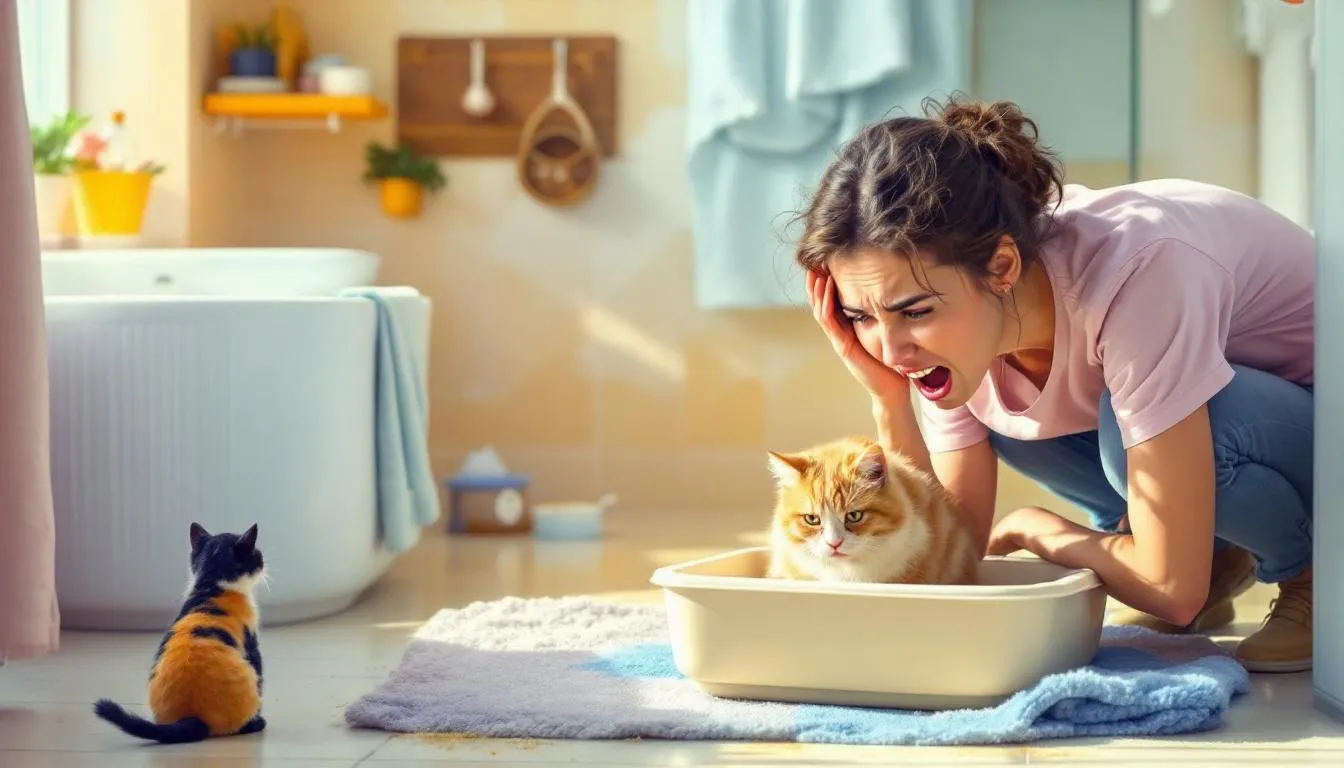
Have you ever caught your cat lounging in his litter box and wondered why? It’s a strange sight that can leave you feeling confused or even worried.
Your furry friend’s unusual habit might be trying to tell you something important. Understanding why your cat chooses the litter box as a resting spot can help you keep him happy and healthy. Keep reading to discover the surprising reasons behind this behavior and what you can do about it.
Unusual Cat Behavior
Cats have many strange habits that puzzle their owners. One unusual behavior is lying inside their litter box. This act may seem odd but can signal various things. Understanding these behaviors helps in caring for your cat better.
Common Cat Habits
Cats are creatures of habit. They often choose quiet, safe spots to rest. Sometimes, the litter box feels like a secure place. The scent and texture may comfort them. Cats also enjoy small, enclosed spaces. This makes the litter box appealing.
Other habits include:
- Sleeping in sunny spots
- Hiding under furniture
- Sitting on high places
These habits show their need for safety and comfort.
When Litter Box Use Becomes Odd
Lying in the litter box can signal health or stress problems. Cats might do this if they feel sick or have urinary issues. It could also indicate anxiety or changes in their environment.
Watch for signs like:
- Frequent trips to the box
- Straining or crying while urinating
- Changes in appetite or behavior
Consult a vet if the behavior continues. Early help can prevent serious health problems.

Credit: www.purina.com
Health Issues To Watch
Cats sitting or lying in their litter box can signal health issues. This behavior is unusual and should not be ignored. Watch for signs that may indicate your cat feels unwell or in pain. Early detection helps prevent serious problems. Below are common health concerns to watch for when your cat stays in the litter box.
Urinary Tract Problems
Urinary tract infections or blockages cause discomfort. Cats may stay in the litter box to try to urinate. Straining or frequent attempts with little output are warning signs. Blood in urine or unusual smells also indicate trouble. Urinary issues need quick vet attention to avoid severe risks.
Pain And Discomfort
Pain from injuries or arthritis can make moving difficult. Cats may lie in the litter box because it feels safe and confined. This spot might provide relief or reduce movement. Look for signs like limping, hiding, or changes in behavior. Pain management and vet care improve your cat’s comfort.
Digestive Concerns
Digestive problems like constipation or diarrhea cause distress. Cats may stay near the litter box due to frequent bowel movements or discomfort. Vomiting or loss of appetite often accompanies these issues. Monitor your cat’s stool and eating habits closely. Veterinary help can diagnose and treat digestive troubles.
Stress And Anxiety
Cats often lie in their litter boxes due to stress or anxiety. The box feels safe and familiar, offering comfort during uneasy times. Changes in the home or health issues can increase this behavior.
Stress and anxiety can often be the culprits behind your cat’s unusual behavior of laying in the litter box. Cats are sensitive creatures, and changes in their environment or routine can be unsettling. Understanding the underlying causes can help you address this behavior effectively.Environmental Changes
Cats thrive on routine and predictability. A sudden shift, like moving to a new home or rearranging furniture, can make your cat feel insecure. Even seemingly minor changes, like new scents from household cleaning products, can trigger anxiety. When was the last time you changed something in your home? Reflect on recent changes that might have disrupted your cat’s comfort zone. Ensuring consistency and gradually introducing changes can help ease your cat’s stress.Social Stressors
Your cat’s social environment plays a significant role in their stress levels. The introduction of a new pet or the absence of a familiar family member can lead to feelings of unease. Have you recently welcomed a new furry friend or had a visitor staying over? Your cat might be feeling stressed by these new dynamics. Offering separate spaces and ensuring each pet has their own resources, like feeding bowls and resting spots, can reduce tension.Safe Space Seeking
Sometimes, the litter box is the only place that feels safe to your cat. It’s familiar, has their scent, and is usually a quiet spot. This behavior might be your cat’s way of seeking refuge from overwhelming situations. Consider the current environment your cat is in. Is there a lot of noise or sudden activity? Providing additional cozy hideaways, like cat beds or soft blankets in quiet corners, can offer alternative safe spaces. By tuning into these nuances, you can better understand and address the stress and anxiety affecting your feline friend. Taking proactive steps can ensure your cat feels secure and content in their environment.Territorial Instincts
Cats have strong territorial instincts. They use certain places to mark their space and feel secure. The litter box can become one of these special spots. Understanding this behavior helps explain why your cat may lie inside the box.
Marking Territory
Cats mark territory to show ownership and keep other animals away. They use scent glands on their paws and bodies. Sitting or lying in the litter box spreads their scent there. This action signals to other pets that the area belongs to them. It is a quiet way for cats to protect their space.
Litter Box As A Safe Zone
The litter box can also act as a safe zone for cats. It is a small, enclosed area they control. When a cat feels stressed or scared, they may retreat there. The familiar smells and privacy provide comfort. This behavior helps cats feel calm and secure in their environment.
Litter Box Factors
The litter box is more than just a bathroom spot for your cat. It also serves as a safe and familiar place. Sometimes, your cat may choose to lie inside it. Several factors linked to the litter box itself might explain this behavior. Understanding these can help improve your cat’s comfort and well-being.
Cleanliness Issues
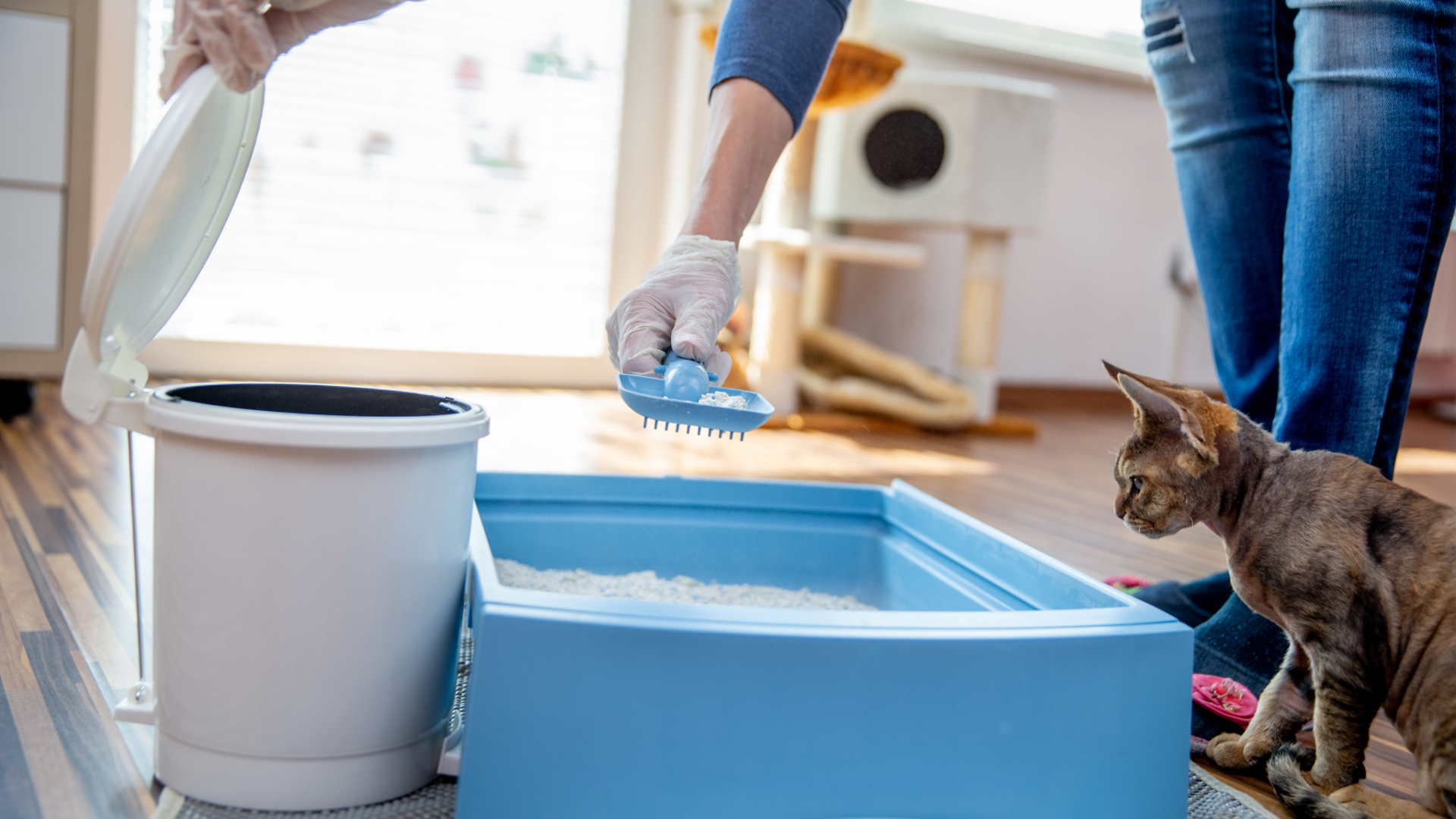
A dirty litter box can cause stress or confusion for your cat. Cats are very clean animals and dislike strong odors or clumps. If the box is not cleaned often, your cat might lie in it to mark their scent. This action reassures them that the area is theirs. Regular scooping and washing the box can prevent this behavior.
Type Of Litter And Box
The kind of litter and box affects your cat’s comfort. Some cats prefer soft, fine-grain litter. Others may dislike scented or clumpy types. The size and shape of the box also matter. A small or high-sided box might feel cramped or hard to enter. Choosing the right litter and a spacious box helps your cat feel secure and relaxed.
Location Matters
Where the litter box is placed impacts your cat’s behavior. Cats like quiet, private spots away from loud noises or heavy foot traffic. If the box is in a busy or noisy area, your cat might lie in it to feel safe. Moving the box to a calm, low-traffic place can encourage normal use and reduce stress.
Credit: www.petsradar.com
Behavioral Reasons
Cats can develop unusual habits, and laying in their litter box is one that puzzles many owners. Understanding the behavioral reasons behind this can help you address your cat’s needs better. Sometimes, this behavior isn’t about health but about what your cat feels or wants.
Habit Formation
Your cat might simply get used to spending time in the litter box. If they experienced comfort or safety there once, it can turn into a habit. You might notice your cat resting there regularly, almost like it’s their chosen spot.
Have you ever caught your cat in the box right after cleaning it? The fresh litter might attract them, encouraging them to stay longer than usual. Try observing if this happens often and consider adding a cozy bed nearby to redirect the habit.
Attention Seeking
Cats are clever at getting your attention, especially if they feel ignored. Sitting or laying in the litter box can be their way of saying, “Look at me!”
If your cat starts this behavior after you return home or when you’re busy, they might want to engage you. Offering more playtime or affection can reduce this behavior. Have you noticed if your cat does this when you’re occupied or distracted?
Comfort And Warmth
The litter box can provide a small, enclosed space that feels safe and warm. Cats love cozy spots, and if the box is in a warm area, it might become their hideout.
Sometimes, the texture of the litter itself feels soft and comforting to them. Try adding a soft blanket or cat bed nearby to offer a better alternative. Would your cat choose comfort over the litter box if a warmer, cozier option was available?
When To See A Vet
Noticing your cat spending unusual amounts of time in the litter box can be worrying. It’s important to understand when this behavior signals a need for veterinary care. Knowing the right moment to consult a vet can help you protect your cat’s health effectively.
Signs Of Illness
One clear sign is if your cat stays in the litter box for long periods, especially if they seem uncomfortable or strained. You might also see frequent attempts to urinate or defecate with little success. Blood in the urine or feces, vomiting, and lethargy are red flags that should not be ignored.
Think about whether your cat’s eating or drinking habits have changed recently. Sudden weight loss or gain can also indicate underlying health problems. These symptoms often point to urinary tract infections, constipation, or other medical issues requiring prompt attention.
Behavioral Red Flags
Sometimes, cats use the litter box as a hiding spot due to stress or anxiety. If your cat suddenly isolates itself there, especially after changes in the home like new pets or visitors, this behavior might be emotional rather than physical.
Watch for signs like excessive grooming or aggressive behavior alongside litter box dwelling. These could suggest your cat is feeling unwell or insecure. If you notice these changes, consider consulting a vet to rule out medical causes and discuss behavioral support.
Professional Diagnosis
A vet can perform tests such as urinalysis, blood work, or imaging to pinpoint the cause of your cat’s unusual litter box habits. Early diagnosis often leads to simpler, more effective treatment. Don’t wait for symptoms to worsen—your cat’s comfort and health depend on timely professional care.
Remember, your observations are valuable. Sharing detailed notes about your cat’s behavior helps the vet make a precise diagnosis. Have you noticed any subtle changes that might seem unrelated? Mentioning everything could make a big difference.
Tips To Encourage Normal Behavior
Encouraging your cat to stop lying in the litter box requires patience and care. Small changes can help your cat feel more comfortable and safe. Focus on creating a better environment and reducing any reasons for stress. Enriching your cat’s daily life also supports healthy habits and normal behavior.
Improving Litter Box Setup
Check the litter box size and type. A bigger box gives more space to move around. Use soft, unscented litter that your cat likes. Keep the box clean by scooping it daily. Place the litter box in a quiet, private spot. Avoid noisy or busy areas near the box.
Reducing Stress
Stress can make cats seek comfort in odd places. Create a calm home environment. Limit loud noises and sudden changes. Keep a regular routine for feeding and playtime. Provide hiding spots where your cat can relax safely. Use calming sprays or diffusers designed for cats.
Providing Enrichment
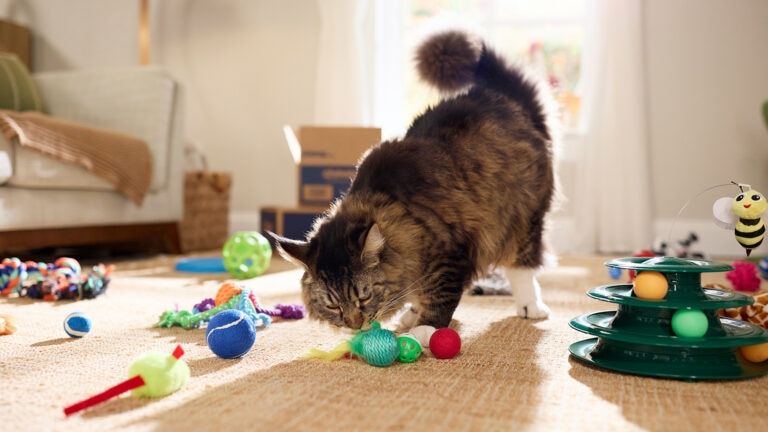
Give your cat plenty of toys and scratching posts. Rotate toys to keep your cat interested. Spend time playing with your cat every day. Offer puzzle feeders to challenge their mind. Create vertical spaces like shelves or cat trees. These activities reduce boredom and improve mood.

Credit: www.reddit.com
Frequently Asked Questions
Why Does My Cat Lie In The Litter Box Often?
Cats may lie in the litter box due to stress, illness, or comfort. It can signal urinary problems or anxiety. Observing behavior and consulting a vet is important to rule out health issues and address emotional needs for your cat’s wellbeing.
Is My Cat Sick If He Stays In The Litter Box?
Yes, prolonged litter box lying can indicate illness, like urinary tract infections. Cats often hide discomfort, so this behavior requires veterinary attention to diagnose and treat potential medical conditions promptly.
Can Stress Cause Cats To Sit In Their Litter Box?
Stress can cause cats to seek their litter box as a safe space. Changes at home or new pets may trigger this. Reducing stressors and providing comfort zones helps improve their behavior and emotional health.
How Can I Stop My Cat From Lying In The Litter Box?
Ensure the litter box is clean and in a quiet area. Provide cozy resting spots elsewhere. If behavior continues, consult a vet to check for health or anxiety issues affecting your cat.
Conclusion
Cats lying in their litter boxes can seem strange. Often, they seek comfort or feel stressed. Sometimes, health problems cause this behavior. Watch your cat closely for other signs. Keep the litter box clean and cozy. If the habit continues, visit a vet soon.
Understanding your cat helps keep them happy. Small changes can make a big difference. Your cat’s well-being matters most. Stay patient and caring every day.

Leave a Reply