
Are you curious about when cats start breeding? Understanding this can help you take better care of your furry friend and make informed decisions about their health.
Knowing the right time your cat may begin to breed is important if you want to avoid unexpected litters or plan for kittens responsibly. Keep reading to discover the key signs, timing, and what you need to watch for to stay one step ahead.
Your cat’s well-being depends on it!

Credit: www.catbreedingforbeginners.com
Cat Sexual Maturity Age
Cats reach sexual maturity at different ages based on breed, health, and environment. Understanding this age helps in managing your cat’s health and behavior. Sexual maturity means the cat can reproduce and might start showing mating behaviors.
Typical Age Range
Most cats become sexually mature between 5 and 12 months old. Female cats often enter their first heat cycle around 6 months. Male cats usually start showing mating behaviors a little later, around 7 to 12 months. Some breeds mature faster, while others take more time.
Factors Influencing Maturity
- Breed:Smaller breeds tend to mature earlier than larger ones.
- Nutrition:Well-fed cats reach maturity faster.
- Environment:Indoor cats may mature differently than outdoor cats.
- Health:Illness or poor care can delay maturity.
- Season:Cats born in spring often mature sooner than those born in winter.
Signs Of Heat In Cats
Recognizing the signs of heat in cats is essential for any cat owner who wants to manage or understand their pet’s breeding cycle. These signs can appear suddenly and may last several days, making it important to spot them early. Knowing what to look for helps you provide the right care and avoid unexpected litters.
Behavioral Changes
When your cat is in heat, her behavior will shift noticeably. She may become unusually affectionate, rubbing against furniture, people, or even walls more than usual.
Some cats vocalize loudly, producing persistent meowing or yowling sounds that can be surprising if you haven’t heard them before. You might also notice restlessness or pacing around the house.
She may try to escape outdoors to find a mate, so watch out for sudden attempts to slip outside. Is your cat acting clingy one day and distant the next? This inconsistency often signals heat cycles.
Physical Indicators
Physical signs accompany the behavioral changes and can be subtle at first. Your cat’s vulva will swell slightly and may appear redder than usual.
Unlike dogs, cats typically do not have a visible discharge, but you might notice increased grooming around their rear end. Tail raising is another common sign when you pet her, as she may lift her tail to the side.
Pay attention to her posture too—she might crouch with her rear raised and front lowered, inviting attention. Have you ever noticed your cat positioning herself this way? It’s a clear physical cue that she’s in heat.
Breeding Risks And Considerations
Cats can start breeding as early as five months old, but early breeding carries health risks. Proper care and timing help avoid complications for both mother and kittens.
Breeding cats is a significant responsibility that comes with various risks and considerations. While the prospect of having adorable kittens around can be enticing, it’s crucial to weigh the potential challenges. Responsible breeding involves more than just pairing two cats; it requires a deep understanding of the implications involved.Health Implications
Breeding too young or too often can lead to serious health issues for your cat. Female cats may experience complications such as uterine infections or birthing difficulties. Ensure your cat is in peak health by consulting with a veterinarian before breeding. Genetic disorders are another concern. Without careful genetic screening, you risk passing on hereditary conditions to the kittens. This not only affects their quality of life but may also lead to expensive veterinary bills.Ethical Concerns
Overpopulation is a pressing issue in the feline world. Shelters are often overwhelmed with unwanted cats, many of whom never find a home. Are you prepared to take responsibility for the kittens if you can’t find them homes? Breeding should never be done solely for profit. It’s important to consider the well-being of the cats and the impact on the community. Responsible breeding involves providing lifelong care or ensuring potential adopters are genuinely committed. By addressing these risks and considerations, you can make informed decisions about breeding. Your choices can greatly impact not only your cat’s health but also the broader feline community.Preventing Unwanted Litters
Preventing unwanted litters is crucial for responsible cat ownership. It helps reduce the number of stray cats and ensures healthier lives for your pets. Taking proactive steps allows you to control your cat’s breeding and avoid stressful situations for both you and your feline friend.
Spaying And Neutering
Spaying and neutering are the most effective ways to prevent unwanted litters. These procedures stop your cat from going into heat or impregnating others. They also lower the risk of certain health problems and reduce aggressive behaviors.
Think about your own experience or that of a friend who skipped this step. The surprise of unexpected kittens can quickly turn joyful moments into overwhelming responsibilities. Scheduling these surgeries early, ideally before your cat reaches breeding age, helps avoid surprises.
Veterinarians often recommend spaying females before their first heat cycle. Neutering males before they become sexually active can prevent spraying and roaming. Don’t hesitate to ask your vet about the best timing for your cat.
Safe Housing Practices
Keeping your cat safely indoors or in a secure outdoor enclosure can prevent accidental breeding. Outdoor cats have a higher chance of meeting unneutered mates, leading to litters you didn’t plan for.
Consider installing cat-proof fencing or building a “catio” for safe outdoor time. This way, your cat enjoys fresh air without the risks of unplanned encounters. Have you ever noticed how quickly cats can slip out unnoticed? Small precautions make a big difference.
Regularly check doors, windows, and screens to ensure your cat cannot escape. Monitoring your cat’s environment helps you stay in control and protects your pet from dangers beyond just breeding.
Breeding Best Practices
Breeding cats requires careful planning and responsibility. It’s not just about letting nature take its course; you have to think about timing and health to ensure the best outcome for both the mother and her kittens. Paying close attention to breeding best practices will help you avoid common pitfalls and raise healthy, happy cats.
Choosing The Right Time
Knowing when your cat is ready to breed is crucial. Most cats reach sexual maturity between 5 to 12 months, but breeding too early can harm their development. Wait until your cat is at least one year old and physically mature before considering breeding.
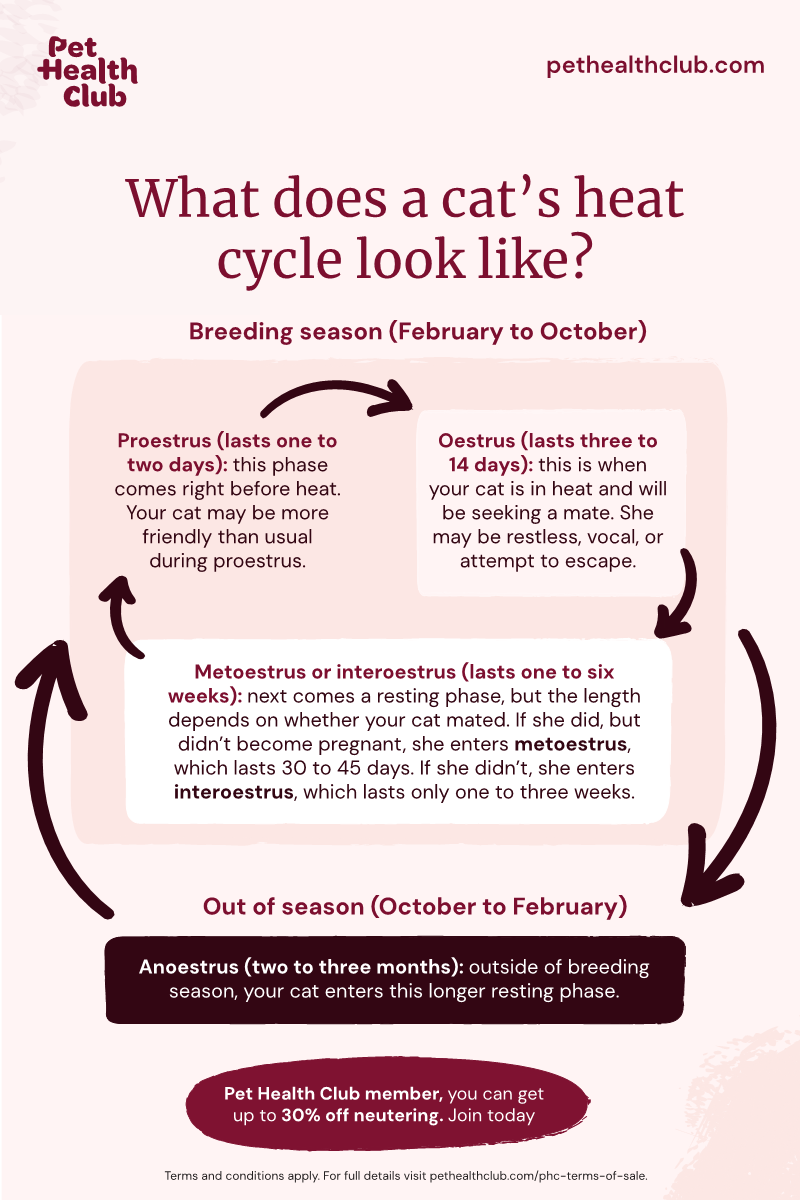
Season also matters; cats tend to go into heat during longer daylight hours, usually spring and summer. Breeding during this time increases the chances of successful mating. Have you noticed your cat’s behavior change with the seasons? That’s a sign she might be ready.
Health Screening
Health checks are a must before breeding. You need to screen for diseases like feline leukemia virus (FeLV) and feline immunodeficiency virus (FIV) to protect both parents and kittens. Vaccinations should be up-to-date to avoid passing illnesses to the litter.
Consider a genetic test to identify hereditary conditions common in your cat’s breed. This step helps prevent passing on problems that could affect the kittens’ quality of life. Skipping this can cause heartbreak and costly vet bills later on.

Credit: dremmanuelfontaine.com
Caring For Pregnant Cats
Caring for pregnant cats requires special attention and care to ensure both the mother and her kittens stay healthy. Pregnancy can be a challenging time for your cat, and your support makes a huge difference. Understanding her unique needs during this period helps you provide the best care possible.
Nutrition Needs
Your pregnant cat’s diet plays a crucial role in her health and the development of her kittens. She needs more calories, protein, and essential nutrients than usual. Switching to a high-quality kitten food can provide the extra energy and nutrients she requires.
Make sure fresh water is always available, as hydration is just as important as food. Avoid sudden changes in diet, which can upset her stomach. Have you noticed how your cat’s appetite changes during pregnancy? Feeding smaller meals more often can help manage this.
Veterinary Care
Regular veterinary check-ups are vital during your cat’s pregnancy. The vet can confirm the pregnancy and monitor her health and the kittens’ development through ultrasounds or X-rays. These visits also help catch any complications early.
Vaccinations and parasite control should be discussed with your vet to keep your cat and her unborn kittens safe. Don’t hesitate to ask your vet questions or express concerns—your cat’s health depends on clear communication. How often do you think a pregnant cat should visit the vet? Typically, every 3-4 weeks is recommended.
Credit: www.pethealthclub.com
Frequently Asked Questions
When Do Cats Typically Begin Breeding?
Cats usually begin breeding between 5 to 12 months old. Female cats enter their first heat cycle around this age. Male cats reach sexual maturity a bit later but can start breeding soon after.
How Can I Tell If My Cat Is Ready To Breed?
Signs include behavioral changes like increased vocalization and restlessness. Female cats in heat will show affectionate or agitated behavior. Male cats may spray urine or roam more in search of mates.
Is It Safe For Cats To Breed At Six Months?
Breeding at six months is generally possible but not always ideal. Early breeding can risk health issues for young cats. It’s best to wait until cats are physically mature and healthy before breeding.
How Often Do Cats Go Into Heat For Breeding?
Female cats can go into heat every two to three weeks during breeding season. The heat cycle lasts about 4 to 7 days. This frequent cycle helps increase chances of successful breeding.
Conclusion
Cats usually begin breeding around six months old. Female cats can have multiple litters each year. Male cats become fertile around the same time. Early breeding can affect their health and behavior. Responsible care helps keep cats safe and healthy.
Understanding when cats start breeding aids in better pet care. Watch for signs to know when your cat is ready. Taking action early supports your cat’s well-being. Keep your cat’s health a top priority always.


Leave a Reply