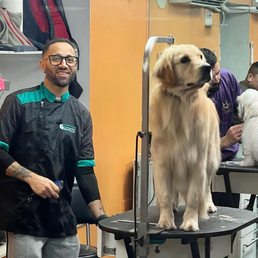
Your pet deserves the very best care, and when it comes to grooming, settling for anything less won’t do. Imagine your dog or cat looking fresh, feeling comfortable, and turning heads wherever they go.
That’s exactly what “A Cut Above Dog And Cat Grooming” promises to deliver. If you want your furry friend to shine with a healthy coat and sparkling eyes, keep reading. You’ll discover how expert grooming can transform your pet’s appearance and well-being—and why choosing the right groomer makes all the difference.
Choosing The Right Grooming Tools
Choosing the right grooming tools makes a big difference in pet care. Good tools keep your dog or cat comfortable and safe. They help remove dirt, loose hair, and tangles easily. The right tools fit your pet’s coat type and size. This keeps grooming quick and stress-free for both of you.
Essential Brushes And Combs
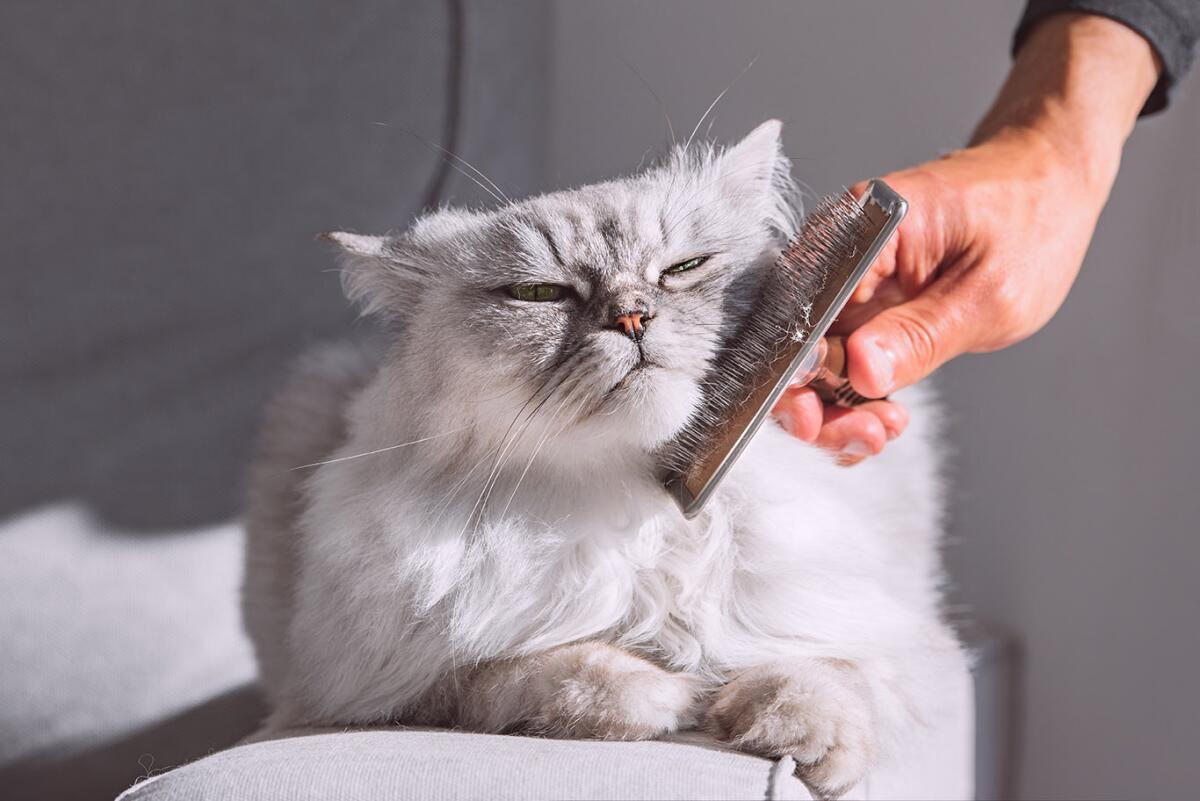
Brushes and combs remove loose fur and prevent mats. Different brushes work for different coat types. Use a slicker brush for thick, curly coats. A bristle brush works well for short, smooth fur.
- Pin brushes help detangle long hair gently.
- Undercoat rakes remove loose undercoat fur.
- Wide-tooth combs find hidden tangles and mats.
Choose brushes with comfortable handles for better grip. Regular brushing keeps your pet’s coat healthy and shiny.
Clippers And Scissors
Clippers trim thick or long fur quickly and evenly. Select clippers with adjustable blades for different lengths. Quiet and sharp clippers reduce stress for pets.
- Use scissors for delicate trimming around eyes and paws.
- Thinning shears blend fur to avoid harsh lines.
- Safety scissors prevent accidental cuts on sensitive skin.
Keep blades clean and oiled for smooth cuts. Sharp tools avoid pulling hair and hurting your pet.
Bathing Supplies
Bathing supplies clean your pet’s skin and coat safely. Use pet-friendly shampoos designed for dogs or cats. Avoid human shampoos as they can irritate skin.
- Choose shampoos for sensitive skin or specific coat needs.
- Conditioners help keep fur soft and tangle-free.
- Non-slip mats prevent slipping during baths.
- Washcloths clean delicate areas like the face and ears.
Warm water and gentle rinsing make baths more comfortable. Dry pets thoroughly to avoid skin problems.
Creating A Grooming Routine
Creating a grooming routine for your dog or cat is essential for their health and happiness. It keeps their coat clean, reduces shedding, and prevents skin problems. But how often should you groom, and how do you make it a stress-free experience for your pet? Let’s break it down.
Frequency For Different Breeds
Not all pets need grooming at the same intervals. Long-haired breeds like Shih Tzus or Maine Coons usually require grooming every 4 to 6 weeks to avoid matting. Short-haired dogs such as Beagles or short-coated cats might only need a bath and brushing every couple of months.
Think about your pet’s activity level, too. A dog that spends a lot of time outdoors may need more frequent grooming than a mostly indoor cat. How often you groom can change with the seasons as well—pets often shed more in spring and fall.
Establishing A Comfortable Environment
Your pet’s comfort during grooming can make all the difference. Set up a quiet, familiar space where your dog or cat feels safe. Use calming tones and gentle touches to keep their stress low.
Start slowly, especially if your pet is new to grooming. Short sessions with positive rewards build trust and patience. Have treats handy and praise your pet often to turn grooming into a positive habit.
Managing Shedding
Shedding can feel overwhelming, but managing it doesn’t have to be. Regular brushing helps remove loose hair before it ends up on your furniture. For heavy shedders, like Huskies or Persians, daily brushing may be necessary.
Diet also plays a role in coat health. Omega-3 fatty acids can improve skin condition and reduce shedding. Have you noticed your pet’s hair thinning or excessive shedding? It might be time to consult your vet about allergies or health issues.
Bathing Techniques For Shiny Coats
Bathing your pet is more than just a cleaning routine. It’s a way to ensure a shiny, healthy coat. The right techniques can make a significant difference. Let’s explore the best methods for achieving a dazzling coat for your furry friend.
Selecting Pet-friendly Shampoos
Choose shampoos designed specifically for pets. Human shampoos can irritate pet skin. Look for natural ingredients like aloe vera or oatmeal. These soothe and nourish the coat. Avoid products with harsh chemicals or strong fragrances. A gentle formula ensures your pet’s coat stays healthy and vibrant.
Proper Drying Methods
Drying is a crucial step after bathing. Towel dry gently to remove excess water. Avoid rubbing harshly, as it can tangle fur. Use a pet-friendly blow dryer on a low setting. Keep the dryer moving to prevent overheating. Ensure your pet is completely dry to avoid skin issues.
Dealing With Sensitive Skin
Pets with sensitive skin need extra care. Opt for hypoallergenic shampoos free from dyes and fragrances. Test a small area before full application. Use lukewarm water to avoid skin irritation. Always consult a vet for persistent skin issues.
Trimming And Styling Tips
Trimming and styling your pet’s fur keeps them comfortable and looking great. Regular grooming prevents mats and tangles, which can hurt your pet. Knowing simple haircut styles can help maintain a neat appearance. Styling also adds personality to your dog or cat. Here are some key tips to start with.
Basic Haircuts For Dogs
Dogs need different haircuts based on their breed and coat type. Simple trims can keep fur short and easy to manage. Popular styles include:
- puppy cut – even length all over for a soft look
- teddy bear cut – rounded face and fluffy body
- sanitary trim – short fur around private areas for cleanliness
- breed-specific cuts – follow natural lines of the breed
Use sharp clippers and scissors for clean cuts. Trim slowly to avoid mistakes. Keep your dog calm with gentle praise.
Cat Grooming Styles
Cats usually need less trimming but benefit from occasional styling. Common styles include:
- lion cut – short body with a fluffy mane and tail tip
- trimmed coat – shorter fur for long-haired cats in warmer months
- sanitary trim – neat fur around the rear for hygiene
Use quiet clippers designed for cats. Brush before and after trimming to remove loose hair. Stay patient and calm.
Handling Difficult Pets
Some pets resist grooming and become nervous. Create a calm space with few distractions. Speak softly and move slowly. Use treats to reward good behavior.
Break grooming into short sessions. Let your pet rest if stressed. A helper can hold your pet gently. Proper tools also reduce discomfort.
Nail Care And Paw Health
Keeping your pet’s nails and paws in top shape is more than just a grooming task—it’s essential for their comfort and mobility. Overgrown nails can cause pain or even lead to injury, while neglected paws may develop cracks or infections. Paying close attention to nail care and paw health helps your furry friend stay active and happy every day.
Safe Nail Trimming Practices
Trimming your pet’s nails can be tricky, but safety should always come first. Use a sharp, appropriate-sized clipper designed for dogs or cats to avoid crushing the nail. Trim small sections at a time to prevent cutting into the quick, which is the sensitive part containing blood vessels.
If your pet’s nails are dark and the quick isn’t visible, trim gradually and watch for a change in texture or color. Stopping before you reach the quick helps prevent bleeding and pain. Have styptic powder or cornstarch on hand to quickly stop any accidental bleeding.
Checking For Paw Issues
Regularly inspect your pet’s paws for signs of trouble like cuts, swelling, or redness. Look between the toes and pads for foreign objects such as splinters or thorns that can cause discomfort. If your pet is licking their paws excessively, it might indicate irritation or allergies.
Keep an eye out for cracked or dry pads, which can become painful if left untreated. Catching these problems early allows you to treat them promptly and avoid more serious issues. Have you noticed your pet limping or hesitating to walk? That could be a sign something’s wrong with their paws.
Using Protective Paw Balms
Applying a protective paw balm can soothe and shield your pet’s paw pads from harsh surfaces and extreme weather. Choose a balm made from natural ingredients safe for pets, like beeswax and shea butter. These help keep the pads moisturized, preventing cracks and dryness.
Use balm regularly during winter or summer when ice, salt, or hot pavement can damage paws. Rubbing a small amount onto the pads before walks acts like a barrier and speeds up healing of minor injuries. Your pet will thank you with every happy step they take.

Credit: www.mapquest.com
Ear And Dental Maintenance
Ear and dental maintenance are crucial parts of pet grooming. Healthy ears and teeth improve your pet’s comfort and overall health. Regular care helps avoid infections and painful conditions. A Cut Above Dog and Cat Grooming offers expert care to keep your pets happy and healthy.
Cleaning Ears Safely
Cleaning your pet’s ears requires gentle care. Use a vet-approved ear cleaner and a soft cotton ball. Avoid using cotton swabs to prevent injury. Wipe the visible part of the ear carefully. Check for redness or bad smell as signs of problems.
Preventing Ear Infections
Keep ears dry after baths or swimming. Trim excess hair around the ear canal to improve airflow. Regular inspection helps catch early signs of infection. Watch for scratching, head shaking, or discharge. Prompt grooming reduces the risk of serious ear issues.
Brushing Teeth Regularly
Dental care is vital for pets’ health. Use a toothbrush designed for dogs or cats. Choose pet-safe toothpaste with flavors your pet likes. Brush teeth gently but thoroughly, especially near the gum line. Regular brushing prevents plaque buildup and bad breath.
Signs Your Pet Needs Professional Grooming
Knowing when your pet needs professional grooming can save them discomfort and keep them healthy. Pets can’t tell us when they feel itchy, tangled, or irritated, so you need to watch for signs yourself. Recognizing these signs early ensures your furry friend stays happy and clean.
Recognizing Skin Problems
Look closely at your pet’s skin during playtime or cuddles. Redness, bumps, flaky patches, or excessive scratching can signal irritation or infection. If you notice any unusual odors or persistent scratching, professional grooming can help identify the cause and provide relief.
Ignoring skin problems can lead to more serious issues. Groomers know how to spot early symptoms that you might miss. They can recommend treatments or suggest a vet visit if needed.
Handling Matted Fur
Matted fur isn’t just unsightly—it’s painful for your pet. If you run your fingers through your pet’s coat and feel tight clumps or knots, it’s time to seek help. Matted fur can pull on the skin and cause sores.
Professional groomers have the right tools and experience to safely remove mats without hurting your pet. Trying to cut or pull mats at home can cause injury. Regular grooming appointments prevent mats from developing in the first place.
When To Visit A Groomer
Ask yourself how often your pet’s coat looks dull, dirty, or tangled beyond your ability to manage. If baths at home don’t seem enough, a groomer’s touch can make a big difference. Pets with thick or long hair usually need regular professional grooming every 4 to 8 weeks.
Consider your pet’s breed, activity level, and skin sensitivity. A busy family dog who loves outdoor adventures might need more frequent visits than a calm indoor cat. Don’t wait until your pet is uncomfortable—schedule grooming before problems grow.
Credit: m.yelp.com
Tips For Stress-free Grooming Sessions
Grooming your dog or cat can be a calm and positive experience. Reducing stress makes grooming easier for both pets and owners. Simple strategies help create a peaceful environment. These tips encourage your pet to enjoy grooming sessions more.
Positive Reinforcement Techniques
Use treats and praise to reward good behavior during grooming. Offer small rewards after brushing or nail trimming. Speak softly to comfort your pet. Praise helps pets associate grooming with positive feelings. Avoid punishment to prevent fear or anxiety.
Using Calming Products
Calming sprays and pheromone diffusers help relax pets. Choose products made specifically for dogs or cats. Apply sprays on bedding or grooming tools. Natural supplements like chamomile may also soothe pets. Always check with a vet before using new products.
Scheduling Around Your Pet’s Mood
Observe your pet’s daily energy levels and moods. Groom when your pet feels calm or sleepy. Avoid grooming during high-energy or anxious moments. Short, frequent sessions work better than long ones. Adjust grooming times to your pet’s natural rhythm.

Credit: www.walmart.com
Frequently Asked Questions
What Services Does A Cut Above Dog And Cat Grooming Offer?
A Cut Above provides bathing, hair trimming, nail clipping, ear cleaning, and breed-specific styling for dogs and cats. They ensure pets look clean and feel comfortable with professional grooming tailored to each pet’s needs.
How Often Should I Groom My Dog Or Cat?
Regular grooming every 4 to 6 weeks helps maintain your pet’s coat health and prevents matting. Frequent grooming improves hygiene, reduces shedding, and keeps your pet comfortable and looking their best.
Is A Cut Above Safe For All Pet Breeds?
Yes, A Cut Above uses breed-specific techniques and safe products for all dog and cat breeds. Their experienced groomers handle pets gently, ensuring a stress-free and safe grooming experience.
Can I Book A Grooming Appointment Online?
Yes, A Cut Above offers easy online booking for grooming sessions. Scheduling online saves time and guarantees your preferred date and time for your pet’s grooming needs.
Conclusion
Quality grooming keeps pets healthy and happy every day. Clean fur and trimmed nails help prevent many health issues. Regular grooming also strengthens the bond between you and your pet. Choosing the right grooming care makes a big difference in their comfort.
Trust your pet’s grooming to skilled hands for the best results. Happy pets, happy owners. Simple as that.

Leave a Reply