Are you worried about your cat’s kidney health? Just like humans, cats can benefit from probiotics that support their kidneys.
But with so many options out there, how do you know which probiotics truly help your furry friend? You’ll discover the best probiotics that can boost your cat’s kidney function and improve their overall well-being. Keep reading to learn how these tiny allies can make a big difference in your cat’s life.
Kidney Health Challenges In Cats
Kidney health is vital for cats to live long and happy lives. Kidneys filter waste from the blood and balance fluids. Cats face many kidney health challenges as they age. Early detection helps manage these problems better. Understanding common issues and symptoms is key to protecting your cat’s kidneys.
Common Kidney Issues
- Chronic Kidney Disease (CKD): A slow loss of kidney function over time.
- Acute Kidney Injury (AKI): Sudden kidney damage often caused by toxins or infections.
- Kidney Infections: Bacterial infections that affect kidney tissues.
- Kidney Stones: Hard deposits that can block urine flow and cause pain.
- Polycystic Kidney Disease: Genetic disorder causing cysts in kidneys.
Symptoms To Watch For
- Increased thirst and urination.
- Loss of appetite and weight loss.
- Vomiting or diarrhea.
- Lethargy or weakness.
- Bad breath or mouth ulcers.
- Pale gums or dehydration signs.
Credit: www.walmart.ca
Role Of Probiotics In Feline Kidney Care
Probiotics play a crucial role in supporting kidney health in cats. They do more than just aid digestion—they help maintain a balanced gut environment that can positively affect kidney function. Understanding how these friendly bacteria work gives you a powerful tool to support your cat’s well-being, especially if kidney issues are a concern.
How Probiotics Influence Kidney Function
Probiotics help reduce toxins in your cat’s gut, which eases the workload on the kidneys. By breaking down waste products more efficiently, they limit the amount of harmful substances that enter the bloodstream and reach the kidneys.
Some strains produce compounds that can actually protect kidney cells from damage. For example, certain Lactobacillus species have been shown to reduce inflammation and oxidative stress, both of which are common in kidney disease.
Have you noticed how your cat’s energy changes with diet adjustments? Adding probiotics might improve their energy by supporting kidney health indirectly through better toxin management.
Benefits Beyond Digestion
Probiotics don’t just stop at the gut; they influence your cat’s immune system and inflammation levels. A healthier immune response can slow down the progression of kidney problems and improve overall health.
These good bacteria also help maintain a balanced pH in the gut, which can reduce the risk of urinary tract infections—common complications in cats with kidney issues.
Think about your cat’s quality of life. Probiotics can contribute to better hydration and nutrient absorption, both key factors for cats managing kidney disease.
- Improved toxin elimination
- Reduced kidney inflammation
- Enhanced immune response
- Lower risk of urinary infections
- Better nutrient uptake and hydration
Key Probiotic Strains For Kidney Support
Probiotic strains like Lactobacillus and Bifidobacterium help support kidney health in cats by reducing toxins. These good bacteria aid digestion and promote better waste elimination, easing the kidneys’ workload. Regular use may improve overall kidney function in cats.
Key probiotic strains can support kidney health in cats. These strains help maintain a healthy balance of gut bacteria. They also aid in digestion and nutrient absorption. This support is crucial for cats with kidney issues.Lactobacillus Strains
Lactobacillus is a common probiotic strain. It supports gut health and boosts the immune system. Lactobacillus acidophilus is well-known and often used. It helps reduce harmful bacteria in the gut. This strain also aids in digestion, promoting overall health.Bifidobacterium Strains
Bifidobacterium strains are beneficial for cats’ kidneys. They improve gut flora balance and support digestion. Bifidobacterium bifidum is a key strain. It enhances nutrient absorption and boosts the immune system. This support helps maintain kidney health.Other Beneficial Microbes
Other microbes also aid in kidney support. Streptococcus thermophilus is one such microbe. It produces lactic acid, which benefits digestion. Saccharomyces boulardii is a helpful yeast. It supports gut health and reduces harmful bacteria. These microbes, alongside probiotics, support a cat’s kidney health.
Credit: www.proplanvetdirect.com
Top Probiotic Products For Cats
Probiotics play a vital role in supporting kidney health in cats. Choosing the right probiotic ensures your cat gets the best care. Various products are available, but not all are suitable for feline kidney support. Understanding key factors helps in selecting the best probiotic for your cat’s needs.
Criteria For Choosing Probiotics
- Contains strains proven safe for cats, like Lactobacillus and Bifidobacterium.
- High colony-forming units (CFUs) to ensure effectiveness.
- Formulated specifically for cats to match their digestive system.
- Free from fillers, artificial additives, or harmful preservatives.
- Easy to administer, such as powders, capsules, or treats.
- Supports gut health and reduces toxin buildup affecting kidneys.
Recommended Brands And Formulations
| Brand | Key Features | Formulation Type |
|---|---|---|
| Purina Pro Plan Veterinary Diets | Clinically tested, kidney support blend | Powder |
| VetriScience Probiotic Everyday | Multiple strains, easy to mix with food | Capsules |
| Nutramax Proviable | Supports digestive and kidney health | Capsules and chewables |
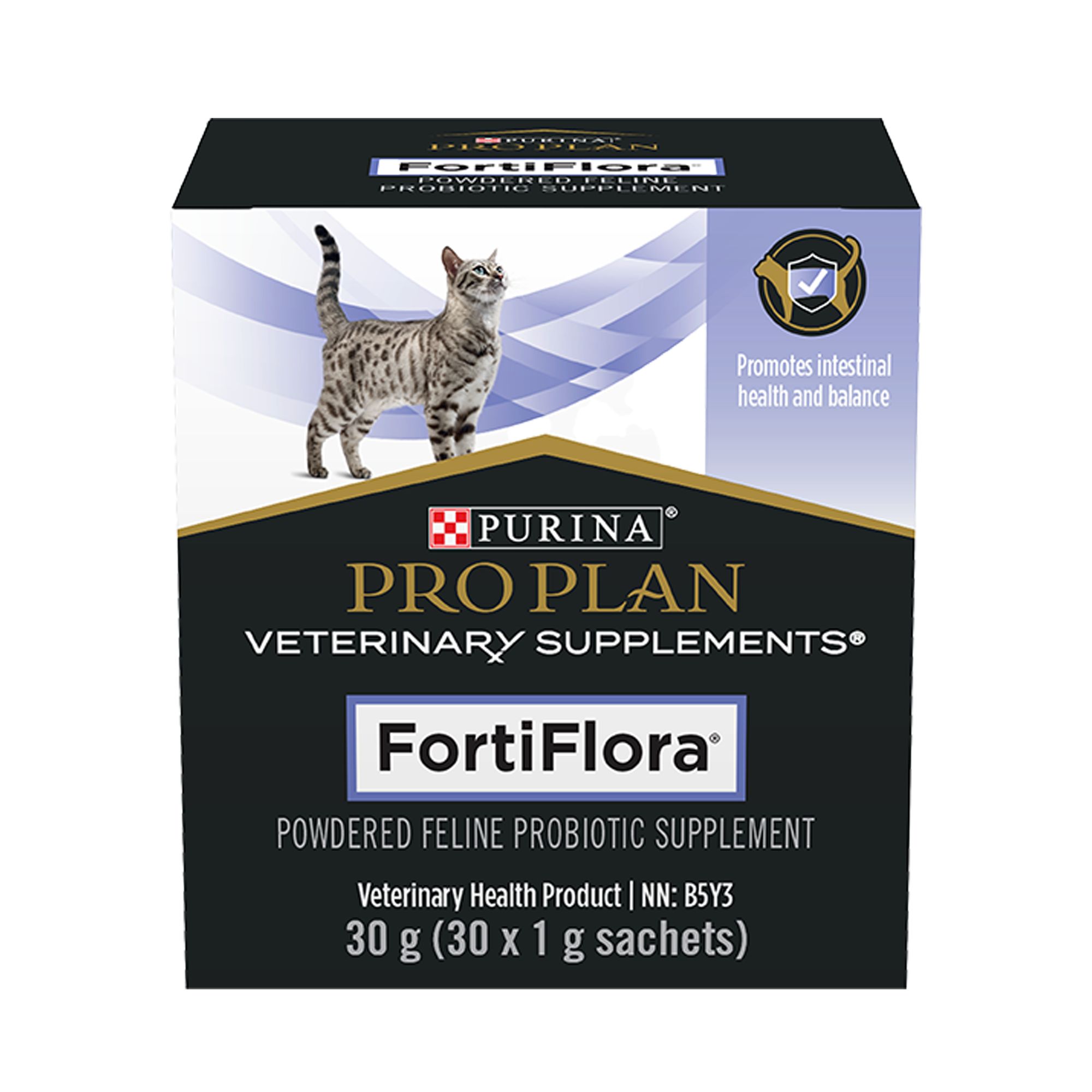
| FortiFlora by Purina | Single-strain probiotic, veterinary recommended | Powder |
Administering Probiotics Safely
Administering probiotics safely is key to supporting your cat’s kidney health. Proper use helps avoid risks and ensures benefits. Probiotics need careful handling for best results. Understanding how to dose and watch for side effects protects your cat’s well-being.
Dosage Guidelines
Follow the probiotic label instructions strictly. Dosage depends on the probiotic strain and your cat’s weight. Start with a small amount to check tolerance. Gradually increase to the recommended dose over several days. Consistency matters; give probiotics daily for steady effects.
- Use measuring tools provided with the product.
- Never exceed the suggested amount.
- Consult your vet before starting probiotics.
Potential Side Effects
Watch for mild digestive changes in the first days. Some cats may have soft stools or mild gas. These symptoms usually pass quickly without treatment. Stop probiotics if your cat shows severe reactions like vomiting. Contact your vet if side effects continue or worsen.
- Diarrhea or constipation
- Loss of appetite
- Unusual lethargy

Credit: www.amazon.ca
Complementary Care For Kidney Health
Supporting your cat’s kidney health goes beyond just probiotics. Complementary care plays a crucial role in managing and slowing the progression of kidney issues. Paying attention to diet and regular vet visits can make a real difference in how well your cat responds to treatment and maintains quality of life.
Dietary Considerations
Your cat’s diet directly affects kidney function. Foods low in phosphorus and protein help reduce strain on the kidneys. You can find special kidney care diets at pet stores or through your vet, designed to ease the workload on these vital organs.
Adding omega-3 fatty acids, often found in fish oil, supports kidney health by reducing inflammation. Have you noticed how your cat reacts to different foods? Monitoring this can guide you to the best diet choices tailored to their needs.
Regular Vet Checkups
Frequent vet visits allow early detection of kidney issues before they worsen. Blood tests and urine analysis give your vet a clear picture of how the kidneys are functioning. This information helps adjust care plans quickly and effectively.
Don’t wait for obvious symptoms to appear. Cats are experts at hiding discomfort, so routine checkups are essential. How often do you take your cat for a wellness exam? Scheduling regular visits can help catch problems early and keep your cat healthier longer.
Frequently Asked Questions
What Probiotics Are Best For Cat Kidney Health?
Lactobacillus and Bifidobacterium strains are commonly recommended for kidney support. They help reduce toxin buildup and improve gut health in cats with kidney issues.
How Do Probiotics Improve Kidney Function In Cats?
Probiotics aid digestion and reduce harmful waste in the gut. This lowers kidney strain by decreasing toxin levels in the bloodstream.
Can Probiotics Prevent Kidney Disease In Cats?
Probiotics may slow kidney disease progression but cannot fully prevent it. They support overall gut and kidney health when combined with proper diet.
Are Probiotic Supplements Safe For Cats With Kidney Problems?
Yes, most probiotic supplements are safe. However, consult your vet first to choose the right strain and dosage for your cat’s kidney health.
Conclusion
Probiotics can help keep your cat’s kidneys healthy. Certain strains support better digestion and reduce toxin buildup. Choosing the right probiotic is important for kidney care. Always check with your vet before starting new supplements. Healthy kidneys mean a happier, more active cat.
Small changes can make a big difference in their well-being. Keep learning and caring for your furry friend daily. Good probiotics can be part of their kidney health plan.



Leave a Reply