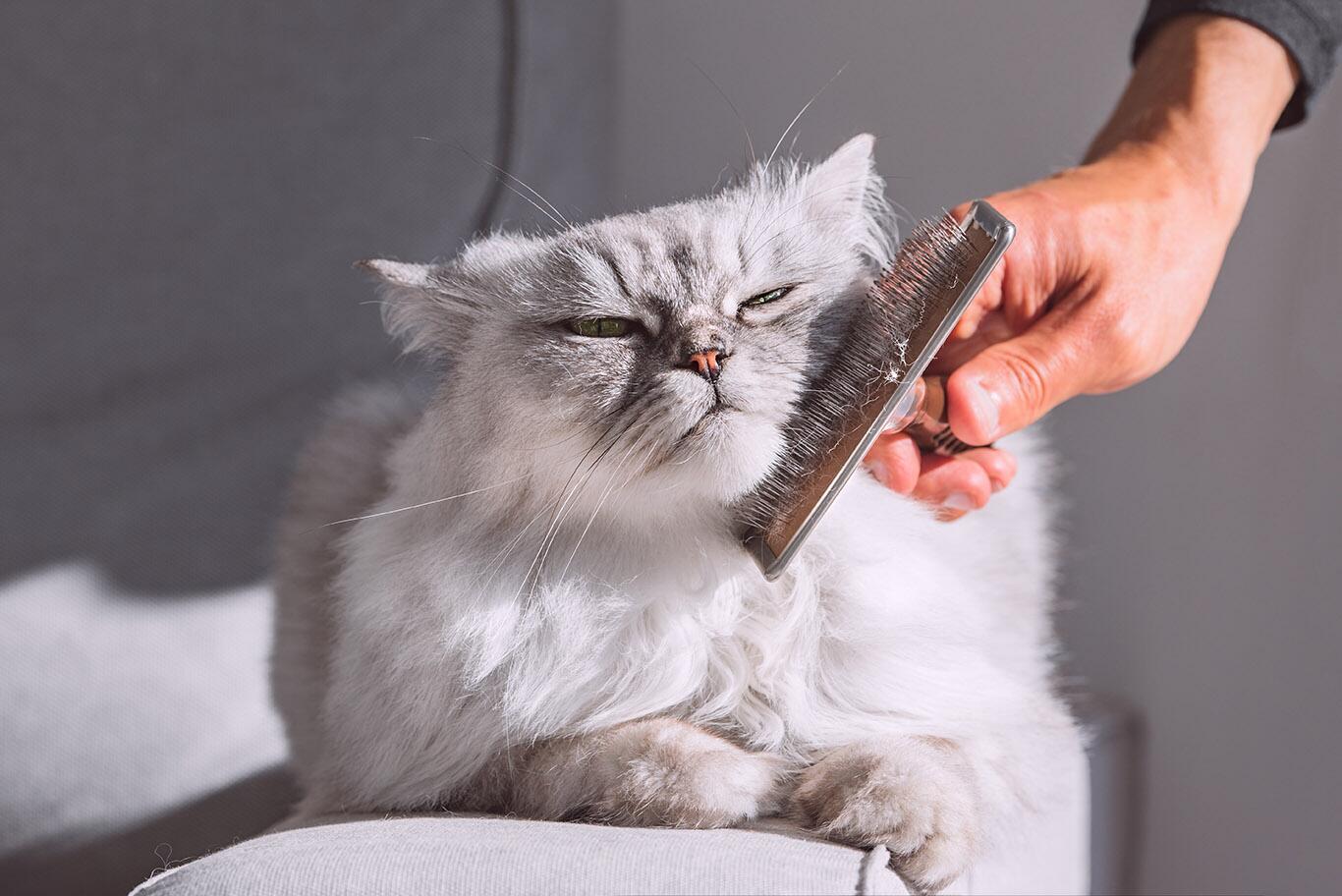
Are you wondering if your cat needs regular coat grooming? You might think cats clean themselves well enough, but there’s more to their fur care than you realize.
Proper grooming can keep your cat healthy, comfortable, and looking great. You’ll discover why grooming matters, how it benefits your furry friend, and simple tips to make the process easy and enjoyable for both of you. Keep reading to learn how you can help your cat’s coat stay shiny and tangle-free every day.
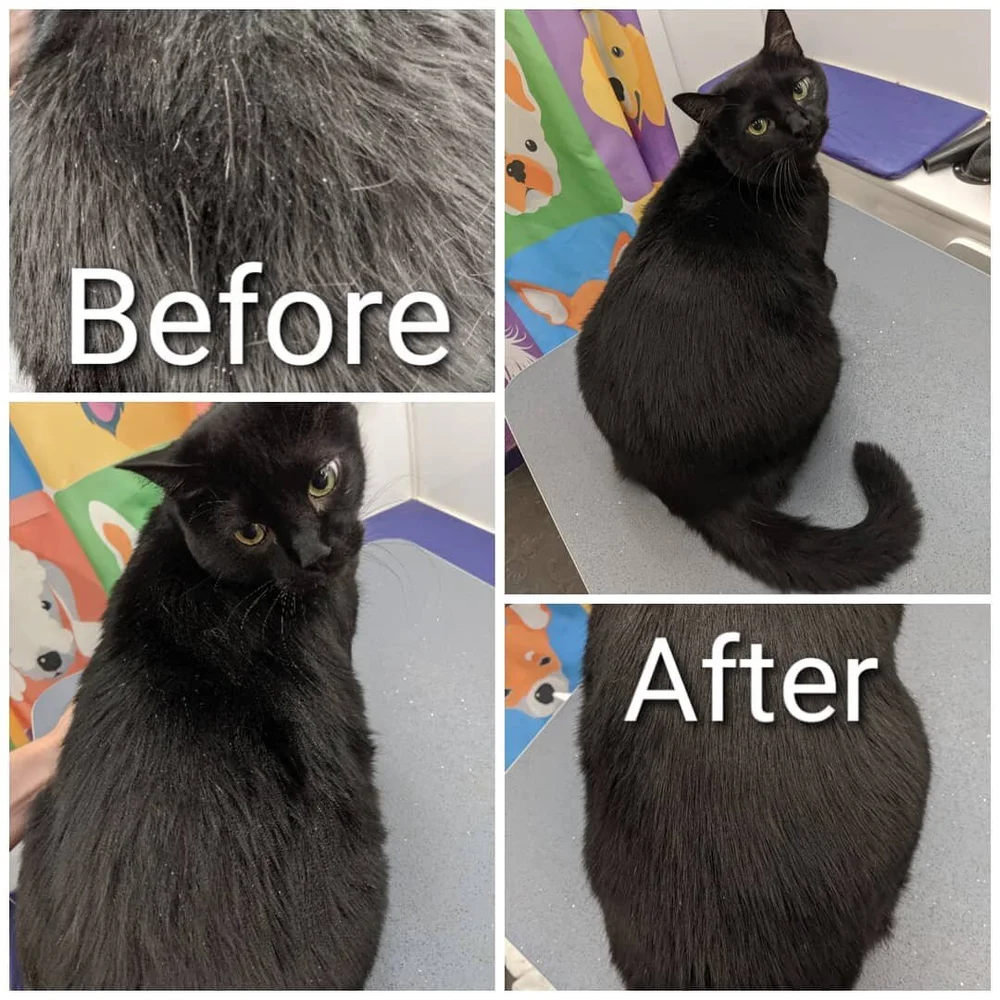
Credit: www.squeakycleangrooming.com
Cat Coat Basics
Understanding your cat’s coat is the first step to keeping it healthy and shiny. The coat isn’t just about looks—it plays a big role in your cat’s comfort and overall health. Knowing the basics helps you decide the best grooming routine for your furry friend.
Types Of Cat Fur
Cats have different types of fur that affect how they feel and how you should care for them. Some have short, smooth fur that lies close to the skin, while others boast long, flowing strands that need more attention.
- Short-haired cats:Require less frequent grooming but still benefit from regular brushing to remove loose hair.
- Long-haired cats:Need daily grooming to prevent mats and tangles.
- Double-coated cats:Have a soft undercoat beneath a coarser outer coat, needing special care during shedding seasons.
Think about your cat’s fur type next time you pick up a brush. Are you giving it the care it really needs?
Importance Of Grooming
Grooming is more than keeping your cat looking good. It helps remove dirt, loose hair, and even reduces the risk of skin infections. Regular grooming also gives you a chance to spot unusual bumps or skin problems early.
I once found a small lump on my cat during a grooming session, which turned out to be nothing serious but needed monitoring. Without that routine, it might have gone unnoticed for weeks.
How often do you check your cat’s coat? Even a quick daily brush can build a bond and keep your cat’s skin healthy.
Signs Your Cat Needs Grooming
Recognizing when your cat needs grooming is key to keeping them healthy and comfortable. Cats are usually good at self-cleaning, but sometimes they need your help. Watching for certain signs can alert you that it’s time to step in with some grooming care.
Matting And Tangles
Have you ever noticed clumps of fur that just won’t smooth out? Mats and tangles can form when your cat’s fur gets too long or dirty. These knots can pull at the skin, causing discomfort or even sores.
If your cat is avoiding touch in certain areas or you see small lumps under the fur, it’s time to grab a comb. Regular brushing helps prevent mats and keeps your cat feeling relaxed and happy.
Excess Shedding
Shedding is normal, but when it becomes excessive, it’s a sign your cat needs extra grooming. Piles of loose fur around the house or on your clothes mean your cat’s coat isn’t shedding naturally.
Brushing daily during shedding season can remove dead hair before it falls off. This not only keeps your home cleaner but helps your cat avoid hairballs that can make them sick.
Dry Or Dull Fur
Healthy cat fur should be soft and shiny. If your cat’s coat looks dry, dull, or feels rough, this could mean their skin is lacking moisture or oils. Sometimes poor grooming habits or health issues cause this change.
Regular grooming stimulates oil production and distributes it evenly. Have you checked your cat’s fur lately? A simple grooming routine can bring back that silky shine they once had.
Grooming Tools For Cats
Cats can have their coats groomed using special tools designed for their fur type. Regular brushing helps remove loose hair and prevents mats. Grooming also keeps their skin healthy and shiny.
Grooming Tools for Cats Grooming your cat is not just about keeping them looking good; it’s essential for their health and well-being. The right tools can make the process smooth and enjoyable for both you and your feline friend. But what are the must-have grooming tools for your cat?Brushes And Combs
Cats are natural groomers, but they often need a little help from you. Brushes and combs are essential in keeping their coat free of tangles and mats. A slicker brush is excellent for removing loose fur, while a fine-toothed comb can help untangle knots. Consider your cat’s fur type when selecting a brush. Short-haired cats may only need a gentle bristle brush, while long-haired breeds can benefit from a wide-toothed comb to manage their luxurious coats. Have you ever noticed your cat leaving tufts of fur around the house? Regular brushing can significantly reduce shedding.Nail Clippers
Trimming your cat’s nails is crucial to prevent them from becoming too sharp or overgrown. There are various types of nail clippers available, including scissor-style and guillotine-style. Choose one that feels comfortable in your hand and provides a clear view of the nail. Ensure you have a steady hand and plenty of light when clipping. If your cat is anxious, try trimming just one or two nails at a time. This gradual approach can make the experience less stressful for both of you.Shampoos And Wipes
While cats groom themselves, sometimes they need a little extra help. Cat shampoos are specially formulated to be gentle on their sensitive skin. Opt for a fragrance-free or hypoallergenic formula if your cat is prone to allergies. Wipes can be a convenient alternative for quick clean-ups. They are perfect for those in-between bath moments or when your cat has gotten into something messy. Do you find bath time daunting? Wipes can save the day, offering a fast and fuss-free solution. Grooming your cat doesn’t have to be a chore. With the right tools and a little patience, it can be a bonding experience you both look forward to. What tools will you add to your grooming kit today?
Credit: www.doppelherz.com
Step-by-step Grooming Guide
Grooming your cat’s coat keeps it healthy and shiny. It also helps reduce hairballs and mats. A calm and gentle approach makes grooming easier for both of you. Follow these simple steps to care for your cat’s fur properly.
Preparing Your Cat
Choose a quiet place with good light. Let your cat smell and explore the grooming tools. Speak softly to keep your cat relaxed. Check your cat’s fur for dirt, mats, or fleas. Make sure your cat’s nails are trimmed to avoid scratches. Have treats ready to reward calm behavior.
Brushing Techniques
Select a brush suited for your cat’s fur type. Use gentle strokes in the direction of hair growth. Focus on areas prone to tangles like behind ears and under the legs. Use a comb for stubborn mats, working carefully to avoid pain. Brush regularly to prevent shedding and knots.
Bathing Tips
Use lukewarm water and a cat-safe shampoo. Wet your cat slowly, avoiding the face and ears. Apply shampoo gently, lathering all over the body. Rinse thoroughly to remove all soap. Keep the bath short to reduce stress. Always dry your cat after bathing.
Drying And Aftercare
Wrap your cat in a soft towel and pat dry. Use a low heat setting if using a hairdryer. Brush the coat again to remove loose hair. Check for any skin irritation or unusual lumps. Reward your cat with treats and praise. Regular grooming keeps your cat happy and healthy.
Grooming Frequency
Grooming frequency varies depending on your cat’s coat type and environment. Regular grooming keeps your cat healthy and comfortable. It also helps reduce shedding and hairballs. Knowing how often to groom your cat prevents skin problems and matting. Each coat type needs different care routines.
Short-haired Cats
Short-haired cats need less grooming than long-haired cats. Brushing once a week usually works well. It removes loose fur and spreads natural oils. This keeps their coat shiny and skin healthy. During shedding seasons, increase brushing to two or three times a week.
Long-haired Cats
Long-haired cats require daily grooming to prevent tangles and mats. Their fur can easily knot, causing discomfort. Use a wide-toothed comb and a soft brush. Pay attention to areas behind the ears and under the legs. Regular grooming also reduces hairballs and skin issues.
Seasonal Grooming Needs
Seasonal changes affect your cat’s coat and grooming needs. Cats shed more in spring and fall. Increase grooming frequency during these times to manage extra fur. Warm weather may require more frequent baths. Cold seasons often need less grooming but keep checking for dry skin.
Health Benefits Of Grooming
Grooming your cat is more than just keeping their fur neat. It plays a key role in their health and happiness. Regular brushing and care help your cat stay clean and free from problems. These simple actions support their body and mind in many ways.
Preventing Hairballs
Cats lick their fur, swallowing loose hairs. These hairs can form hairballs in their stomach. Grooming removes loose fur before your cat swallows it. This lowers the chance of hairballs causing discomfort or sickness.
Skin Health
Brushing helps spread natural oils across your cat’s skin. These oils keep the skin soft and moist. Grooming also removes dirt and dead skin cells. It helps spot any skin problems early, like rashes or parasites.
Bonding With Your Cat
Grooming is a quiet time to connect with your cat. It builds trust and comfort between you. Your cat feels safe and cared for during grooming sessions. This strengthens your relationship and reduces stress.
When To See A Vet
Knowing when to take your cat to the vet for coat grooming issues can save your furry friend from discomfort and more serious health problems. Some signs are subtle, but they often signal that your cat needs professional care. Paying attention to changes in your cat’s skin and fur can help you decide when a vet visit is necessary.
Skin Infections
If you notice red, swollen, or oozing spots on your cat’s skin, it could be a sign of infection. Cats sometimes develop bacterial or fungal infections that need vet-prescribed treatment. Ignoring these signs can lead to worsening symptoms and painful discomfort for your cat.
Have you ever seen your cat constantly scratching or licking a particular area? This behavior often points to skin infections and should prompt a vet checkup. Early detection can prevent serious complications.
Allergies And Irritations
Allergies can cause your cat’s coat to become patchy or dull. If your cat is scratching more than usual or has red, irritated skin, allergies might be the cause. A vet can help identify the allergen and recommend treatments to ease your cat’s discomfort.
Sometimes, irritations from flea bites or contact with certain plants cause persistent itching. If home remedies don’t work and your cat continues to show signs of irritation, it’s time to consult your vet. Don’t let itching turn into infection or hair loss.
Unusual Fur Loss
Shedding is normal, but sudden or patchy fur loss is not. If you see bald spots or large clumps of fur falling out, it’s important to get your cat evaluated. This could be a sign of hormonal issues, parasites, or other health problems that need professional care.
Have you noticed your cat grooming excessively to the point of fur thinning? This behavior often signals underlying stress or medical conditions. Your vet can help diagnose the root cause and suggest the right treatment.
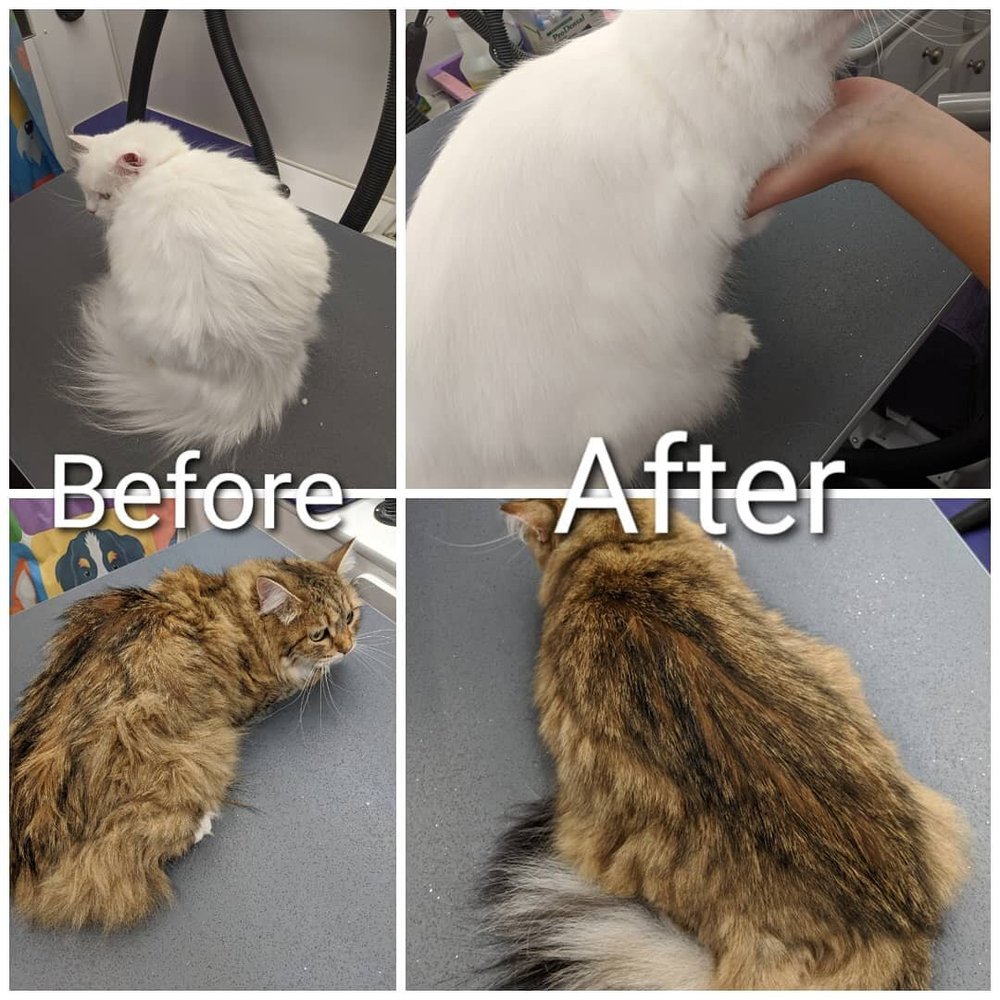
Credit: www.squeakycleangrooming.com
Frequently Asked Questions
Can Cats Get Their Coat Professionally Groomed?
Yes, cats can be professionally groomed to keep their coat clean and healthy. Groomers trim fur, remove mats, and reduce shedding safely.
How Often Should I Groom My Cat’s Coat?
Grooming frequency depends on your cat’s fur type. Long-haired cats need weekly grooming, while short-haired cats benefit from monthly sessions.
What Are The Benefits Of Coat Grooming For Cats?
Grooming removes loose hair, prevents mats, and reduces hairballs. It also improves skin health and strengthens the bond between you and your cat.
Can Grooming Reduce My Cat’s Shedding Problems?
Regular grooming helps control shedding by removing loose fur before it falls. This keeps your home cleaner and reduces hair on furniture.
Conclusion
Cats enjoy having their coats groomed regularly. It helps keep their fur clean and healthy. Grooming also reduces shedding and prevents hairballs. It can be a calming time for your cat. Use gentle brushes made for cats to avoid hurting them.
Watch your cat’s reaction and stop if they seem stressed. Regular grooming supports your cat’s overall well-being. It strengthens your bond and shows care. Simple daily brushing makes a big difference. Keep your cat happy and their coat shiny.



Leave a Reply