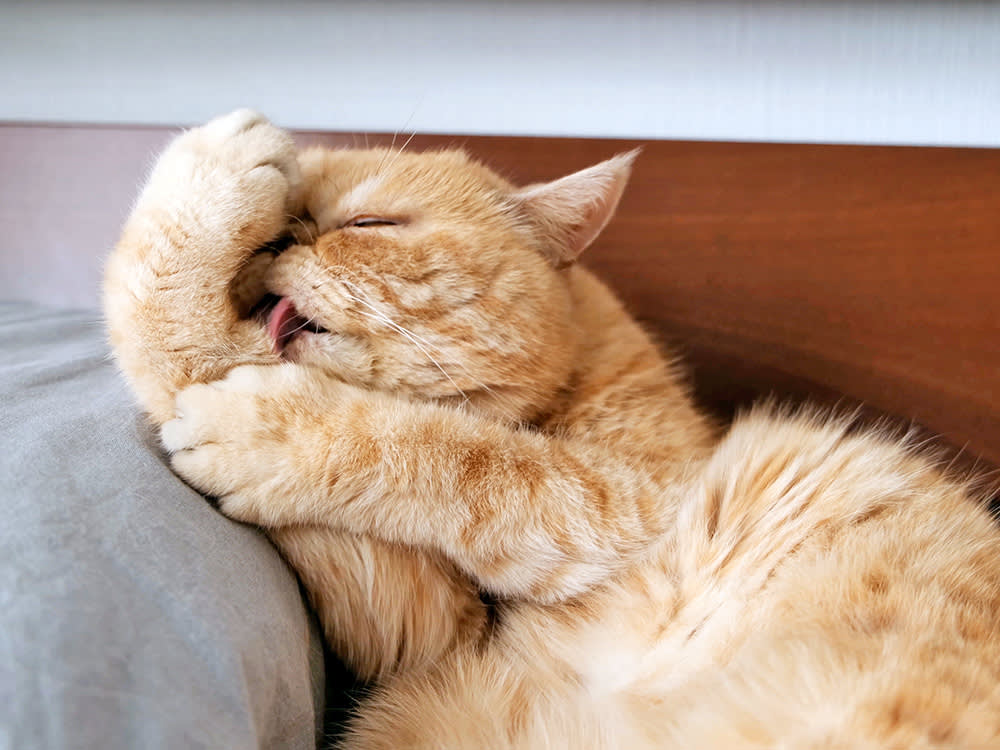
Have you ever noticed your cat suddenly stop grooming itself? It might seem like a small change, but it can be a sign that something is wrong.
Your cat’s grooming habits are more than just about looking clean—they reflect their health and happiness. When grooming stops, it could mean your furry friend is feeling stressed, sick, or in pain. Understanding why this happens can help you take quick action to keep your cat safe and comfortable.
Read on to discover what to watch for and how to help your cat get back to their usual self.
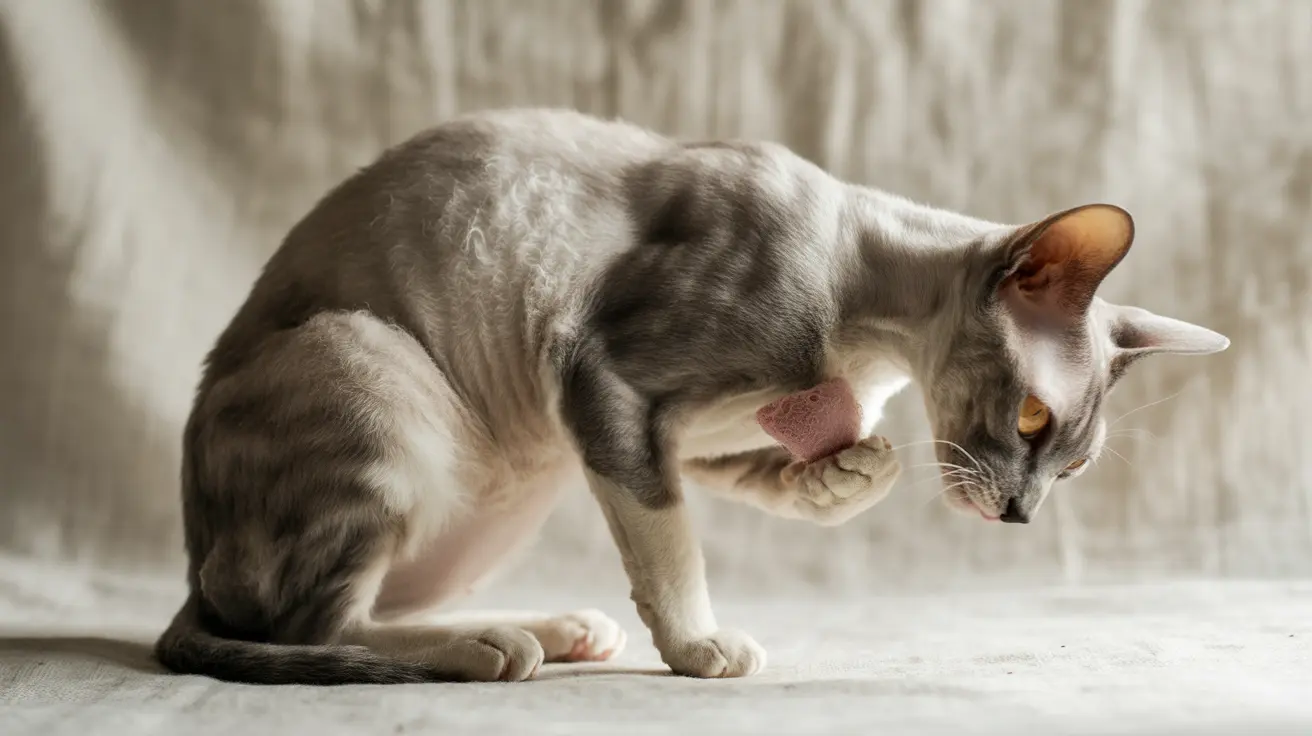
Credit: www.petscare.com
Reasons Cats Stop Grooming
Cats usually keep themselves clean by grooming every day. Grooming helps them remove dirt, loose fur, and parasites. It also calms them and keeps their skin healthy. When a cat stops grooming, it can signal problems. Understanding the reasons behind this behavior helps owners respond quickly. Several factors can cause a cat to stop grooming.
Health Issues
Many health problems affect a cat’s grooming habits. Skin infections or parasites make grooming painful or uncomfortable. Illnesses like kidney disease or diabetes lower energy. Cats may feel too weak to groom themselves properly. Dental problems can also stop grooming due to mouth pain.
Pain And Discomfort
Pain from injuries or arthritis limits a cat’s movement. Cats find it hard to reach some body parts. Discomfort makes grooming difficult and less frequent. Surgery recovery or wounds can also cause grooming to stop. Pain blocks the cat’s natural cleaning routine.
Behavioral Changes
Stress and anxiety affect grooming behavior. Changes in the home or new pets may upset cats. Depression or fear can lead cats to stop grooming. Cats may lose interest in themselves during these times. Behavior shifts often show in grooming habits first.
Age-related Factors
Older cats groom less due to physical decline. Their joints become stiff and muscles weak. Vision or dental problems also reduce grooming. Senior cats may not clean as thoroughly as before. Aging slows down their usual grooming routine.
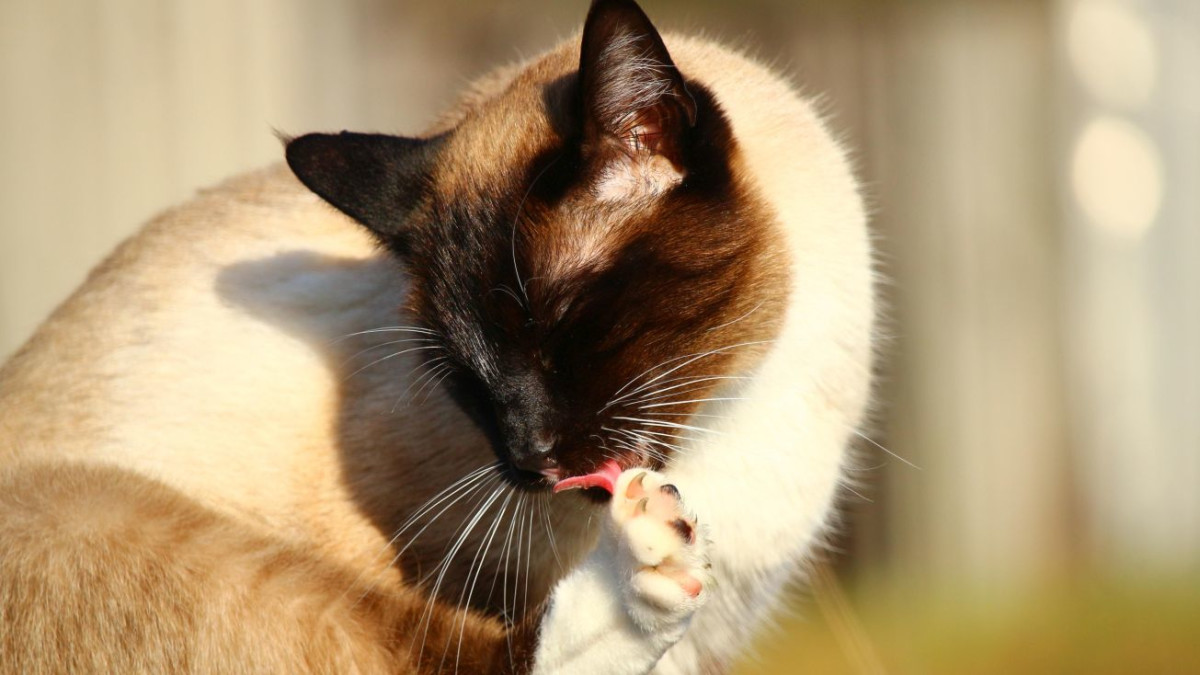
Credit: pethelpful.com
Warning Signs To Watch For
Cats usually keep themselves clean by grooming daily. When they stop, it signals a possible problem. Watch for clear signs to protect your cat’s health. Early detection helps in getting proper care fast.
Mattes And Tangles
Fur clumps and mats form when cats stop grooming. These tangles pull on the skin and cause pain. Matted fur traps dirt and moisture, inviting infections. Check your cat’s coat often for uneven patches.
Unpleasant Odors
A strong smell from your cat can mean poor hygiene. Odors come from dirty fur or skin infections. Healthy cats smell clean, even without baths. Notice any new or bad smells around your cat’s body.
Skin Irritations
Look for redness, bumps, or scabs on your cat’s skin. Lack of grooming causes skin problems and discomfort. Cats might scratch or lick sore spots excessively. Touch your cat gently to check for tender areas.
Excessive Shedding
More fur than usual on furniture or clothes can be a warning. Cats shed normally, but poor grooming worsens fur loss. Shedding patches or bald spots suggest health issues. Regular brushing helps spot shedding problems early.
Medical Conditions Affecting Grooming
Cats are known for their grooming habits. When they stop grooming, it can signal health issues. Medical conditions often affect their ability to groom themselves effectively. Understanding these conditions helps in providing timely care.
Arthritis
Arthritis causes joint pain, making grooming difficult for cats. They may struggle to reach certain areas. Joint stiffness can reduce their flexibility. Older cats are more prone to arthritis. Look for signs like limping or reluctance to move.
Dental Problems
Painful teeth or gums can hinder a cat’s grooming. Cats with dental issues may avoid using their mouths for grooming. Bad breath or drooling may indicate dental problems. Regular dental check-ups are crucial for maintaining their grooming habits.
Skin Infections
Skin infections cause discomfort and itchiness. Cats may stop grooming to avoid pain. Redness, swelling, or scabs might appear on their skin. Consult a vet for proper diagnosis and treatment. Healthy skin supports a healthy grooming routine.
Parasites
Parasites like fleas or mites irritate the skin. They cause excessive itching, disrupting grooming. You might notice more scratching or biting. Regular parasite control can prevent infestations. Keep your cat’s environment clean to minimize risks.
Emotional And Environmental Causes
Cats are very sensitive to their feelings and surroundings. Emotional and environmental changes can affect their grooming habits. When a cat stops grooming, it may signal a problem beyond physical health. Understanding these causes helps in caring for your cat better.
Stress And Anxiety
Stress affects cats deeply. Loud noises, unfamiliar places, or lack of attention can cause anxiety. A stressed cat may stop grooming to conserve energy or because it feels unsafe. Stress can also lead to excessive grooming, damaging their fur. Watch for changes in behavior or appetite as signs of stress.
Changes In Routine
Cats like consistency. Changes like moving to a new home, different feeding times, or altered play schedules can confuse them. Such changes disrupt their normal grooming patterns. Cats may neglect grooming while adjusting to new routines. Keeping a stable schedule helps maintain their grooming habits.
New Pets Or Family Members
Introducing new pets or people can unsettle a cat. They may feel threatened or jealous, causing stress. This emotional turmoil can stop them from grooming. Cats need time to accept new arrivals. Providing a quiet space and gradual introductions eases the transition.
Steps To Encourage Grooming
Encouraging a cat to groom itself again takes patience and care. Grooming keeps cats clean and healthy. Lack of grooming can signal health or emotional problems. Helping your cat regain this habit improves their well-being and comfort.
Regular Vet Checkups
Schedule vet visits to find any health issues early. Illness or pain often stops cats from grooming. A vet can diagnose skin problems, arthritis, or dental pain. Early treatment helps your cat feel better and groom again.
Pain Management
Address any pain your cat may have. Pain makes grooming difficult or uncomfortable. Your vet may suggest medications or therapies. Managing pain improves your cat’s willingness to groom.
Improving Comfort
Make your cat’s environment cozy and safe. Provide soft bedding and warm spots. Keep litter boxes and food areas clean. A comfortable space encourages your cat to relax and groom.
Behavioral Support
Offer gentle grooming with a soft brush. Spend quiet time petting and talking calmly. Reward your cat with treats and praise. These actions build trust and motivate grooming behavior.

Credit: www.reddit.com
Grooming Assistance Techniques
When cats stop grooming themselves, they need help to stay clean and healthy. Grooming assistance techniques support their well-being. These methods keep their coat smooth and skin healthy. Regular care prevents matting and skin problems. Learn simple ways to help your cat feel comfortable and cared for.
Brushing Tips
Use a soft brush to remove loose fur and dirt. Brush gently in the direction of hair growth. Focus on areas where mats often form, like behind ears and under the legs. Brush daily for long-haired cats and twice a week for short-haired cats. Stop if your cat shows signs of stress or pain. Offer treats to make brushing a positive experience.
Bathing Guidelines
Bathing cats is usually not needed but may help if the coat is very dirty. Use lukewarm water and cat-safe shampoo only. Avoid getting water in their ears and eyes. Gently massage shampoo into the fur and rinse thoroughly. Dry your cat with a soft towel. Keep the room warm and calm during the bath. Limit baths to once every few months unless advised otherwise.
Using Grooming Tools
Select tools based on your cat’s coat type. Slicker brushes work well for long hair to remove tangles. Rubber grooming gloves help short-haired cats by removing loose fur. Nail clippers keep claws trimmed to prevent scratching during grooming. Use a comb to find and remove small mats carefully. Clean tools regularly to avoid skin infections. Keep tools within reach for quick grooming sessions.
When To Seek Professional Help
Contact a vet or groomer if your cat resists grooming or has painful mats. Skin infections, wounds, or severe matting need expert care. A professional can safely shave mats or treat skin issues. Regular vet visits help catch grooming problems early. Seek help if your cat shows signs of discomfort, hair loss, or changes in behavior. Professional grooming maintains your cat’s health and comfort.
Preventing Grooming Issues
Preventing grooming issues in cats helps keep them healthy and comfortable. Grooming is vital for their skin and coat health. When cats stop grooming, problems like mats, skin infections, and discomfort can occur. Taking simple steps can support your cat’s grooming habits and overall well-being.
Routine Care
Regular brushing removes loose fur and dirt. It also prevents matting, especially in long-haired cats. Check your cat’s skin for wounds or lumps during grooming. Bathing is rarely needed but can help if your cat is very dirty. Schedule vet visits to catch health issues early. Grooming sessions also build trust and reduce stress.
Healthy Diet
A balanced diet supports a shiny, healthy coat. Nutrients like omega-3 and omega-6 fatty acids improve skin condition. Protein is essential for strong fur and skin repair. Avoid foods with fillers and artificial additives. Fresh water intake keeps your cat hydrated, helping skin elasticity. Consult your vet about the best diet for your cat.
Environmental Enrichment
Stress can cause cats to stop grooming. Provide toys and scratching posts to keep your cat active. Create quiet, safe spaces for rest and relaxation. Maintain a consistent daily routine for feeding and playtime. Social interaction with humans or other pets helps reduce anxiety. A happy cat grooms more often and stays healthier.
Frequently Asked Questions
Why Do Cats Suddenly Stop Grooming Themselves?
Cats may stop grooming due to illness, pain, stress, or old age. Health issues like arthritis or dental problems can make grooming difficult. Stressful changes in environment also affect their routine. It’s important to observe and consult a vet for proper diagnosis and care.
How Can I Tell If My Cat Stopped Grooming?
Look for matted fur, oily coat, or bad odor. Cats that stop grooming often appear dirty and may have skin infections. Notice changes in behavior or appetite. These signs usually indicate underlying health or emotional problems requiring veterinary attention.
What Health Problems Cause Grooming Loss In Cats?
Common causes include arthritis, dental disease, skin infections, and obesity. Pain or discomfort limits their grooming ability. Additionally, neurological issues or hormonal imbalances can affect grooming habits. Early vet intervention can help manage these conditions effectively.
Can Stress Make Cats Stop Grooming Themselves?
Yes, stress and anxiety often cause cats to neglect grooming. Changes like new pets, moving, or loud noises disrupt their routine. Stress reduces self-care and leads to poor coat condition. Providing a calm environment and enrichment helps restore grooming behavior.
Conclusion
Cats stop grooming for many reasons. Health problems often cause this change. Stress or pain can make cats avoid cleaning themselves. Watch your cat’s behavior closely. A visit to the vet can help find the cause. Early action can improve your cat’s health.
Keep your cat comfortable and calm. Regular grooming helps spot issues early. Your care makes a big difference in your cat’s life. Stay patient and gentle. Helping your cat feel better is always worth it.

Leave a Reply