Have you ever wondered when your cat might start breeding? Knowing the right age is important if you want to keep your furry friend healthy and happy.
Understanding this helps you make smart choices about care, spaying, or neutering. Keep reading to find out exactly when cats begin to breed and what signs you should watch for. This knowledge will give you control and peace of mind for your pet’s well-being.

Credit: www.catbreedingforbeginners.com
Cat Breeding Age
Cats start breeding at different ages depending on several factors. Understanding the right breeding age helps ensure healthy kittens. It also keeps the mother cat safe. Knowing these details benefits both cat owners and breeders. The breeding age varies with breed, gender, and maturity.
When Cats Reach Sexual Maturity
Most cats reach sexual maturity between 5 and 12 months old. Female cats usually go into heat for the first time around 6 months. Male cats start producing sperm at about 6 to 9 months. This early maturity means cats can breed quite young. However, early breeding is not always safe for young cats.
Differences Between Breeds
Breed affects the age cats start breeding. Smaller breeds tend to mature faster. Larger breeds may take longer to reach sexual maturity. For example, Siamese cats often mature earlier than Maine Coons. Breed traits influence when cats are ready to breed. Knowing breed differences helps plan breeding responsibly.
Male Vs Female Breeding Ages
Female cats usually start breeding earlier than males. Females can go into heat as early as 5 months. Males may not be fully fertile until 9 months or older. Males can breed multiple females once mature. Females, however, need time to recover after each litter. Understanding these differences is key to safe breeding.
Signs Of Readiness
Knowing when cats are ready to breed is important for responsible pet care. Signs of readiness show that a cat is entering reproductive maturity. These signs appear differently in males and females. Recognizing these signs helps owners manage breeding and health effectively.
Physical Changes In Females
Female cats show clear physical signs when ready to breed. Their bodies prepare for reproduction through several changes. The most obvious is the first heat cycle, called estrus. It usually starts between five and twelve months old.
During estrus, females may have:
- Swollen and reddened genital area
- Increased grooming of the genital region
- Clear vaginal discharge
The female may also appear more slender around the waist as her body adjusts.
Behavioral Indicators
Behavior changes often accompany physical signs. Female cats in heat become more vocal and restless. They may rub their body against furniture and people more than usual. Purring and rolling on the floor are common ways to show readiness.
They may also lift their hindquarters when petted. This posture signals receptiveness to male cats. Some females try to escape outdoors to find mates. Attention-seeking behavior increases during this time.
Signs In Male Cats
Male cats show different signs of breeding readiness. These often start a little later than females, around six to twelve months. Males become more territorial and may spray strong-smelling urine.
Other signs include:
- Increased roaming and restlessness
- Marking objects with scent
- Mounting behaviors toward other cats or objects
Their testicles become larger and more visible as they mature. Male cats also become more vocal, especially at night, to attract females.
Risks Of Early Breeding
Cats can start breeding as early as five months old, which poses health risks. Early breeding may cause complications for young cats and their kittens. Waiting until cats mature helps ensure safer pregnancies and healthier offspring.
Cats can start breeding as early as six months old. Breeding too early can pose risks. Young cats face several challenges. These challenges affect their health and well-being. Let’s explore these risks in detail.Health Concerns For Young Cats
Breeding at a young age can harm a cat’s health. Young cats are still developing. Their bodies are not ready for pregnancy. This can lead to health problems. The immune system may be weak. This makes young cats prone to infections. They may also suffer from nutritional deficiencies. These deficiencies can affect their overall health.Impact On Growth And Development
Early breeding can impact a cat’s growth. Young cats need time to grow. Pregnancy can hinder this growth. Their bones and muscles are still forming. Early pregnancy can stunt their development. This may lead to lifelong health issues. Cats need proper nutrition for growth. Pregnancy demands extra nutrients. Young cats may not get enough for themselves.Potential Complications In Pregnancy
Pregnancy complications are common in young cats. Their bodies are not fully matured. This can lead to difficult births. Young mothers may struggle during labor. They might need medical intervention. There is a higher risk of stillbirths. Kittens may be born weak or sickly. Early breeding increases these risks. It can lead to stressful situations for both mother and kittens.Ideal Breeding Age
Understanding the ideal breeding age for cats is crucial for responsible pet ownership and ensuring the health of both the mother and her kittens. Breeding too early or too late can lead to complications. Knowing the right time to breed helps you support your cat’s well-being and increases the chances of a healthy litter.
Recommended Age For Females
Female cats are usually ready to breed when they reach about 5 to 9 months old. However, experts often recommend waiting until your female cat is at least 12 months old before breeding. This extra time allows her body to fully mature, reducing health risks during pregnancy and birth.
Breeding a younger female can result in smaller litters and increase the chances of complications like dystocia (difficult labor). Think about your cat’s size and overall health too—larger breeds may need more time to mature. Have you noticed if your cat seems physically developed and emotionally ready?
Recommended Age For Males
Male cats typically reach sexual maturity a bit later, around 6 to 12 months. Still, it’s best to wait until they are at least 12 to 18 months old before allowing them to breed. This ensures they have reached full physical and behavioral maturity.
Breeding younger males might lead to lower fertility and inconsistent mating behavior. Mature males tend to produce healthier sperm and are better at mating. Have you observed your male cat’s behavior—does he show confidence and strength in social interactions?
Factors Influencing Timing
- Health status:Only breed cats that are in excellent health with no hereditary diseases.
- Breed characteristics:Some breeds mature faster or slower, so adjust timing accordingly.
- Environment:Stress-free surroundings contribute to better breeding outcomes.
- Nutrition:A balanced diet supports reproductive health and kitten development.
Each cat is unique, so consider these factors carefully before deciding on the breeding age. Have you checked with a veterinarian to tailor the timing to your cat’s specific needs? Taking these steps helps you make informed decisions that benefit your feline friend.
Breeding Preparation
Preparing your cat for breeding is more than just knowing the right age to start. It involves careful planning and attention to detail to ensure both the mother and kittens stay healthy. Getting ready means focusing on health, nutrition, and creating a safe space for the entire process.
Health Checks And Vaccinations
Before breeding, take your cat to a vet for a full health check. This helps catch any hidden issues that could affect pregnancy or kitten health.
Vaccinations should be up to date to protect your cat and her future kittens from common diseases. Parasite control is also essential—fleas, ticks, and worms can cause serious problems during pregnancy.
Have you ever thought about how a simple vet visit can prevent complications later? It’s a small effort that can save a lot of stress.
Nutritional Needs
Pregnant cats need more calories and specific nutrients to support their growing kittens. Switch to a high-quality kitten food, which has the right balance of protein, fats, and vitamins.
Keep fresh water available at all times and monitor your cat’s weight regularly. Overfeeding can cause problems just like underfeeding, so balance is key.
Remember, good nutrition is the foundation for healthy kittens. What changes can you make to your cat’s diet today to improve her breeding success?
Creating A Safe Environment
Your cat needs a quiet, comfortable space where she feels secure during pregnancy and after giving birth. Choose a warm, draft-free area with soft bedding.
Limit access to stressful noises and other pets that might disturb her. This helps reduce anxiety and supports a smooth labor process.
Have you prepared a special spot for your cat yet? This simple step makes a big difference in how she experiences motherhood.
Breeding Cycle Basics
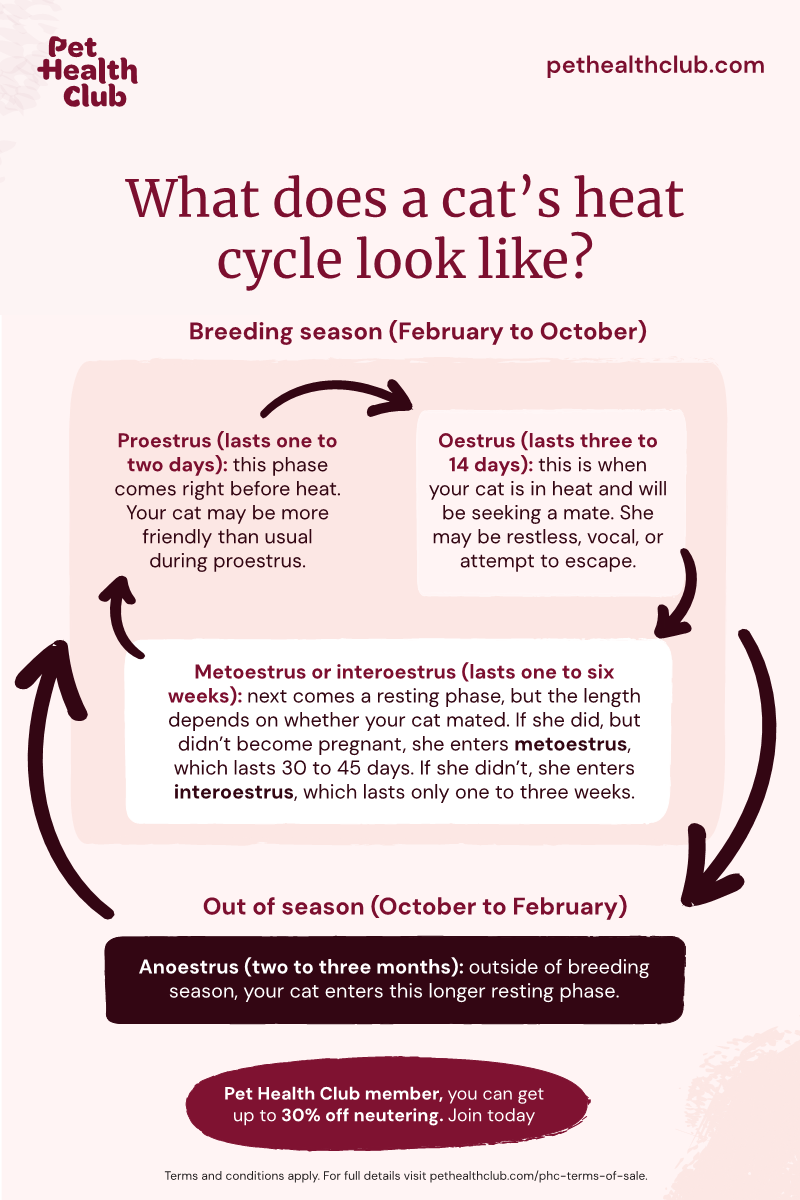
Understanding the breeding cycle of cats is essential if you want to manage their health and behavior effectively. The breeding cycle, also known as the estrous cycle, dictates when female cats are fertile and ready to mate. Knowing the basics can help you anticipate changes in your cat’s behavior and make informed decisions about breeding or spaying.
Estrus Cycles In Female Cats
Female cats experience multiple estrus cycles during their breeding season. These cycles begin when a cat reaches sexual maturity, usually around 5 to 9 months of age, but it can vary between breeds and individual cats.
During estrus, the female is fertile and receptive to males. This phase is critical because it determines when your cat can conceive. If you’re considering breeding, understanding this timing is key to success.
Frequency And Duration
Estrus cycles in cats can repeat every two to three weeks if the female doesn’t mate. Each cycle usually lasts about 4 to 7 days but can sometimes be longer or shorter.
The frequency can surprise many owners. Some cats may seem to be in heat almost continuously during warmer months, while others have more spaced-out cycles. This variability means you need to watch your cat closely to know when she’s in heat.
Understanding Heat Signs
You may notice clear signs when your cat is in heat, including increased vocalization, restlessness, and affectionate behavior. Some cats might even adopt a mating posture, raising their hindquarters and moving their tails to the side.
Recognizing these signs helps you decide the best time to separate your cat from males or plan for breeding. Have you observed your cat acting differently during certain times of the year? Paying attention to these behaviors is your first step in understanding her breeding cycle.
Owner Responsibilities
Owning a cat that starts breeding brings new duties for every pet owner. These responsibilities ensure the cat stays healthy and safe during this critical time. Owners must be alert and prepared to handle the challenges of breeding cats. This care helps protect both the mother and her future kittens.
Monitoring Health During Breeding
Health checks are essential throughout the breeding period. Watch for signs of illness or stress in your cat. Regular vet visits help detect problems early. Keep track of eating habits, energy levels, and behavior changes. A healthy cat increases the chances of a safe pregnancy and delivery.
Preventing Unplanned Litters
Unplanned litters can cause stress and overcrowding. Control your cat’s environment to avoid accidental breeding. Separate males and females unless planned breeding is intended. Use secure doors and windows to keep cats indoors. Responsible breeding avoids unwanted kittens and helps manage pet populations.
Spaying And Neutering Considerations
Spaying or neutering your cat prevents unwanted pregnancies. These procedures also reduce health risks and behavior issues. Discuss the best timing with your veterinarian. Many recommend spaying or neutering before cats reach breeding age. This step is key to responsible pet ownership and community health.
Credit: www.pethealthclub.com
Credit: dremmanuelfontaine.com
Frequently Asked Questions
At What Age Do Cats Start Breeding Naturally?
Cats typically begin breeding between 5 to 12 months old. This varies by breed and health. Early breeding is common in outdoor cats.
How Can I Tell If My Cat Is Ready To Breed?
Signs include heat cycles, vocalization, and affectionate behavior. Female cats show swelling and discharge during estrus, indicating readiness.
Is It Safe For Cats To Breed At Six Months?
Breeding at six months can be risky. It’s best to wait until cats are fully mature, usually around one year, for health safety.
How Often Do Cats Go Into Heat For Breeding?
Cats usually go into heat every 2 to 3 weeks during breeding season. This can last several months, especially in warmer climates.
Conclusion
Cats usually start breeding between five and twelve months old. This age can change based on breed and health. Female cats can get pregnant quickly after their first heat. Male cats become fertile around the same time. Knowing this helps pet owners care better for their cats.
Early spaying or neutering can prevent unwanted litters. Understanding breeding age also supports responsible pet care. Keep an eye on your cat’s behavior as they grow. This helps you make the best choices for their health and safety.

Leave a Reply