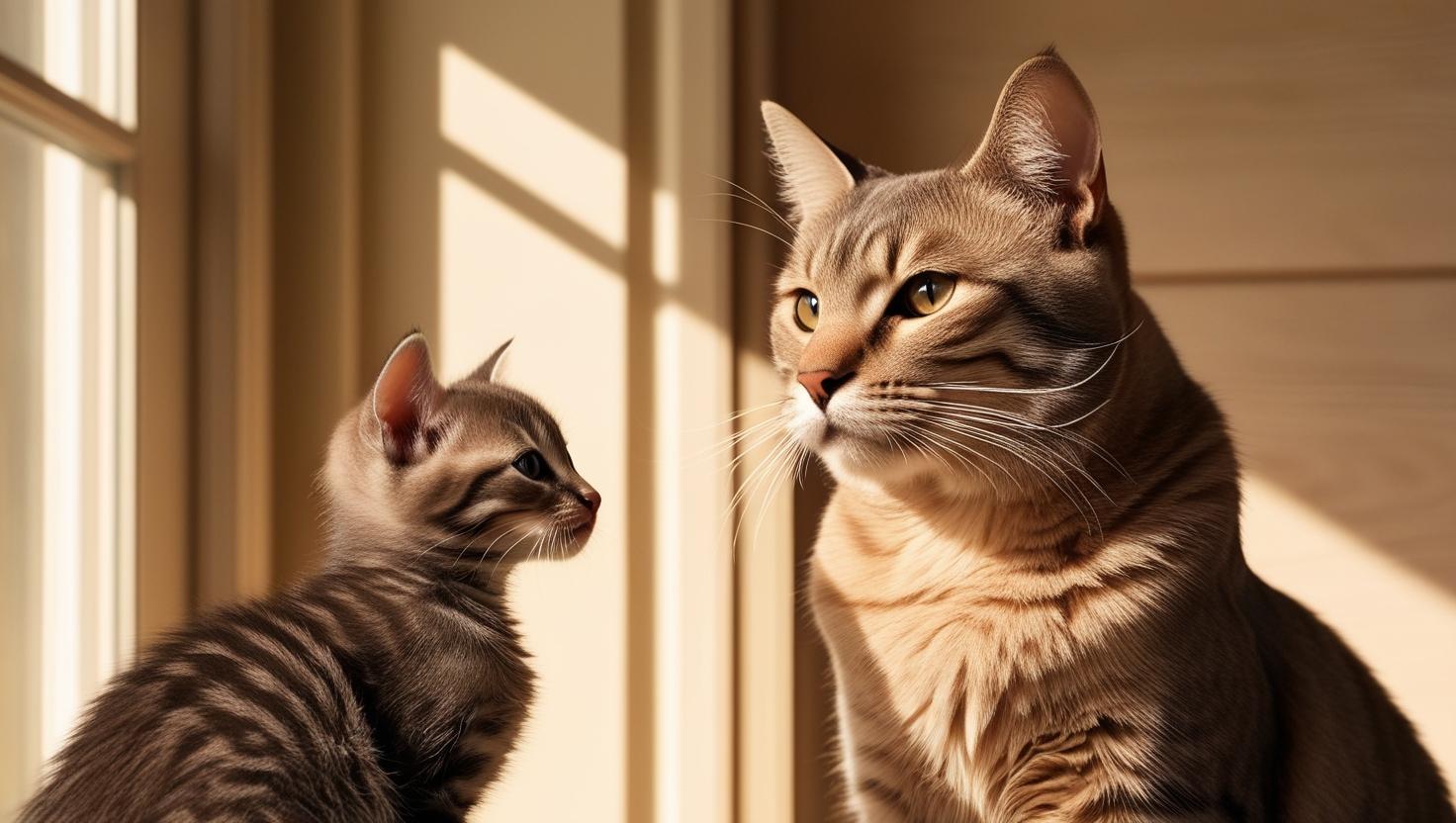
Are you wondering how old is too old to breed a cat? If you care about your cat’s health and future kittens, this question is important.
Breeding a cat at the right age can make a big difference in their well-being and the health of their babies. But when exactly should you stop? Keep reading to discover the signs, risks, and expert advice that will help you make the best choice for your furry friend.
Your cat’s happiness and safety depend on it.
Cat Breeding Basics
Understanding the basics of cat breeding is essential before deciding whether your feline friend is too old to breed. Knowing the right age to start and recognizing signs of reproductive health can save you from unexpected challenges. Breeding cats responsibly means caring for their wellbeing and ensuring the health of future kittens.
Breeding Age Range
Cats generally reach sexual maturity between 5 and 12 months, but breeding too early can be risky. Most experts recommend waiting until a cat is at least 1 year old before breeding. This allows her body to fully develop and handle the stresses of pregnancy.
On the other hand, age limits are less clear but important. Typically, cats older than 7 years are considered too old to breed safely. Their fertility naturally declines, and pregnancy can pose health risks.
Have you noticed your cat’s energy or appetite change as she ages? These clues can hint at her readiness or suitability for breeding. Pay close attention to these signs before making a decision.
Signs Of Reproductive Health
Healthy reproductive traits are key to successful breeding. Your cat should have regular heat cycles, which usually occur every 2 to 3 weeks during breeding season.
- Clear, healthy discharge:Vaginal discharge during heat should be minimal and not foul-smelling.
- Normal behavior changes:Increased vocalization and restlessness often indicate a cat in heat.
- Good overall health:A shiny coat, steady weight, and alertness show she’s physically ready.
If your cat shows irregular cycles, excessive fatigue, or health issues, it might be a sign to pause breeding plans. Regular vet check-ups can confirm reproductive health and catch any problems early.
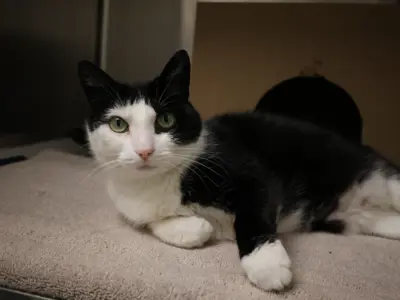
Credit: www.ottawahumane.ca
Age Limits For Breeding Cats
Determining the right age to breed your cat is crucial for her health and the wellbeing of her kittens. Age limits for breeding cats help ensure that both mother and babies have the best chance at a healthy start. Knowing these limits will guide you to make decisions that protect your feline friend.
Optimal Breeding Ages
The best time to breed a cat is usually between 1 and 5 years old. At this stage, cats are mature enough to handle pregnancy but not yet facing the risks that come with older age.
Breeding too early, before 12 months, can be harmful because your cat’s body might not be fully developed. On the other hand, breeding past 5 years increases the chance of complications. Many breeders stop at 5 years to keep the cats healthy and to avoid genetic issues.
- Start breeding after your cat’s first heat cycle but wait until she is physically mature.
- Keep track of her overall health and vet checkups before deciding to breed.
- Consider breed-specific factors since some breeds mature faster or slower.
Risks Of Breeding Older Cats
Breeding cats beyond 5 or 6 years old can lead to serious health risks. Older cats often face problems like difficult labor, lower fertility, and higher chances of miscarriage.
One personal experience taught me how challenging it is to breed an older cat. My neighbor’s 7-year-old cat had complications during delivery that required emergency vet care. It was a costly and stressful situation that could have been avoided by respecting age limits.
Besides health risks to the mother, kittens from older cats may have weaker immune systems. It’s worth asking yourself: is it fair to put your cat and her kittens at risk when waiting or adopting younger breeders might be safer?
Health Considerations
When considering breeding your cat, health is a top priority. As cats age, their health needs change, and this can affect their ability to breed safely. Understanding these changes can help you make informed decisions about when and if breeding is appropriate for your feline friend.
Common Age-related Health Issues
As cats age, they may face a range of health issues that can impact breeding. Arthritis is common and can cause discomfort during mating. Dental problems may lead to difficulties in eating, affecting overall health and fertility.
Older cats are also more prone to chronic diseases like kidney disease or diabetes. These conditions can complicate pregnancy and pose risks to both the mother and kittens. Knowing these risks helps you weigh the decision carefully.
Veterinary Checkups Before Breeding
A veterinary checkup is essential before considering breeding an older cat. Regular health assessments can identify potential issues that might affect breeding or the health of future kittens. A vet can provide advice on whether your cat is fit for breeding and suggest any necessary health interventions.
Consider discussing any signs of aging or health changes with your vet. This proactive approach ensures that your cat is healthy enough to handle the demands of pregnancy and raising kittens. It’s a step that can save you heartache and ensure the wellbeing of your beloved pet.
Are you prepared to make the health of your cat a priority? This consideration is crucial to ensure that you’re making the best decision for your furry companion’s future.

Credit: www.catster.com
Breeding Safety Tips
Breeding cats requires more than just timing; safety is a top priority to protect the health of your feline friends. Understanding how to keep breeding safe helps you avoid common risks and ensures both the mother and kittens thrive. Let’s dive into key safety tips that focus on observing your cat closely and managing breeding intervals wisely.
Monitoring Cat Behavior
Your cat will give clear signs when she is ready to breed and when she needs a break. Watch for changes in appetite, restlessness, or vocalization. These behaviors can indicate stress or discomfort, signaling that you might need to pause breeding attempts.
Pay attention to how your cat interacts with other cats and her environment. If she seems withdrawn or aggressive, it’s a red flag. These signs could mean she’s overwhelmed, and continuing breeding at this time could harm her health.
Breeding Frequency And Rest Periods
How often you breed your cat matters a lot. Cats need enough rest between litters to recover physically and mentally. A good rule of thumb is to allow at least one full heat cycle (about 2-3 weeks) between pregnancies.
Too frequent breeding can lead to exhaustion and health problems like uterine infections or weakened immune systems. Giving your cat longer breaks not only improves her wellbeing but also increases the chance of healthy kittens.
Alternatives To Late-age Breeding
Breeding cats at an older age carries health risks for both the mother and kittens. Many cat owners seek safer options to care for their pets without late-age breeding. Exploring alternatives helps protect cats’ well-being and supports responsible pet care. Here are two key options to consider.
Adoption And Rescue Options
Adopting cats from shelters or rescue groups saves lives. Many cats need loving homes, including adults and seniors. Adoption gives a second chance without the risks of breeding late in life. Rescue groups often provide medical care and vaccinations. They help match cats with families that fit their needs. Consider adopting to expand your family safely and kindly.
Supporting Cat Health Without Breeding
Focus on keeping older cats healthy through proper care. Provide a balanced diet and regular exercise to maintain weight. Schedule routine vet visits for early detection of health issues. Enrich your cat’s environment with toys and interaction. Spaying or neutering prevents unwanted litters and reduces health problems. Healthy cats enjoy longer, happier lives without breeding stress.

Credit: www.reddit.com
Frequently Asked Questions
How Old Is Too Old To Breed A Cat?
Cats over 7 years old are generally considered too old to breed. Breeding older cats increases health risks for both the mother and kittens. It’s best to breed cats between 1 and 5 years old for optimal health and safety.
What Are The Risks Of Breeding Older Cats?
Breeding older cats can cause complications during pregnancy and delivery. Older cats face higher risks of miscarriage, stillbirth, and health issues. Their recovery time is longer, and the kittens may have lower survival rates.
When Is The Best Age To Breed A Cat?
The ideal breeding age for cats is between 1 and 5 years. At this age, cats are physically mature and healthy enough to handle pregnancy. Breeding too early or too late can harm the cat’s health and kitten survival.
Can A Cat Breed After 8 Years Old?
Breeding a cat after 8 years is not recommended due to health risks. Older cats may suffer from fertility decline and pregnancy complications. Always consult a veterinarian before considering breeding an older cat.
Conclusion
Breeding a cat at the right age keeps her healthy and happy. Older cats may face more risks during pregnancy. It is best to consult a vet before deciding to breed. Careful planning helps protect both mother and kittens. Remember, every cat is different and deserves gentle care.
Choose wisely to give your cat the best chance. Healthy cats make happy pets and families. Always put your cat’s well-being first.

Leave a Reply