Have you ever wondered what you call a male cat used specifically for breeding? If you’re curious about cat breeding or just want to understand the right term, you’re in the right place.
Knowing this simple word can help you communicate better with breeders and fellow cat lovers. Keep reading, and you’ll discover not just the answer but also why it matters for your feline friend’s health and happiness.
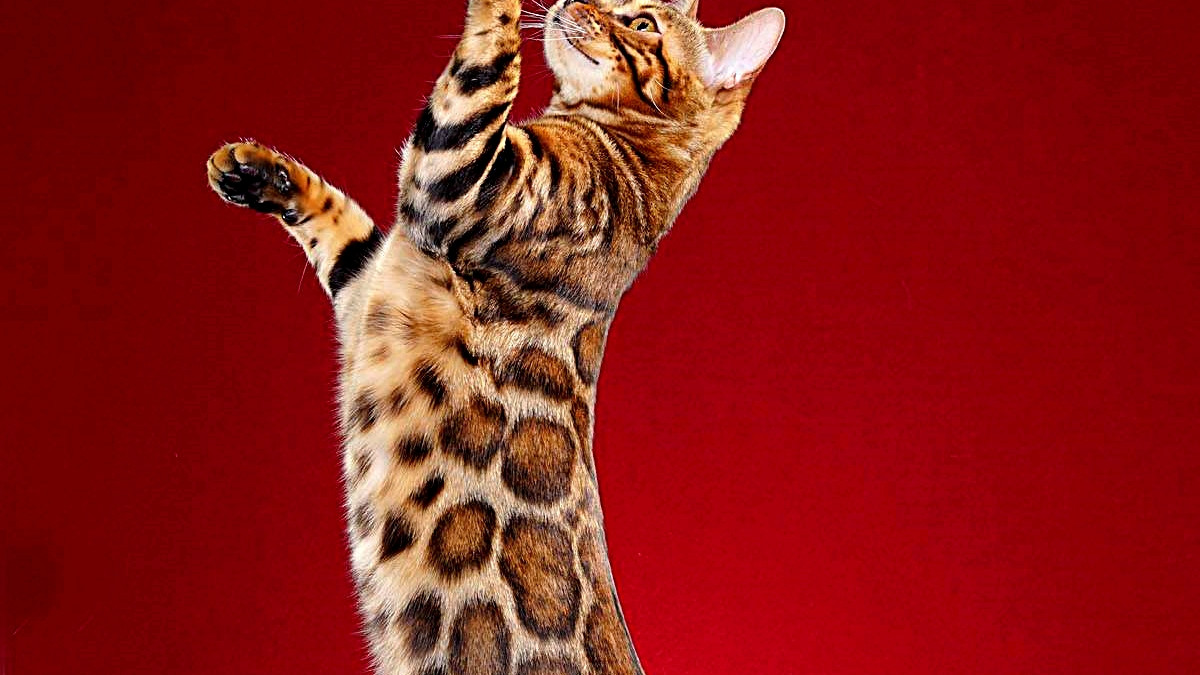
Credit: pethelpful.com
Terms For Male Breeding Cats
Male cats used for breeding have specific terms that describe their role and status. These terms help identify their purpose in breeding programs and cat shows. Understanding these names makes it easier to talk about breeding cats clearly and correctly.
Common Names
The most common term for a male cat used in breeding is stud. This word shows the cat is chosen for its strong genetics and traits. Another term is tom, which means an unneutered male cat, often used for breeding.
Breed-specific Terms
Some cat breeds have special names for their breeding males. For example, in the Siamese breed, a breeding male may be called a siamese stud. In Persian cats, the term Persian studis common. These breed-specific terms help breeders and owners identify the male’s breed and breeding role.
Informal Nicknames
Informally, male breeding cats may be called boy catsor simply breeders. Some owners use playful nicknames based on the cat’s personality or appearance. These informal names are less technical but still show the cat’s breeding status.

Credit: www.reddit.com
Roles Of A Male Breeding Cat
The role of a male breeding cat is vital in the world of cat breeding. This male, often called a stud or sire, contributes much more than just fathering kittens. Understanding his roles helps breeders maintain healthy and strong cat lineages.
Genetic Contribution
The male cat passes on half of the genetic material to his offspring. This affects the kittens’ coat color, pattern, and physical traits. Good genetics help produce healthy, strong kittens. Breeders select males with desirable traits to improve the breed.
Behavioral Traits
The male’s personality can influence the kittens. Traits like friendliness, playfulness, and calmness often come from the sire. A well-behaved male can help produce kittens with good temperaments. This is important for pets and show cats alike.
Health Considerations
Health is a key factor in choosing a male for breeding. The stud must be free from genetic diseases. Regular vet checks ensure he is healthy. Strong health reduces the risk of passing illnesses to kittens. A healthy male helps maintain the breed’s overall vitality.
Choosing The Right Male Cat
A male cat used for breeding is called a stud or sire. Choosing the right stud ensures strong, healthy kittens. Consider traits like health, temperament, and pedigree.
Choosing the right male cat for breeding is crucial. A well-chosen stud ensures healthy and desirable kittens. This decision impacts the lineage and traits of future generations. Consider several factors before selecting a male cat. Evaluating pedigree, physical attributes, and temperament are key.Evaluating Pedigree
A cat’s pedigree reveals its ancestry. It shows the quality and traits inherited. Examine the family tree for genetic health issues. This ensures the cat’s lineage is strong and healthy. A good pedigree can also indicate desirable traits. Look for awards or recognitions in the lineage. These suggest a history of excellence.Physical Attributes
Physical traits are important in breeding. Look at the cat’s size and build. A well-proportioned body is ideal. Coat color and texture matter too. They influence the appearance of future kittens. Ensure the cat has no physical deformities. Healthy eyes, teeth, and claws are essential. These attributes affect the cat’s overall health.Temperament And Compatibility
A male cat’s temperament affects breeding success. A calm and friendly nature is preferable. It ensures a stress-free environment during mating. Compatibility with the female cat is vital too. Observe how they interact. They should be comfortable around each other. This leads to a smoother breeding process.
Credit: www.outdoorbengal.com
Caring For Breeding Male Cats
Caring for a breeding male cat requires more attention than you might expect. These cats play a crucial role in producing healthy litters, so their well-being directly impacts breeding success. Focusing on their nutrition, exercise, and health checks helps maintain their vitality and fertility over time.
Nutrition Needs
Your breeding male cat needs a diet rich in protein and essential nutrients to support strong sperm production. High-quality commercial cat food formulated for active or breeding cats often meets these requirements. You can also add supplements like omega-3 fatty acids to improve reproductive health, but always check with your vet before introducing new supplements.
Think about feeding schedules too. Smaller, frequent meals can keep energy levels steady and reduce stress. Have you noticed how your cat’s energy changes with different foods? This can guide you in adjusting their diet for optimal performance.
Exercise And Environment
Active males tend to have better fertility, so encourage regular play and movement. Providing toys, climbing structures, and interactive sessions keeps their muscles strong and mind sharp. A stressed cat is less likely to perform well, so a calm, comfortable environment is key.
Consider the space your cat has. Is it free from loud noises and other stressors? Creating a quiet, secure area for your male cat can improve his overall well-being and readiness for breeding.
Regular Health Checks
Frequent veterinary visits are essential to catch any health issues early. Breeding males should be checked for infections, parasites, and reproductive disorders regularly. Your vet can also monitor weight, dental health, and overall condition to ensure your cat stays in peak shape.
Vaccinations and parasite control are non-negotiable parts of care. Missing these can lead to serious problems not just for your male cat but for future litters. How often do you schedule health checks for your pets? Consistency here can make a huge difference in breeding outcomes.
Ethical Breeding Practices
Ethical breeding practices shape the foundation of responsible cat breeding, especially when dealing with a male cat used for breeding, often called a stud. These practices ensure the health and well-being of both the cats and their offspring. They also help maintain the breed’s integrity and reduce genetic problems over time.
Breeder Responsibilities
As a breeder, you have a duty to prioritize the health of your stud cat and the kittens he sires. Regular veterinary check-ups and vaccinations are essential. You should also provide a safe, clean environment and monitor the cat’s behavior and health closely.
Your role includes screening for hereditary diseases and only breeding cats that meet health and temperament standards. This not only protects the cats but also builds trust with future pet owners. Have you ever considered how ignoring these responsibilities might impact the cats’ quality of life?
Avoiding Inbreeding
Inbreeding can lead to serious genetic health issues in kittens, including reduced immunity and physical deformities. Avoid breeding closely related cats by carefully tracking pedigrees and genetic backgrounds.
Use tools like genetic testing and breeding databases to ensure your stud mates with unrelated females. This reduces the risk of inherited diseases and supports the overall vitality of your breed. What steps can you take today to verify the genetic diversity of your breeding pair?
Promoting Genetic Diversity
Maintaining genetic diversity is crucial to a strong and healthy cat population. Introducing new bloodlines into your breeding program helps prevent genetic bottlenecks and keeps the breed resilient.
Consider collaborating with other breeders to exchange studs or females, broadening the gene pool. This collaboration benefits everyone by producing healthier kittens with fewer inherited problems. How might expanding your breeding network improve the future of your cats?
Frequently Asked Questions
What Is A Male Cat Used For Breeding Called?
A male cat used for breeding is called a stud. Stud cats are selected for their genetics, health, and traits. They mate with female cats to produce kittens. The term “stud” highlights their role in reproduction and lineage continuation.
How Do Stud Cats Differ From Regular Male Cats?
Stud cats are chosen for breeding due to superior qualities. They usually have strong genetics, health, and temperament. Regular male cats may not have these traits or be used for mating. Studs contribute to maintaining or improving breed standards.
Why Are Stud Cats Important In Cat Breeding?
Stud cats pass desirable traits to offspring, ensuring breed quality. They help maintain genetic diversity and breed characteristics. Studs are carefully selected to enhance health and appearance. Their role is crucial in responsible cat breeding programs.
Can Any Male Cat Become A Stud Cat?
Not every male cat can become a stud. Stud cats must meet breed standards and be healthy. They undergo health screenings and temperament evaluations. Only cats with excellent qualities are used for breeding purposes.
Conclusion
A male cat used for breeding is called a stud or sire. These cats play a key role in producing healthy kittens. Understanding this term helps in many cat care talks. It also makes it easier to learn about cat breeding.
Knowing simple words like these builds your pet knowledge. Keep exploring to know more about cats and their lives. It’s always fun to learn about animals around us. Stay curious, and enjoy your journey with cats!

Leave a Reply